Search this site
1736 results found with an empty search
- State Expects Average Sweet Potato Harvest
Ms. Bonnie A. Coblentz, MSU Extension Service PONTOTOC, Miss. -- Mississippi’s nationally significant sweet potato harvest is shaping up to be below average because of flooding both early and late in the growing season. The U.S. Department of Agriculture estimates the sweet potato crop to be 37% harvested as of October 10th. USDA estimates 38% is in fair condition and 48% in good condition. Lorin Harvey, sweet potato specialist with the Mississippi State University Extension Service at the Pontotoc-Flatwoods Branch Experiment Station in Pontotoc, said late-September rains did not delay harvest much. “Two circumstances are not ideal for sweet potato production, and that is early flood conditions that reduce your overall yield and late flood conditions that increase storage issues,” Harvey said. “We had both of these flooding scenarios during the 2021 growing season.” The Mississippi sweet potato industry is centered around Calhoun City in Calhoun and Chickasaw counties. After a majority of the Mississippi sweet potato crop was planted in late May to early June, the area received nine inches of rain in a 72-hour period. Accumulation was even higher in places. “The month of June was the wettest Calhoun County has had in the last 20 years, with 16.8 inches,” Harvey said. “July had 10.65 inches of rain, and August had 8.5 inches more. Normal rainfall is four to six inches a month in that area, so that put us five to six inches above average for each of those months.” That much rainfall early in the growing season stunts sweet potato growth, as plants cannot breathe in saturated soil. Rainfall at the end of the growing season causes storage problems, such as rot issues. “Warm, wet soils increase bacteria and fungus growth in the soils,” Harvey said. “These potatoes have the potential to be exposed to more of these soil issues this year, which can cause long-term storage problems.” In ideal conditions, a good-quality sweet potato can store for 13 months. “If the market is fetching a higher price right now, people will push to wash and sell fresh potatoes,” Harvey said. “If the market is saturated, people will do their best to store them.” While the beginning and end of the 2021 growing season have been difficult, it was business as usual through the summer. Neither disease nor insects presented any significant, abnormal challenges to growers. “The vines looked really healthy this year, but the vines don’t accurately portray the situation in the soil,” Harvey said. “You’re not growing vines; you’re growing storage roots.” Sweet potatoes are labor-intensive crops to grow, and the Mississippi industry relies on migrant labor for planting and harvest. Harvey said COVID issues slowed the labor pool reaching the job sites, but Mississippi growers were able to get the help they needed to harvest the crop in a timely manner. Mississippi had 28,000 acres of commercially grown sweet potatoes this year, down just slightly from the 30,000 grown in 2020. Mississippi ranks second nationally behind North Carolina in sweet potato acreage. It ranks third in yield behind California and North Carolina. “The decrease represents normal acreage fluctuation,” Harvey said. “Early-season flooding damaged some acres, and not all of them were replanted.” Alba Collart, MSU Extension agricultural economist, said 2021 prices for the prime Mississippi sweet potatoes are more comparable to 2019 prices than to 2020 prices. “A 40-pound carton of U.S. No. 1 sweet potatoes is bringing $23.44, compared to $26.16 in 2020 and $24.92 in 2019,” Collart said. “U.S. No. 2 sweet potatoes are bringing $17.78 per 40-pound carton this year, which is very close to the price paid for these potatoes the last two years.” She said U.S. annual sweet potato consumption continues the upward trend from when it was first tracked beginning in 1984. “Annual average per capita availability, which is a proxy for consumption, increased from 4.2 pounds in 2000 to 7.9 pounds in 2019, which is the most recent estimate,” Collart said. “This year, we can expect demand for sweet potatoes to increase as we approach the holiday season.”
- Review: 2021 Memphis Food & Wine Festival
After taking a year off, the Memphis Food & Wine Festival made its return in 2021 with grandeur. As with each year, the Memphis Food & Wine Festival did not disappoint. With over 100 wines to sample from 38 different vintners, and 37 chefs from all across the country, the possibilities felt endless. Food vendors were a wide range of chefs representing their kitchens from all over Memphis, the rest of the South and even Las Vegas. Choices ranged from classic Southern barbecue with an upscale twist to East Coast delicacies or even a sweet, gooey treat to finish out the night. Detailed below are just a few of the many options presented to festival guests. I'll be honest in saying that I was enjoying myself so much that my note-taking fell off rather quickly. Take my word for it, this festival is an absolute must for any person who loves great wine and even better food. About the Event The Radians Amphitheater at the Memphis Botanic Gardens transformed into a hub for phenomenal food and wine from chefs and vintners both near and far. This annual autumnal food and wine event was made for curious foodies all over the country. Culinary offerings included finger-food tastings such as this pretzel bun lobster roll from Oscar Pena of Moondance Grill in Germantown, Tennessee. Chef Pena was one of 23 local chefs to attend the festival. This was a great place to start for a lighter snack to ease into the event. Cool, light and refreshing with a cilantro garnish, this little beauty was delicious. We chose to pair the lobster roll with a tasting of Chardonnay from Californian winery Far Niente. This chardonnay is one that Far Niente has been crafting for the last 40 years, presenting a perfect product for Food & Wine Festival attendees. Next was a Zinfandel from Frank Family Vineyards in Calistoga, California. I'll be honest in saying that I don't usually enjoy red wines, but this one was delicious. It paired wonderfully with our next food tasting: barbecue rib with a sweet potato puree. This dish was from José Gutierrez of River Oak restaurant in Memphis. Chef Gutierrez was friendly and clearly excited to have guests taste his highly sought-after dish. The line for his booth was quite long for good reason. The meat was ridiculously tender with just enough barbecue sauce to add an extra bit of savory, tangy and saltiness to the bowl. This was definitely one of our favorite tastings of the night, one possibly worth a drive to Memphis just for this dish. We continued to wander around the festival and soak in the ambiance of the beautiful lighting and live musical entertainment from blues musician Terry "Big T" Williams, a local of Clarksdale, Mississippi. The mix of open-pit barbecue, soulful blues, twinkling string lights and laughter truly made this evening magical. This is where my note and picture-taking started to fall off... After enjoying ourselves for a bit, we were ready for a glass refresh. Near the entrance of the event were two more booths that were clearly very popular. And where people are waiting in line, there must be tasty offerings. We hopped in line at Brendan Frankel's tent. Chef Frankel represented Rosewood Hotels of Dallas, Texas, and served another favorite bite of the night: savory French toast, brisket, barbecue sauce and black truffle shavings. Admittedly, I was too eager to dive in to think of taking a photo. However, believe me when I say that it was extraordinary. We hopped to the booth next to Chef Frankel that was hosted by Zonin Family of Wines. These wines were all made and imported directly from Italy, making them a unique stop at the festival. We chose the pinot grigio simply because we were ready for a cool, delicious glass that we could also enjoy with our next stop: dessert. Our final stop was Bill Kloos of Frost Bake Shop in Memphis. Also located near the event entrance, Chef Kloos presented guests with a fantastic, fall flavored treat: a pumpkin and pecan cheesecake bar. This treat was gooey, sweet and also a bit crunchy from the nuts. I couldn't believe we had found the perfect last bite to finish off our night. The only challenging part of the festival? Pacing yourself! With so many options, we had to come up with a game plan. We walked around the perimeter of the amphitheater and browsed the offerings. We noted which sounded most interesting for our individual tastes and noted our selections in descending order of interest. Even then, it was hard not to rank each one out of the more than 100 offerings. Though planning for next year has not been announced, follow MFWF on Facebook for updates, as well as sign up for their newsletter so you can be in the know for 2022.
- Food Factor: Fried Rice Makeover
by Ms. Natasha Hayne, MSU Extension Service Leftover rice – whether you’ve brought it home from a local restaurant or cooked it yourself – is the perfect foundation for a fun and easy weeknight supper: fried rice. But if you’re not careful, fried rice can be chock full of calories and sodium. Here are some tips for making your fried rice healthier! Use brown rice instead of white rice for more whole-grain goodness. If you don’t have low-sodium soy sauce, substitute water for half the amount called for in the recipe. Include lots of green veggies, such as spinach, broccoli, and bok choy or cabbage to balance out sweeter veggies, like carrots and sugar snap peas. Use a small amount of a healthier oil, such as olive or sesame oil. For this segment of The Food Factor, we adapted the recipe and techniques shared by our friends at Iowa State University Extension and Outreach. Vegetable Fried Rice Ingredients: - 3 eggs (lightly beaten) - 1 tablespoon olive oil - 1/2 cup onion, chopped (about 1/2 onion) - 2 cloves garlic, minced or 1/2 teaspoon garlic powder - 3 cups brown rice, cooked (instant or regular) - 2 cups frozen vegetables, thawed (your choice of veggies!) - 1 tablespoon low-sodium soy sauce Ground black pepper (optional) Spray a large skillet with cooking spray and place over medium heat. Pour lightly beaten eggs into the skillet. Scramble eggs until they are completely cooked. Remove eggs to a plate or bowl. Return skillet to the burner on medium heat and add oil. When the skillet is hot, add onion and garlic and cook until the onion is softened. Add rice, vegetables, and soy sauce to skillet and heat thoroughly. Stir occasionally. Add eggs to skillet and heat through. Season to taste with pepper. Fried rice is also a great way to use up leftover veggies you have in the fridge! You can also add cooked lean meat, such as chicken or pork to this dish.
- The Wine Guys Answer Reader Questions; Tenuta di Arceno Wines
by The Wine Guys, Tom Marquardt and Patrick Darr We always love your questions, whether you’re looking for a special bottle of wine or you are confused by a label. Keep them coming. Here are a coupler of questions that may resonate with our readers. I got into red wine in the ‘90s. I fell hard for quality $10 values like Napa Ridge Cabernet, Penfolds Koonawarra, Estancia Cabernet, and all the Gallo of Sonoma lineup. The '97 vintage was incredible all around. 20+ years later I have to spend $20 to get something remotely as good as what use to be $10. It's not inflation, it's the quality of what's in the bottle. It also tastes like every supermarket wine under $20 is heading toward Apothic... sweet with smoky oak. I'm getting what I call "honey mustard" a lot as well. Is it the wine or have my tastes gotten way more selective? Where do we start with this excellent question? We bet your tastes have become more selective. But the wine industry has changed dramatically since the 1990s and, thus, so has the wine. Sweet red wines like Apothic Red weren’t as abundant then – wines were refreshingly dry. Cheap, red wines are quite common now and, like a box of chocolates, you never know what you’re going to get. Napa Ridge and Estancia, once made by family-owned wineries, are now part of large corporate wineries. Instead of the wines being made from grapes grown on their estates, they are now made from grapes grown in the vast holdings of corporations. Often these vineyards are in less favorable locations or a blend of locations. That Estancia wine you remember from the 1990s was made by Franciscan using grapes from their estate. We doubt that its current owner, Constellation, is using grapes from the same vineyard today. There is also a dirty secret that many winemakers use Mega Purple, a grape concentrate that enhances a wine’s color but also rounds off harsh tannins and adds sugar. Although we will never be sure until winemakers are required to list ingredients, we swear we can taste a wine that has this concentrate. We’ll be writing about this in a later column. Now, as far as costs go, wine is subject to the same gravitational pull as any product. French barrels, for instance, has doubled since the 1990s. An acre of prime vineyard in Napa Valley cost $200,000 five years ago. Today it cost as much as $1 million, if you can find it. Having given winemakers an excuse for charging more for their plonk, it’s really about demand. They’ll charge whatever then can get. Some winemakers charge over $300 for a cult cabernet sauvignon and sell out every year! We suggest you look to Spain, Portugal and South America where winemakers haven’t succumbed to the sweet wine fad. We like Evodia and Las Rocas, each selling for about $12, and Bodegas Breca from the Aragon region of Spain. It’s an old-vine grenacha you can find for around $17. Should I feel obligated to share an expensive bottle of wine I’ve brought to a BYOB party? In a recent “Miss Manners” column, a writer complained that she and her husband often join a group of friends for dinner at a local restaurant. The waiters pour house wine to the guests, but she often buys a more expensive bottle for she and her husband to enjoy. However, some of her friends ask them for a glass of what is obviously a better wine. The writer is annoyed and asks columnist Judith Martin for advice. Martin didn’t condone the obnoxious behavior but suggested the writer endure the house wines and save the special wines for dinner at home. That’s sound advice and it got us to thinking about the number of times we have been in similar situations – tail-gate parties, picnics, crab feasts and even restaurants that allow BYOBs. Some people bring $10 wines or bring nothing at all, then hold out their empty glasses to us. If you don’t know the crowd or it is larger than a bottle can satisfy, bring a reasonably priced wine. Hiding your special bottle and not sharing violates social etiquette. Don’t do it. Tenuta di Arceno We recently tasted three chianti classicos from Jackson Family Wines’ Tuscan outpost, Tenuta di Arceno, founded in 1994. Located in the most southernmost region of Tuscany, the estate produces classic chianti classico as well as wines from the IGT classification which allows international grape varieties. The Tenuta Di Arceno Chianti Classico 2018 ($25) is crafted from 85 percent sangiovese and 15 percent merlot grapes and presents youthful fresh fruit notes of fresh cherries. The merlot softens the sangiovese acidity to make a very agreeable package. The Tenuta Di Arceno Chianti Classico Riserva 2017 ($30), on the other hand, displays a deeper, richer qualities with softer and riper plum and cherry fruit notes. It is 90 percent sangiovese and 10 percent cabernet sauvignon. Very elegant. The Tenuta Di Arceno Strada al Sasso Chianti Classico Gran Selezione 2017 ($50) is the result of a new chianti classico designation implemented in 2014. This new classification is a level above riserva and requires slightly higher minimum alcohol levels and 6 months more aging than riserva. Tenuta Di Arceno is sourced from one vineyard on their estate and is 100 percent sangiovese. The result is a complex chianti classico featuring fresh and dried cherries and plums with hints of earth and leather. Wine picks Tbilvino Saperavi Red Dry 2018 ($15). From the country of Georgia, this delicious wine – if you can find it – offers ripe fruit flavors. Made from the indigenous saperavi grapes. Clean Slate Riesling 2019 ($13). We were intrigued by this partnership between Moselland of Bernkastel-Kues of Germany and Winebow. From the Mosel region, the wine is low in alcohol and slightly sweet like many rieslings from Germany. The fresh peach and apricot flavors are spiked with notes of spice and mineral. It’s a good sipper or a wine to pair with spicy oriental foods and seasoned chicken. Ram’s Gate Estate Pinot Blanc 2019 ($38). Using three clones of grape varieties, this delicious and fresh pinot blanc from the Carneros region has spicy aromas and pear flavors. Although it may seem light to the palate, it’s quite elegant and makes for a perfect match with seafood.
- Trick, Treat, or Toy? 4 Tips for a Healthy Halloween
By Ms. Qula Madkin, MSU Extension Service Whether you are having a Halloween party with friends, sending treats to school, or trick-or-treating in the neighborhood, with a little creativity, you can find ways to add some healthy options into the mix. In fact, some research shows that when children are offered options for a treat, they are more likely to choose toys instead of candy. Here are a few tips for healthier Halloween celebrations: Remember Balance Keep in mind that it’s what kids eat every day that has the most impact on their nutrition and health. Holidays and parties are scattered throughout the year, so there’s no need to make candy and sweet treats completely off-limits. Try to serve guests healthy snacks first and bring out the sweet treats later. Practice Portion Control Provide small portions of those special sweet treats that you do allow, like fun size candies and miniature versions of cupcakes, muffins, cookies, and brownies. Give each child a serving rather than leaving sweet treats out on the table for children to serve themselves. Make Your Own Healthier Treats You have more control over the ingredients when you make your own treats. Look for ways to include fruits, vegetables, nuts, or whole grains. Try popcorn tossed with cinnamon and sugar or chocolate-covered fresh fruit as healthier alternatives to candy. Consider using 100% canned pumpkin puree in baked goods, like muffins or cupcakes, to add more fiber and nutrients. Try our Chocolate Pumpkin Muffin recipe in our Extension Publication 3568, “Healthy Snacks for Kids on the Go or at Home.” Offer Alternative Treats Don’t forget about non-edible treats, like bouncy balls, stickers, and indoor or outdoor activities and games that will get the entire family up and moving. Consider some of these suggestions for healthier, alternative treats: Healthier Treats: Clementines, blood oranges, or oranges decorated like Jack-O-Lanterns with non-toxic markers 100% juice boxes or pouches 100% real fruit snacks No-added-sugar squeezable yogurt tubes or pouches Single-serving containers of fruit Snack-sized packages of pretzels, popcorn, nuts, graham crackers, trail mix, pumpkin seeds, or dried fruit or vegetables. Our Extension Publication 3568, “Healthy Snacks for Kids on the Go or at Home,” offers even more snack ideas and recipes. Non-edible Treats: Glow sticks or glow-in-the-dark toys Bouncy balls Mini toys Crayons and coloring books (try intricate coloring pages or books for older children) Stickers or stamps Temporary tattoos Bubble makers Spider rings or vampire teeth Slime, putty, or squishy toys Friendship bracelets Holiday flashcards or books Bottom line: What we eat every day has the most impact on nutrition, so one party or holiday won’t make or break our health. Make your party more about fun than food and get your family up and active by playing games. And don’t forget, when given a choice between toys and candy, most children choose toys. For more nutrition information, tips, and recipes, visit the Academy of Nutrition and Dietetics and U.S. Department of Agriculture My Plate websites.
- How to Keep Pumpkin Decor Fresh
by Mary Michaela Parker, MSU Extension Service Pumpkins are a fall staple and a great way to add a bit of festive decor to your home. I’ve had a pumpkin display out at my home since mid-September. I’ll keep this fall arrangement up until after Thanksgiving and then replace it with Christmas lights and decor. Although pumpkins have a long post-harvest life, factors like weather and the condition of the pumpkin can lead to early decomposition and rot. Here are some tips to help extend the life of your pumpkins before they turn into a gushy mess. One of the most important things you can do is find pumpkins with no surface damage. Don’t buy pumpkins with bruises and signs of rotting. Pumpkins without damage generally last longer than those with defects. Where you place your pumpkin display can also play a role in how long they will last. When setting up your fall decor, avoid wet areas. Find a spot that is well drained to avoid decomposition. Reid Nevins, MSU Extension Agent in Lowndes County and longtime pumpkin grower, recommends wiping down pumpkins with a 1-part bleach, 10-parts water solution to kill bacteria before setting them outside. Carving pumpkins is a Halloween tradition in many families. As we all know, the longevity of pumpkins is shortened once carved. After carving pumpkins, use petroleum jelly to help seal the exposed flesh. This seal will keep the pumpkins moist and create a barrier to bacteria. Coat any exposed surfaces, including the inside and the cut-out sections. A great alternative to carving pumpkins is painting them. Choosing to paint your pumpkins instead of puncturing them ensures that they stay fresh longer, since there will not be any cuts on the surfaces. Texas A&M AgriLife Extension has a great article on different ways you can use and care for pumpkins throughout the fall season! Did you know you can cook with pumpkins? If you’re a fan of pumpkin spice, try out this recipe for Pumpkin Spice Oatmeal Muffins featured on our blog. The University of Illinois Extension also has several tasty recipes you can try this fall! By Ms.
- Small, Exclusive Wines Aren't Always Better
by the Wine Guys, Tom Marquardt and Patrick Darr In today’s world, public opinion influencers stress that small and exclusive trumps the big, bad, corporate types. Find a winery producing a micro amount of a rare clone of pinot noir or a few rows of cabernet sauvignon and the fashionistas will clamor for the rare juice. But small and rare is not the real world and, ultimately, just frustrates regular wine consumers looking for an affordable glass of wine. Consumers have proven that a well-made, affordable wine that can be readily found is the rule in the marketplace. Kendall-Jackson’s Vintners Reserve Chardonnay -- a $12-15 wine with 3 million cases sold -- proves this point. It’s the top chardonnay sold in the U.S. Concha Y Toro the Chilean wine giant also adheres to this philosophy of making good wine at an everyday affordable price and the world has beat a path to its door. Three red wines from Cocha y Toro, part of its Marques des Casa Concha series of table wines, are extraordinarily well-made and pleasing to the palate. Although they don’t necessarily qualify as super bargains, we believe their quality more than compensates for their moderate price range of $17-25. Also, our research found that these wines consistently earn high scores from a wide selection of other wine writers. Following are our tasting impressions: Marques des Casa Concha Carmenere D.O. Peumo 2019. This forgotten grape originally from Bordeaux has really found a home in Chile where it seems to flourish. It has one year of new and used French oak aging and contains 5 percent cabernet sauvignon. This carmenere displays an intense, cherry nose and flavors of plum and cherry. A note of black pepper completes the package. Marques des Casa Concha Pinot Noir D.O. Valle Del Limari 2019. Made entirely of pinot noir and aged 11 months in new and used French oak. This very well-made pinot noir exhibits notes of cherry, raspberry and cola with a bare whiff of smoke in the finish. Marques des Casa Concha Cabernet Sauvignon D.O. Valle Del Maipo 2018. This cabernet sauvignon is 86.5 percent cabernet sauvignon with the balance cabernet franc, syrah and petite verdot, with 16 months French oak aging. Classic cabernet sauvignon flavor components of cherry, cassis and plum are presented in a big bold harmonious statement. Delicious! Ancient Peaks Grape growers understand that many elements contribute to growing quality grapes. A warm growing season with adequate rainfall is basic to growing almost any agricultural crop, but for growing quality wine grapes, significant diurnal temperature swings are critical. So, what is this diurnal thing? Diurnal temperature swings are the difference in temperature from day-time high temperatures to night-time low temperatures. In the world of growing world class wine grapes, a wide temperature swing from hot days to cool nights is critical. Paso Robles, located mid-way between San Francisco and Los Angeles, is blessed with summertime diurnal temperature swings typically of around 20-50 degrees. According to grape growers there this swing promotes development of fruit flavors and preserves acidity. The only other grape growing areas with similar temperature swings in California are Napa and Sonoma Valleys. Ancient Peaks is a winery located in the most southern portion of Paso Robles. Located in the Santa Margarita Ranch, it is the only winery to sport the AVA designation. Santa Margarita Ranch sprawls atop a portion of the San Andreas fault, evidenced by the tectonic uplift of the Santa Lucia Mountains surrounding the AVA. This separates the winery and vineyards from the cool Pacific Ocean. The tectonic activity also contributes to a complex mix of soils that produces grapes with different attributes. We recently tasted two red wines from Ancient Peaks and wanted to share out impressions. Ancient Peaks Cabernet Sauvignon Paso Robles Santa Margarita Ranch 2019 ($21). A classic example of the Paso Robles style of big bright fruit and balancing acidity. Bold but balanced cherry and cassis elements in a wine that invites a second sip. Great wine at a very fair price. Ancient Peaks Renegade Red Blend Paso Robles Santa Margarita Ranch 2018 ($22). A bit of an unusual blend of red grapes: syrah (38 percent), petite verdot (36 percent), and malbec (26 percent). The result is a deeply colored wine exhibiting effusive notes of ripe cherry, plum and blackberries in a completely satisfying wine for the boldest food pairings. Wine picks Jordan Russian River Valley Chardonnay 2019 ($35). Expressive aromas with apple and citrus notes, long finish and a creamy texture. It has just the right amount of oak. Hahn SLH Pinot Noir 2019 ($30). A good value in an expensive pinot noir market, this delightful wine from Santa Lucia Highlands has abundant cherry and raspberry notes with a dash of vanilla. Francis Coppola Diamond Selection Claret Cabernet Sauvignon 2018 ($18). We see this wine so often in stores that we tend to ignore it – odd, no? But we shouldn’t. Recently acquired by Delicato Family Wines, the Francis Coppola portfolio is filled with decent wine with great value. This cabernet sauvignon is made in the “claret” style recognized by the Brits long ago. The blend of petit verdot, merlot and petite sirah brings a deep color, forward dark fruit flavors with hints of mocha and anise. We’ve seen this wine as cheap as $13 in some places. Ornellaia Le Volte dell’Ornellaia 2019 ($34). Made by one of the most respected wine houses in Tuscany, this delicious wine has expressive aromas with forward, rich and jammy cherry flavors and a dash of spice. Sea Slopes Fort Ross Winery Sonoma Coast Chardonnay 2019 ($30). We loved this expressive chardonnay with all its lush lemon curd and peach aromas with bright apple and melon flavors. Hints of mineral and just a kiss of oak.
- Food Factor: Maple Sweet Potatoes
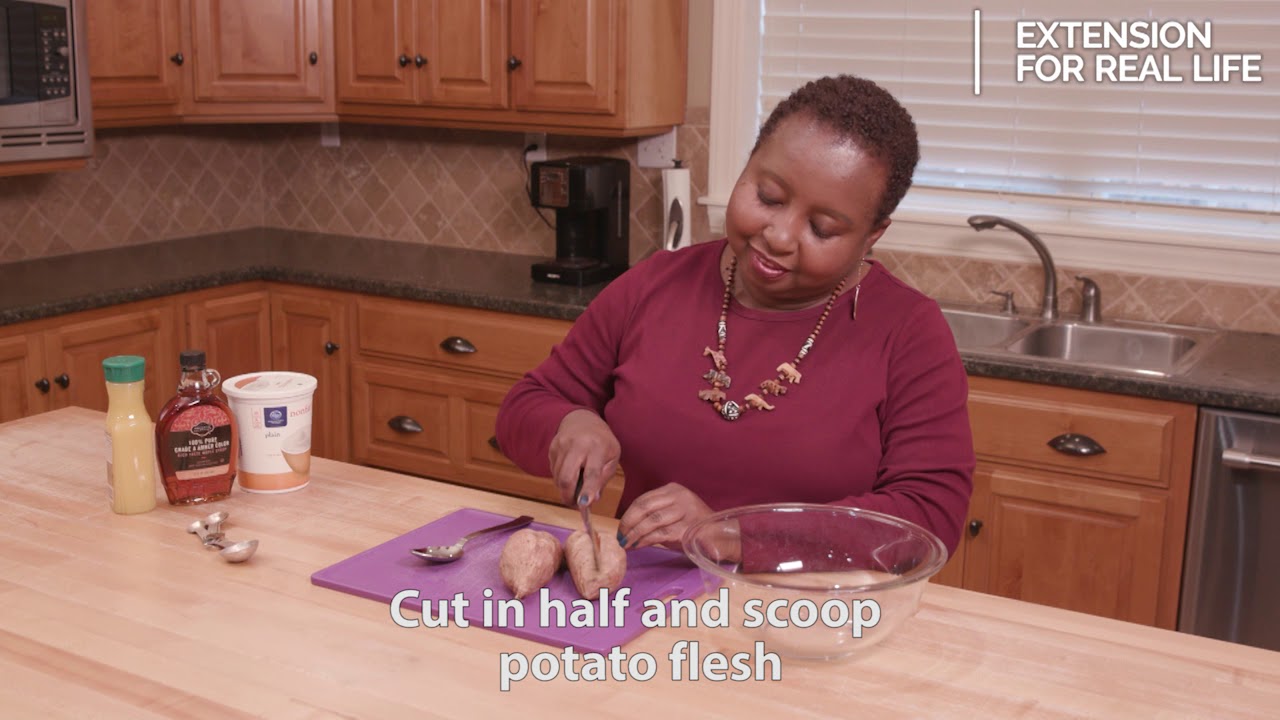
by Ms. Natasha Haynes, MSU Extension Service Sweet potatoes are a staple for many people during the holiday season. But sweet potatoes are great any time of year. Depending on your recipe, sweet potato dishes can be sweet or savory. Packed with fiber and vitamins and minerals, such as Vitamin B-6 and potassium, sweet potatoes are a good way to add variety to your meals if you want to increase your vegetable intake. This mashed sweet potato recipe is one of my favorite ways to prepare this vegetable. I like to serve it as a main dish with a side salad and a whole grain roll. If you want to add some protein and a healthy fat, top it with some roasted, chopped pecans or walnuts. Maple Sweet Potatoes Ingredients: - 2 medium sweet potatoes - 2 tablespoons plain, nonfat yogurt - 3/4 tablespoon maple syrup - 1 tablespoon orange juice Wash two medium-size sweet potatoes and prick with a fork. Microwave on high for 3 to 4 minutes or until potatoes are soft. Cut in half and scoop potato flesh into a medium, microwave-safe bowl. Mash sweet potato. Add yogurt, maple syrup, and orange juice. Microwave for 1 to 2 minutes. If you love sweet potatoes or want to try incorporating this Mississippi-grown vegetable into your menu more often, try some of these sweet potato recipes featured on the blog: Air Fryer Sweet and Spicy Sweet Potato Fries can be a side dish or nutritious snack. This recipe is a part of our own MSU Extension publication P3578, “Air Fryer Recipes.” Orange Sweet Potato Pork Chops combines tangy, sweet, and savory flavors. Grilled Sweet Potatoes pair nicely with grilled pork chops or beef and a green salad. Sweet Potato and Orange Muffins are a nutritious breakfast or snack option at home or on the go. Did You Know: Sweet potatoes and yams are not the same things? Learn the difference in our Sweet Potatoes vs. Yams: What’s the Difference? blog post. Follow The Food Factor on Facebook, Instagram, and Twitter! And if you like our recipes and videos, we’d love for you to share them with your friends! It really helps!
- Eudora Welty Home, Fine & Dandy Are Two Good Reasons to Visit Jackson
by Kara Kimbrough After sharing information about the north Mississippi homes of famous Mississippi authors, I’d be remiss if I left out the Jackson home of Pulitzer Prize-winning author Eudora Welty. It’s an interesting museum complex that includes the historic Welty House, Welty Garden and the house next door, which serves as the Visitor Center. It’s here in the historic 1925 Tudor Revival that Welty penned her prolific stories, including The Ponder Heart, The Robber Bridegroom and The Optimist’s Daughter, the short novel for which she was awarded the Pulitzer. Located in the Belhaven neighborhood where Welty resided for 76 years, the house was declared a Mississippi Landmark in 2001 after her death. It was added to the National Register of Historic Places in 2002 and declared a National Historic Landmark in 2004. Two years later, the restored house was opened to the public by the Eudora Welty Foundation and Mississippi Department of Archives and History. Each room of Welty’s home includes personal items, including the author’s collection of books, artwork and furnishings. Highlights are a tattered set of Dickens and gifts from authors she admired, all of which share space with her beloved typewriters and books. Not to be missed is the garden located behind the main house. Most people know Eudora Welty as a writer, but she was also an avid gardener. Today, the Welty Garden blooms year-round with roses, daylilies, flowering shrubs, native plants and trees and more than 30 varieties of Welty’s favorite flower, the camellia. The Eudora Welty Garden is recognized as an official stop on the American Camellia Society Gulf Coast Camellia Trail and a display garden for the American Daffodil Society. Don’t miss the Visitor’s Center, where an intriguing exhibit based on Eudora Welty's memoir, One Writer's Beginnings, follows her path to becoming a Pulitzer Prize-winning author through her own words and treasured artifacts from her life. When it’s time for a meal, look no further than The District at Eastover not far from the Welty home. The modern complex is filled with shops and restaurants ranging from gourmet pizzas to burgers to steaks. A fun, lively place is Fine & Dandy, named one of the “most Instagrammable spot in America” due to its eclectic décor with Mississippi touches. An even better reason to visit is the food, ranging from homemade biscuits and pear preserves to "Dad bod tots" and pan seared redfish and grits. Fine & Dandy is open for brunch and lunch, but it’s dinner when most of the aforementioned food items shine. Starting off a meal in the evening with “bread & butter,” better known as Jessie Mae’s black pepper bacon cheddar biscuits with whipped molasses butter and Ms. T’s pear preserves ($9.90) is a decision you won’t regret. Other noteworthy starters are spring onion bisque ($7), the Jackson salad topped with comeback dressing ($9) and my personal recommendation, Dad bod tots ($10.90), a plate of tater tots topped with pimento cheese, white barbecue sauce, bacon and green onions. In addition to redfish, entrees are Instagram-worthy and delicious. Country fried ribeye ($28), cast iron petite filet ($34), chicken piccata ($19) and lamb chops ($34) are the stars of the eclectic menu. Fine & Dandy is also known for its thick, juicy burgers, including the purist ($13.50), nobleman ($15.50), Fine & Dainty ($14.90) and the one you’ve likely seen on Instagram, Grandma Chick ($12.90). It’s imperative to end a Fine & Dandy meal with one of its “different in a good way” desserts, like banana pudding bread pudding ($8), old fashioned cheesecake ($10) and everyone’s favorite, “birfday cake ($8.50), complete with sparkler. If You Go: The Eudora Welty House and Garden Where: 1119 Pinehurst Street, Jackson Visitor Center and Garden hours: Tuesday through Friday 8:30 a.m. to 4 p.m.; Saturday 12:30 to 4 p.m. Guided house tour times: Tuesday through Friday 9 and 11 a.m. and 1 and 3 p.m.; Saturday 1 and 3 p.m. Contact: Reservations are required for tours. Call 601-353-7762 or email info@eudoraweltyhouse.com to make a reservation and learn about admission fees based on group size and ages. Fine & Dandy Where: 100 District Boulevard, Jackson Hours: Tuesday through Thursday 11 a.m. to 10 p.m.; Friday through Saturday, 11 a.m. to 11 p.m.; Sunday brunch 10 a.m. to 4 p.m. Contact: 601-202-5050
- Gems in Jackson: Pizza
Whether you're in the mood for a slice or two or an entire pizza pie, the city of Jackson has several places to get your pizza fix. From classic pepperoni to BBQ chicken, here are some of our favorite places in Jackson for a slice of 'za in this week's post on Sipp Jackson!
- Celebrate Family and Food
From Family Features Family traditions and in-person connections are important parts of gatherings of loved ones, and many of those get-together are centered on food. The entire family coming together around a table covered with warm, delicious food to share stories and create new memories is what makes mealtime special. Forty chefs from around the nation came together to create "Come to the Table," which offers a delicious mix of cuisines from a variety of cultures, including this sampling of classic family favorites, sweet indulgences and family-style creations all inspired by what family means to each chef. "Sales from this book will directly benefit the families we serve, so we are so grateful for each and every chef that has offered their time and talent to this cookbook," said Jill Cumnock, CEO of Ronald McDonald House of Dallas. "The way 'Come to the Table' has been created reminds me of a recipe that culminates in a feast for the senses. We can't think of a better way to celebrate our 40th anniversary, particularly at a time when families are starting to reunite after the pandemic forced so many apart." Visit rmhdallas.org for more information and to order the cookbook. Baked Stuffed Pasta Shells Recipe courtesy of Chef Kevin Curry Servings: 6-8 6 ounces jumbo pasta shells 2 tablespoons olive oil 1 tablespoon fresh garlic 1 medium onion, diced 5 Portobello mushroom caps, gills removed then diced 1 pinch of sea salt and 1 pinch pepper, plus additional, to taste 3 cups shredded kale 3 tablespoons water 15 ounces skim milk ricotta cheese 4 tablespoons pesto 1 tablespoon The Fit Cook Land spice blend 1 1/2 cups reduced-fat marinara, divided 1 1/2 cups reduced-fat mozzarella fresh herbs, for garnish Preheat oven to 420 F. Bring pot of salted water to boil. Cook pasta shells according to package instructions. Drain then set aside. Heat pot or cast-iron casserole dish over medium heat. Once hot, add oil, garlic, onion and mushrooms. Add pinch of sea salt and pepper as it cooks. Cook until onions turn brown and mushrooms shrink in size, about 3-5 minutes. Empty contents and set aside. Place pot back over heat. Add shredded kale and water to create steam. Toss kale in pot until it turns vibrant green; set aside to cool. In large bowl, mix ricotta cheese with mushroom mixture, kale pesto and spice blend. In casserole dish, spread about 1/2 cup marinara on bottom. Then one-by-one, stuff each pasta shell with approximately 2 tablespoons of ricotta mixture and add to casserole dish. Repeat with remaining shells. Cover shells with remaining sauce and mozzarella cheese. Cover casserole dish with foil and bake 20 minutes. During final 5 minutes, remove foil so mozzarella can brown. Garnish with fresh herbs and salt and pepper, to taste. Green Curry Recipe courtesy of Chef Nikky Phinyawatana Servings: 2 2 cups fresh spinach 1 cup water 1 tablespoon vegetable oil 2 tablespoons green curry paste 8 ounces skinless, boneless chicken, beef or pork, sliced thin 1 small Japanese purple eggplant 2 cups coconut milk 4 teaspoons granulated sugar 1/2 teaspoon salt 1/2 cup bamboo shoots, sliced 1/4 medium red bell pepper, sliced thin 8-10 Thai basil leaves, plus additional, for garnish, divided 2 cups cooked jasmine rice In a blender, blend spinach and water until mixture turns green and no leaves are visible. In medium saucepan over medium-high heat, heat oil. Add green curry paste and stir to release fragrance, about 10 seconds. Add protein and cook 3-5 minutes. Add blended spinach water, purple eggplant, coconut milk, sugar and salt. Bring to boil. Add bamboo shoots and red bell pepper. Simmer 10 minutes. Stir in basil leaves and turn off heat. Serve with jasmine rice and garnish with additional basil. Dad's Birthday Flan Recipe courtesy of Chef Ninamarie Bojekian Mendoza Servings: 10-12 Caramel Sauce: 1 cup granulated sugar 1/4 cup water Cake: 1 1/2 cups all-purpose flour 1 teaspoon baking powder 1/4 teaspoon baking soda 1/4 teaspoon salt 3/4 cup unsalted butter, at room temp 3/4 cup granulated sugar 2 large eggs 1/2 teaspoon vanilla extract 3/4 cup buttermilk 3 tablespoons rainbow sprinkles Flan: 4 large eggs 1 can (14 oz.) sweetened condensed milk 1 can (12 oz.) evaporated milk 1 tablespoon vanilla extract ground cinnamon, to taste In saucepan, heat granulated sugar and water over medium-low heat until melted. Preheat oven to 350 F. Grease and flour 9-inch Bundt pan. Set aside. When sugar liquifies and turns golden brown, remove from heat and use silicone spatula or whisk to stir. While stirring, quickly pour into prepared Bundt pan. To make cake: In large bowl, sift flour, baking powder, baking soda and salt. Set aside. in another bowl, use hand mixer on medium sped to beat butter and sugar, about 3 minutes, until fluffy. Add eggs and vanilla. Beat well. On low speed, gradually beat in flour mixture and buttermilk until combined. fold in rainbow sprinkles, if desired. Pour batter into pans over caramel sauce. To make flan: In blender on high speed, blend eggs, sweetened condensed milk, evaporated milk and vanilla until well combined. Gently pour through strainer and onto prepared cake batter. Sprinkle cinnamon on top. Place pan in water bath by putting in a larger baking dish, roasting pan, hotel pan or similar. Pour hot water halfway up sides to create bath. Bake approximately 1 hour. Cake should be golden brown and jiggle when shaken when done. Remove cake from water bath and cool on rack for 10 minutes. Run knife or spatula carefully around edges to separate. Place plate on top of cake and, while holding it, flip over carefully and quickly. Refrigerate at least 1 hour or overnight before serving. Photo courtesy of Ink Phinyawatana (Green Curry)
- Easy and Savory Smothered Pork Chops
From Family Features and Culinary.net When you are hungry and searching for something filling, juicy and rich, turning to your pantry for on-hand ingredients can make dinner a breeze. Dodge snack cravings and avoid the temptation to swing by the drive-thru; instead, you can have a homemade meal ready in a matter of minutes by putting your skillet to work. Call your loved ones to the dining room to share time together while trying these Smothered Pork Chops in Mushroom Sauce. It’s a dish the entire family can dig into without questioning the substance of the meal as it’s a filling option that requires just a few ingredients you likely already have at home. Plus, it’s the perfect hearty fall dinner for any night of the week. It all starts with the pork chops, which are thick and seared to perfection. The mushroom sauce is a beautiful blend of earthy and creamy textures. Bring it to a simmer then smother your pork chops and garnish with fresh parsley for a pop of color. The best part is this recipe doesn’t take much time to accomplish. The pork chops are seared for 3-5 minutes per side then simmered in the mushroom sauce for another 2-3 minutes until thoroughly cooked. Don’t waste time with complicated recipes, dirtying an array of kitchen utensils and multiple trips to the store for ingredients you may not use again. This recipe requires one bowl and a single skillet. Cleanup is a breeze, which means there is more time to spend around the table with those who mean the most. Find more savory recipes at Culinary.net. If you made this recipe at home, use #MyCulinaryConnection on your favorite social network to share your work. Watch video to see how to make this dinner recipe! Smothered Pork Chops in Mushroom Sauce Serves 4 1 teaspoon mild chili powder 1 teaspoon garlic powder 1/4 teaspoon salt 1/4 teaspoon pepper 4 pork chops 2 tablespoons olive oil 2 tablespoons butter Mushroom Sauce: 2 1/2 cups brown mushrooms, sliced 5 garlic cloves, smashed 1 tablespoon parsley 1 teaspoon Italian seasoning 1/2 cup chicken broth 1 1/2 cups heavy cream fresh parsley, for garnish In small bowl, whisk chili powder, garlic powder, salt and pepper until combined. Pat pork chops dry. Season generously with spice mix. Set aside. In skillet, add olive oil and butter. Add pork chops; sear 3-5 minutes per side. Transfer to plate. To make mushroom sauce: In same skillet, add mushrooms. Stir fry until golden brown. Add garlic, parsley and Italian seasoning. Stir fry 2 minutes. Add broth and heavy cream. Stir to combine. Simmer 5 minutes until slightly thickened. Return pork chops to sauce. Simmer 2-3 minutes until pork chops are cooked through. Garnish with fresh parsley and serve.
- Fall Into October With These Recipes
October is finally here, so bring on all the fall flavors! Apple pie, pumpkin everything, and soups of all kinds will soon fill everyone's menus. Check out some of these great fall recipes to try out this season. Vegetable Beef Soup Granny Smith Apple Pie with Cheddar Cheese Crust Pumpkin Scones Cast Iron Apple Crisp Pumpkin Spice Chai Latte
- For the Best Wine Deals, Check Out Portugal Wines
by The Wine Guys, Tom Marquardt and Patrick Darr Portugal is offering some of the best deals in wine nowadays. Although not always made with familiar grapes varieties, consumers will be rewarded with simple, yet delicious, fruit flavors for reasonable prices. Particularly notable are the wines from the Alentejo region, a hot area long dismissed for its undistinguished wines. Producers here have access to a dizzying array of 250 indigenous grape varieties. Red wines dominate the region five-fold. Here are a few wines from Alenteo and other parts of Portugal that we recently enjoyed: Adega de Borba Red Reserva 2015 ($18). This is a lovely blend of trincadeira, alicante bouschet, aragonez and castelao grapes. Ripe blackberry and plum notes with a dash of chocolate and a soft mouthfeel. Cartuxa Red 2016 ($25). Aragonez, alicante bouschet and trincadeira go into this complex blend that is aged 12 months in French oak and then aged in bottle for another nine months before being released. Cherry and strawberry flavors with truffle aromas and firm tannins. You get a lot for your money here. Casa Relvas Herdade de Sao Miguel Colheita Seleccionada Red 2017 ($15). We loved the broad aromas and texture of this red blend of alicante bouschet, touriga nacional, syrah and cabernet sauvignon. Very good value. Quinta da Fonte Souto Branco Alentego 2019 ($25). We enjoyed this refreshing and unique white wine from Portugal. Made from the local arinto and verdelho grapes, the wine has a nice mineral note with soft and luscious grapefruit flavors that coat the palate. Hints of vanilla and lichee. If you like chardonnay, you’ll like this alternative. Valados de Melgaco Reserva 2017 ($15). This fruity and expressive white alvarinho from Portugal has ripe apple and stone fruit flavors. Quinta Da Fonte Souto Branca Portalegre 2018 ($25). Portalegre is part of the Alentejo wine region in Southern Portugal. Crafted from 75 percent arinto and 25 percent verdelho white grapes, this complex wine is barrel fermented, kept on its lees and aged in French and Central European oak barrels. The resulting very stylish wine is a tremendous value and somewhat akin to a well-made French white burgundy. Tropical fruit and citrus elements dominate in a very interesting and complex white wine. Vale do Bomfin DOC Douro Red 2019 ($13). We have harped on the amazing values emanating from the Duoro region for some time now. Here is another winner. A terrific value at $13 and discounted further at some locations, this red table wine though not overly complex, sports fruity cherry notes with a hint of oak. Crafted from touriga franca, touriga national and a slew of other indigenous varieties. Prats and Symington Prats and Symington, a winemaking star of the Douro Valley in Portugal, crafts red table wines that have brought acclaim to the region. The Symington family and Bruno Prats are world-renowned wine luminaries and recognized for their leadership roles crafting award-winning wines. Bruno Prats “made his bones” steering the much-acclaimed Bordeaux winery Chateau Cos D’Estournel in the Saint-Estephe region until 1998. The Symington family are the largest vineyard owners in the Douro Valley and own four of the most prestigious port labels: Dow’s, Graham’s, Warre’s and Cockburn’s. We recently tasted two red wines crafted by Bruno Prats and Charles Symington. They contain a majority of touriga nacional grapes along with other indigenous varietals. Both of these wines deserve consumers attention depending on the pocketbook. The P+S Post Scriptum de Chryseia Douro 2018 ($30) is a consumer-friendly red wine presenting bright cherry fruit in an uncomplicated manner with the slightest touch of oak. Uncomplicated but rewarding. The P+S Chryseia Douro DOC 2017 ($70) is a major step up, featuring plum and cherry elements in a very elegant soft package that allows for immediate consumption although aging would certainly benefit this delicious, harmonious wine. Its16 months of French oak aging contributed to producing this masterpiece. The Symington Family purchased the famed Quinta Do Vesuvio in the Douro in 1989. While continuing to produce port from these vineyards, the Symingtons have pursued crafting dry red table wines from the property as well. We recently tasted two of their current releases, both of which contain mostly touriga franca and touriga nacional grapes. The Quinta Do Vesuvio Pombal Do Vesuvio DOC Douro Red 2018 ($30) is a distinctively Portuguese dry table wine displaying plum and berry notes, a hint of mocha and medium tannins. The Quinta Do Vesuvio DOC Douro Red 2017 ($70-90) is a substantial step up in quality from the Pombal. This is a terrific wine displaying great structure, cherry and cassis notes with a nice spicy component. Delicious now this beauty can easily age for many years to come. Quinta de Roriz was the first port to be produced as a single estate bottling and was offered for sale as early as 1851 in England. We tasted the Quinta de Roriz 2007 ($85) vintage port which was crafted from a field blend of indigenous grapes at the estate. Although only 14 years old, this port was very expressive and offered a fruit-forward style that many should enjoy. Cherry and berry notes dominate with some licorice elements and a hint of lime in the nose and finish. Not overly sweet. Although not he current vintage, it shows the aging potential for current releases. Wine picks Olivier Ravoire Cotes du Rhone Blanc 2017 ($19). We liked this racy, vibrant Rhone Valley blend of grenache blanc, clairette, viognier and roussanne grapes. Pineapple, grapefruit and apple notes with a citric edge and balanced acidity. Vigne Surrau “Surrau’ Rosso Isola dei Nuraghi IGT 2018 ($27). This is a unique blend of carignano, cannonau and muristellu grapes indigenous to Sardinia. Medium body, generous red berry flavors. Sosie White Blend 2019 ($35). If you’re looking for something different in white wine, try this blend of roussanne, grenache blanc and marsanne. Expansive apple and citrus aromas with layered flavors and a dash of oak.
- State's Mostly Good Corn Crop Nears Harvest's End
Ms. Bonnie A. Coblentz, MSU Extension Service STARKVILLE, Miss. -- Mississippi’s corn crop faced challenges ranging from a midseason flood to an early-September hurricane, but yields and quality look positive on the nearly complete harvest. On September 13, the U.S. Department of Agriculture estimated the crop was 75% harvested. Its most recent evaluation indicated 84% was in either good or excellent condition. Mississippi had about 640,000 acres of corn in 2021. Erick Larson, grain crops specialist with the Mississippi State University Extension Service, said the state’s high corn acreage -- while not reaching the high of 850,000 acres set in 2007 -- was boosted by strong prices and favorable planting conditions. “We had less rainfall than normal during March and April, which promoted corn planting and allowed growers to plant their full intentions, or even exceed those,” Larson said. “That is a rare occurrence, as rainfall normally prevents farmers from planting as much corn acreage as intended.” Benefitting from timely planting and a dry May, the crop developed in outstanding condition early in the season, Larson said. The second week of June brought drenching rainfall, especially across north Mississippi where 10-15 inches produced extensive flooding. While some areas drained within a few days, river systems in the Delta experienced severe backwater flooding, which killed crops inundated for more than five or six days. In some cases, fields remained flooded for several weeks. “The impact was catastrophic because all the crops were planted and the inputs had been added, so the dollar value of the losses per acre were extremely high,” Larson said. According to the MSU Extension report “2021 Mississippi Agricultural Crop Damage Assessment,” Bolivar and Sunflower counties had the most corn acreage lost to flooding. The value of actual damages varied according to whether the crop was damaged but survived or was destroyed and had to be replanted to soybeans. The north Delta counties of Bolivar, Coahoma, Sunflower and Tallahatchie each sustained estimated corn losses of $10 million to almost $29 million. Corn should post good yields, although not as high as they could have been. June rainfall was two to four times above normal, and this will limit corn productivity, Larson said. “The main challenges this season associated with excessively wet weather were developmental stunting, pollination failure, nitrogen loss and incidental disease,” Larson said. Although there were some leaf diseases present, including Curvularia leaf spot, Southern rust and Southern corn leaf blight, none developed into a crisis situation. “There was more interest than normal in managing those diseases because commodity prices were so good and the yield potential was high,” Larson said. Corn harvest should be complete in the Delta by mid-September, and the end of the month for corn planted elsewhere. Rainfall, cool weather and humidity have slowed the dry-down process and harvest progress to date. Corn will net good prices when it makes it to market. Will Maples, Extension agricultural economist, said there has been great improvement in the corn market since 2020. “The December futures contract peaked above $6 in early May and again in early June, and December futures have consistently traded above $5 since early April,” Maples said. “The largest driver in corn prices has been strong export demand.” USDA recorded national average farm price for corn of $3.56 a bushel in 2019 and $4.40 a bushel in 2020. The current projected national average farm price is $5.75. Strong exports are helping keep the price high. USDA estimates a 56% increase in U.S. corn exports in the last marketing year, much of which can be traced to large purchases from China. “The current expectation is for corn exports to remain strong for the 2021 marketing year,” Maples said. “Ethanol remains a key demand source for U.S. corn, with current projections at 5,200 million bushels for 2021, an increase of 125 million bushels from last year.” Find current information about the Mississippi corn crop and the state’s other major row crops at https://www.mississippi-crops.com.
- Let's Do Breakfast!
By Ms. Susan M. Collins-Smith, MSU Extension Service Whether your children eat at home or school, be sure they eat a nutritious breakfast every day. Research shows that breaking an overnight fast with a healthy meal can positively affect our health, especially children and teens. Children who eat breakfast tend to have higher school attendance and less tardiness. They also are more likely to maintain a healthy weight and have enough calcium in their daily diets. Don’t think of breakfast as a meal that has to take a long time to prepare. One of my favorite breakfast meals is toast. I start with whole-grain toasted bread as my foundation to build a healthy meal with lots of fun, tasty, and nutritious toppings. One of my favorites is peanut butter toast. It’s tried and true and hits the spot. Add some fruit like bananas and strawberries for sweetness. Try a sprinkle of chia or flaxseeds for crunch, healthy fats, and more fiber. When you want something savory, try adding veggies to your toast. Spread on some cream cheese, and top it with ham, cucumbers, tomatoes, and a sprinkle of red pepper flakes for spice. Need a heartier option? Try a traditional BLT sandwich with mashed avocado instead of mayo. Prefer more protein? Top it with an egg. You don’t have to stop there. Top your avocado toast with tuna, chicken, or ham. If you like waffles, try this with a waffle. Breakfast tacos and savory oatmeal are two of my other favorites. Here’s how to make them. Breakfast Taco Scramble and cook eggs or egg whites, add leftover vegetables for extra fiber, a little cheese for more protein and calcium and put it in a tortilla. Top with salsa. This is a great option if you are eating on the run because this meal can be wrapped in a paper towel or piece of foil, and out the door you go. Savory Oatmeal Oats are packed with fiber, protein, vitamins, minerals, and antioxidants. For savory oatmeal, I boost the flavor and nutrition by adding a dash of turmeric, black pepper, cayenne pepper, a splash of vanilla, and a handful of nuts for healthy fat and protein. Check out these easy, nutritious recipes from The Food Factor that have been featured on the blog: Simple Sheet Pan Eggs Pumpkin Spice Oatmeal Muffins Fruity French Toast Casserole Soft Granola Bars Microwave Southwest Scramble Remember, think outside the breakfast box! Boost your breakfast with a variety of whole grains, fruits and vegetables, healthy fat, protein, and spices and herbs. Jazz up your breakfast in a way that works for you and your family. For more helpful tips like these, visit extension.msstate.edu and join our Nutrition and Wellness Facebook group. For more nutrition information, tips, and recipes, visit the Academy of Nutrition and Dietetics and U.S. Department of Agriculture My Plate websites.
- Food Factor: Slow Cooker Barbecue Chicken Sliders
By Ms. Natasha Haynes, MSU Extension Service The slow cooker is a great way to get dinner on the table quickly or serve a crowd. These barbecue sliders are an economical and easy main dish. Fall is here! Get out the slow cooker! Local temperatures still feel like summer. But that’s all the more reason to avoid adding more heat in the kitchen! Plenty of people use slow cookers year-round, but a slow cooker just says cozy, warmth, and comfort to me. These slow cooker barbecue chicken sliders are perfect for tailgating parties or a Monday night dinner. They are simple and you can create a healthier version if you use a low-sugar barbecue sauce. When shopping for your sauce, look for tomato or vinegar as the first ingredient on the ingredient list. If you prefer a little more sweetness, you can add maple syrup, honey, or brown sugar yourself to enhance the flavor. This can help you better control the amount of sugar in the recipe. Slow Cooker Barbecue Chicken Sliders Ingredients: - Nonstick cooking spray - 1 pound boneless, skinless chicken breasts - 3/4 teaspoon garlic powder - 1/4 teaspoon black pepper - 1 teaspoon chili powder - 1 small onion, sliced - 1 cup water - 1/3 cup barbecue sauce - 8 mini whole-wheat buns Spray the slow cooker insert with nonstick cooking spray. Place chicken in the slow cooker and sprinkle with spices. Add sliced onion and water. Cover and cook on low for 6 hours or until the chicken is done. Drain water from slow cooker and shred chicken with two forks or a hand-held mixer. Mix in the barbecue sauce and heat for 15 minutes. Assemble sandwiches using extra sauce and other toppings as desired. Coleslaw with a vinegar-based dressing goes great with these. You can also serve these sliders with Air Fryer Sweet and Spicy Sweet Potato Fries. We recently featured the recipe on the blog, and it is a part of our own MSU Extension publication P3578, “Air Fryer Recipes.” I got my inspiration for these sliders from a recipe by our friends at North Dakota State University Extension Service. Follow The Food Factor on Facebook, Instagram, and Twitter! And if you like our recipes and videos, we’d love for you to share them with your friends! It really helps!
- Nutritious Fall Meals
From Family Features With a return to busy fall routines, it can be challenging for many families to find the time to sit down at the table for nutritious meals. Adding an option like Florida Orange Juice to your family's routine can help fuel them throughout the day. Whether drinking it on its own or by adding it to recipes like Grilled Turkey Club with Orange Juice-Infused Aioli or Orange Cream Smoothies, you can feel good about incorporating a beverage with essential vitamins and minerals, nutrients for immune system support and no added sugars. Diet and nutritional benefits: Both nutritious and delicious, drinking 100% orange juice can increase fruit intake as well as provide key nutrients including vitamin C, potassium, folate, thiamin and magnesium, as well as vitamin D and calcium in fortified juice. Research has found children whose diets include orange juice tend to have healthier diets and higher levels of physical activity compared to those whose do not. The American Academy of Pediatrics recommends limiting 100% fruit juice to no more than 4-6 ounces daily for children ages 2-6 and no more than 8 ounces for children ages 7 and older. Immune support: 100% orange juice can help support the immune system by providing a variety of vitamins and minerals. For example, an 8-ounce glass of 100% orange juice is an excellent source of vitamin C, which helps protect cells and promote the production and function of immune cells. An 8-ounce serving of fortified 100% orange juice is a good source of vitamin D, which plays an important role in regulating immune response to help fight off bacteria and viruses that get into the body. Additionally, 100% orange juice has many beneficial plant compounds, flavonoids and colorful carotenoids, which work to support the immune system by fighting inflammation and helping cells communicate with each other. No added sugar: Unlike many foods and beverages that contain added sugars, the natural sugar in 100% orange juice comes with vitamins, minerals and antioxidants. In fact, a study published in "Frontiers in Nutrition" found children and adults who consumed 100% orange juice had lower intakes of added sugar compared to those who did not. "Today, children are consuming fewer fruits and vegetables and missing out on key vitamins and minerals," said Dr. Rosa Walsh, scientific research director at the Florida Department of Citrus. "Many children have inadequate intake of folate, riboflavin, thiamin, vitamin C, vitamin D, potassium, iron and zinc. This doesn't have to be the case. A glass of 100% orange juice is a convenient option, according to the Dietary Guidelines for Americans, that counts toward fruit intake and one I know children love. Parents should make sure to look for 100% orange juice on the container. This ensures you are serving a nutrient-dense beverage with no added sugar." Visit floridajuice.com to find more nutritious recipes. Grilled Turkey Club with Orange Juice-Infused Aioli Orange Juice-Infused Aioli: 1 cup mayonnaise 1/2 cup Florida Orange Juice 2 tablespoons chopped parsley 2 cloves garlic, grated 2 teaspoons Dijon mustard Turkey Club: 8 slices multi-grain bread 1 cup watercress 8 ounces thinly sliced smoked turkey 4 slices provolone cheese nonstick cooking spray To make aioli: In small bowl, whisk mayonnaise, orange juice, parsley, garlic and Dijon mustard. To make turkey club: Spread 2-3 teaspoons aioli on four bread slices. Spread watercress on top of aioli. Top watercress with turkey, cheese and remaining bread slices. Spray grill pan, electric skillet or cast-iron skillet with nonstick cooking spray and warm over medium heat. When pan is hot, add sandwiches, cheese side down, and cook until bread is golden brown and cheese has melted, about 4 minutes. Gently flip and cook 2-3 minutes, or until bread is golden brown. Serve with remaining aioli as dipping sauce. Orange Cream Smoothies 1 1/2 cups Florida Orange Juice 2 cups ice 6 ounces non-fat vanilla Greek yogurt 1/2 cup vanilla almond or soy milk In blender on medium speed, blend orange juice, ice, Greek yogurt and vanilla almond or soy milk until smooth and creamy. Pour into two tall glasses. SOURCE: Florida Department of Citrus
- Now's the Time to Grab Your Champagne For the Holidays
by The Wine Guys, Tom Marquardt and Patrick Darr When you think of champagne, you probably think first of the French. After all, Champagne is a unique location that owns the name; everything else is sparkling wine. And, you probably remember reading that it was a French monk who accidentally invented champagne to the delight of the Brits. Right? Wrong! The French may have a firm grip on Champagne, but they don’t have a grip on the history of how champagne is made and slowly they are losing some of their grip on the best made sparkling wine. Don’t look now, but the British are coming. First, a little history. It was an English scientist – not a Benedictine monk named Dom Perignon -- who invented the secondary fermentation so unique to sparkling wine. Second, it was the English – confounded by exploding bottles of their favorite wine – who invented a stronger bottle that kept the industry alive. Despite all of these milestones, one thing that has eluded the Brits is its ability to make sparkling wine. That is, until now. Global warming is shifting the ideal climate for sparkling wine about 200 miles north. Southern England has sprouted many new wineries focused primarily on making sparkling wine. In fact, about 70 percent of the wine made in England is sparkling wine – a dramatic development that couldn’t have happened without improved temperatures. Arnault Brachet, who’s firm ABCK markets Chapel Down in the United States, said “the south of England now has similar average temperature and sun exposure as Champagne about 40-50 years ago.” The United States is now Chapel Down’s top export market even though it launched only four years ago. Other English sparkling winemakers – Hattingley Valley, Nyetimber and Gusborne – also are reporting brisk sales here. The awards these wines are getting in international competition are proving that British sparkling wine can compete with champagne. In fact, we recently put a Nyetimber blanc de blanc in a tasting of French champagne and sparkling wine from other countries. By far, the British sparkling wine was the favorite – and most participants declared it to be champagne. We also have enjoyed Nytetimber’s multi-vintage Classic Cuvee and its multi-vintage rosé, both similar in style and equal to champagne. It’s not just the weather that is drawing comparisons to champagne. English winemakers are using the same three grape varieties – chardonnay, pinot noir and pinot meunier – for its sparklers. They are using the same traditional winemaking -- known as methode champenoise – and have the same limestone soil. Nyetimber, in particular, can be found in many top restaurants. Founded by Stuart and Sandy Moss of Chicago in 1988, it was the first to plant the three champagne grapes. Eric Heerema, who bought it in 2006, recruited new talent from Canada. Winemaker Cherie Spriggs and her husband Bard Greatrix actually asked for the job when in search of a new challenge they saw the potential in English sparkling wine. Spriggs was the first female and the first person outside of Champagne to be chosen as Sparkling Winemaker of the Year at the 2018 International Wine Challenge. Nyetimber has won gold medals in international competitions for every vintage since 2006. Brachet finds English wine to be “drier, fresher, fruiter,” a comparison we heard from others on both sides of the English Channel. While the Brits are reveling in global warming, champagne producers are growing concerned. As temperatures slowly rise in northern France, most producers are no longer dosaging their wines to tame acidity levels common to under-ripened grapes. For the same reason, they are using less malolatic fermentation – a process to convert harsh malo acids to softer lactic acids. These changes are historic in a region rooted in tradition. Simon Robinson, owner of Hattingley Valley winery of Hampshire and chairman of WineGB, said the success of English sparkling wine is denting champagne’s foothold in Great Britain. Like they’ve done in other regions, French champagne houses – Pommery and Taittinger -- have launched operations in South England. Robinson said that move is vindication for England’s sparkling wine industry, which was once a joke. Alas, English sparkling does not have an edge on prices. Nyetimber ranges from $60 for its Classic Cuvee to $250 for its rare Prestige Rose Cuvee. Chapel Down and Gusborne sell for $50 to $80 a bottle. These prices will discourage many consumers who may prefer to choose a known quantity over one not so well known. However, they will be shocked by the quality of English sparkling wine if they want an adventure. Get your champagne now. If you plan to host a party this holiday season or have something to celebrate, you should buy your favorite champagne now. Champagne officials are predicting a worldwide shortage of French bubbles toward the end of the year. Part of the reason is that demand for champagne, particularly in the United Kingdom, has bounced back with gusto. Tariffs placed on champagne by former President Trump depressed sales in the United States, which meant more of the product being sold in the UK. But U.S. sales picked up in the spring as consumers were re-emerging from the pandemic. Now, the U.S. in back to stocking up at a time when producers were reducing production in anticipation of a long-term slow down. Yields in 2020 were intentionally lowered by the Committee Champagne. The shortage will benefit prosecco producers and even sparkling wine producers from the West Coast, who face no product shortage. We suspect that consumers are tired of the pandemic, no matter what its risk, and will find reasons to celebrate this Christmas season. Those with the ability to pay higher prices will indulge in prestigious champagne no matter what the cost — if they can find it. Wine picks Daou Paso Robles Reserve Cabernet Sauvignon 2018 ($60). If you like your cabernet sauvignons with a good dose of chocolate, this one is for you. Ripe blackberry and cassis flavors with silky tannins, a dash of spice and a bit of garrigue. Gotas de Mar Albarino 2020 ($21). Bright citrus and pineapple notes with balanced acidy and round finish. Sosie Spring Hill Vineyard Pinot Noir 2017 ($45). This Sonoma Coast pinot noir comes from three clones of grapes grown in difficult soil on the western side of Petaluna. The aromatics are intense with red fruit notes and a dash of spice. Flavors include plums and earth.
- Enjoy the Fall Season With These Wines
by The Wine Guys, Tom Marquardt and Patrick Darr Sometimes, you just need a kick start to get you out of a funk, whether it be a new COVID variant, a football loss, or just the weather. As we transition into fall, we like to use the time to discover new grape varieties before we settle back into a routine of winter wines. If something different is what you seek to break the mood, this column is for you. Look to Europe to find your next daring wine if you want a unique dining experience, whether it be something to sip on the deck or pairing a home-cooked meal inside. These wines offer grape varieties unique to their country and are often value-priced. They are usually light and refreshing, a perfect aperitif or a wine to match with barbecued foods. If you can’t find these producers, just look for the region – the goal is to explore new areas. From Spain: Beronia Rueda 2019 ($12). One of the best values in white wine today, this delicious verdejo is perfect for sipping. Huge aromatics of freshly mowed grass and herbs are followed by white peach, orange and herbal flavors. You will be hard pressed to find a better deal on the market today. Veiga Naum Rias Baixas Albarino 2019 ($18). The Rias Baixas region of northern Spain produces the best albarinos. This one has generous floral aromas and notes of apricot and apples. It is a perfect aperitif or a wine to pair with simply prepared fish. From Italy: Marco Felluga Molamatta Collio DOC 2015 ($26). The Collio Goriziano region in Friuli-Venezia borders Slovenia in Italy’s northeast corner. Four generations have been making wine for this estate since the 1800s. This interesting white wine is made up of friulano, pinot bianco, and ribolla gialla grapes. Good concentration and acidity. La Maciarine Montecucco Rosso 2018 ($19). The sangiovese in this delicious Tuscan wine is tamed with cabernet sauvignon and petit verdot to create a broadly flavored wine of floral aromas and intense cherry plum flavors. You get a lot of wine for the price. It would pair well with hamburgers, ribs or pasta. Tenuta l’Impostino Montecucco Rosso DOC 2015 ($19). The blend here is 80 percent sangiovese with the rest made up of merlot, syrah and petit verdot. Rich plum flavors with hints of mint and tobacco. Casanova di Neri IrRosso Toscana IGT 2018 ($22). This is a tasty blend of sangiovese, cabernet sauvignon and petit verdot. “IrRosso” translates to “our wine” and it’s certainly a unique blend. Floral, violet aromas with blackberry and currant flavors. Easy tannins make it a quaffable wine for simple fare from the grill. From Sicily: Tenuta Whitaker Mozia Grillo 2019 ($22). Aged three months on the lees in stainless steel, this unfiltered white wine is fresh and abundant in citrus and tropical fruit flavors with a touch of minerality. From the tiny island of Mozia on the western side of Siciily, grillo is grown on little, wind-swept bushes. Very unique. If you like pinot grigio, you’ll like grillo. Capofaro Didyme 2019 ($26). Made entirely of Malvasia di Lapari grapes from the island of Salina north of mainland Sicily, it is aged four months on the lees in stainless steel. This white wine has unique flavors that may not appeal to all palates. Floral aromas with peach flavors and a hint of almonds. Tascante Buornora Etna Bianco 2019 ($20). This is an amazing, vivacious white wine from Sicily. Made from carricante grapes, it has peach and citrus aromas with pear flavors and tantalizing hints of mineral and lemon. Great acidity and length. Surrau Limizzani Vermentino di Gallura DOCG 2020 ($16). Made entirely of vermentino grown on Surrau’s estate vineyards on Sardinia, this wine has stone fruit notes with crisp acidity and a touch of spice. Drink alternatives We don’t think we’ve ever seen so many alternatives to a bottle of wine. There are boxes and cans of your favorite drink, but now the spirits industry is focused on providing a convenient package that can be ported to a boat or picnic. We recently sampled an array of mixed drinks made BarBox. Brothers and cofounders Matthia and Jacob Kozuba grew up in a distilling family and came up with this party pack: 14 four-ounce cocktails in a bag-n-box. These ready-to-drink cocktails include the favorites: margaritas, negronis, gin lemonade, vodka sour and cosmopolitan. They range in alcohol levels from 20 to 24 percent or about 40-50 proof. Having tried all of them – cosmo being our favorite – they serve a purpose. They may not have the quality level you find in a cocktail crafted by your favorite bartender, but they are convenient. If you use a mix for your margaritas, you won’t be disappointed. The boxes are recyclable and biodegradable. At $25 a box, that is about $2 a drink. Ron Rubin Ron Rubin, like many in the wine business, offers wines under a variety of labels. Probably best known for his consumer-friendly River Road brand, he also offers wines under his own name and other brands. Two of Mr. Rubin’s disparate labels are the Pam’s Un-Oaked Chardonnay California 2020 ($15), and the River Road Double Oaked Chardonnay Russian River Valley 2019 ($17). Both of these luscious chardonnays featured unctuous tropical fruit that clung to the taste buds. The main difference was that the River Road Double Oaked also displayed an oak-influenced honey spiciness that added complexity. Either one of these chardonnays will enhance your drinking experience, but choosing one depends on your preference for oak flavors. We also tasted a Ron Rubin Pinot Noir Russian River Valley 2018 ($25). This larger-than-life pinot noir also created a mouth-filling experience that featured plums, cherries and a meatiness that will match any cuisine. Wine picks Argyle Reserve Chardonnay 2017 ($35). Using the best blocks of grapes from the estate’s three vineyards, this Willamette Valley producer has a solid, premium performance. White peach and lemon peel notes with spice and a dash of mineral. Long in the finish and balanced. Cuvaison Kite Tail Chardonnay 2019 ($50). Talented winemaker Steve Rogstad crafts a unique chardonnay by harvesting the same blocks two weeks apart. Made exclusively from the Old Wente clone of grapes, the separate harvests offer bright acidity and green apple notes while the other grapes harvested with more ripeness give the wine weight and stone-fruit flavors. It is ridiculously delicious.
- Seasonal Recipes From Chef Cole Ellis
Football Season is here, and James Beard Award nominated Chef Cole Ellis shares his favorite appetizer to serve during football season, Mississippi Sin Dip. Served in a sourdough bread bowl, this warm and cheesy dip is a fan favorite! Mississippi Sin Dip Ingredients: - 1-1/2 cups sour cream - 1 (8-ounce) package cream cheese - 2 cups shredded sharp cheddar cheese - 3/4 Cup cooked ham, finely minced - 1 can diced green chiles - 1/2 cup sweet white onion - 1/8-1/4 teaspoon Worcestershire sauce - 1 large sourdough boule, unsliced (round loaf) Mix sour cream and cream cheese together until creamy. Add shredded cheddar, minced ham, chopped green chiles, diced onion, and Worcestershire sauce. Cut a thin slice from the top of the bread, carefully hollow out the round loaf. Fill hollowed bread with dip and cover with the top sliced off earlier. Wrap the filled loaf in aluminum foil, store in refrigerator until ready to serve, OR to serve warm, bake in the oven at 350 degrees F for one hour. Serve with cocktail breads, crackers, celery, or dipping tool of choice! With Dove season arriving and the holiday season just around the corner, Chef Cole Ellis’s Hoover Dove Sauce is perfect for this time of year. Hoover Dove Sauce Ingredients: - 15 whole plucked dove breasts (quail or Pheasant) - 6 garlic cloves, minced - salt and black pepper - 6 ounces Maytag Blue Cheese - 15 cherry peppers or jalapenos, cut in half - 2 pounds thin sliced DMM Brown sugar Cured- Pecan Smoked bacon, cut in half - Hoover sauce - Fistful of chopped green onions With a paring knife, separate breasts from breast bones to make 30 lobes. Sprinkle very lightly with minced garlic and salt and pepper. Take a breast lobe, blue cheese, and a cherry pepper and wrap in bacon. Secure with a toothpick. Grill over pecan or charcoal for 3 to 5 minutes, then turn and continue grilling until bacon is crisp. Garnish with green onion. Serves 8 to 10. Chef suggests serving with Hoover Lee Sauce.
- New York Trip on 20th Anniversary of 9/11 Was Memorable; Also Filled With Great Food, Fun
by Kara Kimbrough Traveling to New York City a few days before the 20th anniversary of the 9/11 attacks proved to be an unbelievable experience. My initial reasons for wanting to return were to explore the city in warmer weather after a 2019 Christmas trip and dine at more of the city's legendary restaurants. However, visiting and on Saturday, being near the 9/11 Memorial and Museum on the actual anniversary overshadowed any meal or attraction. If you haven't toured the memorial, I highly encourage you to do so. The well-done museum and grounds featuring the Reflection Pools at the footprint of the former Twin Towers is something every American should see. That’s not to say that the restaurants at which I was fortunate enough to get in (complete with mask, vaccination card and photo I.D.) were not noteworthy. New York is known for its diverse and amazing cuisine spread through Manhattan and surrounding boroughs. Here are a few highlights of standout meals. First, I was disappointed my reservation for Grand Central Station’s Oyster Bar were cancelled at the last minute due to the 98-year-old restaurant pushing back it’s reopening after being closed during the pandemic. It’s still on my bucket list due to its storied history as one of NYC’s legendary restaurants and outstanding cuisine. Not to be deterred, a quick detour to Gallagher’s Steakhouse (pictured right), another legend in the city's culinary history, was an excellent choice. Opened in 1927 during Prohibition by Helen Gallagher, a former Ziegfeld Follies dancer and well-known gamblers, Gallagher’s was one of the city’s first speakeasy gathering spots for Broadway and sports stars and celebrities. A glass-fronted meat locker showcasing what could end up being one’s steak for an upcoming meal is found in Gallagher’s front window. Elements of the restaurant’s storied past are showcased throughout the well-appointed restaurant offering fine dining in a relaxed atmosphere. A solicitous waiter brought a plate of shrimp and lobster dumplings with soy ginger dipping sauce to quell hunger pains until dinner arrived. I’d wanted to taste dumplings after the grandmother in the movie Crazy Rich Asians made them for her family. A visit to Chinatown was not on the itinerary, so sampling these delicate, delicious small bites without leaving Midtown Manhattan was a trip highlight. Many times, the cuisine at legendary restaurants doesn’t live up to its hype. This is not the case at Gallagher’s. My filet mignon was perfectly seasoned, tender and melted like butter with each bite. I’d planned to order a baked potato or some other ordinary side with the steak until I spotted “Gallagher’s potato chips” on the menu. After the waiter described the homemade seasoned chips with a secret recipe dipping sauce, I couldn’t resist ordering them. The crispy, fried chips dusted lightly with seasoned paired perfectly with the tangy, irresistibly delicious sauce. Side note, the chef did share his “secret sauce” recipe with me (or at least the main ingredients) so drop me an email if you’d like it. I plan to use it as a sauce for many things other than chips. Other standout meals included Eately's margherita pizza, a family-style dinner of spaghetti and meatballs and chicken parmigiana at Tony’s di Napoli and a Bubby’s burger at the long-time Tribeca restaurant of the same name. Memorable breakfasts consisted of loaded New York bagels filled with smoked salmon and cream cheese and super-sized waffles topped with fresh fruit and maple syrup at Hudson Market, the on-site restaurant at the Sheraton at Times Square. I was introduced to the family-friendly hotel by Mississippi friends now living in Dallas and recommend it for first-time visitors or anyone who prefers to stay in the middle of Times Square. It's perfect for those who want walk to nearby attractions and restaurants. Its strict safety features, prime location and amenities can’t be beaten. Last, following up on a recommendation from Hattiesburg restaurateur and friend Robert St. John, my friends and I stopped by Becco Italian Restaurant on the last night for a quick dinner before heading to see the musical Waitress. This hit show has a Mississippi tie, but I don't remember what it is - if anyone knows, please share it with me. Robert urged me to try the pasta trio, which changes daily. We weren’t disappointed in the evening’s never-ending servings of linguine with clams, farfalle with fresh tomato sauce and basil and artichoke ravioli. It was the perfect quick meal before heading over to Broadway. Other standout experiences besides the most meaningful, the 9/11 Memorial, were traveling back to a less-crowded Statue of Liberty courtesy of outside travel restrictions, experiencing Central Park in warmer weather and the breathtaking 360-degree views of the city and surrounding states from the 70th floor observation deck at Rockefeller Plaza’s Top of the Rock. A nighttime double decker bus tour of the city and Brooklyn was the perfect way to see everything and enjoy cool breezes from atop the open air bus. Using a CityPASS from NYC & Company at the majority of sites I visited made for hassle-free eperiences, with no lines and first priority over others trying to get in. A rainy day cancelled a few plans, which means a return trip is definitely in order. New York City is filled with friendly, helpful residents and delicious food that is, in most cases, no more expensive than at restaurants in any other city, including some in Mississippi. Email me if you’d like more tips on how to visit and enjoy New York without spending a fortune. The best experience of the trip was landing back in Jackson and knowing I was home. New York is a great place to visit, but there’s no place like Mississippi.
- Peanut Yield, Prices Look Strong For 2021
Ms. Susan M. Collins-Smith, MSU Extension Service Mississippi’s peanut crop is well on its way to a strong finish for 2021. “The crop is in good condition,” said Brendan Zurweller, peanut specialist with the Mississippi State University Extension Service. “Although our acreage is down from last year, we should have close to the same average yield as last year.” Zurweller said he expects the state will average between 4,000 and 4,200 pounds per acre this year. That is down slightly from the 2020 average of 4,400 pounds per acre, which was the best average yield on record for Mississippi peanut growers. Mississippi growers planted 17,340 acres of peanuts, which is about 20% less than the acreage in 2020. Improved markets for other commodities and a late planting window contributed to the decrease in acreage. According to the U.S. Department of Agriculture National Agricultural Statistics Service, 82% of peanuts are pegging -- or beginning to produce fruit -- and 5% have been dug as of Aug. 15. The report shows 62% of the crop is in good condition, 24% is in fair condition, and 8% is in poor condition. The remaining 6% is in excellent condition. “In addition to later plantings and cool temperatures this year, wet weather throughout the early and middle part of the growing season slowed crop development in many areas of the state,” Zurweller said. In other areas of the state, fields could use a little rain, said Malcolm Broome, Mississippi Peanut Growers Association executive director. Peanut plants should completely cover the rows and row middles. Some fields have not reached this stage yet. “Believe it or not, we have a spot or two in the state that is now dry,” he said. “A half-inch to an inch of rain could make a lot of difference. We don’t want it too wet. We don’t need the rain to set in and stay, but a few showers would help.” As harvest gets closer, growers need warm weather to keep maturity on track. “One of the main management issues from here on out is to keep disease pressure low,” Zurweller said. “Also, cool weather in September could delay harvest maturity, and we’re already running a little late. Maintaining late-season canopy health by reducing foliar disease will help prevent peanuts from having to be dug too early.” A strong yield is necessary to keep prices at their current projections, said Will Maples, Extension agricultural economist. “Peanuts are currently facing strong, healthy demand, and we need a good-yielding crop to maintain pace,” Maples said. “In the peanut market, the carryforward from year to year, or how many peanuts we have in storage, is an important economic indicator. Current carryforward projections for the 2021–2022 marketing year from the USDA are 1.13 million tons, which is up slightly from 1.08 million tons last year.” The projected national average farm price for peanuts is $415 per ton, according to the USDA.
- Specialty Peppers Are Fun in Gardens and on Tables
Dr. Gary R. Bachman, MSU Extension Service As I wrote this column, I also was watching the weather as Hurricane Ida aimed for the northern Gulf of Mexico. As such, I spent time in the garden picking and harvesting various crops that I don’t want to lose. One group of plants I harvested were my specialty peppers that I’ve been babying all through this hot and humid summer. I brought in both biquinho and aji charapita peppers. I’ve been intrigued with the interesting biquinho peppers. I first became acquainted with these peppers on a salad bar where they were a pickled option called Sweety Drops. Biquinho peppers about an inch long and have a unique shape, with a round head and a pointed end. If you use your imagination, you can see how this looks like a bird’s beak, hence their common name of little beak peppers. I love that there are red and yellow selections. Biquinho peppers are a member of the Capsicum chinense family of peppers, which are known to have a fruity flavor. These peppers have a little bit of heat -- up to about 1,000 Scoville units, which is a measure of pepper heat. Compare this to their cousin the habanero pepper that has up to 350,000 Scoville units. The other specialty pepper I’ve become obsessed with is the aji charapita. These are small peppers from the Peruvian jungles of South America. For the longest time, this pepper was unknown to the rest of the gardening and culinary world. The mature fruit of the aji charapita is about the size of a pea and bright yellow. Eaten raw, these peppers first have a citrusy flavor, but then comes the heat. I’ve described them as being little molten balls of pain. In Peru, they’re called “pelotitas amarillas de fuego” or “little yellow fire balls”! They have a heat rating of up to 100,000 Scoville units. These peppers are great frozen whole, and it is easy to just toss a few into a stir fry or salad. This year, I’m going to make my own pickled biquinho and aji charapita peppers using a recipe I got from a gardening friend. Ron Wilson, host of “In the Garden with Ron Wilson” on Saturday mornings in Cincinnati, has shared his mom’s secret pickled pepper recipe. Well, it’s not really a secret since he shares it every year for his radio listeners. So here goes Nell’s secret recipe. First make a brine using 6 cups of 5% white vinegar, 2 cups of water and 1/4 to 2 cups sugar (this helps to “cool” the pepper heat). Always follow proper canning procedures when doing this at home. The Mississippi State University Extension Service offers the Complete Guide to Home Canning at http://extension.msstate.edu/publications/publications/the-complete-guide-home-canning. Seeds for both of these peppers are available from many online seed sources. If you’re interested in growing them next year, go ahead and start ordering seeds now so you don’t get left out next gardening year.
- Pairing Wine With Food Isn't As Difficult As It Seems
by The Wine Guys, Tom Marquardt and Patrick Darr Pairing wine with food can be a daunting experience -- if you want it to be. Choreographing a dinner of sea bass or a strip steak can take a lot of effort when, to many guests, the wine pairing really doesn't matter. We can't tell you the times we have pondered endlessly about whether to open an old Bordeaux or an earthy Rhone wine when it didn’t matter -- guests were solely focused on the food and conversation. That being said, a wine can either enhance a dish or overwhelm it. So, you want to give it enough thought that doesn’t tax the brain but gives a meal the splash you want. If you have a great wine you want to share, make it the centerpiece. Build your meal around the wine. For instance, if you have an aged white burgundy, serve a simple fish dish that will let the wine's delicate and fleeting features stand out. Abandon the convention that you should serve white wine with fish and red wine with meat. However logical, the rule of thumb is not absolute, and it fails to take into account the preparation or sauce. Pork, for instance, is relatively neutral in flavor. Add a tart cilantro sauce and you have a wine challenge. Spicy sauces call for gewurztraminer, while something more herbal would be better complemented by sauvignon blanc. Add a tomato-based sauce and you can shift to a light red, such as pinot noir or syrah. Fish follows a similar course. A rich, buttery sauce calls for a lush, extracted chardonnay; a citrus or herbal sauce is better matched by sauvignon blanc. Pinot noir does well with a simply prepared salmon or tuna steak. The weight of the wine and its texture is something totally ignored by most chefs. A barolo or cabernet sauvignon are heavy wines because of their dense fruit, tannins and alcohol levels. A rich, buttery chardonnay has a smooth, rich texture that can overwhelm a tart, simple sauce. It is logical, then, not to serve these wines with delicate dishes. Clobber a Dover sole with a complex, oaky chardonnay and your guests won't taste the effort you put into your sauce. Other than rehearsing your dinner, how do know if a wine will be a good match? Think regions. Wines from cooler, old-world regions tend to be lighter, more acidic and less alcoholic. Wines from new world regions (Australia, New Zealand and the U.S.) are bolder with ripe fruit and big alcohol. These are the wines that require caution. Sure, that Oregon pinot noir may have cost you $80, but it's going to kill the salmon. On the other hand, a simple Burgundy made from pinot noir would be perfect. Chardonnay is just as easy to predict. An unoaked, minerally chardonnay from Chablis is a safe match to delicate fish dishes; serve an oaky, lush chardonnay from Napa Valley or Australia and you are facing a likely disaster. You don't need to know the flavor profile of every wine. Just know the region and you will reduce your risk. The crowd also matters. We've been disappointed when guests pound down glasses of expensive pinot noir and never stop to think about it or comment. What wine you serve and how much you pay for wine should take into consideration the knowledge and appreciation of your guests. Wine matters more if you are planning a formal, sit-down dinner with eager guests who are looking forward to a gastronomical feast. However, if your care-free crowd is coming over for a backyard barbecue of ribs and burgers, why spend a lot of money on concentrated wines? Inexpensive wines such as zinfandel and syrah are basic, unadorned, and fruity matches unlikely to draw objections. Wine sales staff are regularly asked for a wine recommendation for a particular dinner. It shows that chefs don't want to be embarrassed by serving the wrong wine with a dinner they are carefully planning. But understand that there is no single choice, but a myriad of wines that will do just fine. All you need is to be in the ballpark. Abandon those old rules, use your intuition and buy what makes sense. Wine picks Josh Cellars Reserve Firefighters Cabernet Sauvignon Lodi 2019 ($20). One dollar from every bottle of this wine sold will benefit firefighting charities across the country. This is a big bold bruiser of a wine tailored for bold flavored dishes featuring red meat. Very ripe berry fruits dominate with a hint of licorice. Soft tannins allow for pleasant drinking now. Serve slightly chilled in warm weather months. Castello Banfi Brunello di Montalcino DOCG 2016 ($75). One of the marquee wines of Banfi, this brunello is made entirely of sangiovese grapes and aged for a minimum of four years, including two years in oak barrels. Very hedonistic with floral and licorice aromas, dark and red berry flavors with a hint of spice. Inman Endless Crush OG Roséof Pinot Noir 2020 ($38). It’s no wonder this rosé quickly sells out. The wild strawberry and watermelon notes jump from the glass to enliven the palate. It remains a perennial favorite of ours.