Search this site
1736 results found with an empty search
- Staks Pancake Kitchen to Open Location in Southaven's Silo Square Development
SOUTHAVEN, Miss. - A Staks Pancake Kitchen is coming to Southaven’s giant new mixed-use development. Construction is to start next month on the breakfast/lunch restaurant, which is to open this spring. Staks will be on the ground floor of one of Silo Square’s mixed-use buildings that house businesses on the ground floor and apartments above. The 228-acre development will be the third location for Staks, which opened its first restaurant in East Memphis’ Laurelwood Collection five years ago, and a second one at Germantown’s Village Square shopping center. Silo Square is on Getwell Road, a mile south of Goodman Road and across Getwell from Snowden Grove. “We couldn’t have asked for a better spot to expand Staks’ footprint,” Staks owner Brice Bailey said in a release. “The Silo Square is going to be a game-changing development for Southaven, and we look forward to bringing our high-quality, locally sourced breakfast and lunch offerings to the scene.” Staks offers an array of different pancakes, including ones called Elvis, Cinnamon Roll and Oreo Praline. The fast-casual diner of comfort food also offers create-your-own omelets and other breakfast staples as well as items like Breakfast Quesadilla and Shrimp N Grits. The restaurant will be open daily from 6:30 am to 2 pm. Customers order at the counter and a server brings the food to the table. Diners can opt to sit in an “interactive griddle table,” where they can make their own pancakes. So far, other types of businesses coming to Silo Square will be four to six other restaurants, half a dozen boutiques, investment firms, a mortgage company and a law office. “Staks Pancake Kitchen is the perfect addition to our growing roster of tenants,” Silo Square owner/developer Brian Hill said in a prepared statement. “This area is meant to be a hub for local businesses, so the partnership just made sense,” he said. “I feel this is exactly the kind of family-owned establishment that Southaven residents will love.” Silo Square is to comprise 13 mixed-use buildings, 305 single-family housing lots, six retail outparcels, a bank outparcel, two hotel sites, three office buildings, a 2.6-acre farmer’s market, 10 acres of apartments and 64 acres of green space. Press release article from Silo Square website.
- Valentine's Day Wine Picks and C. Elizabeth Wines
by The Wine Guys, Tom Marquardt and Patrick Darr There may be no other holiday as contrived as Valentine’s Day. A Hallmark occasion that leaves little forgiveness for the scrooges who forget, it is a holiday that handsomely rewards florists, greeting card companies and candymakers the most. But if there is one redeeming value to the centuries-old holiday with murky origins, it is to embrace love. And that brings us to the story of Christi and Dave Ficeli, a Napa Valley couple who while engaged dreamed of owning a winery – and then bought one several years later. Not everyone can realize wedding dreams this extravagant, but Christi Coors, the granddaughter of beer magnate Adoph Coors, had a head start. Christi was learning the wine trade at E&J Gallo when Cupid landed on her shoulder in the name of Dave Ficeli. During the courtship, the lovebirds stopped at a Napa Valley wine bar and got caught up in the bartender’s exuberant description of a syrah. Over dinner one night, they dreamed of creating a cabernet sauvignon that could evoke an equal reaction. Christi spent some time in the Coors family business while Dave was with Beringer Blass Wine Estates. The couple got married in 2003 and hung onto their dream despite a couple of detours to the Midwest. Christi’s acquisition of Goosecross in 2012 reunited them with Napa Valley and winemaker Bill Nancarrow who discovered an exceptional source to fulfill the couple’s dream project of making extraordinary cabernet sauvignon. Thus was born C. Elizabeth, named after three inspiring Elizabeths in the Coors family. The launch of the 2014 vintage got the desired impact at $150. “We wanted to do something that mattered to us. That’s always been our goal,” Christi said during a virtual tasting of C. Elizabeth wines. Nancarrow, a New Zealand native who made wine for Duckhorn Wine Company for 10 years, was involved in rehabilitating Goosecross and was excited to find Game Farm Vineyard, a special place in Oakville that has provided grapes for the likes of Honig and Groth. The rocks that dominate the Rock Pit block bear a resemblance to vineyards in Chateauneuf-du-Pape that lack topsoil. The large rocks retain heat and make the vines stretch deep for water. Nancarrow likes the natural acidity, bright fruit, finesse and aromatics that come from this vineyard. He also draws grapes from the Trailside block where the red loam topsoil adds what he calls “flesh” to the cabernet sauvignon. What makes C. Elizabeth unusual in Napa Valley is its reliance on American oak, a bold approach made after the couple fell in love with American-oak-inspired Penfold’s Bin 707. Although American oak is common in Spain and Australia, most winemakers find it too aggressive. Nancarrow, however, has found reliable and less aggressive oak in Pennsylvania and Missouri. We tasted four vintages of the C. Elizabeth Game Farm Vineyard cabernet sauvignon and clearly there was an evolution from the showy and accessible 2014 to the firmer 2016. Much of it is due to being more selective with the American oak but the 2016 is also more textured and broader because of the introduction of grapes from the Trailside block. These are powerful yet elegant cabernet sauvignons with a depth of flavor in a classy package. At this price, they aren’t for everyday drinking, however. As to the price, Dave said, “We were not trying to fill a consumer need. We built (the brand) from our perspective. It’s the opposite of what you learn. We have passionate ambassadors – friends and family who build their own concentric ring of followers.” The 2016 and 2017 cabernet sauvignons, made in small quantities, are sold direct to consumer via its website. The Ficelis are generously donating 50 percent of the 2017 vintage sold before March 15 to the fire relief fund in cooperation with the Napa Valley Community Foundation. Valentine Day picks Not everyone will be able to serve $150 wines for a homecooked Valentine’s Day dinner. There are alternatives. Australia loves its quirky names. Loveblock wines are easy to find and leave an impression. The sauvignon blanc runs around $20 a bottle and the pinot noir cost about $35. D’Arenberg makes a delicious Lovegrass Shiraz for under $20 and we’ve always been a fan of Mollydooker’s Carnival of Love ($80). You may want to have sparkling wine on hand to set the mood. Proseccos from Mionetto, Ruffino and La Marca sells for less than $12 a bottle. If you want to leave a better impression, think champagne. Nicolas Feuillatte, Ayala, Montaudon and Pommery can be found for less than $40. If bubbles aren’t your thing – what's the matter with you? -- rosé is rose in a bottle. The splash of color and the chilled red fruit flavors can just as easily set the mood as sparkling wine. Brad Pitt and Angelina Jolie put their names on an excellent Miraval rosé from Provence before their marriage fell apart. Sarah Jessica Parker of “Sex and the City” makes Invivo rosé from southern France too. Serve one of these and stream a movie. If you’re planning to use the occasion to break up, The Prisoner might be a good introduction to the conversation. Buy two bottles and call it a separation. What fun! Maybe you want to splurge because you just won the Mega Lottery. Consider Cliff Lede Rock Block “Dancing Heart” Cabernet Sauvignon 2017 ($110). A rock music fan, Cliff Lede names his blend after two blocks of vineyards: Rush’s “Closer to the Heart” block and Bruce Springsteen’s “Dancing in the Dark” block in the Twin Peaks Vineyard. You know the background music to play. Otherwise, here’s just some good red wines that won’t break the bank Lost Eden Red Blend 2018 ($20). Made in the country of Georgia – arguably the birthplace of wine – this blend made by an 11th-generation winemaker and dominated by the saperavi grape. Both the flesh and the skin of this variety are red, thus making the wine dense and earthy with dark fruit flavors and a sort of wildness that is intriguing to the palate. Very unique. Primus “The Blend” Apalta Colchagua Chile 2017 ($19). This is a delightful blend made of the five noble Bordeaux varieties plus carmenere. Although press materials describe cabernet sauvignon as “the basis” of this blend, this wine doesn’t feature the bell pepper notes that you sometimes find in Chilean cabernet sauvignon. Very smooth with plum and cherry flavors and scents this wine is a delight to drink. Raeburn Russian River Valley Pinot Noir 2019 ($25). Consumers may find $25 expensive, but in the pinot noir category it is inexpensive. Ripe red berry flavors with a hint of spice and vanilla.
- Flora Butcher's Specialty Meats Expanding Into Wild Game
For the last four years, Mississippians have come to recognize their good fortune by having access to prime Wagyu steaks and locally sourced chicken, pork and lamb via The Flora Butcher. The priority of owner Chef David Raines has been to offer his loyal customers the finest in specialty meats. Customers are not limited to Mississippi, but also travel from Texas, Louisiana, Alabama, Georgia, Illinois, Tennessee and Arkansas for The Flora Butcher experience. In the last year, with all the challenges faced during the pandemic, The Flora Butcher has proven to be an unfailing source for quality farm-to-table products while supermarket meat counters stood empty. People quickly realized the vulnerability of our food chain when big box stores like Costco and Sam’s Club, along with their neighborhood Kroger, were forced to limit purchases of beef, pork and chicken. Because of local sourcing, The Flora Butcher’s shelves remained fully stocked. People responded to the shops availability, attracting hundreds of new customers compared to the previous year. With the new year, Chef Raines expands his “Specialty Meats” philosophy to include more wild game. The shop already offers geese, alligator, quail and rabbit. Now, the meat counter includes elk burgers. Beginning in February, you can also purchase Nilgai Burgers and chops. Both elk and Nilgai burgers are enhanced by mixing in Wagyu fat. For those unfamiliar with the Nilgai, they are largest Asian antelope weighing up to 700 pounds. Originally found in Northern India where they have been hunted for some 8,000 years. The Nilgai were first introduced to the United States in the 1930s via the King Ranch in Texas. The initial herds quickly spread and the species can now be found throughout the Lone Star State. In addition to offering a wide variety specialty meats and game, The Flora Butcher has also been the destination for discerning hunters who have come to recognize The Flora Butcher as the best in game processing thanks to their recipe of mixing Wagyu fat in their ground and sausages. Venison is not sold in the shop… yet. Future products will include bison and pheasant.
- Urban South Brewery Expanding Distribution into Mississippi Gulf Coast
Urban South Brewery in New Orleans announced recently that they will begin distributing a selection of its beers, like the Holy Roller IPA, in Mississippi. This New Orleans brewery took a gold medal at the 2020 Great American Beer Festival. The beers will be distributed first to stores, bars and restaurants in South Mississippi in partnership with Mitchell Distributing of Gulfport. Distribution will then expand into the rest of the state. “Demand has been high from our fans in Mississippi, and our team is both grateful and excited for the opportunity to expand,” said Kyle Huling, co-founder of Urban South Brewery. Adam Mitchell, CEO of Mitchell Distributing, said Urban South will offer a variety of quality craft brands, light beer and seltzers in South Mississippi. Article from the Sun Herald
- It's Crawfish Season!
In the South, crawfish season is a big deal! If you love incorporating crawfish into fun, savory dishes, check out some of these recipes that feature the crustacean. Whether it's crawfish etouffee or a crawfish bisque, we've got you covered for crawfish season. Crawfish Pie Crawfish Mac and Cheese Crawfish Beignets with Cajun Dipping Sauce Sausage Crawfish Poutine Fries
- Food Factor: Chocolate Angel Food Cake
by Ms. Natasha Hayne, MSU Extension Service Last year, our recipe for Tropical Angel Cake was by far our most popular post. So, when we found this recipe for a different take on angel food cake, we knew we had to try it! The original recipe calls for chocolate extract. Since that can be an expensive and hard-to-find ingredient and the recipe calls for such a small amount, we decided to use vanilla extract instead. In these days of less frequent social gatherings, you might not need an entire cake all at one time. In that case, don’t cover the cake with the whipped topping, but serve it on top of each slice as needed, so the leftover cake will last longer. Serving it this way, you could also garnish it with fresh fruit, such as raspberries or strawberries. When we tested this recipe, we opted to add the whipped topping to each slice so the cake would not get soggy. Crew Review: Even our pickiest eater loved this Chocolate Angel Food Cake! This will be a hit with anyone who loves dessert but wants to cut calories. Chocolate Angel Food Cake Ingredients: - 1 (14.5 oz) box angel food cake mix - 1/4 cup unsweetened cocoa, sifted - 1/4 teaspoon vanilla extract - 1 cup skim milk - 1 (1.4 oz) box sugar-free instant chocolate pudding - 1 (8 oz) container light whipped topping Wash hands with soap and water. In large bowl, combine cake mix and cocoa. Prepare cake mix according to package directions. Stir in vanilla extract. Bake cake in tube pan according to package directions. When cool, remove cake from pan. In medium-sized bowl, blend milk and instant pudding with mixer for 1–2 minutes. Fold in whipped topping. Spread on cooled cake before cutting. Garnish with fresh fruit if desired. This recipe was adapted from one created by University of Arkansas Cooperative Extension. For behind-the-scenes photos, crew reviews, and terrific kitchen tips, be sure to follow The Food Factor on Facebook, Instagram, and Twitter!
- Create a Delicious Valentine's Day Dinner at Home
If you're choosing to do Valentine's Day dinner at home this year, check out these great recipes that will complete any V-Day dinner! Ribeye Steaks with Horseradish Mustard Sauce Spring Salad with Roasted Garlic Honey Vinaigrette Foolproof Quick Dinner Rolls Scalloped Potatoes with Cheddar Cheese Champagne and Strawberry Cheesecake
- Rodney Strong Vineyards and Tenth Ward Distillery
by The Wine Guys, Tom Marquardt and Patrick Darr Rodney Strong Vineyards has been a staple for us for decades. A label created by a successful dancer who turned to his second love after retiring, Rodney Strong was Sonoma County’s 13th bonded winery in 1959 and holds title to many pioneering efforts. Today, Rodney Strong is getting a refresher with new, innovative fermenting tanks, replanted vineyards and new labeling. The property has particularly prospered after the Klein family purchased Rodney Strong in 1989. Many of its labels – Chalk Hill chardonnay, Symmetry and Alexander Crown cabernet sauvignon – are icons in Sonoma County. The 2018 Rodney Strong Vineyards Chalk Hill Chardonnay ($22) was Rodney Strong’s favorite wine and remains one of the best values in chardonnay. Winemaker Justin Seidenfeld attributes the success of this wine to the dense soil cap, which yields small berries and low production. Ripe pear and stone fruit flavors, he explained, are also a result of the warmer climate in this part of Sonoma County. At $25, the 2017 Rodney Strong Vineyards Russian River Valley Pinot Noir is one of the best buys in this category. The grapes from two regions with different micro-climates give the medium-body wine a broad palate that ranges from red to dark fruit. This is a great pinot noir to just sip. Sporting a new label, the 2016 Rodney Strong Vineyards Reserve Cabernet Sauvignon ($45) is a nice balance between power and finesse. It spends 30 months in French oak barrels, half of which is new oak. Fruit forward with a velvet texture. The 2016 Symmetry ($55) is a blend of all five Bordeaux grape varieties with cabernet sauvignon comprising 70 percent. Made by Rodney Strong since 1996, Symmetry is a winemaker’s blend of grapes not used in the single-vineyard wines. Seidenfeld said the “idea is to make a wine based on structure.” The 2016 Brother’s Vineyard Cabernet Sauvignon ($75) from Alexander Valley is a show stopper with intense dark fruit notes and hints of mocha, vanilla and licorice. Rodney Strong drops 20 percent of the crop in order to use nothing but the best fruit for this terrific wine. Tenth Ward Distillery We stumbled onto Tenth Ward Distillery on a recent day trip to Frederick, Maryland. Located on S. Patrick St. downtown, Tenth Ward is hardly unique in Frederick since it is the current home to a total of 5 currently operating distilleries. With a population of a little over 72,000, this makes it the highest per capita number of distilleries in any town in America, according to Monica Pearce, self- described “Founder and Boss Lady” of Tenth Ward Distilling. Sporting a “Whiskey Woman” shirt we recently met with Monica the first female owner of a Maryland distillery to hear her story and taste her spirits. Monica credited Frederick County office of economic development with significantly contributing to their success. Holding to their slogan of “Ward Off Ordinary” (you can buy the t-shirt), Tenth Ward is proud of the diversity of their employees and local sourcing of all grains used in distilling. In addition to female ownership, which is only one percent of all distilleries in the U.S., Tenth Ward also employs a black female as assistant distiller Kachnetha (Kay) Bennett. This trend of female involvement in distilling follows a significant trend of increasing female spirits drinking, with fully 37 percent of spirits consumed by women. Local sourcing of raw materials is important to Pearce. All grains come from Rippon Lodge Farm in West Virginia and apples for their apple brandy come from McCutcheons in Frederick. Even the water used for proofing their whiskey is spring water from the Catoctin Mountains. We tasted Tenth Ward’s spirits in its repurposed, industrial tasting room. We really enjoyed the truly unique take on the Tenth Ward Smoked Corn Whiskey ($30-750ml). Made from 80 percent smoked corn and 20 percent malted barley this clear spirit is a must for mezcal lovers. Corn notes blend with smoky notes in a very smooth package, that comes across as an easier to drink mezcal. The Tenth Ward Smoked Bourbon ($40 for 750 ml) is another spirit made from the smoked corn and malted barley, but here it is aged in new American white oak barrels for 6 months. This bourbon for scotch lovers exhibits scotch-like notes with a hint of smoke. Very smooth and agreeable. The Tenth Ward Stouted Rye ($45 for 750 ml), our favorite, is crafted from a 70 percent rye, 30 percent barley mash bill and aged in American oak. It spends time in local Flying Dog Brewery Gonzo Imperial Porter barrels. This delicious rye exhibits classic spicy rye and chocolate notes with a sweetness more like a bourbon. Tenth Ward also produces a seasonal liqueur several times a year. Their current iteration is the Tenth Ward Autumn Liqueur ($45 for 750 ml), an apple brandy crafted from locally sourced apples. Ten ingredients are added to the base but the ginger, cinchona bark (the source of quinine), black tea and honey dominate. It is mildly sweet but the cinchona bark adds a slight bitterness to create a balanced elixir. Only two distillers on the East Coast attempt a version of absinthe, and Tenth Ward is one of them. The Tenth Ward Absinthe Nouvelle is the real deal, sporting an ABV of 70 percent (140 proof), and includes the essential spices of anise, fennel and wormwood. Pleasantly herbal with licorice notes Tenth wards version is as good as we have tasted. Sante! Wine picks La Valentina Riserva Spelt Montepulciano D’Abruzzo 2016 ($25). This is a classic, well- made Montepulciano D’Abruzzo featuring deep and rich cherry and berry notes with leather accents. Great to pair with winter meat dishes. Charles Krug Cabernet Sauvignon Napa Valley 2017 ($45). Charles Krug offers well-made Napa Valley wines at decent prices. This cabernet sauvignon offers a lot of quality for a modest price, at least by Napa Valley standards. Cranberry, cherry, and cassis elements are accented by herbal notes that create a very interesting and complex glass of wine. Primus Carmenere Apalta, Colchagua Chile 2018 ($19). Bright and fresh cherry fruit flavors with a pleasant spicy edge. Raeburn Russian River Valley Chardonnay 2019 ($20). Pear and apple notes abound in this very reasonably priced chardonnay. Toasted vanilla and soft mouthfeel.
- Appetizers Are Always the Star, Even on Super Bowl Sunday
by Kara Kimbrough Whether you’re a Tampa Bay or Kansas City fan, Super Bowl LV offers an excuse to throw a party or at the very least, indulge in tailgate food. Team loyalties aside, we can agree on one thing: appetizers score the highest points at tailgate parties, including the biggest one of the year. Nachos, loaded potato skins, bacon wrapped Little Smokies, mini pigs in blankets, wings, meatballs, cheese balls and hundreds of dip possibilities ranging from guacamole to queso to baked crabmeat are the real stars of any Super Bowl spread. Super Bowl appetizers brought to mind favorite starters from the state's restaurants. With input from foodie friends, here are a few in a field of hundreds: 1. Onion rings - Rooster’s, Jackson (pictured right) 2. Guacamole - Babalu, Jackson 3. Crabmeat wontons – Crescent City Grill, Hattiesburg 4. Crab cakes and fried pickles - Shaggy’s, Gulf Coast and Reservoir 5. Shrimp Mayflower remoulade – Mayflower Café, Jackson 6. Brisket nachos - Fuzzy’s Taco Shop, Hattiesburg 7. Bang Bang Shrimp – Bonefish Grill, Madison 8. Steak bites and barbecue shrimp with French bread – The Loft, Laurel 9. Loaded fries – Taranto’s, Biloxi 10. Joe’s artichoke dip - Mario’s Italian, Hattiesburg 11. Gumbo – Mary Mahoney’s in Biloxi 12. Fried green tomatoes – Georgia Blue, Madison and Hattiesburg 13. Dandy pimento cheese and crackers – Fine and Dandy, Jackson 14. Comeback or voodoo shrimp – Half Shell Oyster House, Jackson area, Hattiesburg, Gulf Coast Back to the Super Bowl, here a few tips for a safer, socially-distanced gathering: Reduce lingering over the food by placing a chalkboard menu in a prominent place so guests know what’s on each table. Label each dish with place cards or food picks from the party store. Set up separate food bars (chili, tacos, desserts, etc) indoors and outside. It's fun for guests and eliminates crowding in one area. Need a no-fork, single-serve appetizer? Fold a piece of salami in half, tuck olive and cheese cube in the middle, fold and skewer the bundle length-wise with a party-style toothpick. Add garbage bags to tall laundry hampers, then stuff holes with colorful tissue paper from the dollar store in team colors. Space around the party area to avoid overcrowding at the garbage can. Last, here's one thing on which we can agree: the Super Bowl isn’t complete without at least one unique and delicious cheese ball. So, enjoy this cheese ball that conjures up a bit of New York City without leaving Mississippi. NYC Deli-Style Bagel Cheese Ball Ingredients: - 1 (8-ounce) softened cream cheese - 1/2 cup sour cream - 2 tablespoons prepared horseradish - 1/4 cup green onions, finely chopped - 1/2 teaspoon garlic powder - 1 cup finely grated sharp cheddar cheese (or your favorite cheese) - 6 slices cooked and finely chopped bacon (can use bacon bits if time is short) - Topping: small amounts of poppy seeds, black sesame seeds, dried minced garlic, dried onion flakes, sea salt - Bagel chips or crackers for serving Mix together cream cheese, sour cream, horseradish, cheddar cheese, green onions, garlic powder and bacon. Form the mixture into a ball, wrap with plastic wrap and chill for an hour. Mix together topping ingredients. Once the cheeseball has set, roll it into a blend of the topping (or other favorite seasonings) to evenly coat. Serve with bagel chips and crackers.
- Food Factor: Slow Cooker Chicken Tortilla Soup
by Ms. Natasha Haynes, MSU Extension Service In wintertime, I want to come home to a supper that’s ready to eat and will warm me up, inside and out. This spicy soup hits the spot! If you like more zip in your soup, use hot green chiles or hot salsa instead of mild. Rinse the canned beans to reduce the sodium in this recipe and keep your broth clear. Don’t forget our handy trick for shredding chicken in a hurry: you can use a hand-held mixer on low speed to shred it! Slow Cooker Chicken Tortilla Soup Ingredients: - 3 chicken breasts, boneless, skinless - 2 (14.5-ounce) cans diced tomatoes with mild green chilies - 2 (15-ounce) cans black beans, rinsed and drained - 1 (15-ounce) can tomato sauce, no salt added - 1 (4-ounce) can green chiles - 1 cup salsa - 1 cup frozen corn, optional - Shredded cheese, optional - cooked rice or corn chips, optional - fresh cilantro, gently rubbed under cold running water, chopped, optional Wash hands with soap and water. Spray slow cooker bowl with nonstick cooking spray. Place chicken breasts in bottom of slow cooker. Wash hands with soap and water after handling uncooked chicken. Add tomatoes, black beans, tomato sauce, green chilies, salsa, and corn (if desired). Gently mix. Cook on low for 8 to 10 hours or on high for 4 to 6 hours and until internal temperature of the chicken reaches 165 degrees F as measured with a food thermometer. About 30 minutes before serving, remove chicken breasts and shred. Return chicken to slow cooker and stir. Optional: Serve over rice or top with cheese, tortilla chips, or cilantro. Thanks to the University of Nebraska-Lincoln Extension for this recipe! For behind-the-scenes photos, crew reviews, and terrific kitchen tips, be sure to follow The Food Factor on Facebook, Instagram, and Twitter!
- Super Sides for Super Bowl LV
by Paige McKay If you're hosting or attending a Super Bowl watch party and need a delicious snack or side dish, we've got you covered! These dips and tailgate-type foods will be even better than the commercials. Easy Sloppy Joe Dip Southern Jezebel Sauce Grilled Corn Salsa Firecracker Cheez-Its Broccoli Artichoke Dip
- Portugal Offers More Than Just Port Wines
by The Wine Guys, Tom Marquardt and Patrick Darr Most people think of port when they think of Portugal. But in recent years this region is finally becoming recognized for something more than its well-respected but sweet fortified wine. There are some great values coming from Portugal and consumers should not be deter by the unfamiliar 250 grape varieties. Grapes have been growing in Portugal for 2,000 years but numerous interruptions have stalled its climb in international circles. Vineyards were ripped up and replanted to wheat during the Arab occupation from 711 to 1249. Then, starting in 1756, protectionism by the Douro region required farmers to uproot their vines again. The industry bounced back in the late 19th century, but was devastaed by root disease, wars and economic depression. Not until a concerted effort was made to create official districts called DOCs in the 1980s did the region’s wine become internationally recognized. We tasted several blends from the Alentejo region, a sun-drenched region that is about the size of Massachusetts, and were impressed by their drinkability. These are wines that represent good values and are structured to satisfy most palates without additional aging. Blending is common to this region’s wines. Don’t be discouraged by the unfamiliar grape varieties. Here are several blends we liked: Cartuxa Evora Tinto Colheita DOC 2016 ($25). Aragonez, alicante bouschet and trincadeira go into this aromatic wine with red berries and velvet mouth feel. Esporao Reserva Red DOC 2016 ($24). Jammy raspberry and red berry fruit with a full body and easy tannins. The blend consists of aragonez, trincadeira, cabernet sauvignon and alicante bouschet. Adega de Borba Reserva Red DOC 2015 (18). Blackberry and plum notes with hints of white chocolate and spice. It is an easy drink with a medium body. Carmin Reguengos Garrafeira dos Socios 2014 ($48). This wine shows the potential for ageworthy Portuguese blends. Alicante bouschet, touriga nacional and tinta caiada harmonize for a full-bodied wine with soft tannins and jammy plum notes. Casa Relvas Herdade de Sao Miguel Colheita Seleccionada Red 2017 ($15). Syrah and cabernet sauvignon are blended with indigenous varieties alicante bouschet and touriga nacional to round off and broaden the flavor profile of this fun wine. Classic, ripe plum and raspberry notes with a dash of mint and spice. Quinta da Fonte Souto Branca Portalegre 2018 ($25). Portalegre is part of the Alentejo wine region in Southern Portugal. Crafted from 75 percent arinto and 25 percent verdelho white grapes, this complex wine is barrel fermented, kept on its lees, and aged in French and Central European oak barrels. The resulting, stylish wine is a tremendous value and somewhat akin to a well-made white burgundy. Tropical fruit and citrus elements dominate in a very interesting and complex white wine. Other areas of Portugal produce good wine too. Here are a few: Valados de Melgaco Reserva 2017 ($15). This fruity and expressive alvarinho from Moncao e Melgaco has ripe apple and stone fruit flavors. Esporao Bico Amarelo 2019 ($12). Making its debut, this quaffable white wine is a blend of loureiro, alvarinho and avesso grapes. Bright fruit flavors with good acidity. Quinta do Ameal Loureiro 2019 ($18). Nice citrus and mineral notes please the palate in this estate-grown wine made from loureiro grapes. Wine picks Flora Springs Cabernet Sauvignon Napa Valley 2017 ($50). A sturdy, big-boned cabernet sauvignon that presents very bright cherry fruit with coconut and mocha notes. A very nice classic Napa Valley cabernet sauvignon at a fair price. Dixie & Bass Reserve Cabernet Sauvignon Red Mountain 2018 ($18). Drawing grapes from Washington’s Red Mountain region, this producer has created a juicy and delicious wine. Velvet texture with black cherry notes and hints of chocolate and vanilla. Worth every penny. Umberto Cesari Liano Sangiovese Cabernet Sauvignon Rubicone IGT 2017 ($30). Rubicone is part of Emilia-Romanga region of northeast of Tuscany and famous for luxury car headquarters Ferrari, Lamborghini and Maserati, as well as iconic food brands Parmigiano Reggiano, Prosciutto di Parma and Aceto Balsamic. Previously, Emilia-Romagna was known for its sweet style of cheap lambrusco that stormed U.S. shores in the 1970s. However, today lambrusco has evolved into a dry style better known in Italy. Sangiovese is becoming more recognized and this example from Umberto Cesari is an excellent example of this newfound interest. Very easy to drink and food friendly with ripe cherry and plum fruit notes, this reasonably priced table wine is a winner. The blend is 70 percent sangiovese and 30 percent cabernet sauvignon. McIntyre Santa Lucia Highlands Pinot Noir 2017 ($38). This terrific pinot noir is as beautiful on the inside as it is on the outside. Behind its attractive label is a burst of floral aromas and fresh raspberry, black cherry flavors with hints of spice and vanilla bean. Some of the grapes come from 40-year-old vines – a rarity in California pinot noir. FEL Anderson Valley Pinot Noir 2018 ($38). Sporting an attractive new label, this delicious pinot noir has a medium body with effusive red berry fruit, hint of spice and long finish. Gary Farrell Olivet Lane Vineyard Chardonnay 2017 ($45). This historic vineyard offers up cool weather and an aromatic wine with notes of honeysuckle, pears and apples. Gary Farrell Rochioli Vineyard Chardonnay 2017 ($65). Beautifully textured with elegance and concentration. Meyer lemons, lush pear fruit and nice mineral notes. Steele Shooting Star Santa Barbara Chardonnay 2018 ($20). Steele makes some excellent, single-vineyard chardonnays at twice the price, but we see this as one of the best values in chardonnay. It is entirely fermented in stainless-steel tanks and transferred to used oak barrels for a finish. The result is a clean and light chardonnay that retains its natural acidity. Tropical fruit notes. Chasing Rain Red Blend 2018 ($24). From the Red Mountain AVA of Washington state, this Bordeaux-grape blend includes merlot (44 percent), cabernet sauvignon, petit verdot, malbec and cabernet franc. Generous raspberry and anise aromas are chased by complex flavors of dark fruit and herbs.
- Let Others Cook on Super Bowl Sunday While You Enjoy the Game
by Kara Kimbrough It's almost Super Bowl Sunday, and, like most Americans, you’re likely gearing up for a festive afternoon of football, friends and family or food. Hopefully, February 7 will contain a combination of all. Whether you're hosting a big event or a guest at a watch party for two, fast fix or pick-up meals are the best way to go. There’s no better way to kick back, relax and cheer on your team than by letting a restaurant or supermarket do the work for you. Super Bowl excitement aside, most places can use the extra business as they struggle to get back on their feet after a year of uncertainly. Perennial Super Bowl favorites, all of which are relatively easy to eat while watching the big game, include pizza, sliced submarine sandwiches, pulled pork, burgers and sliders, nachos, loaded potato skins, chips and dips, hot dogs and, a crowd-favorite, wings. Here are just a few places to consider when seeking to savor Super Bowl Sunday and enjoy the game without the added stress of cooking. Make sure to place your order a few days in advance and check ordering and pick-up dates. Who doesn’t love wings on Super Bowl Sunday? Instead of slaving over a stove, pick up a few dozen wings (most of these restaurants also offer party packs of pulled pork, ribs and other barbecue items) from one of these restaurants’ known for outstanding wings: Murky Waters BBQ in Hattiesburg, Gulfport and Ocean Springs (pictured below) The Pig & Pint, Jackson American Wings & Café, Hattiesburg Mister P’s Buffalo Wings, Southaven Ubon’s Barbecue, Yazoo City Besides the national chains, all of which do an admirable job of creating (and delivering) delicious pizzas, picking up or ordering a pizza for the game is as easy as calling or stopping by one of these standouts: Sal & Mookie’s New York Pizza – Jackson, Biloxi and Madison Soulshine Pizza Factory – Ridgeland, Flowood and Oxford Pizza Shack – Jackson, Madison and Clinton Lost Pizza – Flowood Mercury Pizza Co. – Hattiesburg When it comes to party trays, it’s hard to beat the pricing and versatility offered by supermarkets, most of whom offer specials for big game feasting on trays of fried chicken, cheeses, chopped vegetables, dips and single-serve desserts like brownies and cookies. A few standout specials (prices may vary per store) for the upcoming game include: Kroger – Party pan of barbecue ribs - $24.99; wing or tenders tray-$24.99; fresh vegetables or fruit with dip trays ($24.99-$29.99); iced brownies platter-$19.99. Walmart – Sandwich tray (medium serves 16-20; large serves 20-24); wings tray (small serves 12–16, medium serves 20–24; large serves 28–32)-prices vary per store. Whole Foods Market – choose from an impressive lineup of appetizers, crudités and meats to go. Or, pick up an impressive charcuterie board ($139.99) made of a deluxe selection of artisan sopressa, Felino, Calabrese, prosciutto and European cheeses, served with crackers and baguettes. Last, here’s my go-to Super Bowl recipe from Pepperidge Farms. It has received compliments at every Super Bowl party to which I’ve taken it. Easy to make and filled with savory bacon, potato chips and bread, it contains all the elements of a perfect Super Bowl spread. Loaded Potato Chip Spirals Ingredients: - Half of a 17.3-ounce package Pepperidge Farm Puff Pastry Sheets (1 sheet), thawed - 1/4 cup Cheddar cheese spread, softened - 3/4 cup crushed kettle cooked potato chips (any flavor) - 2 green onions, minced (about 1/4 cup) - 3 strips bacon, cooked and crumbled (I usually add a couple more slices) Heat the oven to 375 degrees F. Unfold the pastry sheet on a lightly floured surface. Roll the pastry sheet lightly to remove fold marks. Spread cheese on the pastry sheet to within 1/2-inch of the edge. Sprinkle with the crushed chips, green onions and bacon. Starting at a short side, roll up like a jelly roll. Place the pastry, seam-side down, onto a baking sheet. Refrigerate for 15 minutes or until the pastry is firm. Cut the pastry crosswise into 20 (1/2-inch) slices. Place the slices, cut-side down, onto 2 baking sheets. Bake for 20 minutes or until the pastries are golden brown. Let the pastries cool on the baking sheets on wire racks for 10 minutes. Serve with sour cream and salsa for dipping.
- Capital City King Cakes
It's King Cake season! You might not be able to celebrate Mardi Gras in New Orleans or on the coast this year, but you can still enjoy the flavors of Mardi Gras. On the Sipp Jackson blog this week, check out where you can find the tasty treat in the Jackson area. Laissez les bons moments rouler!
- Keeping Your New Year's Health Resolutions
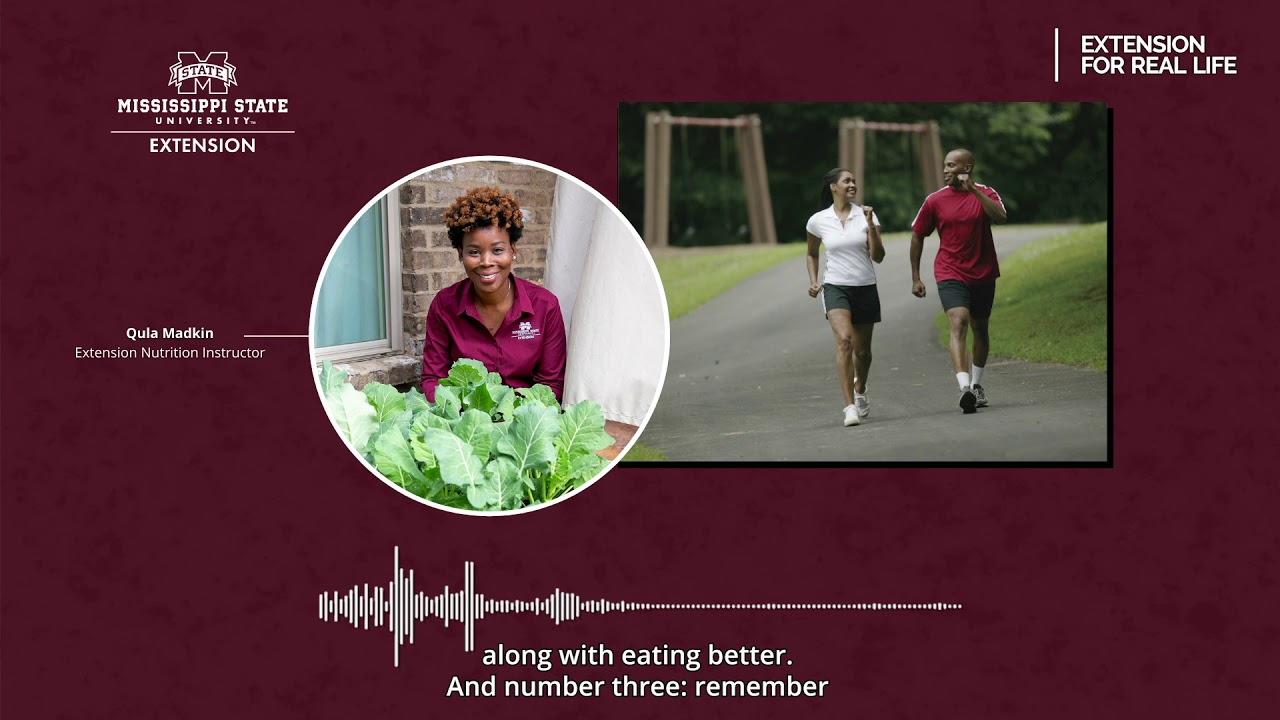
by Qula Madkin, MSU Extension Service This article was updated on 12/29/2025 The new year is the perfect time to start fresh or reboot -- for many, this means setting health and wellness goals like losing weight, eating healthier, and being more physically active. Video by Michaela Parker and Ellen Graves Unfortunately, many of us set goals or resolutions that are not attainable, and we find ourselves setting the same goals year after year with no success. To achieve your goals and make your resolutions a reality, your goals need to be realistic and measurable so you can see the small wins as you make your way to your overall goal. Try breaking big goals into smaller ones. And be specific and realistic about what you are trying to accomplish. For example, if your resolution is to eat healthier, you could set a goal to add three servings of fruit to your diet each week of January. Or you could swap one soda per day with water. These small steps can help you feel accomplished and willing to set more goals. Nutrition and health goals should be individualized, so you need basic information about your health: Blood pressure Blood sugar Cholesterol Waist circumference Weight Ask yourself some questions: How much sleep do I get? How much physical activity do I get each day? How many fruits and vegetables do I eat? How much water do I drink? What is my stress level? Think about what you can add to your plate, such as more vegetables, fruit, whole grains, and lean meat, rather than cutting out whole food groups. Moderation is key! Everyone is different. What may work for one person may not work for another but providing your body with nourishing foods will be a health benefit. Your health is more than a number on a scale. Keep track of your progress, focus on consistency, and remain patient. Success doesn’t happen overnight. Check out our Extension resources to help you achieve your resolutions this year: Join the MSU Extension Nutrition and Health Facebook Group for support, encouragement, and practical tips Extension information sheet 1999, “Self-Care Health Message” MSU Extension's AIM for CHangE connects you with local leaders to address health challenges To learn more about health numbers and what they mean for people with diabetes, visit the American Heart Association website . For more information about healthy eating, visit the U.S. Department of Agriculture My Plate website and the Academy of Nutrition and Dietetics .
- Food Factor: Apple Pie In a Glass
by Ms. Natasha Haynes, MSU Extension Service Some of my favorite winter desserts are fruit-based, including apple pie and apple crisp. But as we begin the new year, I need to get back to healthier eating habits! If you are looking for a bright apple flavor without the calories found in a pie or caramel apple, try this smoothie! A one cup serving is just 90 calories! We used a sweet red apple when we tested this recipe. Next time I might try a Granny Smith apple to see how it would taste with a tart fruit. Apple Pie in a Glass Ingredients: - 1 cup milk, non-fat or low-fat - 1 cup vanilla yogurt, non-fat or low-fat - 2 large apples, peeled and cored - 1/2 teaspoon cinnamon, ground - 1 handful ice cubes Wash hands with soap and water. Wash and peel apples. Remove the core and seeds and cut into 1-inch cubes. Put all ingredients in a blender and blend for 1 minute. Serve immediately. Thanks to UMass Extension’s Nutrition Education Program for this printer-friendly recipe. For behind-the-scenes photos, crew reviews, and terrific kitchen tips, be sure to follow The Food Factor on Facebook, Instagram, and Twitter! And if you like our recipes and videos, we’d love for you to share them with your friends! It really helps!
- Celebrate Super Bowl LV With These Easy Recipes
by Kara Kimbrough The countdown is on for Super Bowl, Sunday in Tampa, Fla. — the 55th anniversary of football's greatest game! After Sunday’s Saints’ loss, you may be disappointed. But there’s no reason you can’t enjoy this annual excuse to indulge in plenty of tailgate party foods on February 7th. From now until then, I’ll share my favorite Super Bowl snacks and decor ideas. Here are two to kick your planning into high gear: Garlicky Cheesy Ham Sliders Ingredients: - 12 count package of Hawaiian rolls - 12 ounces black forest ham, thinly sliced and then shredded - 4 ounce sliced provolone cheese - 4 ounces sliced Mozzarella cheese - 5 ounce package soft garlic and herbs cheese - 6 tablespoons butter - 2 tablespoons finely minced onions - 1 teaspoon yellow mustard - 2 cloves garlic, finely minced or grated Preheat oven to 350 degrees F. Lightly spray a two quart rectangular baking dish with cooking spray and set aside. Using a serrated knife, carefully slice across the rolls, horizontally. Once sliced, keep the rolls connected to each other and lift the entire top section off the bottom section. Add the bottom section of the rolls to the prepared baking dish, and spread half of the garlic and herbs cheese over the cut side. Spread the remaining half of the cheese over the cut side of the top section. Top the bottom section with the shredded sliced ham, then with the slices of cheese. Add the top section of the rolls and set aside. In a small saucepan, add butter, shallots, parsley, mustard and garlic and melt over medium heat until well combined. Stir well, then pour carefully over the top of the rolls in the baking dish. Cover loosely with foil and bake 15 minutes. Remove foil and bake another 10-15 minutes until roll tops are golden brown and cheese is melted. 5 Minute Homemade Salsa Ingredients: - 28 ounce can whole tomatoes , drained - 2 cans diced tomatoes with green chiles - 1/2 cup fresh cilantro - 1/4 cup onion chopped - 1-1/2 tablespoons fresh lime juice (about 1 large lime) - 1 clove garlic , minced - 1/2 teaspoon ground cumin - 1/2 teaspoon sea salt , or more, to taste - Pinch of granulated sugar - 2 teaspoons canned jalapeño peppers Add all ingredients to a food processor and pulse a few times until no large chunks remain. Taste and adjust seasonings if needed, For best flavor, refrigerate salsa for at least one to two hours before serving. Store in the fridge for up to one week.
- Food Factor: Zucchini Fritters
by Ms. Natasha Haynes, MSU Extension Service Zucchini is a versatile and budget-friendly vegetable, and this recipe takes a popular kitchen staple to the next level without a lot of prep time. I like to make these on nights when I want something a little more fancy than sliced zucchini with my meal. It’s also a terrific entrée for your friends or family members who don’t eat meat but will eat dairy and eggs. Crew Review: These fritters are not sweet, like a corn fritter or corn pancake. Zucchini doesn’t have much flavor on its own, so experimenting with different spices might make this recipe more enjoyable. We all liked these, but they were pretty bland. Some salsa and fat-free sour cream on top might also be a good option. Zucchini Fritters Ingredients: - Cooking spray - 2 medium zucchinis - 1/2 cup cheddar cheese, shredded, reduced-fat - 1 teaspoon garlic powder - 1/2 teaspoon black pepper - 2 eggs - 1 cup baking mix, low-fat Wash hands with soap and water. Gently rub zucchini under cold running water. Cut off the ends and, using a box grater or food processor, shred the zucchini. You should have 2 cups shredded zucchini. In a large bowl, mix zucchini, cheese and seasonings. Stir in eggs. Wash your hands after adding the eggs. Add baking mix and mix until well combined. Heat a large skillet on medium heat. Spray with cooking spray. Place 2 tablespoons of mixture in the skillet. Cook until lightly browned, 3 to 4 minutes on each side. Repeat with remaining batter. Thanks to Get Fresh! for this recipe. Get Fresh! is an initiative of the Chickasaw Nation. For behind-the-scenes photos, crew reviews, and terrific kitchen tips, be sure to follow The Food Factor on Facebook, Instagram, and Twitter!
- Sebastiani Wines and Quicela Creek Wines
by The Wine Guys, Tom Marquardt and Patrick Darr When it comes to Sonoma County history, few wineries have the legacy of Sebastiani. Founded in the late 19th century by Samuele Sebastiani, the winery was one of many launched by Italian immigrants. It was passed down to several generations but ran into a buzz saw when a highly publicized family dispute broke the harmony in the mid 1980s. Sam Sebastiani left to make his own wine under the Viansa label and now La Chertosa. His brother Don left after selling part of the brand to Constellation and currently makes wines as Don Sebastiani & Sons. Finally, in 2008 the family sold Sebastiani to Bill Foley. Painful transitions like this can’t help but affect quality, but it’s a story we’ve heard before. We have tasted Sebastiani wines for more than two decades and there seemed to be a stage when the brand fell into an uninspiring funk. Foley, who built a reputation on making fine wine and who has been on a buying spree, has restored the luster to the Sebastiani name. We recently shared a video screen with Mark Beaman, Sebastiani’s winemaker, and Sarah Quider, vice president of winemaking at Foley Family Wines. You don’t think of Sonoma County for its cabernet sauvignons because growing conditions can be inhospitably hot. But vineyards close to San Pablo Bay benefit from a cooling, maritime influence. Quider said that an early bud break gives grapes a longer hang time and produces wines with higher acidity, lower alcohol and brighter fruit. That separates them from the bolder, higher alcohol cabernets made in Napa Valley. Foley reduced the number of wines being made by Sebastiani, replanted estate vineyards with a focus on clones and rootstocks and limited yields. The four cabernets we tasted were exceptional, particularly the 2017 Sebastiani Cherryblock Cabernet Sauvignon, a flagship wine made mostly from grapes grown from the best blocks of its Old Vine Vineyard. Dark in color, it has generous blackberry and spice aromas following by plum and dark berry fruit flavors with a hint of tobacco. The blend includes 12 percent merlot and three percent malbec. Our favorite wine was the 2017 Sebastiani Old Vine Cabernet Sauvignon ($72). Planted in 1961, the vineyard yields grapes stubbornly. Beaman said the vines are not sprinters, but marathon runners who hit their stride and produce wines with softer tannins. This one has a cassis nose and layers of cherry cola and blackberry flavors with fine tannins and a long finish. The 2017 Sebastiani Gravel Bed Cabernet Sauvignon ($72), blended with just enough malbec to make a difference, has a unique and intriguing character. Fruit forward with black cherry, blackberry notes and a hint of dried rosemary and espresso. The best value is the 2018 Sebastiani Alexander Valley Cabernet Sauvignon ($40). Concentrated cranberry, blackberry and red cherry flavors with good acidity and a bright, young fruit character. Sebastiani also makes a good, oaky chardonnay for a very reasonable $24 a bottle and a merlot for $24. Quicela Creek Not many Washington producers have the history or the prestige of Quilcela Creek in the Columbia Valley. Founded by Alexander and Jeannette Golitzin, its first vintage was in 1979 and its premium red wines quickly gained attention beyond the state’s border. The family had a bit of notoriety then. Alexander’s father was a descendant of the winemaker to Russian Czar Nicholas II but he and his wife had to flee Russia at the outbreak of the Russian Revolution in 1917. Alexander, born in Paris, came with his family to California after World War II. One of the first person’s they reunited with was Alexander’s uncle, the legendary Andre Tchelistceff, a Russian émigré. The family moved to Washington State in 1967 where Alexander worked as a chemical engineer. The more he tasted the red wines from the region, the more he realized they weren’t as good as those from his uncle’s winery in Napa Valley. He launched Quilceda Creek with the goal of making world-class cabernet sauvignons. About to release its 40th vintage of Columbia Valley cabernet sauvignon, Quilceda Creek is producing four astounding, albeit expensive, wines that fit into the premium category. These are age-worthy wines that attack the palate. According to Paul Golitzin, winemaker since 1992, the prices offer “incredible value for cabernet lovers compared to wines of similar caliber in regions such as Bordeaux and Napa.” He said costs are driven in part by the challenges of farming the Horse Heaven Hills and Red Mountain AVAs. Only 10,000 cases are produced annually. Members of the Quilceda Creek’s mailing list are given preference in sales – the average wait time to join the list is about a year. After the pre-release sales close, some of the wines are released commercially. “We strive to be in a league of our own,” Golitzin said. The proof is in the bottle: The 2017 Quilceda Creek “Palengat” Proprietary Red Wine and the 2017 “CVR” Columbia Valley Red Wine are extraordinary. Wine picks Oak Farm Vineyards Mohr-Frye Ranches Block 417 Zinfandel ($35). From Lodi, this zinfandel has a lighter body with plum and cherry notes. This zinfandel has more restraint than many Lodi fruit bombs. Mettler Family Vineyards Lodi Petite Sirah 2018 ($25). Classic opaque color portends serious wine ahead, but actually this has both elegance and body. Plum and blackberry aromas hand off to concentrated blackberry flavors with a hint of pepper and licorice. Scaia Garganega/Chardonnay 2018 ($14). This near-even blend from Italy is fresh and unadorned, thanks to its stainless-steel fermentation. A great aperitif, it has a citrus and tropical fruit aroma with apple and mango flavors. Tenuta Sant’Antnio Nanfre Valpolicella 2018 ($15). This blend of corvina (70 percent) and rondinella has a refreshing, simple quality that makes it a great complement to appetizers and pasta dishes. Vibrant red fruit character.
- Celebrate National Oatmeal Month With These Recipes
by Paige McKay As we've said before, it seems like each day and month is just another "national day" of some sort. January is National Oatmeal Month, and oats/oatmeal can be used for more things than just a simple breakfast dish. Here are some tasty recipes that we love that incorporate oats. Brownie Batter Overnight Protein Oats Banana + Almond Butter Oatmeal Cups Stove Top Fudgy Oatmeal Pudding Creme Brulee Oatmeal with Ginger Cream Healthy Oatmeal Date Breakfast Cookies
- Soup's On! Salvation Army of Jackson Set to Host 24th Annual Souper Bowl
The Salvation Army of Jackson will host its 24th annual SOUPer Bowl event on Sunday, February 7th, from 11 am to 1 pm. This event, which takes place on Super Bowl Sunday, features soups and desserts donated by local restaurants and served by volunteer local celebrity servers. Due to COVID regulations, this year’s SOUPer Bowl will look a little different as the Salvation Army aims to keep our staff, volunteers, and guests safe. Soups and desserts will be available in pre-packaged single serving containers which can then be taken to-go or eaten in designated dining areas with socially distanced tables. Silent auction items will be available for in person viewing, but all bidding will take place online to allow participation for guests not wishing to stay in person. Each adult ticket purchased also includes a handmade, collectible bowl from The Mustard Seed. Supply is limited, so get your ticket today! If you would like to help Salvation Army make this event a success, please consider sponsoring or providing items/gift cards for our silent auction. Funds raised by this event help to feed our hungry neighbors in Jackson. Email taylor.hart@uss.salvationarmy.org for more information.
- Girl Scout Cookie Season is Finally Here
JACKSON, Miss. - Girl Scouts of the USA (GSUSA) launched the 2021 Girl Scout Cookie season on Saturday, January 9th, when Girl Scouts across Mississippi and the United States become entrepreneurs as they earn money to power their own leadership opportunities and adventures. During the time of our national pandemic, Girl Scouts have plans to safely participate in the Cookie Program. The Girl Scout Cookie Program teaches girls about entrepreneurship as they have fun learning essential skills like money management, public speaking and decision making, which set them up for a lifetime of success. Nine in ten Girl Scouts say the cookie program has built their entrepreneurship skills and their interest in pursuing entrepreneurship as a career path—so every cookie purchase is an investment in the world-changing business leaders of tomorrow. What’s more, each and every purchase stays local to power amazing experiences and leadership opportunities for girls in communities across the United States. GSUSA’s refreshed cookie packaging (with the same great taste!) continues to emphasize what the cookie program is all about, and the updated images feature current Girl Scouts taking part in a diverse range of experiences available to members—from adventure-packed camping and canoeing, to exploring space science and designing robots, to taking action to improve their communities. Every purchase of Girl Scout Cookies makes experiences like these possible for girls in your local community. This is the second year of the new Girl Scout Cookie, “Lemon-Ups™,” a crispy lemon cookie baked with messages inspired by Girl Scout entrepreneurs. “I am a go-getter,” and “I am an innovator,” are among the eight phrases that bring the experience of Girl Scouting to life. The variety replaces the Savannah Smiles® cookie in markets where it was offered. “Everyone loves Girl Scout Cookies—but the program is about so much more than cookies,” said GSGMS CEO Becky Traweek. “Girls learn about entrepreneurship as they run their own cookie businesses. The important business and financial literacy skills girls learn through the program are proven to build their leadership skills and position them for success in the future. When you purchase cookies you are helping girls power their Girl Scout experience and you’re supporting female entrepreneurs.” Girl Scout Cookies can be purchased from a registered Girl Scout. To find Girl Scouts selling cookies near you, visit www.gsgms.org or use the official Girl Scout Cookie Finder app, free on iOS and Android devices. Follow us on Facebook and Instagram.
- Enjoy Hearty Red Wines During This Time of Year
by The Wine Guys, Tom Marquardt and Patrick Darr For many of us, winter means a blazing fireplace and Sunday stews. Those of us planning to be in warmer climates, it’s time for a jacket and maybe a brisk walk in the morning. No matter where you live, winter is the season to move to heartier red wines. There’s probably no other grape variety as American as Zinfandel, a European grape variety introduced in the West Coast during the Gold Rush of the mid 19th century. A prolific grape of murky origin, Zinfandel vineyards baked in California’s hot sun and produced a lot of grapes for jug wines. They served the home winemaker quite well during Prohibition when eager amateur winemakers preferred zinfandel because it was the earliest to ripen. Not only did Zinfandel survive 13 years of this failed era, but its vineyards were largely spared the 1990s’ phylloxera scourge that decimated vineyards planted with old world varieties. Thus, many of the existing Zinfandel vineyards, grown on St. George rootstock, are more than 100 years old. Today, vineyards planted with St. George rootstock in the 1920s continue to thrive in places like Lodi, where sandy soil acted as an irritant to the bedeviling root louse. Old vines have reduced vigor as they age, but the grapes are often intense. These vines look more like trees – known as “lodi ladders” -- because they were planted by arborists instead of viticulturists. Kevin Phillips of Phillips Farms grows grapes on the historic Bechthold Vineyard, first planted in 1886. He said of old vines, “When it’s said and done, they’re a pain in the ass. But I adore them. They just require a lot more care.” Zinfandel Advocates and Producers is on a quest to bring attention and preservation to these legendary Zinfandel vineyards. The value of getting the last breath from withering vines may be more about pride than it is about producing superior wine. Those winemakers with whom we recently spoke admitted that it would grieve them to abandon a vineyard established by pioneers. Robert Biale, owner and president of Robert Biale Vineyards in Napa Valley, said he is part preservationist. He draws grapes from the R.W. Moore Vineyard which was planted by a seafarer in 1905. “Zinfandel has such a long, deep history – more than cabernet sauvignon and pinot noir. We’re just lucky to have this kind of urgency to keep them in the ground,” he said. Coaxing old, gnarly grape vines to produce fruit each year is akin to coaxing an old dog to chase a ball. The desire isn’t there, but a little encouragement goes a long way. Each vine has its own personality, so it is incumbent on experienced hands to patiently care for it. That’s why you won’t find single-vineyard Zinfandels in the portfolios of large commercial producers who look for bigger yields. Why bother with these vines? Old Zinfandel vines produce wine of great concentration and suppleness. Every time we taste one of these giants, we taste terroir, history and, of course, layers of beautiful fruit. These single-vineyard Zinfandels are very different from one another but their intensity puts them above the pack. They are very special. Michael David Ancient Vine Bechthold Vineyard Cinsaut 2018 ($25). Philips said Michael David has been buying grapes from this vineyard since 2003. He compared the divisions of this vineyard to the Game of Thrones – sections are designated for each winemaker with some selling some of their harvest to other producers. We couldn’t get enough of the juicy cherry and strawberry flavors in this utterly delicious wine. Maitre de Chai Stampede Vineyard Clement Hills Zinfandel 2018 ($35). Grower Jeff Perlegos said the winemakers like this fruit because they can achieve “fairly ripe flavors and low alcohol and high acidity.” There is a lot of whole-cluster fermentation in this medium-body Zinfandel. It’s not the fruit bomb you expect from Zinfandel, which is a relief. Ripe plum and raspberry flavors with balanced acidity. McCay Cellars TruLux Vineyard Zinfandel 2016 ($35). This vineyard was planted in the 1940s. Raspberry, blueberry mix with graphite to evince an alluring bouquet. Blackberries and plums with hints of black pepper. Turley Wine Cellars Kirschenmann Zinfandel 2018 ($32). Tegan Passalacqua, grower and winemaker, said pickers make several passes through the vineyard during harvest and the combination brings different layers of fruit and more complexity. Perfumy, floral nose with oodles of sweet cherry and blueberry flavors. Biale Vineyards R.W. Moore Vineyard Zinfandel 2018 ($62). Biale attributes the success of this gem to the layers of organic material that gives the Oak Knoll soil a “fluffy, gravelly” composition. This wine has a soft but intense structure with plum and earth notes. Ridge Lytton Springs Zinfandel 2018 ($45). This producer has been making legendary Zinfandel for years. Winemaker John Olney, like the others, feels lucky to have the Lytton Springs vineyard. The wine is a field blend of Zinfandel, Petite Sirah, Carignane and Mataro. It is a lively and fresh wine with raspberry and plum flavors and effusive floral aromas. Louis M. Martini Monte Rosso Vineyard Gnarly Vines Zinfandel 2017 ($75). The name Louis Martini is legendary in itself but so is the Monte Rosso Vineyard. Michael Eddy, director of winemaking, said Martini – a “pretty scrappy dude” – bought the Red Mountain Vineyard in 1938. Eddy points to the red soil that gives the mountain its name and the wine its acidity and ripeness. Lots of dusty earth notes with spice punctuating the dark fruit flavor. The wine is like eating a slice of raspberry pie with juice oozing out the side. Concentrated, full-bodied and long in the finish with a hint of cooking spices. This epic wine is worth every penny. Klinker Brick Rauser Vineyard Carignane 2017 ($25). More than Zinfandel is grown on old vines. This Carignane from 110-year-old vines is generous in forward cherry, cassis and blackberry fruit. Hints of clove and oak. Wine picks Raeburn Winery Russian River Chardonnay 2019 ($20). This is one of the best bargains in chardonnay. It is a full assault of generous apple and pear flavors with oak-driven notes of vanilla and toast. Nice, round mouthfeel. Be Human Red Blend 2018 ($17). The name alone is reason to pick up a bottle, but inside is a barrelful of fresh, exuberant cherry and blackberry flavors. From the Columbia Valley, the wine from Aquilini Family Wines is a blend of cabernet sauvignon, merlot, Malbec and cabernet franc. We also like the producer’s Dixie & Bass Cabernet Sauvignon 2018 ($18). Sonoma-Cutrer Russian River Valley Pinot Noir 2018 ($35). This medium-body, lush pinot noir exudes juicy cherry flavors and a dash of spice. Photo by Kirschenmann Vineyard
- Enjoy Lunch for Under $10 at These Local Jackson Spots
For a delicious and filling lunch that won't break the bank, check out some of our favorite local lunch spots in Jackson on this week's Sipp Jackson blog post!
- Food Factor: So Many Oils, So Many Options
by Ms. Natasha Haynes, MSU Extension Service Walking down an aisle in the grocery store looking at all the cooking oils can be an overwhelming experience, which one should you buy? Well, before your next trip to the grocery store check out this week’s episode of The Food Factor, as MSU Extension’s Natasha Haynes gives us some insight into cooking oils.