1733 results found with an empty search
- UPS & iHeart Media Holiday Food Drive for Mississippi Food Network Going on Today
JACKSON, Miss. – The Mississippi Food Network is hosting a food drive at five area Krogers today between 9:30 a.m. and 5 p.m. Visit the Kroger at Castlewoods, Dogwood, I-55 N, Colony Crossing, or Clinton to participate. Take a look at the list of items needed and consider dropping off a few things on the list to help hungry Mississippians this holiday season. Monetary donations can also be made. For more information, visit here.
- Celebrate Three Years with Seafood R'evolution
RIDGELAND, Miss. – On November 17th, Seafood R’evolution will celebrate another R’evolutionary year in Ridgeland, Mississippi. In honor of three years of good food and good friends, Chefs John Folse and Rick Tramonto invite you to enjoy a four-course prix fixe birthday dinner menu. This special menu will be available Sunday, November 12th through Saturday, November 18th. The menu includes Oysters Bienville or Pickled Squash and Prosciutto Toast for the appetizer, followed by Italian Brunswick Stew or the House Salad. For the entrée, guests will have the choice of Blackened Redfish with Crawfish and Tomato Risotto or Braised Beef Short Rib with Bubble ‘n’ Squeak. Guests will choose between a Pecan Dream Bar or the R’evolution Strawberry Birthday Cake for dessert. All for $60 per person, excluding tax and gratuity. Birthdays are momentous occasions, not because they are an excuse to receive presents and eat birthday cake, but because they are a time to reflect, give thanks, and celebrate. “With Mississippi celebrating its bicentennial this year, I feel truly honored to call Mississippi my second home,” said Chef John Folse, executive chef and managing partner of Seafood R’evolution. “The great people of Mississippi have welcomed Rick and myself with open arms, and we are so proud of and grateful for our first three years in Ridgeland at Seafood R’evolution.” Seafood R’evolution is open Monday through Thursday from 11 a.m. to 9 p.m.; Friday and Saturday from 11 a.m. to 10 p.m.; and on Sunday from 10:30 a.m. to 8 p.m. For more information about the menu or to make reservations, contact Seafood R’evolution at 601-853-3474 or visit seafoodrevolution.com.
- The Fresh Market Offers Seasonal Inspiration During "Taste of the Holidays"
The most delicious time of the year is here! For those looking to celebrate the sweet and savory flavors of the season, The Fresh Market is the destination for fresh and delicious holiday fare! Guests can prep their palettes at the “Taste of the Holidays” Sampling Event on Saturday, November 11th, and Sunday, November 12th, from noon to 4 p.m. at all 176 store locations. The specialty grocer has selected holiday menu items available for sampling to spark meal ideas in advance of the Thanksgiving feast. Guests are invited to enjoy tastes of The Fresh Market’s mouthwatering, vegetarian-fed, 100 percent antibiotic-free turkey – never frozen and unmatched in taste and tenderness. Also featured at the event will be The Fresh Market’s spiral-sliced honey ham, double-glazed with honey and brown sugar and smoked over hickory hardwood – prepared to conveniently heat and serve at home. Guests will be able to savor sides during Taste of the Holidays, including The Fresh Market’s signature cranberry relish with just the right balance of sweet and tart. Perfectly spiced pumpkin pie, baked fresh in-store, will end the event on a sweet note – along with other traditional seasonal favorites made simple for the busy holiday season. Now through Monday, November 20th, The Fresh Market is offering holiday meal ordering for a simplified, foolproof Thanksgiving feast. The Fresh Market’s holiday meal ordering program is specially designed for guests who crave delicious, gourmet dishes prepared to perfection, as well as the comfort and convenience of a personalized order ready, reserved and waiting. For those who savor the experience of cooking their Thanksgiving meal from scratch, The Fresh Market offers choices such as fresh turkey, beef tenderloin and lamb that can be purchased and prepared at home according to favorite family recipes. From a deluxe holiday dinner that serves 12-14 to a selection of à la carte items, the 2017 holiday meal ordering program delivers maximum flavor and minimum fuss to satisfy everyone at the Thanksgiving table. After placing an order online or in-store, guests may pick up a holiday spread at their neighborhood store by 10 p.m. on Tuesday, November 21 and Wednesday, November 22 and, in all store locations outside of Hingham, MA, by 3 p.m. on Thursday, November 23. Orders can be placed at thefreshmarket.com/holiday-meals.
- Food and Wine Pairing Ideas for Memorable Holiday Meals
To create a delicious and memorable experience at your holiday gathering, seek some inspiration from the vintners and chefs of one of the most impressive wine and food destinations worldwide, Napa Valley. One of the iconic winemaking families from the Valley, the Cakebreads, share their recommendations. When it comes to the red wine, the fresh, fragrant aromas of red and black cherry, raspberry, and tea-leaf spice spice found in the 2015 Two Creeks Pinot Noir (SRP $44) can provide an elegant accompaniment to your meal. This cool-climate Pinot Noir complements seared tuna, roast turkey, pork tenderloin, and hearty root vegetables. For your white wine, consider the vivid creamy aromas of green and golden apple, pear, and citrus with supporting scents of oak spice found in the Napa Valley Chardonnay 2015 (SRP $40), which pairs nicely with chicken, shellfish, seafood, and grilled salads. Both wines are produced at Cakebread Cellars, a family-owned winery since 1973, committed to craftsmanship. Their premier culinary program makes cooking and pairing wines easy. Take a cue from their playbook by enjoying the chardonnay selection with their recipe for Harissa Spiked Roast Crab with Spicy Red Pepper Sauce. Harissa Spiked Roast Crab with Spicy Red Pepper Sauce 3 large Dungeness crabs, cooked, cleaned, and cracked 3 tablespoons olive oil 1-1/2 tablespoons Whole Spice harissa spice blend (a mix of dried chilies, cumin, coriander, and garlic) 3-4 cloves garlic, mashed 2 tablespoons orange juice 1 tablespoon lime juice 2 tablespoons cilantro, chopped 1 cup mayonnaise 1/3 cup roasted red peppers 1 teaspoon Sriracha hot sauce Preheat oven to 450 degrees F. Place crab in the bottom of a large casserole dish, large enough for all crabs to fit in an even layer. Crack all leg shells. The body should be broken up into about six smaller pieces so that the marinade can seep into the meat. To create the marinade, in a small bowl, combine the olive oil, harissa spice mix, mashed garlic cloves, 1 tablespoon orange juice, and 1 teaspoon of lime juice and stir. Pour marinade over the crabs and toss with your hands to evenly coat. Be sure they are well coated. Place in the middle of the preheated oven. Roast for 10-12 minutes. Flip once or twice so that it cooks evenly. While the crabs are roasting, place the mayonnaise, red peppers, hot sauce, 1 table spoon of orange juice, and 1 teaspoon of lime juice in a blender jar. Puree until smooth. To serve, place casserole in the center of the table for guests to help themselves, and pass bowls of the red pepper sauce. Serve with lots of napkins. Courtesy of State Point Media
- Extra Halloween Candy Comes in Handy for Making Desserts
If you bought too much Halloween candy or your kids have an overabundance from trick-or-treating, don't let it go to waste– transform it into an even better dessert. Here are a few ideas! Snickers Candy Bar Brownie Bites Chocolate Peanut Butter Bark Candy Campfire Candy Crunch Churro Burritos Candy Bar Pie Chocolate Peanut Butter Kit Kat Crunch Bars
- Not All Recipes Have To Be Made From Scratch
Just when you thought the culinary world had gone stale, a scandal of sorts recently hit the internet. It occurred in another state, but involved one of Mississippi’s most valuable resources. After reading about the incident in which fast food chicken was substituted in a chicken and waffles dish, I felt proud knowing this would never happen here. Mississippi chefs are born knowing how to fry chicken to perfection. On a positive note, it caused me to recycle recipes with store-bought or unusual ingredients. At a California restaurant, an alert diner spotted employees carrying boxes of Popeye’s Chicken into the kitchen. The timing of his recent order of chicken and waffles at a restaurant whose ads proclaim they “stay local” and “everything is made here,” and the arrival of fast food chicken boxes was more than a little suspect. The owner confessed, but justified her actions by calling Popeye’s “the best fried chicken anywhere.” I could live with her answer, except that in my opinion, KFC slightly edges out Popeye’s in the fast food chicken race. However, her statement that the restaurant is not set up to fry chicken was further proof this would never happen in Mississippi, where a fryer is an integral part of most kitchens. Despite her subterfuge, I did feel bad for the restaurateur. After all, her restaurant is in a state known for its obsession with healthy eating. According to California friends, adding chopped meat or a light dressing to a kale salad constitutes a hearty meal. No wonder fried chicken isn’t in her culinary wheelhouse. While reading the story, I realized there are many delicious recipes that rely on store-bought ingredients. I love Tortellini Meatball Soup, but I don’t always have time to roll and bake meatballs, make homemade pasta, or boil chicken for broth. Picking up a bag of frozen meatballs, box of organic chicken broth, and fresh cheese tortellini from the supermarket means I can sample one of my favorite soups in less than 30 minutes. I can make time-intensive jambalaya from scratch, but don’t always have a few spare hours. When time is short, I reach for a box of jambalaya mix. After browning a pound of sliced sausage in a little olive oil, I add a 28-ounce can of diced, un-drained tomatoes along with a half cup of water, and bring the mixture to a boil. The rice mix is added to the pan, covered, and cooked for the recommended time on the box. Finally, a pound of frozen shrimp that has been defrosted is added at the end. The mixture is then cooked for 3 to 4 more minutes until the shrimp is cooked. Other store-bought-intensive dishes include homemade calzones from packaged pie dough, chopped deli meat, and cheeses; French bread or biscuit pizzas courtesy of a jar of pizza sauce, deli cheese, and sliced pepperoni; baked ravioli using a package of fresh pasta, jar of Alfredo sauce and frozen peas and rustic apple tart made with puff pastry and pie filling. Last weekend, at the last minute I was asked to bring a dessert to a Southern Miss tailgate party. In need of one that would be easy to pick up and eat without a fork, I whipped up a recipe that triples as a dessert, coffee break snack or breakfast-on-the-go. It’s made from scratch, but is deceptive in its own way. A brown top and coarse texture lends it to be labeled a different type of bread. It’s not overly sweet, but “Looks, But Doesn’t Taste Like Cornbread” Cake was a hit on the dessert table. “Looks, But Doesn’t Taste Like Cornbread” Cake 4 large eggs 1 cup brown sugar 1 cup granulated sugar 1 cup canola oil or a stick of melted butter 1-1/2 cups self-rising flour, sifted 1 teaspoon vanilla or your favorite flavoring (lemon or almond) 1 cup chopped pecans, slightly toasted Powdered sugar for dusting Preheat oven to 350 degrees F and spray a 9-by-13-inch baking pan with Bake Easy. (I used the Perfect Brownie Pan). In a large mixing bowl, add eggs one at a time, lightly beating after each addition. Then, add remaining ingredients in order listed. Pour into pan and bake 30 to 35 minutes, or until top is lightly browned and toothpick comes out clean. Remove from pan, cut into squares, and dust lightly with powdered sugar.
- Kale, Cabbage Are Pretty and Delicious in Winter
Red selections of ornamental kale and cabbage are especially beautiful in winter, as seen with this red cabbage displaying a beautiful edible head. (Photo by MSU Extension/Gary Bachman) This year, I’m getting an early start on my ornamental kale and cabbage planting for the fall. A couple of weeks ago, I found these plants being marketed in variety packs, so I picked up a selection of kale and cabbage. What an easy way to select plants for your landscape this weekend.These plants are not very fussy and will grow all winter, displaying their vibrant colors. Ornamental kale and cabbage are a can’t miss choice for cool season color. While these plants are marketed as ornamentals and may not be as flavorful as the culinary varieties, I’ve found them perfectly acceptable for baked kale and cabbage chips. If you plant to eat them, try to start your own plants from seed. It’s really quite easy. You may be surprised to learn that ornamental kale and cabbage belong to the same species. Ornamental cabbage usually refers to selections that have smooth and more or less unruffled leaves. Kale, on the other hand, has ruffled, textured leaves, and many have feathered leaf edges. This, in my opinion, makes ornamental kale more interesting and cabbage more stabilizing in the winter landscape. There are many different colors and leaf textures to add landscape interest, so don’t plant a single type. Mix and match for increased visual interest in your landscape. A really great idea I came across at the garden center and immediately bought were transplant pots with different culinary kale and cabbage varieties already growing in them. Called Simply Salad Storm Mix, these pots had both green- and red-leafed selections. The directions recommended harvesting leaves from the outside and letting the plants continue to grow more. This will be an easy way to get some fresh greens all winter long. Remember that droughty weather can happen in the winter, and kale and cabbage like consistent soil moisture. A layer of mulch can help by conserving soil moisture. But don’t forget that cabbage and kale don’t like “wet feet” either, so good bed drainage is essential. Some of the best growth and performance I get is by planting kale and cabbage in special, self-watering containers, which, in case you forgot, is my favorite home growing system. I really like seeing curly kale destined for a winter recipe growing lined up in these containers. While this is a variety typically grown for food, its ruffled and crinkled edges look good right up to harvest day. Ornamental cabbage and kale are actually fairly heavy feeders. I like to add a tablespoon of a good slow-release fertilizer into each planting hole to get the plants off to a great start. On a monthly schedule, I apply a water-soluble fertilizer to keep the plants healthy and growing strong. Try this easy kale chip recipe. Clean the leaves, and remove the large midrib from your kale. Mix with a little extra virgin olive oil and sea salt, and then bake at 240 degrees for about 45 minutes.
- Get the Most Bang for Your Buck With Pinot Noir
Pinot noir has always competed with cabernet sauvignon as the most noble grape in the world. While cabernet sauvignon is one of five grapes that goes into the best red wine of Bordeaux, pinot noir stands alone as the only grape that goes into red burgundies. It doesn’t rely on other grapes to give the wine color, flavor, complexity and acidity. Pinot noir's exclusivity isn't the only challenge either. While the red varieties of Bordeaux are relatively easy to grow, pinot noir’s thin skins make it more susceptible to disease and is highly influenced by temperature and rain. Many producers have given up on the grape after suffering severe crop losses. These difficulties influence prices; most great burgundies cost hundreds of dollars and even those made in California and Oregon can easily approach $100 -- all the more reason to appreciate an inexpensive pinot noir. In recent weeks we have found several delicious pinot noirs for under $40. Although that may sound expensive for most of you, the truth is that these wines are moderately priced. They may not have the character and complexity of the more expensve pinot noirs, but they are delicious nonetheless. Here are several we recommend: La Crema Sonoma Coast Pinot Noir 2014 ($23). The grapes were primarily fermented in open-top tanks and ten punched down several times a day to give the wine intense, complex aromas and flavors. We like the earthy character of the wine and its effusive strawberry, cola flavors. Hints of chocolate and spice. Hahn SLH Pinot Noir 2015 ($30). The initials represent the three vineyards – Smith, Lone Oak, and Hook – in this tasty blend from Santa Lucia Highlands. Bright cherry character and a dash of mushrooms and spice. Sanford Sta. Rita Hills Pinot Noir 2014 ($35). A blend of eight different clones, this reasonably priced pinot noir still expresses the AVA's fruit profile. Very understated. J. Lohr Fog’s Reach Pinot Noir 2014 ($35). Lohr extracts more fruit from his pinot noir than any California producer we know. With 1,300 acres of Arroyo Seco and Santa Lucia Highlands’ vineyards at its disposal, it can make consistently good pinot noir year to year. Cline Sonoma County Pinot Noir 2015 ($17). Cline Family Cellars has developed a well-earned reputation for its portfolio of value wines. Known first for its zinfandels, it has a pinot noir made from estate grown grapes in Sonoma Coast. Pumped over during fermentation to extract color and flavor, the grapes have created a simple but balanced pinot noir with red berry flavors and nuances of vanillin oak. Decoy Sonoma County Pinot Noir 2015 ($25). Violet and strawberry aromas start off a succulent pinot noir that shows off cassis and ripe cherry flavors. Soft mouthfeel and long in the finish. Jackson Estate Outland Ridge Pinot Noir 2014 ($32). You can always count on Kendall-Jackson to deliver a balanced wine. This pinot noir from the Anderson Valley comes from vineyards that struggle through large volcanic rock. The result is intense strawberry and raspberry fruit flavors that linger on the palate. Cambria Benchbreak Pinot Noir 2014 ($25). We loved this richly textured wine with extracted cherry and cranberry fruit flavors and hints of mushrooms and spice. Dark in color, it hints of blueberries on the nose. We bet you can’t stop at one glass. Great value. Dreaming Tree California Pinot Noir 2015 ($15). By using grapes from all over California and not a specific vineyard, winemaker Sean McKenzie concentrates on just making a decent pinot noir for a decent price. With classic black cherry flavors and medium body, there is nothing complicated here. Trinity Hill's Pinot Noir 2015 ($17). Using grapes from three cool-climate vineyards in Southern Hawke's Bay in New Zealand, the producer shows off an elegant, fruit-energized wine with a spice nose and earthy, raspberry flavors. MacMurray Estate Vineyards Reserve Pinot Noir 2014 ($43). This reserve from the Russian River Valley is a big step up from the producer’s uninspiring, regular pinot noir. The reserve is a beautiful wine is a more opulent wine with rich texture and layered flavors of cherries, boysenberries and cloves. Ron Rubin Russian River Valley Pinot Noir 2016 ($25). This region benefits from morning fog and cool coastal breezes which cools the grapes and allows for longer hang time on the vine. That retains the acidity and allows grapes to fully mature. Red berry notes with a hint of vanilla. Viansa Carneros Reserve Pinot Noir 2013 ($45). A decent price for a reserve pinot noir, this gem reflects the cherry and plum qualities in a Carneros wine, plus the hint of licorice we commonly find in this region's wines. WindVane Carneros Pinot Noir 2015 ($45). A relatively new wine from cava producer Freixenet USA, this pinot noir grapes gets two days of cold soaking to extract more color – Carneros isn't known for its naturally dark colors. Black cherry notes, a classic velvet mouthfeel and a dash of vanilla. Cultivate Pinot Noir 2014 ($28). Youthful raspberry and pomegranate flavors with a long, refreshing finish. WINE PICKS Left Coast Cellars White Pinot Noir Willamette Valley 2016 ($24). This Oregon white wine expresses luscious cherry and ripe pear flavors in the nose and mouth. A perennial favorite of ours, this unique wine continues to please. Concha Y Toro Gran Reserva Serie Riberas Malbec Marchigue 2013 ($17). This Chilean value has expressive berry and plum notes and a bare hint of oak. Drink with red meat dishes. Ruffino Modus Toscana IGT 2013 ($30). A slight change in the grape portions hasn’t changed the appeal of this gem from a reliable producer. An equal blend of sangiovese, cabernet sauvignon and merlot still retains its Italian feel. Ripe cherry and leather notes dominate this fruity table wine whose style straddles the old and new worlds.
- Celebrate National Candy Corn Day
Candy corn: you either love it or you hate it. Today is for those that love it because it's National Candy Corn Day. Here are some fun recipes to celebrate today, or even serve up tomorrow for Halloween. 15 Minute Cereal Bars Candy Corn Popcorn Balls Spice Cake Batter Stuffed Fall Bark Candy Corn Pudding
- The Food Factor: Pumpkin Spice Everything
The Food Factor presents the best, research-based information related to food, nutrition, diet, and healthy lifestyles. Our host, Natasha Haynes, is an experienced educator with the Mississippi State University Extension Service who has spent over 15 years sharing tips for healthy living with Mississippians of all ages. She brings food science down to earth and makes it useful for today’s families. Click here to view previously aired shows, and be sure to follow The Food Factor on Facebook and Twitter.
- UM Nutrition Professor Develops Food-based STEM Curriculum
OXFORD, Miss. – Kids are accustomed to hearing adults tell them, "Don't play with your food," but they won't hear it from David H. Holben. Holben is a University of Mississippi professor of nutrition and hospitality management who wants children to learn through an initiative aimed at using food as a tool to teach mathematics and science. Holben is a part of the Deep South Network, a research collective that recently received a $1.2 million grant from the National Institutes of Health to support the science, technology, engineering and math learning pipeline for underserved minority youth through informal science learning environments with a curriculum built around food. East Carolina University's Melani Duffrin, a former doctoral student of Holben's, leads the effort with researchers from UM, the universities of Alabama at Birmingham and South Carolina, Auburn University and Georgia State University who are working together to enhance access to learning opportunities and favorably affect science attitudes and career decisions in the health professions among this underrepresented population. "Our partnership with Mississippi and other Deep South partners is to collect larger regional data to inform efficient, affordable and effective positive impact practices in creating a science culture for underserved youth," Duffrin said. "Our goal of expanding the program has a broad application of building stronger partnerships between K-12 teachers and health professionals to achieve an increase in health science literacy for the general population and to better prepare underserved populations in pursuing science careers." Duffrin successfully developed and implemented food-based curricula designed for students in third grade through college. The Food, Math and Science Teaching Enhancement Resource, or FoodMASTER, program uses hands-on, inquiry-based learning activities to help students learn science, math and nutrition concepts. Students who have participated in the curriculum became increasingly interested in the subject matter of food and were able to conduct scientific observations. "David Holben is an experienced researcher with great attention to detail and a passion for working with underserved populations," Duffrin said. "It was obvious that he was a great choice as a partner to begin building the initiative in Mississippi. Under his direction, this project will inform best practices and bring resources to the Mississippi region." This new grant will develop new FoodMASTER curricular materials, establish the Deep South Network to serve as a model to others, create and implement formats, assess impact on attitudes toward science and create field trip experiences for underserved minority youth. "One of the reasons I'm excited about this project is it targets underserved minority youth, and my work has traditionally looked at food insecurity and health outcomes of underserved groups," said Holben, who has studied food insecurity among these populations since 1997. The first two years of the five-year project will allow the researchers to "build their team," with opportunities for professional development, including conferences related to STEM education, Holben said. "In years three and four, each of us will implement a FoodMASTER program," he said. "The team at UM will develop a program for Mississippi youth, and then we'll do it for one year to see what works to improve the second year." Holben could utilize his existing partnerships in Calhoun County formed through his work with Farm-to-YOUth!, an initiative supported by the UM Foundation's Food and Nutrition Security Support Fund that increased almost 1,200 children's exposure to nutritious food in public schools and sent nutritious produce home to area households. "They don't have a summer feeding program in Calhoun County, so implementing a FoodMASTER program there would allow us to meet a need over the summer for food for the children, while incorporating STEM education," Holben said. "Regardless of where the program is implemented, we are going to teach math and science skills using food." Food insecurity means not having access to nutritionally adequate food for an active, healthy life, and Mississippi ranks last in the nation, with food insecurity in 18.7 percent of Mississippi households. "The 2016 estimates just came out on Sept. 6," Holben said. "We are getting better, but we are still well above the national average (12.3 percent) in the U.S. "We do have high need here. If we're providing food while we're providing STEM education, perhaps we can change the food insecurity in the home." Funding for this research is provided through the Science Education Partnership Award Number R25OD023721 from the National Institute of General Medical Sciences within the National Institutes of Health. For more information about academic programs in nutrition and dietetics at UM, email nhm@olemiss.edu.
- Thanksgiving Turkey with a Creole Twist
Juicy, spicy, and full of flavor. That’s how you’d describe each of these brand-new turkey recipes from Tony Chachere’s Famous Creole Cuisine®. Seasoned both inside and out, the flavor combinations will make your mouth water even before you taste it. Whether deep fried, oven roasted, or smoked, you are guaranteed to spice up your Thanksgiving with Tony Chachere’s Injectable Marinades and Seasonings. Tony Chachere’s has been a fixture for decades in kitchens across the nation, with a particular presence in the Southeast. While its authentic lines of Creole products are top-notch for all sorts of dishes, its marinades and seasonings are a must have for your Thanksgiving dinner. Tony Chachere's Deep Fried Turkey 3-5 gallons peanut oil (or oil of your choice) 1 (12-pound) turkey Tony Chachere’s Creole Butter Injectable Marinade Tony Chachere’s Original Creole Seasoning COOK’S NOTE: To measure the exact amount of oil needed to fry the turkey, add the turkey to the empty fryer and fill it with water to cover the entire turkey. Then remove the turkey and see what the water line indicates. This will be the amount of oil needed. Drain and discard the water. Frying of the turkey must be done outdoors in a safe, secure area. Fill turkey fryer with no more than 3/4 oil and heat to 350 degrees F. Make sure turkey is completely thawed and pat dry with paper towels – turkey must be dry before frying. Remove giblets from turkey. Inject the turkey with Tony Chachere’s Creole Butter Injectable Marinade. Use as much as you’d like. Be sure to space out the injection sites so the marinade goes throughout the entire turkey. Lightly season the inside of the turkey with Tony Chachere’s Original Creole Seasoning. Next, gently lift the skin of the bird up and use your hands to carefully massage Original Creole Seasoning under the skin. Coat the outside skin of the turkey with Original Creole Seasoning. Allow the turkey to sit until it reaches room temperature. Carefully lower the turkey into the oil and allow it to fry for 3 minutes per pound, plus 5 minutes per bird, until the meat thermometer reads 165 degrees when inserted into the thickest part of the breast. Carefully remove the turkey from the fryer and drain it on paper towels. Allow bird to sit for 10 minutes before slicing and serving. Tony Chachere's Oven Roasted Turkey 1 (14-pound) turkey Tony Chachere’s Creole Butter Injectable Marinade Tony Chachere’s Original Creole Seasoning Put oven rack on the lowest level and preheat oven to 325 degrees F. Make sure turkey is completely thawed and pat dry with paper towels. Remove giblets from turkey. Inject the turkey with Tony Chachere’s Creole Butter Injectable Marinade. Use as much as you’d like. Be sure to space out the injection sites so the marinade goes throughout the entire turkey. Lightly season the inside of the turkey with Tony Chachere’s Original Creole Seasoning. Next, gently lift the skin of the bird up and use your hands to carefully massage Original Creole Seasoning under the skin. Coat the outside skin of the turkey with Original Creole Seasoning. Place turkey into a roasting pan and put in oven. Allow turkey to roast for 3 to 3.5 hours, or until the meat thermometer reads 165 degrees when inserted into the thickest part of the breast. Remove turkey from oven and cover loosely with foil. Allow turkey to sit for 15 minutes before slicing and serving. Tony Chachere's Smoked Turkey Breast 1 (6-pound) raw turkey breast Tony Chachere’s Creole Butter Injectable Marinade Tony Chachere’s Original Creole Seasoning Preheat grill or smoker to 250 degrees F. (You are looking for indirect heat, so you want to leave enough space for the turkey breast so that the fire will not be directly under it.) Use whichever wood chips you like to create the smoke and allow them to soak in water while you prepare the turkey breast. Inject the turkey breast with Tony Chachere’s Creole Butter Injectable Marinade. Use as much as you’d like. Be sure to space out the injection sites so the marinade goes throughout the entire turkey breast. Coat the entire outside of the turkey breast with Tony Chachere’s Original Creole Seasoning. Place the turkey breast on the preheated smoker or grill. Allow it to smoke for 3.5 to 4 hours, or until the meat thermometer reads 165 degrees when inserted into the thickest part of the breast. Remove turkey breast from the smoker or grill, place it in a pan and cover it loosely with foil. Allow turkey breast to sit for 15 minutes before slicing and serving.
- Simple Sheet Pan Suppers
At times, spending hours in the kitchen can be a relaxing, enjoyable experience. However, even for avid home cooks, a busy weeknight isn’t one of those times. Fortunately, solutions like sheet pan suppers make it easy to create dishes with exceptional flavor depth that come together quickly and clean up just as fast. Keeping a variety of vegetables on hand makes it simple to pull together a family meal. Onions, for example, are versatile, flavorful, easy to store, have a long shelf-life and are available year-round from U.S. growers. An added benefit when cooking with onions is that you’re serving up a good source of fiber. For more tasty recipes to make supper a cinch, visit onions-usa.org and usaonions.com. Easy Drumstick-Quinoa Sheet Pan Supper Recipe courtesy of the National Onion Association and Idaho Eastern-Oregon Onion Committee Servings: 4-6 8-10 chicken legs 1 fennel bulb 1 large yellow onion, sliced 1 large red onion, sliced 2 garlic cloves, sliced 3 medium-sized potatoes, cubed 1 orange (1/4 cup juice and zest) 1/4 teaspoon thyme, dried 2 tablespoons olive oil 1 teaspoon salt 1/2 teaspoon black pepper 2 tablespoons fresh parsley, chopped Orange rind curls Brown rice, cooked according to pacakge directions Quinoa, cooked according to package directions Heat oven to 400 degrees F. Line large sheet pan with parchment paper. Place chicken legs on pan. Spread fennel, yellow onion, red onion, garlic, and potatoes around and in between legs. In small bowl, whisk together orange juice and zest, thyme and olive oil. Pour mixture over chicken and vegetables. Season with salt and pepper. Roast 45 minutes, or until chicken is cooked through and vegetables are tender. Cook rice and quinoa. Garnish chicken with parsley and orange curls. Serve over brown rice and quinoa. Sheet Pan-Style Buddha Bowls Recipe courtesy of the National Onion Association and Idaho Eastern-Oregon Onion Committee Servings: 4-6 2 yellow onions, peeled and cut into half-inch wedges 1/2 head of red or purple cabbage, cut into wedges 2 red potatoes, cut into half-inch wedges 1 small butternut squash, peeled and diced into half-inch pieces 1 pound brussel sprouts, halved Extra virgin olive oil Salt, to taste Black pepper, to taste 1-1/2 cups quinoa, cooked according to package directions Tahini sauce 1 tablespoon tahini 1/2 lemon, juiced 1 teaspoon Dijon mustard 1/2-1 teaspoon maple syrup 2 avocados, peeled and sliced Fresh parsley Heat oven to 400 degrees F. Line large sheet pan with parchment paper. Place onion, cabbage, potatoes, squash, and brussel sprouts in single layer on pan. Drizzle with olive oil and season with salt and pepper. Roast vegetables 40 minutes, or until tender. Add more salt and pepper if needed. While vegetables roast, cook quinoa. To make tahini sauce: In small bowl, whisk tahini, lemon juice, mustard and syrup until smooth. To assemble Buddha bowls: Spoon quinoa into bowls. Add roasted veggies and garnish with avocado and parsley. Drizzle tahini sauce over each bowl and serve.
- State's Pumpkin Crop Had Challenging Season
The majority of Mississippi’s pumpkin crop stays in state and is used for decorating. Mary Rector, 1, and sister Lily, 4, enjoyed these pumpkins in their yard. (Photo by MSU Extension Service/Kevin Hudson) VERONA, Miss. – Pumpkins are a minor agricultural crop in Mississippi, but demand increases every year as consumers use them mostly for decoration. Casey Barickman, Mississippi State University Extension Service vegetable specialist and Mississippi Agricultural and Forestry Experiment Station researcher, said the state has an estimated 500 to 600 acres of pumpkins. “Pumpkin acreage is scattered throughout the state, with no particular region leading the charge,” Barickman said. “I believe the number of acres is steadily increasing in the state each year because of the good retail market for growers.” Barickman, who works at the MSU North Mississippi Research and Extension Center in Verona, said most of the pumpkins grown in Mississippi stay in the state. “There are 27 registered pumpkin growers on Mississippi Market Maker, an online marketing resource,” Barickman said. “By my estimates, the number of growers is increasing because there are steady increases in the market for pumpkins and agritourism in the state.” Pumpkin prices are set by the wholesale market, and prices fluctuate with the location and sizes of pumpkins. Growers and distributors set retail prices, and these can vary widely. The 2017 growing season was challenging to the state’s producers. “Pumpkin producers had favorable growing conditions for the first part of the season, but then things changed,” he said. “South Mississippi had wet and humid conditions from the hurricane season, while north Mississippi’s dry conditions gave way to good precipitation and increased humidity over the last couple of weeks.” Barickman said these conditions increased the occurrence of diseases such as powdery mildew, Cercospora leaf spot and cucurbit downy mildew. “Yields have not been affected because weather conditions early in the pumpkin growing season were favorable for vegetative growth and fruit set,” he said. “Producers who kept on an integrated pest management schedule maintained good pumpkin growth and quality, which means they sustained good yields.” The number and size of pumpkins produced depends on the type grown. Barickman said a medium- to large-sized variety can yield between 1,800 and 2,300 pumpkins per acre, depending on the weather and pest and disease problems. In Mississippi, growers plant pumpkin seeds in the field in late June to early July for harvest in mid- to late-September, depending on weather conditions and pumpkin variety. “The main challenges for growers are maintaining good soil moisture for pumpkin fruit set and sizing, and managing pests and disease pressures,” Barickman said. “Pumpkin diseases can reduce the yield, size and quality of pumpkins very quickly if not prevented throughout the growing season.” Dwight Colson and his wife, Jean, own Country Pumpkins in Lowndes County. They have been growing pumpkins since 2000 and have an agritourism business with a corn maze, hayride, pumpkin patch and more. Since 2012, they have irrigated their 25 acres of pumpkins, which are planted in July after wheat harvest. “We didn’t have as good a crop as we had last year, and we haven’t figured out why,” Colson said. “Last year was extremely hot, and we watered 11 times but had an excellent crop. This year, we haven’t watered that many times, but we haven’t had the production like before.” Deer damaging and eating the fruit was this year’s biggest challenge, although Canada geese, groundhogs and wild hogs have caused losses in the past. “It makes you sick to go through there and see the number of pumpkins damaged by the deer,” Colson said. Pumpkin growers have a friend in MSU, as research and Extension programs continue to answer the questions many growers have with production issues. MSU is in its fourth year of pumpkin research, including evaluating many types of pumpkins for growers. View these research results at http://vegetablelab.mafes.msstate.edu.
- Mississippi Gulf Coast Chefs and Mayors to Participate in Fundraiser Benefitting Extra Table
Chef and host Robert St. John wit Gulfport Mayor Billy Hewes BILOXI, Miss. – Beau Rivage Resort & Casino is teaming up with Mississippi restaurateur and author Robert St. John, five Mississippi Gulf Coast mayors, and five talented chefs representing each of their cities for the second annual Five Course Feast. Hosted by Robert St. John and presented by Beau Rivage, the November 16th fundraiser will feature live cooking demonstrations and five delectable courses with wine pairings, while raising money and awareness for food insecurity on the Mississippi Gulf Coast. This year’s participating mayors and chefs include: Biloxi Mayor Andrew “Fo Fo” Gilich with Beau Rivage Executive Chef Kristian Wade Gulfport Mayor Billy Hewes with The Rack House’s Bob Taylor Ocean Springs Mayor Shea Dobson with Frog Head Grill’s Chef Devin Spayde Pascagoula Mayor Dane Maxwell with Singing River Yacht Club’s James White II Waveland Mayor Mike Smith with Rum Kitchen’s Chef Chappy Each cooking pair has selected one of the following courses to prepare: cold appetizer, hot appetizer, meat entrée, fish entrée, and dessert. As the demonstration of each course begins, guests will be served that course. Dinner will begin at 7 p.m. in Beau Rivage’s Magnolia Ballroom. Coast television personality Rebecca Powers will be the evening’s emcee. All proceeds will benefit Extra Table, an organization that purchases and delivers healthy food in bulk to Mississippi food pantries and soup kitchens each month. On the Gulf Coast, Extra Table is partnered with Feed My Sheep, The Lord is My Help, Loaves & Fishes, Our Daily Bread, and St. Gerard Outreach. One hundred percent of donations received through Extra Table are used specifically for its mission to purchase food and end hunger. “Last year’s Five Course Feast raised enough money to feed 30,000 families in South Mississippi,” said Extra Table founder Robert St. John. “At a time of year when many are in the giving spirit, we hope to feed the hungry and raise top-of-mind awareness for those less fortunate along the Mississippi Gulf Coast.” According to Feeding America, Mississippi has the highest rate of food insecurity in the nation at 22 percent. Food insecurity refers to the number of people that don't have regular access to nutritious food that they need to lead healthy lives. This includes children who rely solely on meals at school, elderly who choose between purchasing food or medication on a week-to-week basis, working poor who may not be able to consistently afford full meals, and shut-ins who rely on food pantries and soup kitchens to help get meals. In the three Mississippi coastal counties of Harrison, Hancock, and Jackson, nearly 67,000 people are food insecure. "There is never a bad time to do a good thing,” said Gulfport Mayor Billy Hewes. “Helping to provide for those experiencing hunger and lacking basic necessities in our communities is essential to the character of our society. Supporting Extra Table is an effective way to have a direct impact on local outreach organizations that provide food to those in need." Tickets are $100 each or a pair for $175. Tables of 10 are $1,000 without wine pairings, $1,500 with wine pairings, and $2,500 with wine pairings and a VIP meet and greet reception with Robert St. John. A limited number of VIP seats are available at the Chef’s Table on stage for $500 per person. Chef’s Table tickets include a VIP meet/greet reception with Robert St. John at 6:30 p.m., seating on stage, an overnight stay at Beau Rivage with breakfast buffet for two and recognition at the event. To purchase tickets, visit www.fivecoursefeast.com or call 601.434.1680 with questions. Cocktail attire is recommended.
- Slow Cooker is Savior of Cool Fall Days
Everyone has those days when all they want to do is spend hours in their kitchen. Taking the time to chop fresh vegetables into perfect pieces, making homemade stock and stirring thick sauces for hours, the way our grandmothers did it, is a joy. Standing in front of the stove watching your creation bake from start to finish is heaven on earth. Then, there’s the rest of the year. Like cool fall days in Mississippi, the only period of time when outdoor activities are pleasant. It’s then that chopping knives and wooden spoons are put away and the slow cooker proves its worth. I mentioned this theory to a friend last week when the temperature finally dropped below 80 degrees. I was shocked to learn she’s one of the few people on earth who doesn’t own one of the best kitchen appliances known to man. At last count, I have three, including a Ninja 3-in-1 that triples as an oven, stove top, and slow cooker. Another favorite is my programmable Crock-pot that can be set to cook for several hours and clicks off when the food is done. Digging through my cookbooks for a new slow cooker recipe, I ran across a book containing over 1,000 recipes. Unlike many recipes with banal names, this book is filled with intriguing-sounding entries. Record-Breaking Beans caught my eye, but on second glance, I realized it’s a basic baked beans recipe. However, Beans to the Rescue offered a new twist on a vegetable medley. To make it, rinse and drain a pound of dried pinto beans, then place them in a sprayed slow cooker along with a 1/3 cup of brown rice, 12-ounce carton of chicken broth, 10-ounce thawed package of frozen chopped bell peppers and onions, 11-ounce can of drained Mexicorn, package of small cocktail sausages, teaspoon of minced garlic, and 1/2 teaspoon of spicy seasoning. Cover and cook on low for 7 to 9 hours. Just like that, you have an interesting side dish that's hearty enough for a main dish. Hash Brown Prosperity, The Onion Solution, Krazy Karrots, Pirate Stew for a Chew, Terrific Tortilla Soup Threat, Make Believe Chicken Chili, Neighbor Night Sandwiches, and Big Taste Corn are also on my must-try list. One recipe with an equally-appealing name stood out for its creativity and its appeal to adults and kids. When you tell children meatloaf is on the menu, you receive a chorus of groans. And most adults don’t consider pizza a well-balanced meal. However, when you combine the two, everyone gets their wish. So, place Everybody’s Happy Meatloaf Pizza in the slow cooker, flip the switch and enjoy fall! Everybody’s Happy Meatloaf Pizza 1-1/2 pounds ground chuck 1 cup pizza sauce (more for topping) 1 egg 10-ounce package chopped green pepper and onions, thawed 3 slices white bread, crusts removed 1/2 cup milk 1/4 cup Parmesan cheese 1 teaspoon Italian seasoning Dash of salt and pepper Cut bread into 1-inch cubes, cover with milk in a bowl and set aside for five minutes. Then combine all ingredients, including soaked bread cubes, form a loaf, and cook in a foil-lined slow cooker on low for 8 to 10 hours. Use enough foil to cover bottom and to create long pieces up the side of the slow cooker. When done, remove meatloaf by pulling up foil sides. Place meatloaf on a heat-save serving dish and top with another cup of pizza sauce, cup of mozzarella cheese, and any additional favorite toppings, including pepperoni, mushrooms, etc. Remove foil and place dish in the microwave for 2-3 minutes to melt cheese.
- Pinot Noir Offers the Most Variety
There is probably no other grape variety that reflects its terroir more than pinot noir. Winemakers have a lot of tools to use in the winery to extract the most from the juice, but pinot noir is greatly influenced by the soil and weather -- a condition the French call, "gout de terroir" or taste of the earth. Pinot noir has more than 800 unique organic compounds, which help define a wine's aroma, color, and flavor. Their dominance varies from one growing region to another. Burgundy pinot noirs have high acid but an enviable grace and texture. New Zealand pinot noirs are racy with lean, taut fruit. Oregon pinot noirs have higher alcohol and more extracted fruit. Of course, there are exceptions to every generality, but understanding the influence of soil and weather helps you determine your favorite pinot noir. With the growth of nursery-cultivated clones, pinot noir has been able to prosper as growers identify which clone does best in their particular soil and microclimate. But clones create a degree of sameness, which leaves the distinctive qualities of pinot noir to soil and weather. "We have some good examples of how site trumps clones," says Steve Fennell, winemaker and general manager of Sanford in Sta. Rita Hills, one of our favorite regions for pinot noir. A student of earth sciences, Fennell understands the impact of soil and weather. His two primary vineyards – the historic Sanford & Benedict and La Rinconada – offer the perfect contrast because the soil for the first is primarily clay and for the second it is shale. But both are blessed by cool, marine breezes that arrive at night and stay until mid-morning, then return by mid-afternoon. Cooling breezes are consistent to good pinot noir because they protect the grapes' thin skins from sunburn and allow for slow ripening. We asked several winemakers from our four favorite pinot noir AVAs in California to help us identify the unique characteristics that soil and climate bring to their wines. RUSSIAN RIVER VALLEY David Ramey of Ramey Wine Cellars stresses that Russian River Valley's climate has the most impact on pinot noir. Rising hot air creates a low pressure zone, which draws denser, cool air through the Petaluma Gap. "When we wake up during the growing season, it's often to fog at a temperature around 57 degrees. As the sun warms the region, the fog slowly burns off and the temperature rises. It's this daily diurnal temperature fluctuation – say 57 to 87 – that gives the Russian River Valley its unique characteristics – a combination of fresh, juicy acidity coupled with a charming richness." He argues pinots from cooler climes don't develop the valley's warm richness and pinots from hotter regions don't retain natural acidity as well. Ramey Cellars Russian River Valley Pinot Noir 2014 ($50). An elegant, pretty wine, the Ramey has bright cherry flavors, long finish and a dash of spice. One of our favorites. ANDERSON VALLEY The Anderson Valley is California's most northern fine wine-growing region in proximity to the Pacific Ocean. Ryan Hodgins, winemaker for FEL Vineyard says, "One of the outcomes of this is characteristically cold winters that push our growing season quite late and shift prime ripening time towards fall and autumn, as compared to late summer in other Californian regions. As a result, Anderson Valley pinot noir tends to be more acid-driven and lighter-bodied than pinot produced farther south. The fruit profile also tends to be a bit darker.” FEL Savoy Vineyard Anderson Valley Pinot Noir 2015 ($70). Cliff Lede of Lede Family Wines launched this brand in 2014 and it has been a hit with us ever since. The wine shows good but balanced acidity, black cherry flavors and a dash of spice. SANTA LUCIA HIGHLANDS James Hall, winemaker for Patz & Hall, says that the Santa Lucia Highlands enjoys the attributes of both the Central and North Coasts because of its location. It's semi-arid climate allows for an early bud break and a late harvest while cooling fog from Monterey Bay slow the ripening. "The fruit character is brambly, slightly herbal with penetrating red fruits – a bit like raspberry leaf tea and cherry jam," he says. "There is a scale and density to the wines that is derived from the very cool nights and warm days, which cause thick skins to develop -- the source of rich body and aromatic intensity." Patz & Hall Pisoni Vineyard Sana Lucia Highlands Pinot Noir 2013 ($90). Super concentrated, full-throttle wine with bing cherry, red currant and cola notes with hints of chocolate and cloves. STA. RITA HILLS Tyler Thomas, winemaker for Dierberg, says he enjoys the expressive dark fruit profile of this region's pinot noirs. "While that in itself may not seem unusual for great wines, it's that the power of those aromatics often creates the expectation of largeness and richness in the palate. And this is where Sta. Rita Hills shines: it actually delivers freshness, refinement, and precision with its texture. To me, this is the trademark of great pinot noir: large, perfumed aromatics, delivered on a fresh, delicate palate." Fennell of Sanford wines finds an earthy, savory profile in this appellation's pinot noirs. Dierberg Sta. Rita Hills Drum Canyon Vineyard 2014 ($52). This is elegant pinot noir with distinct acidity. Perfumy aromas are followed by intense black cherry flavors and a hint of spice and black pepper. Sanford Sanford & Benedict Vineyard Pinot Noir 2014 ($70). This extraordinary and well-balanced pinot noir has earthy, forest-floor aromas, mature cherry flavors, ripe tannins and a dash of spice. It's colossal in weight. We'll continue the discussion of this extraordinary grape variety next week.
- Sanderson Farms Donates $2 Million to Disaster Relief Efforts
LAUREL, Miss. – Sanderson Farms, Inc. has pledged $1 million to the American Red Cross and another $1 million to Samaritan’s Purse, to aid in recovery efforts for people devastated and displaced by recent back-to-back natural disasters. In addition to the monetary donation, Sanderson Farms has also donated over 500,000 pounds of chicken, ice, and supplies across the affected regions. “Sanderson Farms has vital facilities in several communities impacted by the recent hurricanes, and our chicken is sold and shipped to customers in both Puerto Rico and Mexico,” said Joe F. Sanderson, Jr., CEO and Chairman of the Board of Sanderson Farms. “We are saddened that these hurricanes, floods, earthquakes and wildfires have directly impacted our neighbors, many of whom are our business partners and loyal customers. We are committed to doing everything that we can to assist the recovery efforts during this time of great need.” Nearly 16,000 Red Cross disaster workers have been mobilized to support relief efforts following hurricanes Harvey, Irma, Maria and Nate. In the past seven weeks, the Red Cross has provided over 1.3 million overnight stays at emergency shelters in eight states, Puerto Rico, and the U.S. Virgin Islands. The Red Cross has served more than 6.7 million meals and snacks, and provided more than 3.6 million relief items to people in need. In addition, the Red Cross has over 900 workers in California where more than 1,320 people have sought refuge from wild fires in 30 Red Cross shelters. The organization is providing support in Mexico where media reports more than 153,000 homes have been destroyed or damaged. The American Red Cross works closely with the Mexican Red Cross to provide humanitarian aid and assistance during large emergencies and is committing $100,000 toward the Mexican earthquake relief effort. In addition, American Red Cross disaster specialists are on standby to assist. “Thanks to the generosity of donors such as Sanderson Farms the Red Cross can respond immediately to disasters like hurricanes Harvey, Irma, Maria, and the California wildfires with food, shelter and the necessary humanitarian supplies to ensure people are safe,” said Mike Ryan, VP of Development at the American Red Cross. “We are grateful for Sanderson Farms’ ongoing support as we work together to provide hope and help to people in need.” Samaritan’s Purse has deployed disaster response specialists to areas hit hardest by the hurricanes, including Texas, Florida, Puerto Rico and Dominica. Throughout five sites in Texas and four in Florida more than 11,000 volunteers have joined together in response to over 5,500 homeowners requests for help – clearing debris, removing downed trees, and cleaning out flood damaged homes. The organization is preparing to begin home rebuilding projects that will continue over the next two years. “Samaritan’s Purse is grateful to Sanderson Farms for their generous donation that will support the relief work we are doing in Texas, Florida and the Caribbean,” said Franklin Graham, president of Samaritan’s Purse. “Because of their generosity, we will be able to help more families devastated by these catastrophic hurricanes.” Samaritan’s Purse has airlifted more than 546 tons of critical supplies to the Caribbean, providing emergency relief in St. Maarten, Turks and Caicos, Dominica, Puerto Rico, Antigua and Barbuda. The international relief organization is delivering crucial aid via helicopter to remote Puerto Rican villages that have been isolated by mudslides and debris. Essential items, such as hygiene kits, blankets, water filters and rolls of heavy-duty plastic sheeting for emergency shelter, are being flown in to Puerto Rico regularly by a DC-8 cargo jet. On the Caribbean island of Dominica, an estimated 75 percent of homes are considered uninhabitable. Samaritan’s Purse has distributed heavy-duty tarps to more than 10,000 households. Medical personnel, equipment, and supplies were sent to Dominica to help meet some of the island’s critical needs. Throughout the Caribbean, Samaritan’s Purse has installed ten community water filtration units. Many of these systems use reverse osmosis technology to convert sea water to fresh, drinking water. In Barbuda, Samaritan’s Purse is providing the only clean water available on the island. “Millions of our neighbors, partners, customers and friends continue to suffer from the effects of these natural disasters,” said Lampkin Butts, President and COO of Sanderson Farms. “In times of devastation and crisis, it is most important to focus on helping people rebuild their lives and their communities. We will continue to help where we can as our neighbors continue the recovery efforts.” For more information about Red Cross relief efforts, visit www.redcross.org, or to learn more the work being done by Samaritan’s Purse, visit https://www.samaritanspurse.org. About the American Red Cross: The American Red Cross shelters, feeds and provides emotional support to victims of disasters; supplies about 40 percent of the nation's blood; teaches skills that save lives; provides international humanitarian aid; and supports military members and their families. The Red Cross is a not-for-profit organization that depends on volunteers and the generosity of the American public to perform its mission. For more information, please visit redcross.org or cruzrojaamericana.org, or visit us on Twitter at @RedCross. About Samaritan's Purse Samaritan's Purse responds to the physical and spiritual needs of individuals in crisis situations. Led by Franklin Graham, Samaritan's Purse works in more than 100 countries to provide aid to victims of war, disease, disaster, poverty, famine and persecution. For more information about how you can help or to volunteer with Samaritan’s Purse, go to spvolunteernetwork.org. Donations to help with the flood relief efforts can be made at samaritanspurse.org About Sanderson Farms Sanderson Farms, Inc., founded in 1947, is engaged in the production, processing, marketing and distribution of fresh and frozen chicken and other prepared food items. Employing more than 14,000 employees in operations spanning five states and 14 different cities, Sanderson Farms is the third largest poultry producer in the United States. As a company, Sanderson Farms is committed to adopting a fresh approach in everything that we do. Not only where products are concerned, but companywide as well. Though the company has grown in size, it still adheres to the same hometown values of honesty, integrity and innovation that were established when the Sanderson family founded the company back in 1947.
- The Fresh Market Welcomes Flavors of the Season with November "Little Big Meal" Offerings
The Fresh Market is a specialty grocer focused on providing fresh, delicious food with friendly service in a warm and inviting atmosphere. From seasonally fresh produce to exceptional quality meat and seafood, signature baked goods and thousands of organic options; The Fresh Market is dedicated to offering guests the most delicious ingredients and inspiring meal solutions. The Fresh Market’s signature “Little Big Meal” program has been taking the guesswork out of preparing a deliciously different dinner at an affordable price for busy families each week since 2014. Available at all of the grocer’s 176 stores nationwide, grab-and-go meals offer satisfying solutions to the perennial “What’s for dinner?” question. Guests may simply stop by the “Little Big Meal” display any day of the week to choose from a variety of fresh ingredient options to help make every day eating nothing short of extraordinary. Each “Little Big Meal” recipe is tastefully curated with the season’s finest quality, hand-picked ingredients and offers a quick and easy wholesome meal for four – available throughout the month for $25 or less! November 1st–7th: Tacos ($20) This Little Big Meal is nacho average taco! Fire up the flavor with chicken breast strips or extra lean ground sirloin paired with the choice of Frontera taco skillet sauce in key lime cilantro, New Mexico, veggie or Texas original. Fold it all up in a La Tortilla green chili, white or yellow corn tortilla or handmade-style flour tortilla and sprinkle with The Fresh Market’s own mild or sharp cheddar shreds, Mexican mix, or Colby Jack blend cheese. Add a dollop of Daisy Brand sour cream and don’t forget the guac! Choose between original, spicy homestyle or spicy pico guacamole for a perfect pairing and herald a sweet finish with cinnamon crispies. November 8th–14th: Slow Cooker ($20) This hassle-free Little Big Meal is perfect to warm up chilly winter nights! Choose between boneless Boston butt or antibiotic-free boneless chicken thighs and set to cook with Stonewall Kitchen’s coconut curry, coq au vin, or pulled pork simmering sauce. Combine with a slow cooker kit full of veggies, including red potatoes, carrots, white onions, celery, baby bella mushrooms, and bay leaves. Add some starch with choice between Near East long grain wild rice or classic, garlic herb or toasted almond rice pilaf. Top it all off with choice between ten count almond, brownie, raspberry, or peanut butter jelly pillow cookies – perfect for sharing! November 15th–23rd: Chicken Pot Pie ($20) Rejoice in delicious comfort food with chicken pot pie! Pair with a salad choice of Asian sesame, fresh harvest, garden medley hearty greens, southwest, strawberry harvest, sunflower kale, or sweet kale. Accompany the meal with either organic take-and-bake garlic bread or Italian bread and end on a popular note with the choice of a dozen mini cupcakes in a variety of flavors, including vanilla, red velvet, hot chocolate, mini chocolate, strawberry swirl, cookies and cream, and pumpkin. November 24th–28th: Lasagna ($25) Lasagna lovers, rejoice! This Little Big Meal starts with the choice of meat or veggie lasagna, alongside a crunchy salad kit in sesame Asian, ultimate Caesar, chopped sunflower crunch, summer, or chopped poppyseed. Pair with take-and-bake garlic knots and end with the choice of soothing gelato flavors, including Belgium milk chocolate, black raspberry chocolate chip, cinnamon peach biscuit, Mediterranean mint, salted peanut caramel, Sicilian pistachio, peppermint bark, or Roman raspberry sorbet. A delicious and easy crowd-pleaser perfect for tired post-Thanksgiving chefs! The Fresh Market's 176 store locations nationwide will be participating. For local store information, pleae visit http://www.thefreshmarket.com/locatemystore
- The Food Factor: Rice Rice Baby
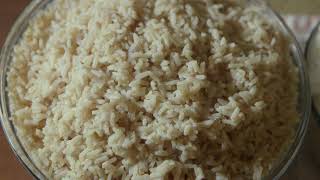
The Food Factor presents the best, research-based information related to food, nutrition, diet, and healthy lifestyles. Our host, Natasha Haynes, is an experienced educator with the Mississippi State University Extension Service who has spent over 15 years sharing tips for healthy living with Mississippians of all ages. She brings food science down to earth and makes it useful for today’s families. Click here to view previously aired shows, and be sure to follow The Food Factor on Facebook and Twitter.
- Alumnus Credits UM Experiences for Role in James Beard Nomination
OXFORD, Miss. – Carlyle Watt, a 2005 graduate of the University of Mississippi's hospitality management program and a 2017 James Beard Award nominee in the Outstanding Baker category, returned to campus recently to participate in the 20th Southern Foodways Symposium. In his first experience with the symposium, Watt attended lectures and tastings designed to reframe ideas about ethnicity and identity in the Latin American culture, the theme for this year's event, held October 5th-7th. He networked with hundreds of chefs and mentors involved with the Southern Foodways Alliance, a member-supported organization based at the university's Center for the Study of Southern Culture. "We're so proud of Carlyle for his Beard Award nomination," said Dru Jones, chef and food specialist for Lenoir Dining, the campus restaurant run by students in the Department of Nutrition and Hospitality Management. "It is a huge honor to be nominated, since these awards are often referred to as the 'Oscars of food' in the culinary world." Established in 1990, the James Beard Awards recognize culinary professionals for excellence and achievement in their fields. Only 20 semifinalists were named in this year's national competition. Watt has been head baker at Fire Island Rustic Bake Shop in Anchorage, Alaska, for five years, creating a selection of 15 or more artisan breads daily. Watt works closely with the area's farmers and designs his menus accordingly, sourcing as much local, organic and sustainable product as possible. A native of South Carolina's Lowcountry, Watt learned to cook the traditional cuisines of the Carolinas from his parents and grandmothers. While attending Ole Miss, he cooked at Proud Larry's, Oxford Steak Company and Bouré. The hospitality management program curriculum at UM offers a foundation in liberal arts, business and operations management. The program's curriculum is designed to enhance and strengthen students' critical thinking and problem-solving skills, so that they can address, meet and adapt to the various needs of the hospitality industry in managerial positions. Since the hospitality management degree program at Ole Miss exposes students to all facets of the industry, the chef himself mentors and advises students who find a passion for cooking while they consider which culinary school to attend after graduation. After graduation and several cooking gigs across the Southeast, Watt attended the Culinary Institute of America at Greystone in Saint Helena, California. "It was awesome, because I got to go to the accelerated program because of my degree," Watt said. "If you have a bachelor's degree in hospitality, dietetics or nutrition, you skip all the classroom stuff and go straight to eight months of intense kitchen training, and I was done." After culinary school, Watt moved to Alaska to pursue a career as a personal chef, but after a few years on the job decided to return to what he loved the most from culinary school: baking. "I got a job as a night baker in culinary school for the school's restaurant," he said. "I would go to school until like 9 p.m. and go straight over to the bakery. Everyone, students and instructors, were gone, and I'd have the place to myself. I'd bake bread all night." As founding members of the Super Saturated Sugar Strings, Watt and his wife, Theresa, appreciate that Watt's early baking hours afford them time to spend practicing and playing the alt-folk music they love, with Watt on vocals, guitar and percussion and Theresa on cello. Their six-member band can be seen at venues and festivals across Alaska, Colorado and Oregon. Watt is one of three brothers who attended Ole Miss. Kenton Watt, a journalism graduate, is a development officer for Texas Christian University, and Bill Watt runs Carolina Lumber Sourcing in Charleston, South Carolina.
- Enjoy Good Food and Live Music at the Great Mississippi River Balloon Race
The 32nd annual Great Mississippi River Balloon Race will be held October 20th-22nd in Natchez, Mississippi. Join the city of Natchez on the grounds of the historic Rosalie Mansion for a weekend of family fun. This year, the Great Mississippi River Balloon Race will include a carnival, live music, arts and crafts booths, and of course, good eats. Local vendors will serve up regional culinary treats and classic fair foods, plus there will be an Oktoberfest-style bier garden, called Bluffotberfest, featuring a variety of craft beers. The weekend kicks off on Friday morning with an early morning balloon flight. Festival gates will open at 6 p.m. Friday evening with a balloon glow to follow. Saturday and Sunday's events go on all day long, with bands throughout the day and balloon flights both afternoons as well. Come hungry, because food will be aplenty on the fairgrounds. Local vendors will set up shop and will be serving up fair foods and other local eats. Items such as funnel cakes, nachos, corndogs, snow cones, chicken-on-a-stick, and onion rings will be available, as well as Cajun and seafood dishes. Alligator-on-a-stick, redfish, Cajun strew, seafood pockets, crab cakes, jambalaya, red beans and rice, crawfish cornbread, and shrimp baskets are just a few items you can fill up on at the races. Be sure to also check out the Blufftoberfest bier garden for craft beers. More information about the Great Mississippi River Balloon Race can be found on their Facebook. Tickets are on sale here, or you can purchase them at the Historic Natchez Foundation.
- Cantina Laredo Rolls Out New Seasonal Cocktails
JACKSON, Miss. – Cantina Laredo at The District at Eastover is ready for fall with their new drinks and specials. Head over and try one for yourself! To celebrate the spooky season, Cantina Laredo will feature the new El Diabo drink for Halloween/Dia de los Muertos. It will be available half-price from Saturday, October 28th, through Thursday, November 2nd. Normally $12, you can get it for $6 during these days. Cantina Laredo has also introduced three new cocktails for the fall. These drinks will be available for a limited time. Flor De Jalisco: Avión Silver Tequila, agave nectar, fresh lemon juice, orange marmalade, and orange zest– $12 El Diablo: Hornitos Reposado Tequila, Crème de Cassis, agave nectar, mole and Angostura bitters, and fresh lime juice, topped with Fever-Tree Ginger Beer– $12 Añejo Fashioned: Patrón Añejo Tequila, mole and Angostura bitters, orange peel, and Luxardo cherries– $13.50 We're also approaching the holiday season, and Cantina Laredo is the perfect venue to host a work party or even just a party with friends. Receive 10% off catering and events booked at Cantina Laredo before November 30th. (Minimum $100, excludes bar and events already booked) Now through the end of the year, get a $10 bonus gift card with the purchase of $50 in gift cards. The bonus card is valid Jan. 1- Feb. 28, 2018.
- Jackson Chef Advances to "Chopped" Finals
JACKSON, Miss. – A Jackson chef recently competed on the Food Network show "Chopped," and won his round. Nick Wallace, head chef at the Mississippi Museum of Art, appeared on the October 17th episode of "Chopped: Alton's Challenge," where he and the other three chefs were challenged to create meals from mystery ingredients with dehydrated food being the theme of the basket ingredients. Wallace grew up in rural Mississippi and was farming and raising animals as soon as he could walk. He started his culinary career washing dishes in high school, and eventually became the Executive Chef at the Palatte Cafe at the Mississippi Museum of Art. Wallace will move on the compete in the finals with three other preliminary winners for the chance to win the grand prize of $50,000
- Pink October Food Can Be Pink... and Healthy
A pink, glittery invitation with the two words I love most arrived in the mail last week. “You’re invited!” was splashed in hot pink script across the envelope’s pale pink background. Inside was an invitation to a hospital’s October breast cancer awareness party. I had to decline, but asked marketing friends to share photos of the event staged to bring awareness to the importance of undergoing mammograms and making other cancer preventative lifestyle changes. As a result, I obtained a wealth of cancer-fighting food ideas and pink party ideas. This wasn’t the first time I’d heard about a pink party. During my hospital marketing days, I staged “Pink October” parties featuring pink lemonade and pink ribbon-shaped sugar cookies with pink icing and sprinkles. Pink parties held around the nation, as well as in our state, have progressed since then. My friends shared photos of pink-clothed tables laden with every pink treat under the sun. Who knew a few drops of pink food coloring and glitter could transform any food into a state of pink perfection? Pale pink strawberry soufflés, pancakes and cinnamon rolls, raspberry pink sorbet, pink cotton candy, pink and white chocolate covered pretzels, strawberry cupcakes layered with pink frosting in Mason jars, and gift bags of pink “puppy chow” made of sugared Chex cereal and M&Ms in a rainbow of pink pastel hues. It was hard to play favorites among the pink treats. However, a tray of what appeared to be pink cake balls caught my eye. I learned they were actually miniature apple balls dipped in pink tinted white chocolate. The creative chef used a melon baller to create small bites from a large apple, then added a white stick and finished them off with a coating of chocolate. It’s an ingenious idea that I plan to use when making caramel apples. The bite-size caramel apples will be the perfect way to enjoy one of my favorite fall treats. I intently searched the photos, but didn’t spy any pink ribbon sugar cookies in the lineup. Turns out, my basic cookies have been replaced by pink Angel food cupcakes topped with crowns of pink icing and sprinkles arranged in a ribbon pattern. Even more impressive, ribbons composed of fluffy pink meringue are a modern take on cookie dough. Instead of pink lemonade, guests sipped cherry limeade with pink straws in pink-tinted Mason jars. I’m excited to see progress, not only from my humble “Pink October” days, but in the prevention and treatment of breast cancer. Ten years ago, little was known about the role diet and exercise play in the progression of the disease that will affect 252,710 women this year, according to the Susan G. Komen Foundation. The good news is, there are over 3 million breast cancer survivors in the U.S. and the numbers continue to rise. The American Cancer Society believes a healthy diet may lower cancer risk. They recommend eating mostly vegetables, fruits, and whole grains with less red meat, processed meat, and sweets on the menu. Besides breast cancer and other cancers, a healthy diet can help reduce the risk of heart disease, diabetes, and stroke. With any healthy diet guideline, it seems all the “good things” are forbidden. Luckily, one of my favorite foods is on the acceptable list. Wild-caught salmon is filled with Omega-3 oils proven to lower cholesterol and decrease the risk of heart disease and other diseases and is packed with cancer-fighting nutrients and vitamins. It’s a delicious alternative to grilled steak, interesting ground beef replacement in tacos, a satisfying addition to stir fry vegetables, and a fresh, filling topping for salads and pastas. True confession: my favorite way to utilize salmon is in a fattening smoked salmon and cream cheese dip. However, in the spirit of breast cancer awareness month, I looked for a healthier way to enjoy it. The Wild Alaska Salmon and Seafood Company website offers a wealth of interesting ways to utilize their prime catch. I never met a wrapped food I didn’t like, so a recipe for Alaska Salmon En Papillote was an obvious choice. It’s actually a fancy name for a simple, healthy dish filled with salmon and vegetables baked in parchment paper. Thankfully, the fight against breast cancer has come a long way since my pink sugar cookie and lemonade days. Here’s hoping that in another 10 years, pink parties and breast cancer will be a thing of the past. Pink October Alaska Salmon En Papillote 4 Alaska salmon, skinless, 4 ounce fillets 4 parchment sheets (10x14) 4 kale leaves, shredded 1/2 cup red potatoes, sliced 1/2 cup yellow squash, sliced 1/2 cup zucchini, sliced 1/2 cup carrots, sliced 1/2 cup red onion, sliced 1 pint cherry tomatoes 1 cup sherry (see note below) 1/4 cup olive oil 1 teaspoon kosher salt 1 teaspoon black ground pepper 2 lemons, sliced 1 tablespoon thyme, fresh picked leaves 8 croutons, whole wheat toasted baguettes Preheat oven to 375 degrees. Fold parchment sheets in half so that the new size is 10x7. Cut a half-heart shape from the folded side, using as much of the parchment as possible. Open parchment and place vegetables inside, dividing evenly between the four parchment sheets. Place salmon fillets atop vegetables. Blend sherry, oil, salt, and pepper, divide equally between the four parchment preparations. Garnish with lemon slices and thyme. Bring edges together and fold edges to seal in contents, starting with the rounded side of the parchment and ending at the point. Once parchment pouch is completely sealed, bake for 15 minutes. Carefully open with scissors and serve with rye toasts. Note: As a substitute for sherry, use half cup each of apple cider vinegar and water, mixed together. Recipe from Wild Alaska Salmon and Seafood Co.