1733 results found with an empty search
- Food Factor: Sheet Pan Italian Sausage & Pepper Bake
Everybody loves to save time in the kitchen. Sheet pan suppers have become a very trendy topic lately – Pinterest is LOADED with recipes and ideas. For me, a sheet pan meal is a surefire way to clean up in a hurry, because I line the pan with foil. Here is the recipe for the Sheet Pan Italian Sausage and Pepper bake we feature in the video. Sheet Pan Italian Sausage & Pepper Bake One package (4-5 sausage links) sweet or hot Italian turkey sausages 1 green bell pepper 1 yellow bell pepper 1 pint (16 oz) cherry or grape tomatoes 1 medium yellow onion 1 tablespoons olive oil 1 clove garlic 1 teaspoon dried oregano 1/4 teaspoon salt 1/2 teaspoon black pepper Line baking sheet with foil. Preheat oven and pan to 400 degrees F. Remove stems and seeds from bell peppers. Slice into thin strips. Cut tomatoes in half. Slice onion into thin strips or thin rings. Combine peppers, onion, and tomatoes in a medium-sized bowl. Toss with olive oil and seasonings until mixed. Add sausages and toss until coated. Use potholders and pull hot pan from the oven. Spread sausages and vegetables on hot pan, then return the pan to the oven. Roast until sausages blister and vegetables are golden, about 20-25 minutes. Thanks to the Kansas State Research and Extension Master Food Volunteers for inspiring us with their version of this recipe! If you’ve never made a sheet pan recipe before, here are some tips for a successful experience. Use the right pan, such as a half sheet pan. You want a large surface, about 18x13 inches, and a one-inch rim. The lower rim allows hot air to flow across the pan, resulting in crispy, brown ingredients instead of steamed, mushy food. Consider the time it takes to cook your ingredients. Some foods take longer than others, so you may want to start those first, then add the rest later in the cooking process. For example, start carrots and potatoes before broccoli. Using breaded chicken, fish, or veggies? Set them on a wire rack on top of the sheet pan to keep them elevated and crispy. To keep your sheet pan ingredients from drying out, be sure to toss them with oil and completely coat them before spreading them on the sheet pan. Want more color on your sheet pan ingredients? Use the broiler for a short time before removing it from the oven to make them a warm, golden brown. Do you have a favorite sheet pan supper recipe? Let us know on our Facebook page or on our Twitter feed.
- Ole Miss Students Explore Culture and Cuisine in Italy
OXFORD, Miss. – University of Mississippi students will travel in May to experience the culture and cuisine of Florence, Italy, through the school's Study Abroad program. Laurel Lambert, UM associate professor of nutrition and hospitality management, will travel for her fourth year with students to Florence to facilitate the course titled, "Exploring Florence: Culture and Cuisine". This course offers students six credit hours for NHM 468 or NHM 595 and focuses on food in the context of Italian culture and hospitality as it relates to lodging and tourism. This is the sixth year for the course to be offered. "For two weeks, students travel to Florence and have amazing experiences everyday with different activities that expose students to foods and their regions," Lambert said. "It is especially educational for students because the Study Abroad Italy organization, based in Florence, has all the connections and are able to teach us things about places that most people wouldn't know of if they were only vacationing." Lambert teaches Principles of Food Preparation, which teaches students the science of cooking and foods at UM. She said that traveling to different vineyards and visiting with cheese, balsamic vinegar, and olive oil producers in Florence allows students to not only see processes and foods they have learned about in her class, but actually try them. "In Florence, students really get a sense of the passion Italians have for their food," Lambert said. "One of my most favorite things is to see the students understanding that food doesn't just come in a box to be prepared. Italians live it. It is part of who they are." Some of the food-related activities students participate in while abroad are olive oil tastings, wine tastings and pairings, and cooking classes at different vineyards and at the Apicius International School of Hospitality. They also visit cheese factories, balsamic vinegar production sites, local markets, historic restaurants, and an elementary school cafeteria. Students also go on tours around Florence including tours of artisans, castles, hotels, and the world-famous Uffizi Museum. Lambert said both the food and culture related activities organized for students are led by local and world famous instructors and guides who are respected and well-educated. "The quality of instruction that Study Abroad Italy provides is amazing," Lambert said. "I'm very thankful, and I've been able to learn a lot." Lambert said she has seen how experiencing the study abroad program has made an impact on students' confidence while traveling the world. At the end of the course, some of the students who traveled with her last year decided to stay in Europe together for a few more weeks to continue exploring. She said she enjoys seeing how friendships develop among students over the two-week course. "When the 12 students first get together, hardly any of them know each other," Lambert said. "By the end, they're just like best friends." Caroline Crunk, a senior hospitality management student from Brentwood, Tennessee, traveled to Florence last summer with Lambert and 11 other students. Crunk said her favorite part of the trip was visiting vineyards and learning how to make Italian cuisine. "My favorite part of the trip was going to a vineyard in Tuscany," Crunk said. "It was the most beautiful view I've ever seen, and it was so much fun learning how to make tiramisu and gnocchi." All spots for the Study Abroad trip to Italy have been filled this year. However, the course will be offered in future semesters. For more information on studying abroad, visit studyabroad.olemiss.edu/.
- "Go Cup" Ordinance Goes into Effect in the District at Eastover
JACKSON, Miss. — Restaurant patrons in The District at Eastover can now carry and enjoy alcoholic beverages anywhere within the development, as the City of Jackson’s Leisure and Recreation District Ordinance, known as the “go cup” ordinance,” is now in effect. Establishments authorized to offer go cups in The District at Eastover include Cantina Laredo and Fine & Dandy. Cultivation Food Hall is scheduled for a summer opening in The District and will also offer go cups. The ordinance was passed by The Jackson City Council in March and dictates all alcoholic beverages must remain within The District at Eastover’s designated area between Eastover Drive to the south, the I-55 North/Frontage Rd. to the west and Perseverance Drive to the east. The District at Eastover plans to take advantage of its status as a Leisure and Recreation District with a series of live music events on The District Green, as well as a Cinco de Mayo event scheduled for this Saturday, May 5th, at Cantina Laredo. Additional live music events are scheduled for Thursday evenings in May as follows: May 10th: Brian Ledford May 17th: The Sessions May 24th: Brian Ledford May 31st: No Strings Performances will be on The District Green from 5:30 to 8 p.m. ABOUT THE DISTRICT AT EASTOVER The District at Eastover represents the best of mixed-use urban revitalization in the heart of Mississippi’s capital city. Conveniently located between Jackson’s historic Eastover and Fondren neighborhoods and adjacent to the I-55 corridor and the University of Mississippi Medical Center, The District offers a transformative destination characterized by boutique shopping, acclaimed restaurants, thoughtfully planned office space and luxury residential living opportunities. Learn more about The District at thedistrictateastover.com.
- Starkville Native and Teen Chef Mark Coblentz Stars in New TV Show on MPB
STARKVILLE, Miss – For aspiring teen chef Mark Coblentz, it all started with a box of macaroni and cheese. His love for that comfort food led him to cook the cheesy treat by himself with his mom’s supervision. Now, Mark stars in his own cooking show premiering on MPB Television May 5th at 1 p.m. Making A Chef captures 15-year-old Mark’s passion for cooking and zeal to hone his craft. The half-hour episodes will air on MPB Television Saturdays at 1 p.m., with an encore presentation Sundays at 10 a.m. The show follows Mark’s visits to kitchens across Mississippi as chefs and food artisans take him behind the scenes to demonstrate their favorite dishes. Then, from his kitchen, Mark shows viewers how to adapt what he learned to create easy, tasty dishes. Join Mark on this culinary journey that includes cooking at Starkville’s Fire Station 5, grinding and cooking with corn, assembling a homemade pizza pie, grilling brisket, and much more. In 2015, Mark was one of four young chefs selected to launch Chopped Junior, a Food Network TV competition series where he came in second. Mark went on to be a top 10 finalist twice on Master Chef Junior. He and his family live in Starkville, Mississippi. “My mom and grandmothers cooked, and I enjoyed helping out,” said Mark. “When I was older, I started watching a lot of food TV and trying the recipes myself. I then began making more complex dishes and it evolved from there.” Tune in on Saturday afternoon to catch the premier, and keep up with Mark on Facebook at facebook.com/Marktherealchef.
- E. Coli Outbreak Linked to Romaine Lettuce
Since mid March, there have been several states reporting an E. coli outbreak due to consumption of romaine lettuce that was grown in the Yuma, Arizona region. As of April 9th, 17 people infected with the outbreak strain of E. coliO157:H7 have been reported from 7 states. A list of the states and the number of cases in each can be found on the Case Count Map page. Illnesses started on dates ranging from March 22, 2018, to March 31, 2018. Since then, more cases have been reported just days between each other on April 13th, April 18th, April 20th, April 25th, April 27th, and May 2nd. As of May 2nd, 23 more people from 10 states have been added to the investigation, making almost half of the United States in the count. States include Alaska, Arizona, California, Colorado, Connecticut, Georgia, Idaho, Illinois, Kentucky, Louisiana, Massachusetts, Michigan, Mississippi, Missouri, Montana, New Jersey, New York, Ohio, Pennsylvania, South Dakota, Tennessee, Virginia, Washington, and Wisconsin. Among the 24 states, 121 people have fallen ill. To best avoid this bacteria, here are a few tips for consumers: Do not eat or buy romaine lettuce unless you can confirm it is not from the Yuma, Arizona, growing region. Product labels often do not identify growing regions; so, do not eat or buy romaine lettuce if you do not know where it was grown. This advice includes whole heads and hearts of romaine, chopped romaine, baby romaine, organic romaine, and salads and salad mixes containing romaine lettuce. If you do not know if the lettuce in a salad mix is romaine, do not eat it. Tips for retailers and restaurants: Do not serve or sell any romaine lettuce from the Yuma, Arizona growing region. This includes whole heads and hearts of romaine, chopped romaine, baby romaine, organic romaine, and salads and salad mixes containing romaine lettuce. Restaurants and retailers should ask their suppliers about the source of their romaine lettuce. The investigation is still ongoing. To keep up with CDC updates on this issue, visit https://www.cdc.gov/ecoli/2018/o157h7-04-18/index.html
- A Trip to Hattiesburg Requires a Stop at Leatha's
Say the word “barbecue” anywhere in Mississippi’s Pine Belt and one word comes to mind: Leatha’s. And it happens for a good reason. Actually, there are several of them. First, there are the tender, fall-off-the bone tender ribs, seasoned and smoked to perfection. And the slow-cooked, hand-chopped pork drowning in a tangy, vinegary sauce. There’s more to discuss about this world-famous, authentic barbecue “joint” hidden behind a Dairy Queen and insurance office off U.S. Hwy. 98 in Hattiesburg. But the ribs and pulled pork – and yes, the special sauce – deserve the first mention. If you’re in Hattiesburg or just passing through, it’s worth the detour to weave your way behind the businesses fronting the busy highway and drive along the gravel road in front of the small, wood-frame restaurant. On first glance, it doesn’t appear to offer anything special. Once you step out of your car, your opinion changes, courtesy of large smokehouse out back. It's nearly as large as the restaurant and based on the smoky, fragrant aroma permeating the air, it’s the restaurant’s best form of advertising. Once you cross the wooden porch laden with stone and ceramic pigs and step into Leatha’s Bar-B-Que Inn, you'll feel the welcoming vibe of this family-run establishment. After breathing in the tantalizing smell of smoked meat coming from the kitchen at the far end of the room, the first thing you'll notice is the décor. Tables covered in colorful, checkered cloths surrounded by folding chairs let you know the emphasis is on food, not fancy seating arrangements. Interspersed between framed copies of newspaper and magazine articles and family memorabilia are autographed photos of famous guests, ranging from Hattiesburg’s own NFL Hall of Famer Brett Favre (like me, he loves Leatha’s beef ribs) to famous journalists and celebrities. After taking your pick of a red, green, or blue checkered-covered table, one glimpse of fellow diners illustrates Leatha’s broad appeal. A mixture of families with young children, businessmen in dark suits, law enforcement officials, casually-dressed workers, and all types in between have gathered for one common purpose: to get their Leatha’s fix. And if Leatha’s smoked meats and delicious homemade sides can’t fix your barbecue craving, it can’t be done. Leatha’s has been rated as one of the nation’s top barbecue restaurants, an honor that has attracted guests from around the nation and several countries, including China, Puerto Rico, Japan, and Saudi Arabia. A listing as one of the can't miss stops on the Mississippi Culinary Trail on VisitMississippi.org, combined with national exposure courtesy of features on cooking and travel shows - “Man Fire Food” on The Cooking Channel was a recent one - have attracted customers in search of the tantalizing meat prepared by pit master Brian Jackson. He is a co-owner and grandson of founder Leatha Jackson, who passed away in 2013. It's true that national publicity and word-of-mouth praise from Favre, Drew Brees, B.B. King, and even P.F. Chang, owner of his namesake restaurant chain, has helped put Leatha’s on the barbecue map. But it’s the smoked-on-site meats, homemade side dishes, and friendly service that catapulted Leatha’s from Jackson’s home-turned-restaurant in Marion County to its standing today as THE barbecue restaurant at which to experience true Southern barbecue and hospitality. Photo courtesy of Only In Your State Co-owned by Carolyn Stepny, another of Leatha’s grandchildren, Leatha’s hasn’t changed much since the first barbecue plates were sold over 40 years ago. I’ll get right to the smoked meats; after all, they're the real reason barbecue lovers from around the world keep coming back. Leatha’s smoked offerings include beef ribs, pork ribs, pulled pork, and chicken. If you can’t decide, Leatha’s does the choosing for you. Selecting Leath’s (no “A”) Special brings all four to your table. There’s also a sausage plate and wood-grilled steaks. The latter is the only thing I haven’t sampled at Leatha’s. By the looks of the steaming, smoky steak plate delivered next to me on my last visit, it’s a situation I need to remedy. Just a word on how Leatha’s meats obtain their consistently tender, smoky, and utterly sensational status from the time the doors open until closing time. Jackson uses a massive smoker and accompanying fire box filled with locally-grown pecan wood. A steady stream of smoke permeates hundreds of slabs of ribs, pork shoulders, chickens, and steaks ordered daily by hungry customers lured by the tantalizing aroma of the fragrant smoke. It’s hard to describe just how wonderful it smells. It’s just something you need to experience. Then, step inside and enjoy the results of Jackson’s labor. If you choose Leath’s special, you won’t be sorry. I could have stopped eating after sampling the large chunks of boneless, seasoned, and tender beef ribs. But, of course, I didn’t. Juicy, falling-off-the-bone glazed pork ribs run a close second in deliciousness. I still found room for a bite or two of chopped pork doused with a generous helping of Leatha’s sauce, followed by a helping of seasoned, smoky chicken. Leath’s Special is $23.99, and while this may seem a bit pricey, it contains more than enough food for two diners with moderate appetites. For an extra $5, the dish can be split, an option that’s more than fair considering the amount of food offered. Once you’ve made your meat selection – and again, I have to promote the beef ribs – it’s time to choose your meal accompaniments. All plates come with two sides; fried potatoes, “secret recipe” slaw, sweet potato fries, potato salad, baked beans, and green salad. I think I’m a reputable side dish judge due to my numerous visits to Leatha’s. You can’t go wrong with the rich, thick baked beans. Filled with barbecue sauce and molasses, they taste like they’ve spent some time in the smoker. I also love the thick, hand-cut fried potatoes. I hate to say anything negative about Leatha’s, but in my opinion, the “secret recipe” slaw is a bit overrated. I was expecting something extraordinary based on the name and, well, It’s good, but not great. However, Leatha’s barbecue sauce more than makes up for that minor disappointment. Unlike some barbecue restaurants whose sauce has a strong, bitter taste, the tanginess of Leatha’s sauce is balanced nicely with notes of sweet tomato and what appears to be apple cider vinegar. While replicating Jackson’s smoking technique may be impossible, being able to purchase a bottle of sauce to take home helps liven up backyard barbecues in between visits to Leatha’s. Leath’s Special is only offered for dinner, but the lunchtime crowd has plenty of smoked options from which to choose. Rib, chicken, sausage, and pulled pork plates are offered, along with a pulled pork sandwich. The same delicious sides are offered, insuring an authentic Leatha’s experience all day long. Considering the intense labor and attention to detail in creating the smoked meats and homemade dishes, Leatha’s prices are relatively inexpensive. Portions of both meat and sides are hearty. Lunch prices range from $9.99 for a smoked chicken quarter, pulled pork sandwich, or sausage plate, to $17.99 for a large rib plate or choice of two meats. For dinner, rib selections are more plentiful, with prices ranging from $13.99 for a small serving of pork ribs to $21.99 for the Hungry Man, a descriptive name for a whole slab of ribs. A 16-ounce wood-grilled ribeye is $21. An extra $5 brings a side serving of ribs. Since so many families frequent Leatha’s, $5 plates of child-size pulled pork, ribs, and chicken are available for small diners. Leatha’s is closed on Sunday and Monday, but is open from 11 a.m. to 8:30 p.m., Tuesday through Thursday. Closing hours extend to 9 p.m. on weekends. Leatha’s is located at 6375 U.S. 98 in Hattiesburg. I’m not kidding when I caution you to "look for Dairy Queen.” The sight of the burger restaurant – and the aroma of sweet-smelling smoke – tells you Leatha’s is close by. Call 601-271-6003 for directions if you get lost.
- Kick Off National Strawberry Month
The month of May brings warmer weather, summer break, and the perfect time to enjoy tons of fresh fruit. May is also National Strawberry Month, so head to your local supermarket, grab a few cartons of strawberries, and try out some of these fun strawberry recipes! Strawberry Cheesecake Pie Strawberry Basil Frozen Popsicles Strawberry Cream Cake Layered Strawberry and Creamy Lemonade Dessert Drink
- Pinot Noir Can Be Pricey, But Worth It
Jon Priest, senior winemaker at Etude, said he feared the worst once pinot noir took flight after the hit movie "Sideways." It's hard to even imagine that we're still talking about the impact of a 14-year-old movie, but Priest's prediction that pinot noir was about to enter an enduring phase was prophetic. Priest, who has been making pinot noir in California most of his career, was worried that the popularity of the wine would lead to new vineyards in substandard regions just to satisfy demand. Pinot noir prefers cooler regions. Etude, for instance, uses estate grapes in Carneros that are cooled by fogs from San Pablo Bay. You won't find pinot noir in Lodi, for instance, or much of the Central Valley. Yet new regions for pinot noir have emerged after traditional sources dried up. The result is the difference between Etude's terrific pinot noirs and the Brand X born overnight. Additionally, a grape once modeled after burgundies morphed into a Frankenstein that Priest calls the "cocktail style." These are the pinot noirs that are overly ripe, highly alcoholic, and sweet. Etude has the benefit of being owned by Treasury Wine Estates, which not only brings capital to its production, but also locks in vineyards. That allows Priest to stay true to his formula for making great pinot noir without sacrifice. The consolidation of wineries dries up sources for fledgling producers and requires them to secure grapes from all the wrong places. Alas, as the cost for pinot noir grapes rises steadily, the cost to consumers also rises. Some of the best West Coast pinot noir exceeds $50 a bottle, thus pricing out most consumers. We've tasted some delicious burgundies from regions, such as Mercurey, that cost less. Here are some terrific, albeit some are expensive, West Coast pinot noirs: Etude Fiddlestix 2016 ($50). If this is any indication of the vintage, we're in for some great pinot noir from Etude. We were blown away by the generous, perfumy aromas in this well-balanced, elegant pinot noir. Made it small quantities, it may be harder to find that the 2015 Etude Grace Benoist Ranch ($47) we recently tasted. For the price, you get a load of complex black cherry and plum notes and a wallop of spice. Priest avoids American oak -- 'I'm a man of dogma" -- to keep the oak-infused flavors in check. We loved this wine. Lyric by Etude Pinot Noir 2015 ($25). Using grapes from Santa Barbara, this is an entry point for the single-vineyard Etude pinot noirs. Youthful, exuberant character with bright cherry notes and a bit of tannin. Once sold only to restaurants, it is now being distributed to retailers. Goldeneye Gowan Creek Vineyard Anderson Valley Pinot Noir 2015.($84). A powerful wine in body, this blockbuster pinot noir comes with rich texture, blueberry and black cherry flavors and hints of vanilla. Winemaker Michael Accurso calls his marine-influenced pinot noir "wild rustsicness." Migration Running Creek Vineyard Russian River Valley Pinot Noir 2015 ($68). Effusive strawberry aromas and luscious, ripe raspberry flavors with a dose of spice. Ponzi Classico Pinot Noir 2015 ($43). Reasonably priced for what you get here, the Classico blends grapes grown throughout the Willamette Valley. We enjoyed the fresh raspberry and black cherry flavors, floral and herbal aromas, and balanced acidity. Ponzi Tavola Pinot Noir 2016 ($27). This pinot noir flies off the shelf so fast that winemaker Luisa Ponzi would prefer that its fans step up to one of the other wines in its fabulous portfolio. At $27 it's easy to see why people buy this by the case. Made as an everyday pinot noir, the Tavola has simple and medium body flavors of black cherries. Grapes are sourced from Ponzi's Avellana Vineyard. Benziger Russian River Valley Reserve 2016 ($45). Made from organically grown grapes, we loved this balance of pinot for its pure fruit character and its restraint. Black cherries, a dash of spice, and vanilla. Landmark Overlook Pinot Noir 2016 ($25). One of the great values in quality pinot noir, this medium-bodied version sourced from three counties shows nice balance with aromas of raspberries, cinnamon and spice. Flavors are redolent of cherries, raspberries, and spice – everything nice. Sea Smoke "Ten" Pinot Noir 2015 ($82). This wine uses all 10 of the clones planted on the producer's organic- and biodynamic-certified estate vineyard. Using the best barrel selection of the vintage, the result is expectedly spectacular. Very concentrated and dark, "Ten" is a big, robust pinot noir for those who are hard to impress. Floral aromas with blueberry and red berry flavors, enduring spice notes, fine tannins, and good finish. Left Coast Latitude 45 Estate Pinot Noir 2015 ($38). We loved this juicy and delicious pinot noir from Oregon's Willamette Valley. Classic red cherry flavors with hints of vanilla and cocoa. Perfusion Vineyard San Francisco Bay Pinot Noir 2014 ($40). You don't often see a wine from this AVA, located along the western side of Contra Costa County, but this micro-batch producer has a winner. Ripe, forward cherry and raspberry flavors with hints of vanilla and spice. Steele Bien Nacido Block N Pinot Noir 2014 ($36). Jed Steele has produced a series of single-vineyard pinot noirs from Santa Barbera and Carneros that are reasonably priced for what they deliver. We like the Bien Nacido the best. The vineyard is well-known and respected among pinot noir producers and fans. Steele uses grapes from the "N" block because of its intense fruit. Strawberry and cherry flavors abound with hints of spice and vanilla. Ghostwriter Pinot Noir Santa Cruz County 2015 ($30). This outstanding pinot noir stood out at a recent tasting. Already showing well we tasted an expressive tableau of wild cherries, cola with a bare hint of oak that filled the mouth with pleasure. Don’t miss this wonderful pinot noir, if California pinot noir is your passion. Erath Oregon Pinot Noir 2015 ($19). Always a great value in pinot noir, this medium-bodied wine has big, bold aromas and forward black cherry and raspberry flavors.
- Food Factor: Behind the Scenes
I never knew how much I learned about cooking from my mother and her mother, whom we called Mou, until I grew up and started cooking on my own. With today’s busy lifestyles, many families no longer have the advantage of experienced home cooks passing their skills to the next generation. One of the best things about my job as an Extension agent is sharing my love of healthy cooking with clients when I do cooking demonstrations. Now, through the blog, I’ll be able to share more of the content our followers have been asking for, including the exact recipes we use in our videos. By going all digital, we also have the opportunity to reformat our videos to make them more appealing to social media audiences and more fun to share. If you like what you see, we’d love for you to like our posts, comment on them, and share them with your friends. Just like I loved the stories that Mou used to share with me, I know you have stories, recipes, and tips to share. Leave me a message on The Food Factor Facebook page or shoot me a tweet. Your question or suggestions may end up in a future blog post or video! If you’re new to The Food Factor, check out our archive of TV episodes – you’ll find science-based food safety information, recipe makeovers, and some pretty funny outtakes
- It's Time for a Fiesta
No one is exactly sure when Americans started celebrating Cinco de Mayo, which commemorates the Mexican Army's victory over French forces at the Battle of Puebla and not the Mexican Independence Day as so many commonly believe. One thing we do know for sure, it's a fun excuse to enjoy warmer weather and Mexican cuisine. Here are three Latina-inspired recipes to help you celebrate Cinco de Mayo deliciously. Steak Fajitas Serves 6-8 Marinade: 1/4 cup fresh lime juice 1/3 cup water 2 tablespoons vegetable oil 1 large garlic clove, finely minced 3 teaspoons distilled white vinegar 2 teaspoons soy sauce 1/2 teaspoon liquid smoke 1 teaspoon salt 1/2 teaspoon chili powder 1/2 teaspoon cayenne pepper 1/4 teaspoon ground black pepper 1/4 teaspoon onion powder Fajitas: 1 pound flat iron steak 1 tablespoon vegetable oil 1 onion, thinly sliced 1 red bell pepper, coarsely chopped 1 green bell pepper, coarsely chopped 1 teaspoon soy sauce 2 tablespoons water 1/2 teaspoon fresh lime juice Salt and pepper to taste 6-8 (10-inch) flour tortillas Shredded cheese, salsa, sour cream, or other garnishes, optional Combine marinade ingredients in a medium bowl. Whisk until thoroughly blended. Place flank steak in a large, resealable plastic bag. Pour marinade over steak and seal. Allow to marinade; refrigerate for 12 to 24 hours. Remove from marinade and discard remaining liquid. Grill over medium hot coals for 4 to 6 minutes on each side, or sear in a hot skillet until steak reaches desired doneness. Allow steak to rest for 10 to 15 minutes. Slice into thin strips across the grain. Preheat oil in a large skillet over medium-high heat. Sauté onions and bell peppers in oil until vegetables are crisp and tender, approximately 5 minutes. Add soy sauce, water, and lime juice. Continue to cook until onions begin to caramelize and peppers begin to slightly char. Stir in sliced meat. Spoon fajita mixture down the center of each tortilla. Garnish with your favorite toppings. Tortellini with Roasted Tomatillo Sauce Serves 4 8 medium sized tomatillos, husks removed 6 whole cloves garlic 2 tablespoons extra virgin olive oil, divided 1 bag (10 oz.) cheese tortellini pasta 4 cups raw, loosely packed spinach leaves 1/4 cup chicken or vegetable broth 2 tablespoons fresh oregano leaves 2 tablespoons fresh thyme leaves 1 tablespoon sugar 1 teaspoon kosher salt 1 teaspoon red pepper flakes 10 cherry tomatoes, halved Salt and pepper to taste Crumbled queso fresco cheese Preheat oven to 400 degrees F. Quarter tomatillos. Place on a baking sheet with garlic cloves. Drizzle tomatillos and garlic with olive oil. Place in oven and roast for 35 minutes. Combine roasted tomatillos, garlic, spinach, broth, oregano, thyme, sugar, salt, and pepper flakes in a blender or food processor. Process until sauce is smooth and well blended. Season with salt and pepper. Cook tortellini according to package directions. While pasta is cooking, drizzle tomatoes with remaining olive oil. Sprinkle with salt and pepper, and roast in the oven for 8 to 10 minutes. Add roasted tomatoes to warm, drained pasta. Pour tomatillo sauce over pasta and toss to combine. Garnish each plate with crumbled queso fresco cheese. Frozen Mango Margaritas Serves 2-4 4 cups frozen mango chunks 2 ounces freshly squeezed lime juice 3 ounces tequila 2 ounces orange liqueur 1/2 ounce simple syrup 3/4 cup orange juice Cinnamon, for garnish, optional Combine all ingredients in a blender. Process until smooth. Pour frozen margaritas into a glass. Garnish with cinnamon if desired. Recipes from the April/May 2017 issue of Eat Drink Mississippi
- Sanderson Farms Pulls Back the Curtain on Poultry Production
As Americans become increasingly interested in food production, a movement of people demanding to know exactly where their food comes from has emerged. In a continued effort to be transparent with consumers, Sanderson Farms is pulling away the curtain and providing an honest look at how its chickens are grown and processed. Step 1: Farm to Hatchery Sanderson Farms works closely with 900 family-farmers throughout the Southeast. The company maintains a small geographical footprint in order to guarantee fresh, quality chicken at every step in the process. Sanderson Farms partners with breeder farms in areas surrounding their hatcheries to assure the highest quality fertile hatching eggs. Twice a week, eggs are collected from these family farms and brought to the hatchery in climate-controlled trailers. “We are responsible not only for the broiler flocks that will eventually go to market, but also for the breeder birds that lay those broiler eggs,” said Wes Hall, Division Manager of Sanderson Farms McComb Production. “Producing chicken is a fully integrated and continual process.” Once at the hatchery, the hatching eggs are stored until it is time to place them in the incubator, where they will stay until they hatch 21 days later. On average, an incubator holds over 90,000 eggs. Chicks are vaccinated while they are still developing in their shells. When vaccines are administered, Sanderson Farms takes the opportunity to inject an antibiotic to fight the ever-present bacteria associated with natural egg delivery. This step is the only time anything is injected into a Sanderson Farms egg or broiler chicken. After the chicks hatch, they are separated from their shells, counted, immunized, and kept comfortable until they are delivered to the family farms where they will be cared for as they grow. Step 2: Feeding the Flock By operating its own feed mills, Sanderson Farms maintains complete control over what birds consume throughout their lives. At the feed mill, raw ingredients, such as corn, soy bean meal, fat, and lime, are mixed together, heated, and made into ready-to-eat pellets. This diet is specially formulated by staff veterinarians and nutritionists to ensure healthy birds and quality chicken. Just like humans, chickens require different calorie levels and types of food for energy as they grow. Sanderson Farms nutritionists are constantly adjusting feed formulas so the chickens have all they need. The feed is transported in bulk from the mill to the farms where it will be fed to Sanderson Farms chickens. Step 3: Hatchery to Farm Each family farmer provides the land and invests in the necessary buildings and equipment to grow the chickens to the company’s expectations. Sanderson Farms supplies technical instruction, feed, shavings, veterinary care, and poultry medication, when it is necessary and prescribed by a veterinarian. All vaccines and antibiotics are administered only under the direction of Sanderson Farms Live Production Veterinarians, who are nationally board-certified and licensed in the states in which Sanderson Farms operates. Since our flocks are raised on the ground and not in cages, Sanderson Farms veterinarians are very concerned about treating diseases associated with soil, such as parasites and bacteria. Sanderson Farms veterinarians use antibiotics to fight both classes of disease-causing organisms. Farms are visited weekly by Sanderson Farms staff, including veterinarians, who make sure everything is running according to company standards, as well as offer assistance, when needed. “Winter and summer alike, we maintain the health of the flock every day,” said Trent Hanegan, a Sanderson Farms family farmer in Collins, Mississippi. “Sanderson Farms veterinarians are constantly checking on the birds’ health. If a flock needs treatment, they’re more than willing to get the birds what they need.” Farmers live on the land so they are best able to care for their flocks. On average, family farmers live within a 50-mile radius of the Sanderson Farms hatchery. Farms typically have four to eight chicken houses, and Sanderson Farms places from 17,000 to 31,000 chicks per house, based upon size. These houses are climate-controlled and protect birds from biosecurity threats and predators. “Our animals live a very good life. We spend a lot of time and money helping them grow and prosper the way they should,” said Garrett McClure, a Sanderson Farms family famer in Collins, Mississippi. “These chickens are our livelihood, and if they don’t do well, neither do we. We are always going to take the very best care of them.” Step 4: Farm to Processing Plant The only time Sanderson Farms birds are ever caged is for their own safety during transport from the farm to the plant. The chickens arrive on trucks and are quickly placed into the controlled environment of the assembly line where they are humanely stunned unconscious by a small electric current, and therefore free from pain, before processing begins. After first processing, the birds are chilled down, processed a second time, and sent to be divided and/or deboned, depending upon the intended use. At each step of processing, Sanderson Farms product is inspected for quality, food safety, and regulatory-related concerns. After product is packed into trays or boxes, it is weighed and a price label is adhered to the package, when requested by the retailer. “Sanderson Farms provides a safety supervisor on staff and monthly safety meetings with all employees,” said Perry Hauser, Division Manager of Sanderson Farms’ McComb Processing Plant. “A committee made up of employees and managers meets often to discuss how we can operate as safely as possible. The plant is cleaned every day, and our on-site quality control department performs all the required tests to make sure we’re meeting and exceeding USDA standards. Step 5: Processing Plant to Grocery Store After the product receives its final inspection and is deemed market-ready, it is loaded on refrigerated trucks. Prior to loading, trailers are inspected for cleanliness and a properly functioning refrigeration system. Once the trailer is loaded based on delivery schedule, it is closed with a tamper-evident seal. This seal is not broken until the product arrives at the distribution center to ensure product safety and wholesomeness. Most often, products are placed into the distribution center on the same day as delivery to the grocery store, to ensure freshness and quality.
- Delis, Bakeries, and More Make Dining Out a True 'Experience'
My first experience with New York-style cheesecake and a Reuben sandwich was at Jackson’s Olde Tyme Deli. Irv and Judy Feldman served up thousands of unique sandwiches, the best potato salad on the planet, flaky cheese blintzes, gingerbread cookies at Christmas, and thick, heavy slices of cheesecake year-round at the iconic restaurant in Jackson’s Highland Village. Almost every time I pass by or shop at Highland Village, I mourn the end of food with a New York twist in Mississippi. The book America’s Great Delis, which chronicles the country’s top delis, mentions Jackson’s famous deli, which closed nearly 20 years ago. Lucky for us, another restaurant opened in 1998 right across Interstate 55 that comes very close to quelling my Olde Tyme Deli cravings. Broad Street Baking Company and Café offers a delightful selection of gourmet sandwiches served on homemade bread, among many other dishes. Being able to stop by Banner Hall and enjoy my favorite smoked chicken BLT topped with roasted garlic mayonnaise between two slices of sourdough bread almost makes me forget about the former deli from across the street. First, let me make it clear that Broad Street is not a deli. It’s really much, much more. Broad Street is owned by Jeff Good and Dan Blumenthal, whose grandfather operated a bakery in New Jersey that was famous for its homemade breads. Fast forward a generation or two and the art of bread-making is still going strong. More often than not, diners request one of the restaurant’s signature sandwiches made with my favorite flavor or choose homemade focaccia, New York rye, farmhouse white, multi-grain or Sugar Busters whole wheat, or New Orleans po-boy bread with which to encase their sandwich ingredients. Once the meal is over, a common practice is to pick up a fresh-baked loaf or two to take home. It goes without saying that if you love the aroma of bread baking, you’re in luck when you enter Broad Street’s doors. Between sandwiches, paninis, poboys, and wraps, the menu at Broad Street offers 18 unique and delicious offerings. Besides my favorite, the sandwich menu includes jerk pork loin, blackened chicken, portobello vegetarian, basil pesto chicken salad, club, black forest ham, and honey-smoked turkey. Each one comes with one’s choice of gourmet bread and a side item. When I’m in the mood for a panini, a classic Reuben reminiscent of Olde Tyme Deli is the perfect choice. Filled with hot pastrami topped with Swiss cheese, sauerkraut, and spicy Russian dressing on rye bread, it doesn’t disappoint. Other Paninis are southwestern beef, honey-smoked turkey and brie, tomato and basil grilled cheese and an “oldie but goodie,” Croque Monsieur. This massive mound of Black Forest ham topped with Swiss cheese, béchamel sauce that’s grilled, caramelized, and rolled into a delicious sourdough covering is another walk down memory lane. Poboys filled with fried or grilled shrimp, catfish, or an authentic New Orleans-style grill-pressed Sicilian are all good choices. Since the owners count Sal and Mookie’s Pizza in their restaurant repertoire, it’s no surprise Broad Street’s offerings are above-average. Generous toppings on homemade foccaccia bread including a choice of chicken and caramelized onions, smoked or blackened chicken, Italian sausage, veggie supreme, or a favorite known as “M&M.” It’s a delightful combination of tomato sauce, Italian sausage, pepperoni, bacon, mushrooms, and mozzarella. On the lighter side of the menu, Broad Street has a variety of meat-based and vegetable salads that are a meal unto themselves. These include a traditional chopped, Cobb, spinach, fried greens, shrimp, and even one named for grandfather Sol. It’s a bountiful dish of smoked chicken, spinach, five spicy nuts, pears, grapes, and blue cheese topped with a tangy raspberry vinaigrette. If you’re looking for homemade pasta, you’ve come to the right place. The hardest part is choosing from among a Creole dish filled with shrimp, ravioli, alfredo with a choice of chicken or shrimp, a Mediterranean dish, and my favorite, chicken parmesan. It’s a delicious dish filled with fried chicken breasts topped with mozzarella and baked to a crusty goodness, then served over campanelle Alfredo. A soup and quiche of the day are prepared fresh daily, along with gumbo filled with smoked chicken, Andouille sausage and rice. Broad Street also offers what it calls “oven dishes.” Enchiladas, herb-roasted chicken, lasagna, and the piece de resistance, chicken pot pie, are a few of the dishes that emerge from the oven. The latter is a creamy veloute of chicken, carrots, onions, celery, mushrooms, potatoes, and peas topped with a flaky biscuit dough and baked to a golden brown crispness. Each dish comes with a side item and slice of homemade bread. Broad Street’s portions are large and prices are moderate. Sandwich, panini, and poboys offerings range from $9.95 to $12.95 and include a side item. Pasta dishes are in the $12 range, while the “oven” dishes vary from $10.50 to $13.50. Broad Streets opens at 7 a.m. and closes at 7 p.m., Monday through Thursday. Hours extend to 8:30 p.m. on Friday and Saturday. Sunday hours are 7 a.m. – 3 p.m. The restaurant is located at 4465 I-55 N., Exit 100 at Northside Drive. For those times when I'm not near Jackson, I concocted a recipe to make a reuben sandwich at home. It's delicious and even better, it reminds me of the good ol' days at Olde Tyme Deli. My Favorite Reuben Sandwich 2 tablespoons butter 8 slices rye bread 8 slices deli sliced corned beef 8 slices Swiss cheese 1 cup sauerkraut, drained (see note below) 1/2 cup Thousand Island dressing Preheat a large skillet or griddle on medium heat. Lightly butter one side of bread slices. Spread non-buttered sides with Thousand Island dressing. On 4 bread slices, layer 1 slice Swiss cheese, 2 slices corned beef, 1/4 cup sauerkraut, and second slice of Swiss cheese. Top with remaining bread slices, buttered sides out. Grill sandwiches until both sides are golden brown, about 15 minutes per side. Serve hot. Note: if you don't like sauerkraut, saute a cup of shredded purple cabbage in 2-3 tablespoons of vinegar and a sprinkle of caraway seeds until cabbage is wilted.
- Vendors Announced for Mississippi's First Food Hall
JACKSON, Miss. —Cultivation Food Hall, the state’s first food hall, will open this summer in The District at Eastover and recently announced their first four vendors: Fete au Fete, Local Honey, Poké Stop, and Whisk, a crêperie by La Brioche. These vendors represent four of the eight food and beverage concepts that will open in the food hall, in addition to a classic cocktail bar. Cultivation Food Hall will showcase a carefully curated collection of boutique restaurant concepts: Fete au Fete StrEATery: Fete au Fete StrEATery will serve upscale Southern comfort food with a Louisiana twist. Think Hot Muffulettas, The Original Crawfish Poutine, or Shrimp and Grits, with house-made fresh sausage, poached eggs, or “trash grits” on the side. Fete au Fete is the brainchild of celebrated chef and long-time food truck advocate, Chef Micah Martello. "Street food is real food,” said Chef Martello. “There is something special about creating an amazing dish and handing it directly to the person who is going to enjoy it. This is why we have abandoned our fine dining roots and taken to the streets, back to the heart and soul of cooking. Our food trucks, food hall locations, and intimate-style catering allow us to connect what we love most, our food and our customers." Local Honey: Local Honey is a new concept by Chef Micah Martello that he calls, “healthy food, redefined.” Expect a new take on salads, steel cut oats or quinoa bowls, smoothies, and the millennial favorite, avocado toast. Poké Stop: Poké is fresh, healthy, and innovative, and often considered the next generation of sushi. Poké Stop uses only high-quality ingredients, allowing guests to customize a sushi roll in a bowl. Poké Stop is the creation of California native, turned Mississippian, Rachel Phuong, who calls her dishes, “Hawiian with a Japanese flair.” "No matter where my career takes me, I've always had a passion for food and I knew it would be something I'm destined to do,” said Phuong. “When I heard that the first food hall in all of Mississippi is coming to Jackson, I knew I wanted to be a part of it. Food halls are the new hot spots for upscale, hip, trendy cuisines. I love the food hall culture and how diverse it is. There is something for everyone!” Whisk, a Crêperie by La Brioche: The team behind Jackson’s favorite French bakery, La Brioche, introduces “Whisk,” a crêperie that creates authentic French crepes in a variety of savory and sweet combinations. “Staying true to the French culinary techniques acquired by our co-owner and Pastry Chef Alejandra Mamud, we continue our mission to share our culinary roots from Europe and South America with the Jackson community by creating these highly versatile delicacies,” said co-owner Cristina Lazzari. Whisk will serve savory crepes for breakfast, lunch, and dinner made with the traditional, nutty flavored and gluten-free buckwheat flour filled and topped with traditional French ingredients such as ham and Gruyere, or Italian influenced such as prosciutto with figs, arugula, and balsamic. However, some creations are inspired by local ingredients and recipes. “Although we want to stay true to the origins of crepes and our roots, we currently live in Mississippi so we want our creations to reflect the rich local culture as well,” said Lazzari. Guests of Cultivation Food Hall will also enjoy sweet crepes at Whisk, featuring classics like The Suzette as well as fresh fruit-filled crepes topped with the artisanal gelato crafted by La Brioche. Some of the most popular desserts from La Brioche will also be featured at Whisk. For vendors, the food hall represents the ultimate platform to grow a food brand and build consumer exposure. Far from the food courts of yesteryear, food halls offer a mix of chef-driven concepts in one location where diners can expect a variety of artisanal, often upscale dining options and overall first-rate experience. Food halls are a fierce trend in the U.S. restaurant industry that is turning to a mainstay. Drawing on the tradition of European food halls, the American take on the food hall first appeared in major cities such as San Francisco, Chicago, and New York, but more recently have opened in cities across the Southeast such as Birmingham, Charleston, Atlanta, Dallas, and Raleigh. Cultivation Food Hall is being developed in consultation with St. Roch Market. A pioneer among the food hall craze, St. Roch Market opened in a historic New Orleans building in 2014. Zagat has called St. Roch Market an “absolute must visit” and Travel and Leisure called it “one of the world’s best food halls.” Their formula has worked so well, St. Roch Market will soon expand to Miami, Nashville, and a second New Orleans location in the Warehouse District. Cultivation Food Hall will be located on the ground floor of the BankPlus Building and will include both indoor and outdoor seating, as well as a dedicated event space. Construction on the food hall is planned to start this month. Design of the space will be led by Canizaro Cawthon Davis of Jackson. Those interested in becoming a vendor at Cultivation Food Hall should visit cultivationfoodhall.com and fill out a vendor application. ABOUT ST. ROCH MARKET St. Roch Market is an integrated culinary and retail platform originating in the Southern U.S. It is inspired by the pre-prohibition era food markets that offered dining, shopping and entertainment in a single experience. Each market is a curated program of heritage chef-centric concepts, set before a large audience of taste-driven consumers. The flagship store in New Orleans, Louisiana features 12 food and beverage purveyors within a historical market structure originally constructed in 1875. Together, the purveyors represent the finest amalgamation of culinary start-up talent who have come together to offer an integrated culinary experience. St. Roch was quickly recognized in the national media as a “top 10” food hall destination. Learn more about St. Roch at strochmarket.com. ABOUT THE DISTRICT AT EASTOVER The District at Eastover represents the best of mixed-use urban revitalization in the heart of Mississippi’s capital city. Conveniently located between Jackson’s historic Eastover and Fondren neighborhoods and adjacent to the I-55 corridor and the University of Mississippi Medical Center, The District offers a transformative destination characterized by boutique shopping, acclaimed restaurants, thoughtfully planned office space and luxury residential living opportunities. Learn more about The District at thedistrictateastover.com.
- Perfect Pasta and Wine Pairings
There used to be a time early in our lives when a plate of spaghetti and meatballs were accompanied by chianti in a fiasco basket. That was often the only chianti available. But today consumers have many more Italian choices to complement their pasta: barbera, dolcetto, nebbiolo, and, yes, even chianti. Like the wine, pasta has taken on more variety since the days of Chef Boyardee. Sauces and ingredients are far more creative, so the wine needs to step up to the occasion. Here are several new wines we recently tasted that are great matches to pasta: Attillio Ghisolfi Langhe Nebbiolo 2015 ($30). A silky, unpretentious wine with bright red fruit flavors and little tannin to keep it fun and quaffable. Long finish and a good price for what you get. Vietti Dolcetto d’Alba Tre Vigne 2015 ($20). Wow, what a great deal. Very approachable with raspberry and blueberry notes and soft tannins. Ruffino Il Ducale 2014 ($18). This delicious blend of sangiovese, merlot and syrah puts the soft touch on pasta with tomato-based sauces. Flavors include ripe cherries, plum and vanilla. Paolo Manzone Dolcetto d'Alba "Magna" 2015 ($18). We have had plenty of insipid dolcettos from Italy that gave us doubt. But this is not one of them. An extraordinary, intense and rich dolcetto, Manzone has knocked a homerun here. Bright red color, floral aromas, and an intense palate of red berries. We're buying more. Frescobaldi Massovivo Ammiraglia Toscana IGT Vermentino 2016 ($17). Although Tuscany is famous for its red wines made primarily from the sangiovese grape, this stunningly delicious white wine made from the vermentino grape is worthy of consideration. All stainless-steel fermentation and aging has created a wine with mouth filling crisp pear and apple elements with a slight floral note. It would be a great accompaniment to pasta with white sauces. Citra Caroso Montepulciano d’ Abruzzo Reserve 2010 ($33). This is a big style red wine from Caroso. Made from the montepulciano grape, it is deep, rich with ripe berry fruit flavors, some licorice notes, a smooth delivery with soft tannins. Great with red-sauced Italian dishes. Fattoria Selvapiana Chianti Rufina Riserva "Bucerchiale 2013 ($35). With some bottle age on this new release, the reserve Selvapiana has a rustic quality to it. Textured and mature red berry fruit. Diego Cusumano Nero d’Avola 2016 ($12). Is this really just $12? Your fancy napkins cost more than that. From a family estate in Sicily, the wine is chock full of black berry and plum fruit flavors. It’s simple, pure, and quaffable – perfect with pizza. Frescobaldi Mormoreto Toscana IGT 2012 ($87). Although this wine is a blend of French grape varieties it has a distinctive Italianate sense about it. Mostly cabernet sauvignon, cabernet franc and merlot with a bit of petite verdot this wine displays medium bodied berry notes with some leather and cedar accents. A baby this wine can go for the long haul. NEW MERLOTS Here are some interesting merlots we've tasted recently: Kendall-Jackson Grand Reserve Sonoma County Merlot 2014 ($26). This has a broad spectrum of flavors, mouth-filling blackberry fruit and a hint of chocolate. Forward in style with soft tannins and long finish. Bonterra California Merlot 2015 ($16). From one of the oldest and most consistent organically and sustainably farmed vineyards, Bonterra makes a delicious, fruit-forward merlot reminiscent of a cherry orchard. Blended with a bit of petite sirah and malbec, it has good dimension and richness with hints of vanilla and spice. Chelsea Goldschmidt Alexander Valley Merlot 2015 ($20). This concentrated merlot was new to us, but happily discovered. Good balance with cherry and strawberry notes with a dash of clove and cinnamon. Novelty Hill Merlot 2015 ($23). From Washington's Columbia Valley, this merlot from winemaker Mike Januik has a medium body with generous, jammy raspberry flavors, and a hint of mocha. Thorn Napa Valley Merlot 2014. Under new management, The Prisoner has leveraged the success of its title wine to produce the Thorn merlot and Cuttings cabernet sauvignon. Like The Prisoner, these two wines have a hedonistic quality with ripe, rich and sweet fruit character. This merlot, blended with malbec and syrah, is round and fleshy with mouth-filling cherry flavors and huge chocolate and vanilla notes. Grgich Hills Estate Merlot 2013 ($43). This estate takes merlot to a higher level with this complex, layered gem. Strawberry and cherry flavors abound with hints of coffee and herbs. Robert Mondavi Napa Valley Merlot 2014 ($25). Fruit forward in style, this merlot exudes ripe black cherry and plum fruit with a dash of pepper. WINE PICKS Montes Alpha Carmenere DO Colchaugua Valley Chile 2013 ($25). This excellent example of carmenere offers a lot of complexity and interest. The carmenere presents notes of luscious ripe plum, berry and violets, with a peppery finish. A lot of complexity and enjoyment in this wine. Matua Marlborough Sauvignon Blanc 2016 ($12). Matua has come with an ingenious method to show on the bottle the proper serving temperature. Called "Chill Check,"a thermographic label changes color with temperature. A snowflake appears when it hits the ideal temperature. A Ta Moko symbol, a tattoo of the face or body, also darkens. The wine is classic New Zealand with pineapple, citrus, and grass notes.
- Hattiesburg Native to Compete on Season 14 of "Food Network Star"
Hattiesburg native Katie Dixon is set to star on the upcoming season to become the next Food Network Star. Dixon, 35, is constantly impressing people with her bubbly personality and her recipes that are bursting with flavor. Growing up working on her grandparent’s farm, Dixon cultivated her love for cooking and creating tasty dishes in the kitchen with her family. Currently a private chef and the owner of a café, Dixon's Southern style with an international twist is a force to be reckoned with in the kitchen. In between it all, Dixon is always hard at work thinking up new meals for friends and family back at home. Dixon is up against nine other contestants, and though each finalist brings a unique culinary point of view, all competitors share a common goal: becoming the next Food Network Star. Be sure to tune into season 14 of Food Network Star and watch Dixon compete for the coveted title. Get to know Dixon and the other competitors at foodnetwork.com.
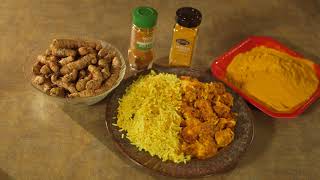
- The Food Factor: Turmeric
The Food Factor presents the best, research-based information related to food, nutrition, diet, and healthy lifestyles. Our host, Natasha Haynes, is an experienced educator with the Mississippi State University Extension Service who has spent over 15 years sharing tips for healthy living with Mississippians of all ages. She brings food science down to earth and makes it useful for today’s families. Click here to view previously aired shows, and be sure to follow The Food Factor on Facebook and Twitter.
- Inaugural Oxford Bourbon Festival and Auction Set for May 18th-20th
OXFORD, Miss – Chef John Currence and the Move on Up Mississippi Foundation proudly announce the inaugural Oxford Bourbon Festival & Auction, May 18-20, 2018, in Oxford. The immersive, three-day celebration of all things bourbon features private dinners by acclaimed chefs, exclusive tastings, incredible music, and a live auction of rare and one-of-a-kind bourbons and premium experiences. Proceeds from the festivities benefit Move on Up Mississippi, a not-for-profit organization founded by Chef Currence, dedicated to improving the lives of Mississippi’s underserved children. Hosted by Currence, the festival kicks off with a series of private dinners. Cooking in some of the most historic and beautiful homes in Oxford, the bourbon-themed meals, with paired wines and spirits, are prepared by distinguished chefs from around the country including James Beard Award winners and nominees. The official talent lineup can be found at OxfordBourbonFest.com. The talent is not limited to kitchen, as the soulful and dynamic stylings of The War & Treaty will take center-stage for an incredible live performance at The Lyric Theater. The festivities continue with a walk-around Bourbon Tasting Saturday afternoon where attendees can sample premium bourbons, meet distillers and whisky producers, and enjoy small bites by local chefs. Attendees will also have the opportunity to bid on an impressive lineup of items Saturday evening. Some of the most sought after names are those on the bottles of the fine and rare bourbons being sold at the live auction Saturday evening, with more than a dozen lots of impossible-to-get whiskies, including exclusive and hand-picked bottlings of Pappy Van Winkle 20 years old, Willett 13 years old, and Jefferson’s “Presidential Select” 18 years – just to name a few. These limited releases, custom selections and single barrel whiskies are from the private collections of celebrities, chefs and notable bourbon aficionados. The auction also includes non-bourbon related items like VIP access at the annual Billy Reid Shindig, world-class music experiences, behind-the-scenes distillery tours, and more. The festival concludes with a Sunday morning “Milk Punch” brunch at Bouré on the historic Oxford square. “We want this to be the biggest and “baddest” bourbon festival in the country, and in our first year, we’re off to really impressive start,” says John Currence, host of the Oxford Bourbon Festival & Auction. “The lineup of talent, in every aspect of this event, is at such a high-level, that this truly is a “can’t miss” event for any bourbon or food lover.” Ticket prices range from $35 for the Bourbon Tasting to $250 for each private dinner; VIP passes are also available. Additional information can be found at OxfordBourbonFest.com, and tickets can be purchased at OxfordBourbonFest18.eventbrite.com
- Cantina Laredo Announces Ultimate Cinco De Mayo Event
JACKSON, Miss — Cantina Laredo, Jackson’s destination for authentic Mexican food with modern flair, announced plans for the ultimate Cinco de Mayo celebration which will include live entertainment and a series of featured cocktails and drink specials. To celebrate, Cantina Laredo will offer $3 draft beers and $5 Casa 'Ritas, in addition to three Cinco de Mayo specialty cocktails created by Cantina’s mixologists with the holiday in mind. Live entertainment will begin with Jonny Mora Mariachi from 12 to 4 p.m., and more live music will take place on The District Green by Chris Boykin from 5 to 9 p.m. Because it’s also Derby Day, Cantina Laredo will broadcast the Kentucky Derby in the restaurant bar. Guests will be able to enjoy Cantina Laredo drink specials both inside the restaurant and outside on The District Green, as The District at Eastover’s “Go Cup” ordinance is now in effect. Cantina Laredo’s 2018 Cinco de Mayo cocktails include: 3 G’s Please - A fresh blend of Sauza Tres Generaciones Plata Tequila, fresh lemon juice, simple syrup, orange bitters and muddled strawberries, topped with a Sauza Tres Generaciones Plata Tequila strawberry boat float // $13 Cabo Flip - A Cantina Laredo favorite, made with Cabo Wabo Reposado Tequila, Grand Marnier and fresh lime, topped with a Cabo Wabo Blanco lime boat float // $12.75 Sunshine Margarita - 1800 Silver Tequila, Grand Marnier, agave nectar and fresh orange, lemon and lime juices, topped with a Grand Marnier lemon boat float // $12 These Cinco de Mayo cocktails are available for a limited time. Located in The District at Eastover (200 District Boulevard, Jackson), Cantina Laredo is open Monday through Thursday from 11 a.m. to 10 p.m., Friday through Saturday from 11 a.m. to 10 p.m., and Sundays from 11 a.m. to 9 p.m. For reservations or catering orders, please call 601.982.7061.
- Celebrate Spring’s Special Occasions with Simple, Memorable Dishes
Despite this week’s cool snap, the calendar confirms it’s spring, and that means it’s time to celebrate the special occasions occurring now until summer. Mother’s Day, high school and college graduations, and bridal showers are just some of the reasons to celebrate the special people in your life. And it’s a good time overall to put away the heavy stockpots and skillets you used to make winter’s heavy comfort foods like chili, soup, stew, and red beans and rice. Instead of filling, think “light, refreshing, and delicious!” If you’re contemplating hosting a special spring celebration but are worried about the time involved in preparing food for guests, consider mixing quality prepared baked goods from a reputable bakery or supermarket whose products you trust. A brunch or afternoon party table filled with layer cakes, cupcakes, sliced fruit breads, and plates of sliced fruit is more than adequate. As long as everything is served on nice platters (throw away those unsightly cardboard from the bakery) nobody has to know who prepared the food. Whichever route you chose – homemade or store-bought – the number one rule to remember is to relax, have fun, and enjoy the moment. After all, the recipient of and guests attending your spring celebration will treasure the memories of the special event long after thoughts about the food have faded. Following are three of my favorite springtime recipes that will make your event special while allowing you to enjoy your guests. Springtime Lemonade Cake 1 box Duncan Hines Lemon Supreme cake mix 1/2 of a 12-ounce can frozen lemonade concentrate 1 can sweetened condensed milk 8 ounce container of Cool-Whip Garnish: one lemon, thinly sliced Prepare cake using ingredients according to package directions and bake in two 8-inch cake pans. Cool and cut each layer in half. For frosting, combine milk and Cool Whip; add lemonade (to taste) until the right consistency is achieved (some may be left over). Frost and stack each layer, then cover entire cake with remaining frosting. Garnish with sugared lemon slices. Refrigerate before serving. Favorite Strawberry Pie 1 (8 ounce) package cream cheese, softened 1 cup confectioner’s sugar 1-8-ounce container whipped topping 2 cups (or more) chopped strawberries 1 shortbread pie crust Mix cream cheese and confectioner’s sugar in mixer; add whipped topping and strawberries, and mix well by hand. Pour into crust and garnish with strawberries. Chill for several hours or freeze slightly before serving. Peabody Hotel's Vanilla Muffins 2 cups granulated sugar 4 eggs 4 cups all-purpose flour 2 cups milk 1 tablespoon baking powder 1/2 cup butter 1 tablespoon vanilla extract Beat sugar and eggs together. Add remaining ingredients. Mix well. Put liners in muffin tin and bake at 350 degrees F for 20 minutes. Makes 24 muffins. Source: Peabody Hotel, Memphis, Tennessee
- Sparkling Wine Options Are Endless
A number of decades ago, sparkling wine was either pricey champagne or sweetened, effervescent plonk made by bulk winemakers in California, such as Gallo or Italian Swiss Colony. For those of you old enough to remember, Andre and a sweet sparkling red wine called Cold Duck should bring back a smile or a bad memory. Today, the sparkling wine opportunities are much broader with availability from most winemaking regions of the world. But the giants of value bubbles come from Italy and Spain. Although real French champagne still reigns supreme in the premium sparkling wine category, bargain-priced bubbly such as Italian prosecco and Spanish cava in the $10-$20 range dominate imported sparkling wine purchases. However, according to the wine trade magazine Shanken News Daily, sparkling wine is less than 7 percent of total U.S. wine consumption. It is projected to grow by 8 percent while total U.S. annual wine consumption is expected to grow only a little more than 1 percent. A significant portion of this growth comes from prosecco and cava. Prosecco is most commonly a sparkling wine made from at least 85 percent glera grapes grown in the Veneto and Friuli regions of northeastern Italy. Most typically it is fermented in stainless steel tanks utilizing the bulk charmant method. This economical way of making prosecco as opposed to the premium in-bottle fermentation contributes to prosecco’s reasonable price. Prosecco Valdobbiadene Superiore, made from grapes grown on hillsides in the Treviso district between the towns of Conegliano and Valdobbiadene, is generally considered superior to wine simple labeled "prosecco," and is a bit more expensive. Cava is most commonly made from three indigenous Spanish grapes: macabeu, xarel-lo, and paralleda. Like champagne, it is fermented in the bottle. Cava tends to be drier (with less calories) than prosecco, and also comes in a rosé version created by adding red still wine to the blend. We recently tasted some reasonably priced sparklers from Italy and Spain as well as two from Argentina and Chile. Following are our impressions. Ca’ Di Rajo Valdobbiadene Prosecco Superiore Extra Dry Millesima DOCG 2016 ($18). While most prosecco is a blend of several vintages, this sparkling wine is entirely from the 2016 vintage. The wine exhibits a delicate floral nose, medium body and apple and lemon flavors. Very elegant and refined. Tenuta Degli Ultimi Biancariva Rive Di Collato Prosecco Superiore Brut DOCG ($20-25). Full bodied with yeast elements in the nose and bright orange and tangerine flavors. A very nice package. Masottina Conegliano Valdobiaddene Prosecco Superiore DOCG ($22). A very light, elegant style of prosecco with floral and vanilla notes. Ruffino Prosecco DOC Extra Dry ($15). From a wine producer better known for its Tuscan still wines, this affordable and quaffable prosecco is very satisfying. Baked apple and almond elements dominate in a full-bodied sparkler. La Marca Prosecco DOC ($16). This is widely available and wildy popular. A pretty simple style of prosecco with apple and citrus elements. Quaffable and pleasant. Vilarnau Brut Reserva DO Cava ($17). A pretty complex sparkler for the price. Yeast and apples in the nose with crisp lemony citrus flavors. A great introduction to Spanish cava and a great value. Vilarnau Brut Reserva Rosé ($17). Crafted from the red grape varieties trepat and pinot noir, this pink sparkler is a delight. More body and flavor than its cousin reviewed above, this wine delivers abundantly bright cherry and strawberry fruit flavors. A delight to drink by itself or to pair with lighter meats, salmon, tuna or chicken. Delicious! Anna de Codornu Blanc De Blanc Brut Reserva ($15). Another amazing cava value. In a departure from traditional grapes, Codornu blends 70 percent chardonnay with the three traditional cava varietals. The result is a full-bodied and rich, tropical fruit-driven wine that delivers a great deal of pleasure. Toso Brut Mendoza Argentina ($15). From the producers of the very good Argentinean Pascual Toso malbec, this sparkling wine over delivers in the quality department. Elements of elegant toasty oak, ripe fruit and honey dominate. Crafted by legendary American wine maker Paul Hobbs, this 100 percent chardonnay is a winner. Valdivieso Brut Rosé Chile ($15). Although a bit on the sweet side despite the brut designation, this sparkling wine delivers pleasant strawberry and cherry flavors with a nice dose of yeast. Pretty simple, but pleasant. Ruca Malen Argentina Brut ($28). This 75 percent pinot noir, 25 percent chardonnay bubbly presents lovely pear and apple fruit notes with a bit of a brioche nose and flavor, and a long, creamy finish. A world- class sparkling wine. WINE PICKS Rodney Strong Knights Valley Cabernet Sauvignon 2014 ($35). This easy-drinking cabernet, blended with a dash of malbec, is always reliable for the price. Deep color, ripe plum and blackberry flavors with hints of mocha and spice. La Crema Arroyo Seco Chardonnay 2015 ($30). Exotic flavors of extracted papaya, apricot and tangerine make this a delicious quaff for seafood dinners or just sipping. Columbia Winery Red Blend 2015 ($14). This is a good value from Washington's Columbia Valley. Merlot, syrah, cabernet sauvignon, cabernet franc and malbec combine to deliver a forward, soft mélange of berry fruit flavors and hints of vanilla and spice. Grgich Hills Estate Fume Blanc Napa Valley 2015 ($31). This producer takes sauvignon blanc to a new level with a complex palate of layered tropic fruit and mineral flavors.
- Smart Tips to Keep Your Grill Clean and Safe
Nothing beats barbecues, block parties, and al fresco dining. For your family's safety and for the sake of your grill, here are some pointers on keeping that grill well-maintained all season. Visual Check Ensure your grill is still in good working order after the off-season by giving it a once-over. Remember to turn off the gas and tank valves before getting started. Check whether all of its components are intact, including gas hoses. Also, determine whether the tank is full. Keep in mind that many grills come with a warranty, and you may be able to replace worn out parts without needed to buy a brand new grill entirely. Quick Clean-Up When it comes to the grates, experts recommend using tools that allow you to skip the brush and the elbow greast to save some time and energy. "Spray a concentrated multipurpose cleanser over your grill's grates evenly, wait a few seconds to give the grease time to break down, then gently wipe the area down with a sponge," says TV contractor Jeff Devlin, who uses Mean Green on his grill. The spray, which was recently named by Real Simple Magazine as the best Multipurpose Spray, is available at Walmart and other retailers. Other Considerations A deep clean is important once or twice a season. However, after each use, you can keep debris and build-up from becoming a bigger problem with a quick spot clean. One important area you don't want to neglect is the bottom of the grill, where ash and grease build-up is likely to occur. Scrape out this section regularly. You can better protect your grill from the elements and guard against rusting by covering it after each use. If possible, use the cover provided by the manufacturer, as it is designed to best fit your grill. This season, take great care of your grill. With the right tools on hand, you can streamline your routine. Courtesy of StatePoint Media
- The Food Factor: Chicken Nuggets for Grown Ups
The Food Factor presents the best, research-based information related to food, nutrition, diet, and healthy lifestyles. Our host, Natasha Haynes, is an experienced educator with the Mississippi State University Extension Service who has spent over 15 years sharing tips for healthy living with Mississippians of all ages. She brings food science down to earth and makes it useful for today’s families. Click here to view previously aired shows, and be sure to follow The Food Factor on Facebook and Twitter.
- Madison Cellars Celebrates 30 Years
MADISON, Miss. – Madison Cellars Fine Wines and Spirits is celebrating its 30th anniversary on April 17th from 2 to 3 p.m. Stop by to help proprietor Pete Clark and his staff commemorate 30 years of success and service to the Madison community. Pete worked as a geological aide and driller for the Mississippi Geological Survey for seven years before he made the decision to open a business alongside his brother Jim in 1988. “At that time, there was not much retail in the City of Madison, but we saw the potential for growth,” Pete said. “Madison Station Shopping Center with Jitney Jungle had just opened in 1987, and there were a few retail spaces available. After doing some research, we decided a wine shop next to the grocery store would be a good fit for us, as well as the Madison community.” The store began as a 400 square-foot shop with just two wine racks and some liquor. With no other shelving, Pete often had to use empty boxes from other area wine stores to stack product for display. “I didn’t know much about wine and liquor in the beginning,” Pete said. “I was more of a beer drinker. I began doing research and taking courses to become a sommelier. Luckily the business grew at such a pace that I was able to take the time to really learn more about and appreciate wines.” Today, the store has expanded to over 4,000 square feet and offers a large selection of fine and unusual wines and liquor. For three years in a row, the store has been named to the Best liquor store in Mississippi by the Clarion Ledger readers. Over the years, Madison Cellars has managed to remain one of the top retailers in the state. Currently, it ranks 12th overall out of 600 package stores and 8th in wine sales. The store is constantly growing and evolving with new people and products showing up every day it seems. Pete said the best part of his job is the relationships he has created with the Madison community as well as his employees. “My employees are considered part of my family, and they genuinely care about the business and developing relationships with our customers,” he said. “With our regular customers, we are often able to anticipate their needs because of the personal relationships they have built with them. I aim to build loyalty with both my customers and my employees.” Pete said that while big box stores who carry similar products have started to crop up in the area, his customers realize the value of shopping local. “The advantage of shopping at a locally-owned business is that we are able to care for each customer’s needs and are knowledgeable about the products we are selling,” he said. “A smaller retailer is far more focused on the individual customer and providing quality products and service. At Madison Cellars, we appreciate each customer and want to make them happy about where they have decided to shop. “ Pete said there are also some misconceptions about pricing at traditional shops compared to the stack to the high roof stores. “I have shopped around and found prices do indeed vary depending on the individual item," hge said. “I know a few items will be slightly higher or lower depending on where it’s bought, but to drive all over to find a cheaper price is self-defeating. Locally-owned businesses will usually make efforts to bring the price in line if it is way off, and that’s not something you’re likely to discover at warehouse stores.” Pete strongly believes in giving back to the community he serves. Whether it is raising money for Alzheimer’s of Mississippi by the auctioning of the very rare Pappy Van Winkle bourbon, to mentoring young people at church, work, and in the community, Pete always looks to support and lift others. “Madison Cellars donates to just about every local charity, fundraiser, community golf tournament, school, and church function that requests donations,” Pete said. “The people who work here live in Madison and send their children to the public and private schools in the area. It makes a difference in where you live if you know where your money is going after it hits the register. Small shops do not get big tax breaks or incentives to open or send their deposits to billion dollar corporations. It all stays local, and I like that. ” One unique way Pete uses his business to give back is by donating scotch to the Gravediggers Guild at Chapel of the Cross. This group digs all of the graves by hand of those who are to be buried at the Chapel. There is an old Celtic tradition of consecrating the ground with spirits as the grave is being dug. At the finish, the remaining scotch is poured into the ground and prayers are offered up. “I have learned over the years that Pete uses his work as a ministry alongside it being his livelihood,” said Corey McKnight, a long-time employee of Madison Cellars. “Through celebrations, times of relaxation, and even grieving, he uses his work to add a human touch for others during both the significant and mundane moments of life.” By serving the community and working hard over the last 30 years, Pete Clark has created a thriving business with Madison Cellars and hopes to continue serving the people of Madison for many years to come. Madison Cellars is located at 1038 Highway 51. You can visit Pete and his two dogs Sugar and Lou on Mondays from 10 a.m. to 9 p.m. and Tuesdays through Saturdays from 10 a.m. to 10 p.m. For moreinformation, call 601-856-0931.
- Buckle, Crisp, Crumble, Cobber... Whatever You Call Them, Fruit Desserts Are the Best
A succulent crisp with sugary streusel on top. Or maybe a buttery Brown Betty. Perhaps a combination moist, crispy buckle is in order. But of course, a juicy cobbler with a soft blanket of dough would be nice. The options for creating a delicious fruit dessert are abound this time of year, when farmer’s markets and roadside fruit stands opening their doors. Soon enough, bins will be overflowing with summer fruit, making April the perfect month to make a fresh fruit pie or berry cobbler. Or a galette, buckle, crisp, crumble, slump, grunt, pandowdy, or dumpling. With short preparation and cooking times, fruit desserts are the perfect addition to light spring dinners, backyard cookouts, or family picnics during the peak of fresh produce season. Whatever they lack in sophisticated names and fancy appearance is soon forgotten after the first hot spoonful of one of these succulent berry desserts is sampled. Golden brown fruit-filled wonders hearken back to colonial America. Back then, times were hard and leftover fruits were recycled into thrifty, yet satisfying, desserts for the family table. Besides homegrown and wild fruits and berries growing freely on the farm, most cooks had the three basic ingredients of butter, sugar, and flour in their pantries. Fast forward a century or two and these fruit-based baked desserts are still favorites today. Despite additions of modern ingredients and alterations to olden-day recipes, they remain some of America’s favorites. While most people are familiar with a berry cobbler, there is often confusion about the differences in the other fruit-filled dishes. The answer exists in the toppings and layering of each one. A crisp has a crumbly, streusel topping, while a crumble is similar, except that it has a crumbly, pastry topping. A grunt, sometimes called a slump, is filled with sugary fruit and topped with dumplings, which a galette is a rustic fruit tart with a thin crust. A buckle has a streusel topping that when cooked, makes the top look buckled. This thick, cakey dessert is also sometimes called a crumble. And we’re not finished yet. A pan dowdy consists of fruit, brown sugar or molasses, and is most closely related to a regular pie. An old-fashioned Brown Betty is a spiced fruit dessert topped with buttered bread or cake crumbs that turn golden brown during cooking. Finally, to one of the south’s favorite desserts. A cobbler is a deep-dish fruit dessert with a sweet, biscuit-like topping. Some drop the dough in pieces on top while others roll out a smooth pastry covering. Either way, there’s really no way to mess up a cobbler. Even if you do, nobody can tell. Cobblers are free-form dishes that look and taste good no matter what you do to them. So relax and enjoy spring, knowing fresh fruit transformed into light cobblers, crispy, galettes and bumpy buckles will keep you and your guests well-fed and most of all, happy. Layered Buttery Berry Cobbler 2 cups of blueberries or your favorite fruit (if using fresh berries, place them in a bowl with a little water and sprinkle of sugar and refrigerate for one hour) 2 cups of self-rising flour 2 cups of sugar, plus two tablespoons, divided 1 cup milk 2 sticks of butter, room temperature Preheat oven to 400 degrees. Place butter in large ovenproof dish and heat in oven until melted and bubbling. In a medium saucepan over medium heat, mix berries with two tablespoons of sugar and bring to boil. In a separate mixing bowl, stir together flour, sugar and milk. Pour batter evenly across baking dish of bubbling butter, then pour berries and juice evenly on top of batter; do not stir. Bake 15-20 minutes or until top is golden brown. Let cool slightly and serve warm.
- Discover Wines from Ojai Vineyards
Ojai Vineyards is located in the small city of Ojai, California, hard against the sprawling Los Padres National Forest and less than 25 miles inland from the coastal city of Santa Barbara. Adam Tolmach is the founder of Ojai Vineyard, and his wine journey began after earning a viticulture and oenology degree in 1976 from University of California at Davis. After graduation and a stint at Zaca Mesa Winery, Tolmach met budding wine entrepreneur Jim Clendenen. Together they founded iconic winery Au Bon Climat in 1982 and worked together until 1991. After selling his share of Au Bon Climat to Clendenen in 1991, Tolmach concentrated his efforts on making wine from grapes grown in a family vineyard planted in the 1980s. Recently, we met with Fabien Castel, a native of Paris who is general manager and who has been an apprentice winemaker to Tolmach for the past 13 years. Fabien has no formal training in viticulture or oenology -- he earned a degree in biology and advertising in France. Fabien’s bio describes his relationship to wine as visceral, growing up in an environment where wine was a common experience from a young age. Our past experience with wines from Ojai Vineyard was quite different from the wines that we tasted with Fabien. The Ojai Vineyard wines from the 1990s presented massive, very ripe fruit that wine writers of the time praised. An Ojai Vineyards' grenache from that time is particularly remembered for its singular dedication to hedonism. Fabien acknowledged the previous style of winemaking and said that today's Ojai Vineyard wine is more refreshing with balanced fruit, acidity and tannin. The area around Ojai and Ojai Vineyard were devastated by the December fires, but according to Fabien, “The fires circled around us but with the amazing help of many firefighters and sheer luck we came out unscathed.” After tasting a sampling of Ojai Vineyard's 26 current wines, we were impressed with the balance of ripe fruit but a leaner, more European style of acidity and body. Fabien told us that grapes are picked earlier than in the past, harvesting when physiological maturity is achieved instead of maximum brix/sugar. Following were our favorite wines from the tasting: Ojai Vineyard Sauvignon Blanc “McGinley Vineyard Santa Ynez Valley 2016 ($30). This sauvignon blanc is for wine drinkers who have been put off by the grapefruit and herbal qualities that have dominated a generation of wines from this varietal. Ripe tropical fruit and peach elements along with light citrus notes. Barrel fermentation and aging help provide a very appealing roundness to this wine. Ojai Vineyard Chardonnay Puerta Del Mar Vineyard Santa Barbara County 2016 ($32). Produced from grapes from the coolest Ojai vineyard, this wine is beautifully balanced with pear notes and a creamy, almost buttery, mouthfeel. Ojai Vineyards Pinot Noir Santa Barbara County 2015 ($38). An assemblage of four different parcels in Santa Barbara County, this wine is the real deal -- very appealing wild cherry and spice package that we thoroughly enjoyed. Ojai Vineyards Grenache John Sebastiano Vineyard 2014 ($34). Entirely grenache, this wine is still a baby that shows promise. Cherries and plums are just emerging in this ample wine that offers balanced acidity and pretty good tannins. Purchase but wait at least 3-5 years to drink. Ojai Vineyards Syrah Santa Barbara County 2014 ($34). This is a wonderful syrah with intense plum spice notes and a Northern Rhone like gaminess. A lovely creamy mocha finish completes the package. Delicious! WINE PICKS Cliff Lede Stags Leap District Cabernet Sauvignon 2015 ($78). Winemaker Christopher Tynan shows what Stags Leap vineyards can produce in both power and finesse. Generous red and black fruit character with a bit of cassis, leather, and mineral. It's the classic iron fist in a velvet glove. River Road Mills Cuvee Chardonnay 2016 ($30). From the Green Valley of Russian River Valley this complex chardonnay has elegance and richness with stone fruit flavors and a creamy, oaky finish. Rodney Strong Knights Valley Cabernet Sauvignon 2014 ($35). This easy-drinking cabernet, blended with a dash of malbec, is always reliable for the price. Deep color, ripe plum, and blackberry flavors with hints of mocha and spice. La Crema Arroyo Seco Chardonnay 2015 ($30). Exotic flavors of extracted papaya, apricot and tangerine make this a delicious complement to seafood dinners or just sipping. Columbia Winery Red Blend 2015 ($14). This is a good value from Washington's Columbia Valley. Merlot, syrah, cabernet sauvignon, cabernet franc, and malbec combine to deliver a forward, soft combination of berry fruit flavors and hints of vanilla and spice. Ruca Malen Argentina Brut N/V ($28). We don’t often see sparkling wine from Argentina but after tasting this beauty maybe we should. Made in the traditional “method champenoise” perfected in the Champagne region of France, this 75 percent pinot noir, 25 percent chardonnay bubbly presents lovely pear and apple fruit notes with a bit of a brioche nose and flavor, and a long, creamy finish. Le Vigne Winery Sangiovese Estate Paso Robles 2014 ($37). This is a deep, rich sangiovese with a complex mélange of plum, cherry, and blackberries. Some spice notes along with a bit of oak complete the very appealing package. Drink with spicy barbecue or roasted meats.