1733 results found with an empty search
- Grande Dame of Hattiesburg's Culinary Scene Celebrates 32 Years
After dining at and comparing the merits of hundreds of restaurants, I’ve found that outstanding ones usually have two common denominators: a varied but not overly-crowded menu, and an above-average bread basket. Purple Parrot Café, reigning supreme on Hardy Street in Hattiesburg for over three decades, is one of our state’s culinary crown jewels in terms of sustainability, ambiance, personal service, and outstanding food. It’s the perfect “date night” or special occasion celebratory meal destination, but I’d be remiss if I relegated it to those categories. Whatever the occasion or reason for desiring a memorable meal, the staff and chefs at Purple Parrot, led by area restaurateur Robert St. John, ensure that every dining experience is perfect from beginning to end. Purple Parrot, the first of St. John’s restaurants to be opened 32 years ago when he was only 27, has garnered an impressive array of culinary awards including multiple AAA Four Diamond Awards. Notably, Purple Parrot is one of only five restaurants in the state, as well as the only non-casino restaurant in the state and the only eatery north of the Gulf Coast, to earn the prestigious four-diamond ranking. When you consider the number of restaurants that have disappeared during the past 32 years, it’s easy to see something amazingly different is going on in the kitchen and dining room of this Grande Dame of Hattiesburg’s culinary scene. The ambiance of the calm and well-appointed dining room highlighted by rich, wood finishes, artwork by Mississippi artist Wyatt Waters, and white-clothed tables is in stark contrast to the hustle and bustle of St. John’s adjacent establishments, including Crescent City Grill, Branch, and Mahogany Bar, along with busy Hardy Street just steps from the front door. It’s a calming oasis where diners can relax and enjoy a pre-dinner beverage and creative appetizer while perusing the menu. I’ve visited Purple Parrot several times over the years, working my way across the succinct menu for festive lunches, special occasions, and dinners with friends. Everything I’ve sampled has been unique, fresh, and superbly prepared. And, meeting my other criteria, baskets of hot, fragrant, fluffy homemade rolls are placed on the table prior to every meal. If that’s not an indication that this restaurant knows good service and even better, great bread, I don’t know what is. During my most recent visit on the restaurant’s 32nd anniversary, I chose an interesting starter to begin my meal. A succulent smoked duck spring roll ($11) was excellently-prepared and equally tasty. My friend chose seared sea scallops ($12) highlighted with Madeira, creamed corn, tasso, and leeks. Other appetizers include an artisan cheese plate ($12) filled with assorted cheeses and locally-grown honey; Cajun caviar remoulade ($13) composed of Louisiana caviar, fried green tomatoes and shallots and rillettes duo ($12) filled with duck confit, rillettes, and smoked salmon rillettes. Now, on to the piece de resistance, Purple Parrot’s steaks. Learning from a local friend about the restaurant’s hidden secret, delicious steaks, was a nice surprise and diverted my attention from my usual choices. Each steak is served with a side dish of one’s choice. The six-ounce filet is the most affordable at $34, and the cut I initially settled upon after reviewing the lineup of steaks. After watching a sizzling ribeye ($34) being delivered to a neighboring table, my friend and I decided to make the same selection. Seared to perfection and oh-so-lightly seasoned with a red wine demi glace, it was one of the best steaks I’ve ever eaten. Other steaks on the menu are the 10-ounce filet ($42), 16-ounce prime rib ($46), and 10-ounce Wagyu flat iron ($32). Additional entrées include blackened Gulf fish ($26) served with tasso and andouille maque choux; grilled Gulf fish ($26, $6 extra for jumbo lump crabmeat) with fall vegetables, roasted garlic, and sage Banner butter; short rib osso bucco ($28) along with roasted garlic mashed potatoes, charred carrots in a red wine demi glace; braised lamb shank ($36) along with farro risotto, root vegetables, Swiss chard, fennel, and pepper relish; duck breast ($28) that has been pan-seared with a cherry demi glace, Swiss chard, and parsnip purée; pasta fresca ($26) filled with lamb, root vegetables, and roasted mushrooms; roasted chicken ($22) with sweet potato and apple cider gratin, bacon Brussels in buerre blanc, and acorn squash ($18) stuffed with farro risotto and Swiss chard, topped with sage and roasted garlic Banner butter in a balsamic reduction. As I’ve described, steaks and other entrées stand on their own merit, but a few well-chosen sides (in the $5-6 range) make each dinner even more memorable. One of my all-time favorites is garlic mashed potatoes. Others are charred chili carrots, maque choux, bacon Brussels sprouts, house cut fries, and roasted asparagus with béarnaise. Additional accompaniments are Purple Parrot’s innovative soups or salads ($6-$7). Equally delicious are corn and crab bisque, seafood gumbo, gumbo ya-ya, Caesar salad, and the restaurant’s trademark sensation salad. The recipe for this tangy salad dressing has been often-imitated but never duplicated. If you have room for dessert, a serving of one of Purple Parrot’s innovative desserts is the perfect ending to a meal you’ll never forget. On the night we visited, eggnog crème brulee was on the menu, along with white chocolate bread pudding. My friend and I both selected the former. I’ve sampled quite a few dishes of this creamy dessert in my lifetime and venture to say, this version was very near the top of outstanding crème brulees served to me over the years. Purple Parrot Café is located at 3810 Hardy St. in Hattiesburg. The restaurant is open for Sunday brunch from 11 a.m. – 2 p.m.; Monday – Thursday, 11 a.m. – 2 p.m. and 5:30 – 9 p.m.; and 5:30 – 10 p.m. on Friday and Saturday. Call (601) 264-0657 for more information or to make reservations.
- For Healthier Eating, Grill More In the New Year
Planning to follow a trendy diet like keto in 2020 or simply want to eat right? There’s good news -- grilling can be a great option for you to kick-start eating healthier in the new year. Indeed, the American Heart Association recommends it. “Grilling is a year-round way of life, bringing together family and friends,” says Jeff Thiessen, president of Pit Boss Grills. “Luckily, those watching their diets can still get healthy foods with the fun and flavor of a backyard barbecue.” Use these tips to make healthier meals prepared on the grill: Let your spices do the heavy lifting. You can add exciting and bold flavor to any recipe using seasoning mixtures. Spice up foods like veggies or lean meats with seasoned rubs or marinades for amazing flavor without all the calories. Eat fresher. Round out recipes by including fresh vegetables. For the best flavor and highest nutritional value, look for locally-grown produce. Vegetables make an excellent addition to any meal as grilled kabobs or chopped up and tossed in your favorite chili. Be versatile. A healthy diet is a versatile diet. Look for a grill offering multiple cooking options, including baking, roasting and smoking, such as Pit Boss Grills. Their 8-in-1 versatile grills allow you to do it all with one-of-a-kind hardwood flavor. Try it yourself. For a delicious spin on a favorite barbecue classic, try this Healthy Hawaiian Pulled Pork, right from the Pit Boss playbook. Healthy Hawaiian Pulled Pork 2 cups aloe leaf juice 1 teaspoon coriander, ground 2 teaspoons cracked pepper 1 teaspoon cumin Dash of salt 4-6 garlic cloves 1 3-inch ginger, fresh 1-2 limes 4 cups no sodium added chicken bone broth 1/4 cup olive oil 4 teaspoons paprika 6-8 pounds pork shoulder/butt 1/2 sweet onion 2 packets Truvia 2 tablespoons Truvia Nectar Set grill to “smoke.” Once the pot catches, turn the grill up to 300 degrees F. Make sure your flame broiler is closed, you’ll want to use indirect heat. Add spices to a bowl. Set aside. Grate ginger into a separate “wet ingredients” bowl. Mince garlic cloves and dice onions into the same bowl. Juice limes and add chicken bone broth, aloe leaf juice, Truvia and Truvia Nectar. Mix and set bowl aside. Add the oil to your Pit Boss Cast Iron Roasting Pan and coat the bottom and sides. Place pork inside. Coat pork with dry rub. Pour wet ingredients around the pork. Cover with lid and set on the grill. Check every couple hours, basting if needed. When internal temperature reaches 195 degrees F (after 6-8 hours), it should easily start to pull apart. Don’t pull apart the whole shoulder yet. Remove roasting pan from grill and set aside for 1 hour. Remove lid to help speed cooling. Once cooled, shred pork into a separate bowl, removing fat. If adding marinade for additional flavor, skim fat off the top and discard. Pair with fresh grilled veggies, delicious fruit or make tacos or salads, and voila! To shop grills, as well as find cooking tips, grilling resources and additional recipes, visit pitboss-grills.com. By following the keys to healthy grilling, you can create guilt-free meals in 2020. Courtesy of StatePoint Media
- Soup's On!
When it's cold outside, there's nothing better than a hearty bowl of soup after a long day. January is National Soup Month, so try out some of these tasty soups this month! Thai Garden Vegetable Chicken Wonton Soup Creamy Potato Soup (Vegan) Pasta Meatball Soup Healthy Chicken and Wild Rice Soup Vegetable Beef Soup
- Burgundy Wines Are Always Delicious
When we became interested in wine, we first visited France, arguably the most revered wine growing region in the world and certainly one with the most influence on winemaking. Although we liked the Bordeaux region, we found ourselves drawn to Burgundy where pinot noir and chardonnay excel. Our love for Burgundy hasn’t changed. Burgundy stands in sharp contrast to other wine growing regions in France. You won’t find the palatial chateaus that demonstrate the grandeur of Bordeaux. Its people are more like farmers who prefer walking the vineyards to sitting in a stuffy board room. While large negociants – Bouchard, Louis Latour, Louis Jadot, Joseph Drouhin – are household names among burgundy fans, it is the small producer who make some of the most exquisite burgundy. Unique to Burgundy are the dizzying number of vineyard owners, many of whom own only a row or two of vines. Many plots are farmed by so many farmers, a producer has to blend their grapes to make enough wine to sell. At the heart of Burgundy is the Cote d’Or, or “golden slope,” which is composed of Cote de Beaune and Cote de Nuits. Chablis, Beaujolais, and the Maconnais are also part of Burgundy, but the Cote d’Or that is considered the primary region for grand and premier crus. To this day, we crave fine burgundy, but the escalating prices of grand crus took us out of the game long ago. The wines from the communes of Clos de Vougeot, Aloxe-Corton, Puligny-Montrachet, and Beaune can easily cost more than $300 a bottle. However, recently we have been having fun finding gems from the Maconnais and Cote Chalonnaise where communes such as Girvy, Mercurey, and Montagny are producing good wines for a lot less money. Even in the Cote d’Or there are smaller villages, such as Santenay and Marsanny, where producers are selling pinot noir and chardonnay for less than $50 a bottle. Finding the good ones can be a frustrating experience. We love the nutty chardonnay from Meursault, but the best go for $100 or more a bottle. When we see one for $40, we gamble on it and are routinely disappointed. There are so many mediocre wines in Burgundy that you need a guide to point you in the right direction. Recognizing the reputable importers, printed on the back of the label, helps. Kermit Lynch, Becky Wasserman, and Robert Kacher are just a few of the importers we have relied on to choose good peasant burgundy. And major burgundy houses – Louis Jadot and Louis Latour, for instance – have invested in the Cote Chalonnaise. More recently, we have discovered Elden Selections, an exclusive burgundy producer owned by ex-pats Eleanor Garvin and Dennis Sherman who have lived among Burgundians since 1992. They represent 30 producers and sell more than 250 burgundies on their web site, www.burgundywine.com. While some of their grand crus sell for well more than $100 a bottle, it’s not hard finding selections well under $50. We recently ordered a half dozen bottles and were stunned by the quality-to-price ratio. The web site provides a lot of information about the producer and the region. Mixed cases start at around $350. Here are several reasonably priced burgundies we found through Elden Selections: Domaine Mouton Givry Premier Cru Clos Jus 2015 ($49). We were blown away by this delicious, earthy and balanced pinot noir. Juicy and ready to drink, it has black cherry and plum notes with a long finish. Laurent Mouton is not related to the Mouton-Rothschild clan, but he was able to prevail in his fight to use the name on his bottles. His property is far south in the Cote Chalonnaise. Domaine Jean Fery & Fils Pernand-Vergelesses “Les Vergelesses” Premier Cru 2016 ($59). Near the village of Echevronne in the Cotes du Beaune, these vineyards produce an excellent burgundy with effusive floral aromas and easy, lasting flavors of strawberries and raspberries. The tannins are soft but still portend good things to come. Domaine Jean Dauvissat Pere et Fils Chablis 2016 ($35). We like the minerally and pure-fruit chardonnays from Chablis. This one is so concentrated and long in the finish with a luxurious texture and balanced acidity. Wine picks Chalk Hill Estate Red 2016 ($70). This Sonoma County producer rightly prides itself in making food-friendly wines. This blend of 47 percent cabernet sauvignon, 37 percent malbec, nine percent petit verdot, and seven percent merlot is ready for a steak. Blackberry and tobacco aromas give way to rich black cherry and blackberry flavors with hints of vanilla and chocolate. Gritty tannins portend good things to come for those who want to cellar this wine. Decoy Sonoma County Red Wine 2017 ($25). From the Duckhorn Portfolio, this blend of cabernet sauvignon, merlot, zinfandel, petite sirah and syrah sports depth and character that you would find in a more expensive wine. Full bodied and chock full of ripe, red berry flavors. Cusumano Angimbe 2017 ($26). We were pleasantly surprised by the pizzazz of this Sicilian blend of insolia and chardonnay. Bright grapefruit and pineapple flavors with a dash of lime and bright acidity. Paraduxx Atlans Peak Napa Valley Red Wine 2016 ($82). Duckhorn created its Paraduxx line to allow for unconventional blends. This combines sangiovese with cabernet sauvignon to create a smooth and luscious melange of raspberries, cranberries and strawberries. Hints of dried rosemary. A classic iron fist in a velvet glove, this Atlas Peak wine is delicious.
- Cast Iron Care
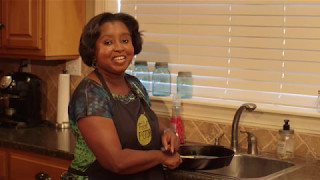
Cast iron is one of the most versatile pieces of cookware in the kitchen. It is durable, cooks food evenly, and maintains heat. But the great debate is: how do you clean it? In this weeks episode of the Food Factor, Mississippi State University Extensions Natasha Haynes tells you how to clean and season your cast iron properly. Originally aired May 29, 2017
- Meatballs, Cheesecake, and Bagels Were Most Memorable Part of NYC Trip
Readers’ questions on restaurant recommendations often extend beyond our state borders. Accepting an invitation to join a large group of friends in New York City for a pre-Christmas trip created the opportunity to share new culinary adventures. After all, New York is home to some of the world’s best restaurants. More than a few were on my bucket list. I was surprised to learn a trip to NYC can be affordable, even if, like me, your travel budget is limited. Here are the top highlights of my trip, including cost-savings and, most importantly, bucket list restaurants that exceeded my expectations. 1. New York City has a reputation for being an expensive place to visit. During my pre-trip research, I found out our hotel, Sheraton at Times Square, was located directly across from NYC and Company. It’s the official marketing organization for New York City. Recommendations on the best hotels in all price ranges, lists of thousands of restaurants, transportation, attractions, and “all things New York City” are located on one comprehensive site, www.nycgo.com, as well as social media platforms. From my personal experience, purchasing a CityPASS is the best way to see NYC. It offers a significant cost-savings on the entry fees to most of the city's top attractions. 2. Now to the first restaurant on my list: Junior’s Deli. The recipe for NYC’s Junior’s Famous #1 Cheesecake is one I’ve replicated for several Easter dinners. Sampling cheesecake, along with a corned beef and pastrami sandwich, or anything, really, at the 70-plus year-old landmark, has been a frequent daydream. On the second day, my dream came true. Sitting at the old-fashioned lunch counter was surreal, especially when a jovial New Yorker seemed fascinated with my southern accent as I placed my order. Junior's exceeded my expectations and then some. Check out Junior’s website at www.juniorscheesecake.com to drool over the restaurant and bakery menus or order a cheesecake. 3. Checking off restaurant bucket list items still allowed time to join the group for special meals and events. These included stops at Sardi’s, a 90-year-old theatre district staple at which I sampled delicious cannelloni; Bryant Park Grill, a lively, upscale eatery where I enjoyed tangy Moroccan lemon chicken, and the Rainbow Room on the 65th floor of Rockefeller Center for a late-night dessert of flaming baked Alaska after the famed Rockettes Christmas Spectacular. Surprisingly, Trump Tower Café proved to be an affordable brunch spot for carb-loading on authentic New York-style bagels and cream cheese and blueberry scones before a brisk morning walk in Central Park. 4. The number one item on my New York bucket list was to dine at the famed Carmine’s Italian Restaurant. The much-anticipated celebratory meal on Saturday evening was the perfect antidote to a sobering visit to the National 9/11 Memorial and Museum. Side note: I highly recommend a visit to this extraordinary museum. Located on eight acres at the World Trade Center site, the heartbreaking story of 9/11 is told through historic footage and displays, authentic artifacts, and personal stories and voice recordings of loss, recovery, and hope. At the site of both towers are reflection pools containing majestic waterfalls encircled by walls inscribed with the names of 9/11 victims. Overall, the museum is a must-see destination for all Americans. 5. Finally, to the culinary highlight of my trip. Three friends and I were fortunate enough to score a scenic window table at Carmine’s. As throngs of people scurried through Times Square in the bitter cold, just inches away, we settled in for a sumptuous meal of hearty Italian classics. For starters, we almost – but not quite – felt like we were back in the south when we learned platters were to be shared family-style around the table. We soon learned Carmine’s takes large portions and sharing to an entirely different hemisphere. Watching aromatic, steaming platters of meatballs pass by en route to other tables created unparalleled food envy. As a result, we bypassed a long list of appetizers and went straight for the pasta. Carmine’s mammoth homemade meatballs (pictured right, courtesy of Carmine's) made of beef and veal and served in marinara and ragu sauces over pasta was the unanimous choice. For a pasta-lover like me, it was my idea of food heaven on a platter. It’s hard to accurately describe the amazing pasta dish in a few words. Suffice to say, I’ve been dreaming about the juicy meatballs, tangy sauces, and delicious pasta ever since. I’ve ordered a copy of Carmine’s cookbook, but like Junior’s cheesecake, I don’t anticipate my version turning out as delicious as theirs. Pasta and meatballs would have sufficed for meal, yet we couldn't resist ordering another recommended dish, chicken parmigiana. Expertly-breaded chicken had been pan-fried to a crispy, golden brown, then topped with melted mozzarella and Romano cheese and served over marinara sauce. So yes, it surpassed all recommendations. Carmine’s also serves seafood, steaks, veal and other Italian delicacies. But they "had us at pasta," so sampling the remainder of the menu will have to wait until a return trip. Visit their website at www.carminesnyc.com. 6. If you’re considering a trip to NYC but need to stick to a budget, you’re in luck. Special promotional packages are most prominent during the coldest winter weather. If your schedule allows, the next few weeks are a great time to go. NYC Winter Outing runs January 21 through February 9, offering significant cost savings during Restaurant, Broadway, and Must-See Weeks. Hotels also offer the most attractive rates of the year during this time. Check out details at nycgo.com/nyc-outing. Or, drop me an email and I’ll pass on more restaurant recommendations and trip tips. Like me, you’ll leave NYC with memorable cheesecake and meatball memories.
- Wine Industry Changes Were Abundant This Decade, and More Are to Come
The beginning of a new year gives us the opportunity to set personal goals and reflect on where we’ve been and where we’re going. That 2020 is also the beginning of a new decade and allows us to extend our reflections. Since we began writing this column more than 30 years ago, a lot has changed in the wine industry. The wines got better, for one, and especially from countries where quality wine isn’t expected. Much of is due to climate change that has provided better growing conditions to places like Great Britain and China. Adversely, global warming has brought challenges to other regions, such as Bordeaux, Champagne, and even Napa Valley. Five new grape varieties more tolerant of the heat were approved for part of Bordeaux. Here are some other changes we have recently seen that will be interesting to watch over the next decade: Organic farming Organic farming has picked up a lot of steam in the past decade as more growers are finding it better for the environment, cheaper, and better for the wine. Not only are fewer pesticides, herbicides, and chemical fertilizer being used in the vineyards, but wine is being made with fewer additives, such as sulfite, as well. But winemakers still have not made this simple for consumers to understand the difference between organic, biodynamic, sustainable, and natural. It’s a bunch of doublespeak. Organic is the only term defined by the government. “Organically grown grapes” means no synthetic material – pesticide, herbicide, chemical fertilizer – were applied in the vineyard. “Organic wines” mean the product comes from organically grown grapes and no additional sulfites were added. Let’s hope the wine industry establishes clarity to this convergence of terms. Blends Over the past decade, there has been a growing trend toward nontraditional blends. Bordeaux is a historically and legally defined blend of five grape varieties. Champagne is made from three principal grape varieties. Italy and France are awash in government regulations that require winemakers to use only certain grapes. But winemakers from many regions have thumbed their noses at the government and introduced unapproved grape varieties. Parts of Italy, for instance, have introduced noble grape varieties, such as cabernet sauvignon, to their wines. In California, it is common to find zinfandel with cabernet sauvignon and syrah. Expect this to continue. Land-free winemakers Over the past decade, fewer producers are growing their own grapes and bottling it at their own facilities. New wine producers simply buy the grapes from a grower and make and bottle the wine at a custom crushing facility. When the wine becomes successful, they sell the name. The Prisoner, for instance, was a concept of David Phinney who sold it to Huneeus Vitners who then sold it to Constellation for $285 million. Imagine that: no vineyards, no property, just a label. The image of the little Italian family picking grapes from their vineyards and spending holidays crushing grapes with their feet is but a memory. We expect to see more wine from producers who own no property. And, while we’re on this subject, expect to see fewer family owned wineries. Slowly, large corporations such as Constellation, Trincheo, Gallo, and Kendall-Jackson are picking off the family operations one by one. Unfortunately, the loss of family owned wineries often leads to more generic wine as the public-held corporations focus on profits. Wine consumption Wine sales have been on the upswing ever since “60 Minutes” lent credibility to the health benefits of wine consumption. In the last decade, most studies confirm that moderate consumption helps the heart. However, consumers have taken this to extremes. Alcoholism is increasing, especially among women who are being targeted by marketers. There are cups, bottles, and t-shirts that glamorize mommies who need a glass of wine to reduce family stress. Even on television, you see talk show hosts drinking wine or, in the case of one all-male show, beer in the morning. In the past decade, baby boomers commanded the wine scene. But in 2021, Gen Xers will eclipse boomers as the largest fine-wine consuming cohort. Like millennials, they are more adventurous and less likely to embrace tradition. Favoritism in the next decade could easily shift from traditional wines, such as Bordeaux, to less traditional blends and regions, such as Croatia, Sicily, and even China. Prices A decade ago, you could find a decent bottle of wine for under $10 – imagine that! In recent years, the sweet spot is in the $15 to $20 category. Luxury wines costing $50 and more have done surprisingly well because we are living in prosperous times. A market correction is likely in the next decade, and that will hurt sales of luxury items like wine. More immediate is the threat of more tariffs on wine. Some tariffs were applied at the end of 2019, but the Trump administration is threatening much higher and expanded tariffs as we start 2020. We have no idea if this is just a threat, but higher tariffs will mean more expensive European wine. Consumers could easily shift to New Zealand, Australian, Croatia, and other unaffected wine regions. If you want more information or if you wish to protest the proposed tariffs, check out https://www.vintus.com/2019/12/20/2020-not-1920/. Wine picks Stags’ Leap Winery “The Investor” Red Wine 2016 ($60). This is a blend of 40 percent merlot, 30 percent petite sirah, 20 percent cabernet sauvignon and 10 percent malbec.The serious tannins give it longevity but the rich texture makes it enjoyable now. Luscious blueberry and raspberry flavors with layers of spice, pepper, and mint. Decoy Sonoma County Chardonnay 2018 ($20). The makers of Duckhorn wines put the same amount of care into its value-driven Decoy wines as they do its premium wines for three times the cost. This chardonnay, like the Decoy cabernet sauvignon, has young, fresh fruit character and balance. Apple and stone fruit flavors dominate the palate with a hint of cinnamon. Sebastiani Alexander Valley Cabernet Sauvignon 2016 ($40). Made entirely of cabernet sauvignon, this delicious and sturdy wine has enticing cranberry and tea aromas with ripe black cherry, blackberry flavors and a hint of rosemary. The fruit forward character makes it approachable without any additional aging. Inman Russian River Valley Chardonnay 2016 ($45). Pear and almond aromas give way to a broad spectrum of apples, citrus, mineral flavors. It is a wonderfully textured wine with fresh acidity.
- Mississippi Agriculture Nears $7.4 Billion
STARKVILLE, Miss. - In 2019, Mississippi’s agricultural industry faced the prospect of dipping below $7 billion for the first time in eight years, but federal payments pushed its value up enough to post a slight gain over 2018. The estimated value of Mississippi agriculture in 2019 is $7.39 billion, a 0.2% gain from last year’s $7.37 billion. Included in the total is an estimated $628 million in government payments, the largest amount of federal assistance Mississippi producers have seen since 2006. The total value not including those payments is an estimated $6.8 billion. 2011 was the last time total values prior to government payments were below $7 billion. Keith Coble, head of the Mississippi State University Department of Agricultural Economics, said the projected increase in net revenues reflects a nationwide trend. “Government payments such as Market Facilitation Program payments are meant to mitigate farmer income losses due to the trade war with China,” Coble said. “The 2019 program is based on national commodity price changes estimated to reflect market losses and the county aggregate crop mix in 2019. Cotton and soybeans had the largest relative losses for 2019. “County payments range from $15 to $150 per acre,” he added. “Variation across Mississippi counties is largely driven by the relative percentage of cotton grown in the county.” Poultry production was down 3% to an estimated $2.78 billion. The state’s forestry industry held steady at $1.15 billion. Livestock production was down 2% to an estimated $388 million. Catfish production was up 5% to just over $172 million. The commodity group with the most fluctuation was row crops. At an estimated $2.3 billion, overall totals were down 6.5% from 2018. Most notably, corn vaulted 39% from last year, while soybean values dipped 27%. “The U.S.-China tariff standoff had a major impact on crop markets and production this year,” said MSU Extension Service row crop economist Will Maples. “Coming into the planting season, price signals were not very favorable to plant soybeans as the harvest month futures contract price hovered around $9 a bushel. The low price of soybeans was due to our trade issues, which made corn and cotton the more attractive crops to plant this year.” Soybeans were still the most profitable row crop despite the standoff and reduced acreage. Production values fell to $762 million in 2019 after eclipsing $1 billion last year. Producers planted fewer than two million acres of the crop for the first time since 2012. Cotton growers had a strong crop this year, planting more than 700,000 acres with average yields of 1,082 pounds per acre. However, lower cotton prices offset increases in the value of total production that would typically follow. The estimated total production was about $585 million, an increase from last year of about 1%. Maples said cotton acreage was up 95,000 acres this year. “The drop in cotton price was not directly tied to the trade war with China but a symptom of it,” Maples said. “Due to low soybean prices, the U.S. overall planted a lot more cotton than the market expected, and the extra supply dropped prices.” The value of corn production was the highest it has been in six years, checking in at nearly $455 million thanks to a 160,000-acre increase in acreage and slightly better market prices than last year. Hay is expected to have nearly $151 million in value this year, which is a 25% increase. Rounding out the top five in row crop production was specialty crops, which held steady at nearly $106 million. Sweet potatoes were a $95 million industry despite falling 11% from 2018. This crop outperformed rice, whose value fell 19% from last year to about $91 million. Peanut production in Mississippi was worth $16.3 million this year, while grain sorghum values were slightly over $1 million. Percentage wise, the row crop seeing the largest production decrease was wheat. The estimated $4.8 million total is almost a 33% drop from last year.
- Try These Kale Varieties For Colorful, Edible Gardens
Nagoya is a long-lasting, cool-season bedding kale that also adds interest to fall containers with its colorful, highly fringed leaves. (Photo by MSU Extension Service/Gary Bachman) I’m continuing to catch up with my landscape and garden work after an extremely busy fall and early winter season. This past weekend was perfect to get some much-needed cool-season color planted. I’m going to continue the theme of last week’s column on enjoying an ornamental and edible garden and landscape. The kale varieties I wrote about -- Winterbor, Starbor, and Redbor -- are not the be-all and end-all in the world of pretty and fancy-leaved kale that can be planted and enjoyed. These kale varieties have been bred for a vibrant display of dazzling colors that range from snowy white to reds, pinks and purples and have ruffled, textured leaves and feathered leaf edges. Many of the selections in garden centers may seem, well, a little green, and you ask where the color is. As the temperature drops, the colors will develop. Varieties that have been good performers in Mississippi include Nagoya, Chidori, and dinosaur kale. Nagoya kale has a uniform rosette growth habit and produces colorful, attractive, fringed leaves. Combination plant this colorful flowering kale for the autumn to winter season with pansy and viola. Nagoya is a long-lasting, cool-season bedding plant that also adds interest to fall containers with its colorful, highly fringed leaves. Chidori kale grows with its frilly and striated leaves tightly wrapped in an open head. The center leaves are composed of rich and bold shades of red, magenta and fuchsia with the outer layers of leaves being more bluish green. One popular type of kale is Toscano, often called dinosaur kale, which has deeply blistered, almost greenish-black-tinted leaves. You will likely agree the leaves really look reptilian. This variety is called Black Magic and is packed with healthy flavor and beneficial phytonutrients. Some of the best growth and performance I get is by planting kale in an EarthBox, which is my favorite home growing system. I really like seeing the Red Russian kale, destined for a winter recipe, all lined up growing in my EarthBoxes. Droughty weather can happen in the winter season. Kale likes consistent soil moisture. A layer of mulch can help conserve soil moisture. Don’t forget that kale plants don’t like “wet feet,” so good bed drainage is essential. Kale is actually a fairly heavy feeder. I like to add a tablespoon of a good slow-release fertilizer into each planting hole to get the plants off to a great start. Then, on a monthly schedule, I like to use water-soluble fertilizer. These applications will keep the plants healthy and strongly growing. Even though many of these kale varieties have been known for their ornamental attributes, remember they are also edible. Many have a strong flavor that is pretty close to cabbage, which shouldn’t be a surprise as kale and cabbage are closely related. In fact, they have the same botanical name: Brassica oleracea.
- Poultry Retains the Top Spot in Mississippi Agriculture
Mississippi’s poultry industry was valued at an estimated $2.8 billion in 2019. (Photo by MSU Extension Service/Kevin Hudson) STARKVILLE, Miss. -- Overcoming every challenge that comes its way, Mississippi’s poultry industry maintained its 25-year streak in 2019 as the state’s number one agricultural commodity. Broilers, eggs, and chickens brought an estimated $2.78 billion to the state’s economy, down three percent from a record high in 2018. The biggest challenges came from reduced egg prices and a huge industry shift to “no antibiotic ever” -- or NAE -- poultry production. Tom Tabler, Mississippi State University Extension Service poultry specialist, said recent years have been difficult for the industry. “Part of the challenge has been that more and more companies are producing chickens with NAE,” Tabler said. “To make NAE work, you have to stress the birds less. That means most companies have gone to a longer downtime between one flock and the next, and decreasing the density of the birds in the houses. “Both of those amount to decreased pay to farmers. They are paid on the pounds of meat they sell, and reducing the density reduces the number of pounds they will sell,” he said. “In addition, increasing the downtime between flocks may mean they will have fewer flocks per year.” Historically, poultry producers have used a tiny amount of antibiotic at the hatchery and a small amount in the feed. This antibiotic allowed the birds to overcome most sicknesses they might have encountered in their lives. Broilers grown without antibiotics have to be grown in cleaner, more uniform and less stressed situations. Mortality rates are higher, as chickens that contract a sickness may not be treated, or the treatment may be postponed based on the specifics of particular NAE programs. “Everything has to be done better because NAE birds cannot take much stress,” Tabler said. “Raising NAE birds forces us to go back to the basics and get things right from the start to the finish, from pullet flocks to broilers.” Tabler said this process ultimately is a good thing, as it requires operations to be very clean and careful. However, it practically requires learning how to grow chickens all over again. “We’re having to learn to do things differently and better,” he said. Mississippi is on pace with this national trend to NAE poultry production, Tabler said. About half the chickens produced in the United States are in some form of NAE program. Ironically, although many consumers want NAE chicken, they are unwilling to pay higher prices, and NAE chicken has a higher cost of production. “NAE is a doable program, but it is less sustainable, has more of a carbon footprint and makes a greater environmental impact because you have to hatch more chickens because more die. More chickens use more feed and water, produce more waste that must be managed in an environmentally sound manner, and require more land to grow additional feed grain,” Tabler said. “American markets are demanding more of this product, but world markets do not,” he said. Josh Maples, Extension agricultural economist, said despite this challenge, broiler production is estimated to be slightly higher in 2019 than it was in 2018. “An estimated 804 million broiler chicks were hatched in Mississippi in 2019 compared to 800 million in 2018,” Maples said. In 2018, U.S. broilers averaged 98 cents per pound. The estimate for 2019 is 88 cents per pound. “Larger broiler supplies are one of the reasons for weaker prices in 2019 as compared to 2018,” Maples said. Eggs experienced a 33 percent decline in overall value, the result of increased production and larger supplies.
- Pop the Champagne To Bring in the New Year - Just Do It Safely
When the Washington Nationals celebrated their World Series victory a few months ago, the locker room was awash in sparkling wine. Players and coaches reveled in showering themselves with sparkling wine, a victory tradition hardly uncommon in the world. No matter how much fun it seems, however, popping champagne corks can be dangerous in such close quarters. If you’re planning on opening champagne during the holidays, you might want to wear a catcher’s mask. About two dozen people die a year from flying corks, mostly at weddings. A bottle of champagne has three times as much pressure as a tire. Once untethered from that wire hood, it will travel 25 miles an hour – 60 miles an hour if, say, you left the bottle in the back seat of a car parked in Florida in August. An untamed cork also can soar 50 feet in the air, but if you shorten the distance -- say to your wife’s eyeball -- that cork is flying at dangerous speeds. Dom Perignon knew first-hand about the dangers of flying corks. In the 17th century, he and fellow French monks said a few prayers when they bottled what they hoped to be still wine. The weather was so cold in this most-northern wine growing region that fermentation stopped when temperatures dropped only to start again as temperatures warmed in the spring after the wine was bottle. Kaboom! The second fermentation created a lot of CO2, which caused the bottles to explode. Winemakers even wore masks when they went into the caves. The monks were embarrassed when the bottles exploded in the cellars of well-heeled Brits. The good Dom put a positive spin on the flaw and declared he was “drinking stars,” but that’s probably what he saw after being hit a few times by flying corks. Exploding bottles should have been the end to winemaking in Champagne, but along came British chemist Christopher Merret who actually invented the traditional method of champagne before Dom Perignon stumbled on it accidentally. Merret and his mates invented a stronger bottle that wouldn’t explode and saved the champagne industry. Having now dispelled the myth that the French invented champagne, we aver that no one makes it as good as the French. Besides being the only region that owns the champagne name, its cool climate and t chalky, limestone soil make champagne unique. Generally, only pinot noir, pinot menieur, and chardonnay are used in champagne. Prosecco? Glera grapes. Cava? macabeo, parellada, and xarel grapes. Hardly household words. Prosecco and cava are nice, inexpensive sparkling wines with larger bubbles – but they lack the finesse or luxurious texture of champagne. California sparkling wine makers use the same grapes as the French and are making very good wines that can compete with the French. Oddly, though, they often cost more than French champagne and that discourages people from substituting champagne with sparkling wine. Get on the holiday bandwagon and open one of these delicious bubble makers – but be careful when you remove the cork. Here’s a tip: grip the cork and turn the bottle. When it is almost out, push the cork to one side and let the gas seep out. Voila! Champagne Le Mensil Blanc de Blancs ($52). The Clos de Mensil is the source of such famous champagnes as Salon and Krug. But this version, made entirely of chardonnay from grand crus vineyards, cost a fraction of the price. Complex and very expressive, it is our favorite champagne this year. Lambert de Seyssel Petit Royal Brut ($19). From the village of Seyssel in the French Alps, this intriguing sparkling wine uses the indigenous grapes, molette and altesse, to create a refreshing, aromatic wine with honey and stone fruit character. ZD Wines 50th Anniversary Reserve Cuvee ($90). The DeLeuze family is celebrating the 50th anniversary of this prestigious Rutherford winery in style. This cuvee of pinot noir and chardonnay is highly aromatic with pear and apple notes and a hint of coconut. Scharffenberger Cellars Brut Rose Excellent ($26). From Mendocino County, this wine is made with 58 percent chardonnay and 42 percent pinot noir grapes. It has expressive raspberry and citrus aromas followed by strawberry flavors and a hint of apple. Frank Family Vineyards Blanc de Blancs ($55). Floral and citrus notes with a creamy, mouth-coating texture. Argyle Brut Rosé 2015 ($50). Blended with pinot noir, pinot meunier and chardonnay, this delicious cuvee from the Willamette Valley is lively with a floral aroma and cherry, peach flavors with a dash of mineral and a creamy texture. Adami Bosco de Gica Valdobbiadene Prosecco Superior Brut ($20). Adami makes several excellent proseccos, but we particularly like this one blended with a little chardonnay. Wine picks Bela Ribera del Duero 2017 ($19). We absolutely loved this tempranillo from the Ribera del Duero region of Spain. Good body, opulent blackberry, plum, and blueberry notes with a floral nose and hints of oak and spice. The label is a facsimile of one used in 1910 by Bela’s new owner, CVNE. This is worth every cent. Domaine Bousquet Reserve Mendoza Cabernet Sauvignon 2018 ($18). Here is a reasonably priced, medium-bodied wine to place in a cellar or enjoy now. Made with organically grown grapes in the foothills of the Andes, the wine has good grip, a floral bouquet, and fresh strawberry flavors with a hint of toasted oak. Markham Napa Valley Merlot 2016 ($25). This is good proof that there are still reasonably priced merlots being made in Napa Valley. A broad, rich wine with floral aromas and pronounced raspberry and black cherry flavors, it has a sturdy structure to match a winter dinner of beef or stew.
- It's Not Too Late To Make the Holidays Merry For Friends and Family
‘Twas the week of Christmas, Monday rolled around, and I found myself behind on my baking and homemade gift-making. Usually by now, I’ve made a few batches of cookies and candy for co-workers and friends. My excuse is a trip to New York City (more on that food and travel adventure next week) that consumed the latter part of last week and the weekend, days normally spent preparing for Christmas. Upon my return, I quickly got to work and put together a few gift baskets containing hot chocolate mix, my aunt’s Chex mix (or “scrambles,” as she called them) and rolls of Christmas cookie dough that were defrosted, sliced and baked, just in time for Christmas. Here are the recipes I used and yes, before you say it - I know that Christmas is already here. However, these recipes translate well to day-after Christmas beverages and snacks, New Year’s treats, and, really, anytime during the next few weeks when the weather will be less than desirable and curling up with a cup of hot chocolate and a warm cookie makes January blues a thing of the past. Hot Chocolate Mix 1-1/2 cups dry milk powder 1/2 cup confectioner’s sugar 1/2 cup unsweetened cocoa powder 2 teaspoons cornstarch Stir all the ingredients together into a bowl To make a mug of hot chocolate: Add 3 tablespoons of the mix to 8 ounces milk or water into a saucepan and stir. Simmer on medium/low heat for 2 minutes. Pour into a mug and serve with marshmallows. Hilda’s Chex Mix 1/2 cup butter or margarine 2 tablespoons Worcestershire sauce 1-1/4 teaspoons seasoned salt 1/4 teaspoon garlic salt 3 cups Wheat Chex square cereal 2 cups Rice Chex square cereal 1-1/2 cups whole pecans 1 cup salted peanuts 1-1/2 cups small pretzel rods Preheat oven to 275 degrees F. Melt butter in a shallow pan. Stir in Worcestershire sauce, seasoned salt, and garlic salt. Add Wheat Chex, Rice Chex, pecans, peanuts, and pretzel rods. Mix until all pieces are coated with the butter mixture. Place on a shallow baking pan with sides. Bake for 40 minutes, stirring every 10 minutes. Roll and Slice Christmas (Or Anytime) Cookies 3/4 cup unsalted butter, softened to room temperature 2/3 cup granulated sugar 1 large egg, at room temperature 1 teaspoon pure vanilla extract 1/2 teaspoon almond extract 2 cups all-purpose flour (spoon & leveled) 1/4 teaspoon salt 3/4 cup finely chopped maraschino cherries 1 cup sweetened shredded coconut, for rolling In a large bowl using a hand-held mixer or stand mixer fitted with a paddle attachment, beat the butter and granulated sugar together on medium-high speed until combined and creamy, about 2 minutes. Beat in the egg, vanilla extract, and almond extract on high speed. Scrape down the sides and bottom of the bowl as needed, and continue to beat until fully combined. On low speed, beat in the flour and salt until combined. The cookie dough will be thick and slightly sticky. Switch to low speed and beat in the cherries until combined. Turn the dough out onto a floured work surface and, with floured hands, divide or cut into two. Shape each half into an 8-inch log, about 2-3 inches in diameter. Roll each log in the shredded coconut. Tightly wrap the logs in plastic wrap and chill in the refrigerator for at least 3 hours; up to 5 days. Chilling is mandatory for this cookie dough. Preheat oven to 350 degrees F. Line two large baking sheets with parchment paper. Set aside. Slice each log into 12 equally thick cookies and place cookies on baking sheets about 2 inches apart. Bake the cookies for 13-14 minutes or until brown around the edges. Remove from the oven and allow cookies to cool on the baking sheet for 5 minutes before transferring to a wire rack to cool completely. Make Ahead Instructions: You can make and assemble the cookie dough logs and chill in the refrigerator for up to 5 days. Cookie dough logs freeze well too, up to 3 months. Allow the logs to thaw overnight in the refrigerator, then bake.
- Food Factor: Top 5 Posts For 2019
To wrap up 2019, we wanted to share with you our most popular posts this year. It's always fun to see what resonates with our food-loving friends. We strive to share recipes we think are healthy, fun, and realistic -- no 25-ingredient recipes here! (Well, there is a recipe for Cook's Choice Muffins, but it has 21 ingredients, not 25!) We hope you'll make some time during the holidays to try at least one of these recipes, and look forward to sharing new content with you in 2020! In fifth place... Make Your Own Ranch Dressing Everyone loves the delicious taste of this classic salad dressing, and it's awesome to know how to make your own! In fourth place... Slow Cooker Barbecue Chicken Sliders This family-friendly, time-saving dinner recipe -- and our helpful shredding tip -- made this one of our most popular main dishes! In third place... Chicken Nuggets for Grown-Ups We'll admit it: this recipe was not new this year, but it has become a crew favorite and "Food Factor Classic" because it makes adults feel like kids again without the calories! In second place... Tropical Angel Cake This recipe was one of the most shared in the show's history. Everyone seemed eager to make it and it was a hit with our colleagues. Tuck this low-calorie, quick-and-easy dessert into your files -- it's a winner! In first place... (and I'll admit, I was shocked!) Blueberry Baked Oatmeal We love it when one of our healthy, time-saving recipes is a hit with our viewers, and even more when it uses locally grown produce. Whether you use fresh or frozen blueberries, this breakfast is such a treat your family will forget it's good for them! From everyone on The Food Factor crew, we wish you a holiday season and new year filled with joy.
- Cool-Season Veggies Are Good In Gardens, Meals
Swiss chard is perfect for the ornamental vegetable garden. The richly colored stems of these Bright Lights add color to the garden and table. (Photo by MSU Extension/Gary Bachman) Winter is finally here, whether you go by the meteorological date of December 1st or the upcoming astrological date of December 21st. To me, it means that I’m going to enjoy the freshly harvested cool-season greens from my little urban farm. I really love growing our favorite cool-season greens in my garden for a variety of reasons. First, and most importantly, I know where and how they were grown. It seems like every couple of months, there is a nationwide recall of some type of lettuce, and, most of the time, it is of my favorite, romaine. Second, since I grow almost all my own transplants, I can grow exactly the varieties my family likes to eat. So, let me tell you about two of my all-time favorites: Swiss chard and kale. One of the prettiest cool-season greens is Swiss chard, which is closely related to the beet. I like the consistent variety Bright Lights. It has bright-green leaves with stems in a mix of stunning colors from gold, pink, orange, red, and purple, with many variations. These plants are perfect for the ornamental vegetable garden. Leaves are produced from the center of the plant, so the larger outer leaves are harvested first. I like to put them in soup. The baby leaves, with their unique taste, can be used raw in salads for a pop of color. My favorite Kale varieties are Winterbor, Redbor, and Starbor. They are also very ornamental. Kale needs consistent soil moisture and grows well in containers, which make it perfect for my style of gardening. These plants are robust growers, so they require good nutrition through the growing season. Some gardeners don’t like the flavor of kale, but I suggest you try chopping up this super food and adding it to chicken soup. Talk about a one-two punch during cold and flu season! The leaves of these varieties have very crinkly edges. This feature is important because my family absolutely loves fresh kale chips, a fact I share with gardeners all the time. The crinkly edges get extra crispy for that chip experience, plus, they’re good for you. I’m often asked in the winter for my kale chip recipe, so here it is. Preheat the oven to 260 degrees F. As ovens differ in performance, you may have to adjust temperature and times to get the kale chips exactly how you like them. Select the kale of your choice. I like the fringed varieties, as they seem to get crispier. Trim the thick mid rib out, as it will never get crispy. Lightly coat the leaves with extra-virgin olive oil and sprinkle with sea salt. Himalayan Pink salt is my favorite. Spread the kale out into a single layer on a cookie sheet. You can use a layer of parchment or silicone baking mat. Place the sheet in the oven for about 20 minutes. Mix the kale around, and put it back in the oven with the heat turned off. Leave the kale in the oven for another 15 minutes. My daughter recently shared with me how she makes kale chips in an air fryer. This is now my favorite method. The kale prep is the same as before, but then you air fry it at 275 degrees F for 15 minutes and you’re done. Both Swiss chard and kale grow well in containers, so even if you only have a patio, porch or balcony, you can grow some cool-season deliciousness this year.
- Careful Prep Can Result In Healthy, Safe Holiday Meal
STARKVILLE, Miss. -- A few, simple preparations can mean the difference between achieving a healthy success or suffering a major disaster during the traditional biggest meal of the year. Courtney Crist, assistant professor of food safety with the Mississippi State University Extension Service, said one common mistake in food preparation happens at the very beginning. She recommended not washing the turkey before cooking it. “It is virtually impossible to wash bacteria off the turkey, and liquids that splash during washing could transfer bacteria onto surfaces in your kitchen, other foods and utensils,” Crist said. “Proper cooking will kill bacteria.” Thaw the bird in the refrigerator, under cold water or in the microwave, but never thaw it at room temperature. “Bacteria grow rapidly in the temperature danger zone between 40 and 140 degrees,” she said. “Thaw the bird according to the instructions on the label or by U.S. Department of Agriculture guidelines.” And never rely on looks to determine when the turkey is done. “All whole birds and poultry products should be cooked to a minimum of 165 degrees F, and your bird is not safe to eat until it reaches this temperature,” Crist said. “Rather than rely on the pop-up thermometer that often comes inserted in the bird, use a probe thermometer to measure done-ness and safety at the thickest part of the breast, the innermost part of the wing and the innermost part of the thigh.” The main dish is not the only item that must be handled and prepared correctly. Crist said clean hands are a must. Hands should be washed frequently with soap and water, especially after handling time raw meat and poultry. Another important element of a safe meal is avoiding cross contamination. “Always separate raw meat and poultry from ready-to-eat foods, and use separate cutting boards, plates and utensils when preparing and serving food,” Crist said. “Keep hot foods hot with chafing dishes, slow cookers or warming trays, and keep cold foods cold by nesting them in bowls of ice or only serving small portions at a time, keeping the rest under refrigeration. “Throw away perishable foods that have been left out at room temperature for more than two hours,” she said. Natasha Haynes, host of the MSU Extension Service video series The Food Factor, said another way to make the Thanksgiving meal a resounding success is to keep it healthy. “The average person will eat about 4,500 calories on Thanksgiving Day,” Haynes said. “With so many delicious foods available, it’s easy to get carried away and overeat, so portion control is very important.” The cooks can help reduce the calorie count by making small changes to their recipes to make the dishes healthier. “With some recipes, if it calls for a cup of sugar, you can use two-thirds of a cup. If it calls for a half cup of oil, use one-third a cup,” Haynes said. “You can leave salt entirely out of some dishes without detracting from the overall taste, and reduced-fat versions can replace some of the higher-fat ingredients such as cheese, milk and mayonnaise.” There is typically enough stress on Thanksgiving Day just getting the meal on the table at the right time, so reduce anxiety by testing the changes to favorite recipes ahead of time to make sure they produce the desired texture and flavor.
- Foodie Flashpacker Unveils Ridgeland, Miss., As America's Next Top Foodie Destination Nominee
CHICAGO, Ill. - Foodie Flashpacker Nathan Aguilera has just unveiled a list of America’s Next Top Foodie Destination nominees, which includes 33 off-the-beaten path destinations where travel bloggers say they have found some of the best food across the country, and Ridgeland, Miss., has made the cut. Nathan Aguilera, aka the Foodie Flashpacker, has spent the past six years traveling the world trying new foods in more than 60 countries across five continents. Recently, he set out to discover some of the lesser known foodie destinations in the United States. To do this, Aguilera polled travel bloggers for their opinions. “I wanted a chance to highlight some areas of the United States that may not be as well known as other cities, but who are incredible foodie destinations just waiting to be discovered,” said Aguilera. While most associate places like New York City and New Orleans as being food meccas, Aguilera wanted to take a different approach. The list compiled by 33 of the leading travel bloggers includes destinations such as Portland, ME; Ridgeland, Mississippi; Walla Walla, Wash.; Torrance, Calif.; Durango, Colo.; Huntsville, Ala.; Costa Mesa, Calif.; and Naples, Fla. . On December 16, 2019, starting at 9 a.m. CST, Aguilera is inviting food and travel bloggers, as well as the general public, to visit the Foodie Flashpacker website and vote on the foodie destination they think deserves the title of America’s Next Top Foodie Destination. Voting will remain open for one week, and the city with the most votes will win. A full list of all 33 cities nominated for America’s Next Top Foodie Destination is available, with details outlining each city’s unique qualities and foodie offerings. More information can be found at https://www.foodieflashpacker.com/americas-next-hottest-foodie-destination-2020/.
- Panera Bread Is Much More Than Just Healthy Bread
Don’t let the word “bread” in its name fool you. Panera Bread offers a lot more than delicious traditional, artisan, and healthy breads. And it’s not your average deli-style restaurant offering the same sandwiches and salads found on every corner. With locations throughout the state, Panera Bread is a popular spot with diners looking for a fresh, somewhat-healthier approach to a broad range of breakfast items, soups, sandwiches, flatbreads, salads, pastas, sides, and bakery items. And if you’re still not convinced it’s time to deviate from your regular deli spot, consider this. Anytime a restaurant has a plethora of “copycat recipes” on the internet posted by Americans seeking to recreate their favorite Panera Bread item, it’s worth a closer look. I can’t speak to every menu item, but for the most part, Panera Bread seems to make a valiant effort to offer healthy – or at the very least – healthier fare that is fresh, innovative, and tasty. It’s notable that a calorie count is provided on the menu. So before you deviate from your diet, you can at least make an informed decision. Now, about those tempting menu items. Panera Bread’s menu contains 18 different sandwiches, including my favorite, roasted turkey and avocado BLT ($10.79). The sandwich contains sliced turkey, avocado, sliced vegetables, and bacon on rustic whole wheat bread. At only 686 calories, I could afford to enjoy a side of chips. Others in the $7 to $10 range include roasted turkey, apple and cheddar, toasted steak and white cheddar, chipotle chicken avocado melt, toasted Tuscan grilled chicken, grilled chicken parmesan, Cuban, Caprese, bacon and turkey, steak and arugula, bacon tomato grilled cheese, Napa almond chicken salad, four cheese grilled cheese, ham and Swiss, tuna salad, and Mediterranean veggie. Served on a variety of delicious breads – after all, you’d expect nothing less from a place with bread in its name – all are sandwiches worth trying in either classic sandwich style or as a panini. Signature salads are filled with a variety of meats, cheeses, fruits, and sliced vegetables. In the $7 to $11 range are ranch with chicken, Southwest chili lime ranch with chicken, Green Goddess Cobb with chicken, spicy Thai with chicken, Fuji apple with chicken, Greek with quinoa, Asian sesame chicken salad, Caesar with chicken, Greek, and seasonal green. As with sandwich, each salad lists nutritional information. In the mood for something a little different? Try a healthy bowl meal filled with your favorite meats, grains, and vegetables. There’s the Baja warm grain bowl with or without chicken, Mediterranean warm grain bowl with or without chicken and Soba noodle bowl with chicken or edamame. The healthy selections contain between 300 and 700 calories and are in the $9 to $10 range. If you enjoy pairing sandwiches and salads with soup and for a heartier twist, mac and cheese, you’ve come to the right place. However, don’t expect the can or made-from the-box versions of either one. These are two of the most-copied items on the internet food boards, and here are some reasons why. Panera Bread’s mac and cheese is delicious on its own, but adding barbecue chicken or other tasty ingredients turns a basic dish into a crowd-pleaser. If soup is more to your liking, there are plenty of homemade varieties from which to choose, like turkey chili, vegetarian autumn squash, ten vegetable and sprouted grain, chicken noodle, broccoli cheddar, creamy tomato, and New England clam chowder. Each of these items is in the $6 to $10 range. Other menu offerings are pasta dishes like chicken tortellini alfredo ($9.49), breakfast items that include a variety of sandwiches, wraps and soufflés filled with scrambled eggs, bacon, chicken, cheese, and vegetables and healthy sides like apples, bananas, fruit cup, and sprouted grain roll. After watching your fat and calorie intake with healthy lunch and dinner selections, a visit to Panera Bread’s in-house bakery is a required stop. There you’ll find homemade bagels, cookies, brownies, scones, muffins, and assorted pastries, all of which make reducing the meal’s calorie intake worth it. In addition to in-store dining and takeout food, Panera Bread offers a catering menu that includes large sandwich trays, desserts and side dishes. The restaurant also provides boxes lunches for take-out. Panera Bread’s Mississippi locations include Olive Branch, Oxford, Ridgeland, Flowood, and Hattiesburg. Check out their website for detailed information and menus at www.panerabread.com.
- For a High-End Gift, Why Not a Great Bottle of Wine?
Spending $50 to $100 on a gift of wine may be beyond your means, but put it in perspective. You may be spending more than that on a tie, concert tickets, a watch, or a phone. Why not wine? It would be a waste to buy expensive wine for someone who can’t tell the difference between Boone’s Farm and Lafite Rothschild. But if the special person in your life collects wine or who just appreciates it, we offer some suggestions of wines with good stories. These are West Coast wines that haven’t been hit by additional tariffs yet: Two Generation Vintners Oregon Originals Pinot Noir 2017 ($100). This is a remarkable wine for a number of reasons. First, it’s delicious. Second, it’s unique in that the grapes come from three historic producers in the Willamette Valley operated by second-generation siblings: Elk Cove, Ponzi and Sokol Blosser. Only in the Willamette do winemakers get along so well that they are willing to work together to produce a cuvee that draws fruit from different, unique soils. Of the 350 cases made, 140 will be donated to charity fundraisers. Congratulations for an incredible collaborative effort go to Adam and Anna Campbell of Elk Cove, Luisa and Maria Ponzi of Ponzi, and Alex and Allison Sokol Blosser of Sokol Blosser. This would be good gift to give a sibling. Inniskillin Cabernet Franc Icewine 2017 ($85/375ml). The icewines from Canada’s Niagara region are spectacular and the story behind them is fascinating. The grapes aren’t picked until after the first frost and by then the grapes are shriveled and frozen. What juice is left is intense and sweet. The Inniskillin riesling is equally delicious. MC J. McClelland Napa Valley Cabernet Sauvignon 2016 ($50). JMC is a partnership of Paul Scotto, Mark Smith and Mitch Cosentino, all proteges of wine icon John McClelland. The team of talented winemakers put together an impressive portfolio of luxury wines that pays tribute to McClelland, who died in 2018. This Bordeaux-like blend has ripe, forward-fruit character and generous aromas of spice and dark berries. Whomever is fortunate enough to get this bottle as a gift won’t have to wait years to enjoy it. Beaulieu Vineyard Tapestry Reserve Napa Valley 2015 ($65). We have been enjoying Tapestry since it was first created. Using the best grapes from its premier estates in Rutherford and Carneros, it is a blend of Bordeaux grape varietals with cabernet sauvignon comprising 75 percent. The blend provides a crusade of layered fruit with excellent balance and depth. Aged for 22 months in various oak, it is a wine that will improve with age but is enjoyable now with a good steak. BV’s legendary Georges de Latour Private Reserve ($145) is an even more extraordinary wine from this producer if you want to make a greater impression. Maggy Hawk Stormin’ Pinot Noir 2017 ($65). Tony Rynders, the winemaker who put Domaine Serene on the map and more recently Tendril and Child’s Play Wines, is the man behind the new launch of Kendall-Jackson's Maggy Hawk winery in Anderson Valley. Everything he seems to touch turns to gold and this series of four spectacular pinot noirs is impressive. Sullivan Rutherford Estate Cabernet Sauvignon 2016 ($110). A family-driven group led by Juan Pablo Torres Padilla acquired this historic estate in 2018 and the goal has been to elevate its wines to a “first-growth” level. This concentrated cabernet sauvignon inches closer to a top-drawer Bordeaux. There is no better place to produce quality grapes in Napa Valley than Rutherford. It has the savory character called “Rutherford dust” that marks these wines for greatness. Robert Mondavi Cabernet Sauvignon Reserve 2016 ($175). Using the best grapes from the awesome To Kalon Vineyard, this venerable producer demonstrates the pedigree of one of Napa Valley’s most iconic properties. The Reserve has a lot of body and strength, yet manages to show off elegance without additional aging. Layered black fruit flavors with hints of rosemary, vanilla and almonds. Very complex and rich. Peju Napa Valley Cabernet Sauvignon 2015 ($60). The additional bottle age in this classic cabernet from Rutherford tame the tannins a bit to make for a delicious yet powerful wine to complement a good steak. A little petit verdot and merlot join the medley that shows concentration and complexity with layered dark fruit and hints of cocoa. This producer has a number of reserve wines to consider. In fact, Peju has a pretty neat gift catalog of items on its web site at peju.com. Silverado GEO Cabernet Sauvignon2016 ($75). Greek for “Earth” and short for “George,” this wine from Mt. George is in the lesser known Coombsville AVA. It is made entirely of cabernet sauvignon and aged in a variety of oak for 17 months. Violet and sweet berry and cocoa aromas hand off to black cherry and plum flavors with dashes of spice and vanilla. Duckhorn Rutherford Cabernet Sauvignon 2016 ($100). Duckhorn is a solid producer of premium cabernet sauvignon in the most storied region of Napa Valley. You will pick up the savory “Rutherford dust” of this complex wine. Gritty tannins with dark fruit flavors and a hint of cassis and mineral. Paraduxx Napa Valley Howell Mountain Red Wine 2016 ($82). Produced by Duckhorn, Paraduxx is focused exclusively on blends that express terroir. The Howell Mountain blend of cabernet sauvignon and syrah from the producer’s Stout Vineyard is modeled after wines of Southern Australia. Very rich and ripe blackberry flavors with a hint of bacon and big tannins that come from mountain-grown grapes. Champagnes This is the time to entertain with champagne. There are many champagnes that come in beautiful gift boxes and include stemware. Here are some of our favorites this year: Moet Limited Edition 150th Anniversary Imperial Brut ($40). This special cuvee was first created in 1869 in honor of Napoleon, a close friend of the Moet family. It’s a well-priced champagne with notes of apples, pears and citrus. G.H. Mumm Grand Cordon Brut ($40). This beautifully designed bottle offers apricot and peach notes with citrus overtones and a lively texture. Laurent-Perrier Blanc de Blancs Brut Nature ($85). Crisp mousse with citrus and apple notes. Made entire from chardonnay, it is well balanced and luxurious. Champagne Bruno Paillard Rose Premiere Cuvee ($60). Made from pinot noir grapes, this has a delicate style with red berry aromas and flavors. Palmer & Co. Brut Reserve Champagne ($60). Citrus and pear notes dominate this delicate champagne. Piper Heidsieck Rose Sauvage Brut ($59). This offering from Piper Heidsieck is a dark colored, big pinot noir champagne that flouts the contemporary trend to lighter rose wines. Big cherry and some citrus elements.
- Food Factor: Sweet Potato and Orange Muffins
Sweet potatoes are healthy, delicious, and grown right here in Mississippi. What’s not to love? Well, I don’t love all the fat that most people add to them, whether making casseroles, baking pies, or deep-frying sweet potato fries. These muffins are a healthy breakfast food you can enjoy at home or on the go. The recipe pairs the rich flavor of sweet potatoes with a bright splash of citrus. The golden color hides the grated carrot, and whole wheat flour boosts your fiber intake even more. With a mere 120 calories per serving and 50 percent of your vitamin A for the day, you’ll start the day off right! You could add chopped pecans for a little extra protein, or dried cranberries for extra flavor, but know they’ll both add more calories. (In my opinion, it’s worth it!) Crew Review: Y’all know we like our food on the spicy side. These muffins tasted good but were a little bland for our tastes. Next time we would add pumpkin pie spice or increase the cinnamon and nutmeg. Sweet Potato and Orange Muffins 2⁄3 cup all-purpose flour 2⁄3 cup whole wheat flour 1-1⁄2 teaspoons baking powder 1-1⁄4 teaspoons baking soda 3⁄4 teaspoon ground cinnamon 1⁄4 teaspoon ground nutmeg 3⁄4 cup sweet potatoes, cooked or canned/drained and mashed 1⁄3 cup brown sugar 1 egg, lightly beaten 2⁄3 cup orange juice 1⁄4 cup carrot, grated 3⁄4 teaspoon vanilla Preheat oven to 400 degrees F. Lightly oil muffin tins for 12 muffins. In a medium bowl, combine flours, baking powder, baking soda, cinnamon and nutmeg. In a separate bowl, combine sweet potatoes, brown sugar, eggs, orange juice, carrots and vanilla. Mix well. Add dry ingredients to liquid ingredients. Stir gently until flour is just moistened. Fill muffin tins 3/4 full. Bake 20 minutes or until tops are browned and bounce back when touched lightly in the center. Cool 5 minutes and loosen around the edge of each muffin to remove from tins. Cool completely then store in an air-tight container at room temperature. Thanks to our friends at Oregon State University Extension for this printable recipe. For another sweet potato recipe, check out our Maple Sweet Potato post!
- Stay Comfy This Winter With Delicious Comfort Recipes By Celebrity Chef Melissa Cookston
If the winter weather is going to keep you inside, you might as well eat good! Celebrity chef Melissa Cookston’s delicious comfort recipes are sure to keep you warm this winter season and are easy to make in the coziness of your home! Taken from Cookston’s cookbook, “Smoking in the Boys’ Room” and “Smokin’ Hot in the South,” the below award-winning recipes for pot brisket chili, BBQ meatloaf, macaroni and cheese, and sweet potato biscuits will help your audience prepare delicious recipes in the comfort of their home and stay warm this winter! “We’ve had a bad patch of weather here lately, and it has really been playing havoc with my schedule. I did cook a brisket a couple of days previously, just to try out a new smoker. As it was just the fam around, I had plenty of leftovers. So, another snow day (enough already!) and I decided to break out the instant pot and make a brisket chili! Bam! Multiple goals in one meal accomplished - use leftover brisket, try out instant pot, and have a warming meal!” “I am not a fan of canned beans, though I am forced to occasionally use them. However, armed with my new appliance I wanted to test it out, so went with dried beans (unsoaked- remember this is kind of a spur of the moment thing here!) Dried beans are super easy in the instant pot. Basically, wash and sort them, then just give them a run through the “bean” cycle with stock (I use 4 cups liquid per 1 lb beans). Then, add remaining ingredients and run through another bean cycle and voila! You have dinner! Here’s the recipe- Tell me how you like it!’ Brisket Chili in the Instant Pot 1 pound dried pinto beans, washed and sorted 4 teaspoons kosher salt, divided (or to taste) 1 teaspoon black pepper 4 cups beef stock 2 tablespoons chili powder, divided , 1 tablespoon canola oil 1 tablespoon minced garlic 1/2 green bell pepper, diced 1 medium yellow onion, diced 1 teaspoon cayenne pepper, or to taste 1-1/2 pounds cooked brisket, cubed 1 (28-ounce) can diced tomatoes 1/2 cup diced fresh jalapenos, optional 1/2 cup shredded cheese for garnish Wash dried pinto beans. Drain, and pour into instant pot Add beef stock, 1 teaspoon salt, 1 teaspoon black pepper, 1 teaspoon chili powder. Turn on instant pot to "Beans" cycle, which will take 30 minutes plus the time it takes to heat up. While instant pot is cooking beans, sautée onions, peppers, and garlic until golden. When cycle is finished, manually release steam. Add in brisket, tomatoes, remaining seasonings, onions, peppers, and garlic, and cubed brisket. Set Instant Pot for "Bean" Cycle again and start. Allow instant pot to cook for cycle, then release steam naturally (about 20 more minutes than cooking cycle.) Open instant pot, stir, and taste for seasonings. You may need to add some for your taste. Garnish with cheese and jalapenos if desired and enjoy! “This is always one of the best sellers in our restaurants. It combines the comfort of homemade meat loaf with a caramelized barbecue sauce for a richer flavor.” BBQ Meatloaf 2 pounds ground beef 1 tablespoon Ultimate BBQ Rub 1/2 cup Chipotle Bold BBQ Sauce 2 tablespoons Worcestershire sauce 2 tablespoons ketchup 1/3 cup yellow onion, diced 1/3 cup green bell pepper, diced 2 tablespoons Panko breadcrumbs 1/2 teaspoon kosher salt 1/2 teaspoon granulated garlic 1/2 teaspoon ground black pepper 1/2 teaspoon seasoned salt 1 large egg Preheat the oven to 350 degrees F. In a mixing bowl, combine everything except 1/4 cup of the barbecue sauce and mix well. You’ll have to get your hands dirty for this one! Fit the mixture into a 9-inch square pan and press down firmly. Cover with a lid or aluminum foil and bake for 1 hour. Remove, drain off excess grease, coat with the remaining 1/4 cup of barbecue sauce, and return to the oven for 15 minutes or until the sauce has glazed the meatloaf. Slice and serve. "In the South, we don’t make baked lobster mac and cheese with Gruyere crust; we make macaroni in a rich creamy cheese sauce and are dang happy to have it!” Macaroni and Cheese 2 cups elbow macaroni 4 cups water 1 tablespoon olive oil 4 tablespoons (1/2 stick) unsalted butter 1/4 cup all purpose flour 2 cups whole milk 1/2 teaspoon salt 1/2 teaspoon ground black pepper 2 cups shredded American cheese 1 cup shredded cheddar cheese Cook the macaroni in the water and oil according to the package directions. Drain, transfer to a bowl, and set aside. Melt the butter in a medium saucepan over medium heat, then stir in the flour and cook for 2 minutes, stirring occasionally. Whisk in the milk, salt, and pepper and cook until slightly thickened, about 2 minutes. Add the cheeses about a cup at a time, stirring until melted after each addition. Pour the cheese sauce into the cooked macaroni and stir. Taste, add more salt and pepper if needed, and serve. “Sweet potatoes are a constant companion for the Southern cook. You name the dish and we’ll figure out a way to work a sweet potato into it. Sweet potatoes have been a mainstay in the South as they love to grow in our climate and soil, and they last for a long time when stored properly. Sweet potatoes, usually “cured” n a root cellar, provide sweet deliciousness all through the year. For this I like to bake instead of boiling the sweet potatoes to help pull moisture out of them.” Sweet Potato Biscuits 1-1/4 cups all-purpose flour, sifted, plus 1/4 cup for rolling 1/2 teaspoon salt 3 tablespoons sugar 1/2 teaspoon ground cinnamon 1 tablespoon plus 1 teaspoon baking powder 1 cup cooked, mashed sweet potato (preferably baked) 6 tablespoons unsalted butter (3/4 stick), at room temperature, divided 2-3 tablespoons buttermilk 1 teaspoon flaked sea salt Cornmeal, for sprinkling on pizza stone Preheat a Big Green Egg or a dry grill (no water pan) to 450 degrees F, with a pizza stone inserted. In a large bowl, place the flour, salt, sugar, cinnamon, and baking powder. In another large bowl, mix the sweet potato and 4 tablespoons of the butter together using a fork, then add and cut the sweet potato mixture into the flour until it makes a coarse dough. Add 2 tablespoons of the buttermilk and keep mixing. If the dough looks too dry or flaky, add 1 more tablespoon of buttermilk, until the dough holds together, and all of the flour is incorporated. Turn the dough onto a floured cutting board, roll it out to a ½ inch thickness, and cut it with a 2 1/4-inch biscuit cutter. (Like a speed limit, this size is merely a suggestion). Melt the remaining 2 tablespoons butter. Brush the tops of the biscuits with the melted butter and lightly sprinkle flaked salt on too. Lightly sprinkle cornmeal on the pizza stone, then place the biscuits on it and bake for 10 to 12 minutes, until the biscuits have risen and are lightly crusted
- 'Tis the Season For Homemade Holiday Treats
This time of year is perfect for making homemade treats and sweets to give to friends, neighbors, coworkers, or even keep for yourself. These recipes are great for the holidays, whether they're all for you or to share with loved ones! Strawberry Cranberry Jam (Christmas Jam) Homemade Chocolate Chip Cookies Cream Cheese Snickerdoodles Triple Chocolate Brownie Banana Bread Buttery Seasoned Snack Mix Salted Caramel Blondies
- Taranto's Took Me Back To 'Old School Gulf Coast'
Thinking about the hundreds of family-owned, neighborhood seafood joints and diners destroyed in Hurricanes Camille and Katrina makes me sad. Regrettably, there are very few left. I was intrigued when a local friend told me about Taranto’s. It’s an out-of-the-way neighborhood place that in recent years was named the Coast’s best po’boy restaurant. I couldn’t wait to visit, especially when I learned it’s in Biloxi’s Woolmarket community. Take it from me, if you’ve never been to Woolmarket, you’ll want to find it. The restaurant is cozy and quaint, but the food is the real star. Taranto’s was a neighborhood seafood market when Katrina hit, destroying the family’s homes and delaying owner Arnie Taranto’s plans to open a restaurant the following month. He has since passed on, but son and daughter-in-law Anthony and Gindy are carrying on the family tradition in a way that would undoubtedly make “Mr. Arnie” proud. The day of my visit, the small dining room was packed with locals and a few tourists. A group of motorcyclists occupied the back room. If you like spacious dining spaces with fancy accoutrements, Taranto’s may not be your kind of place. Tables and booths are set close together, providing a friendly atmosphere and a great view of the overflowing plates of seafood, poboys and steaks delivered to neighboring tables. And if, like I was, you’re nostalgic for the old-school seafood restaurants of the past and desire a genuine Gulf Coast dining experience, set your GPS for Woolmarket, and get ready for a memorable meal. Taranto’s is known for its poboys, but I wanted to sample additional items. My first stop was the appetizer section filled with everything from gumbo to crawfish tails. I’m always intrigued by any dish with the restaurant’s name attached; therefore, I couldn’t resist ordering Taranto’s fries ($6.99). I was expecting a basket of around a dozen or so fries. Instead, I received an overflowing dinner plate filled with enough fries for two, possibly three, people. Topped with an enormous mound of sliced roast beef and gravy and cheese (I asked them to hold the jalapenos), it was large enough to qualify as an entrée. I’m already dreaming of my next trip and the appetizers I want to try, including gumbo ($4.99-$8.29), shrimp and crawfish bisque ($4.99-$8.29), fried pickles and peppers ($4.99 each), Buffalo shrimp ($8.99), Buffalo chicken ($7.99), swamp fries topped with shrimp and crawfish bisque ($7.99), loaded fries ($6.99), and sides of seafood that include shrimp and crawfish tails ($4.99) and fried oysters (market price). One of the longest lists of poboy I’ve ever seen made choosing just one almost impossible. I couldn’t resist my go-to, fried shrimp. I’ve tasted many shrimp poboys in my life, but this was one of the best and here’s why. Many times, an excessive amount of batter and frying makes holding, not to mention eating, a shrimp poboy an arduous task. Lumpy shrimp fall out…sauce ends up everywhere except on the shrimp and often times, poboy bun is too crispy to enjoy. Not so with Taranto’s version. The shrimp were delicately battered and lightly fried. No overpowering seasonings or taste of oil was evident in any bite. Lightly-seasoned, tangy remoulade sauce was the perfect topping, along with lettuce and tomatoes that all fit perfectly into the perfectly-crisp bun. All in all, it was one of the best shrimp poboys I’ve ever tasted. I chose a 6-inch version ($6.99), but a 12-inch ($13.99) is also available. Others in the same price range include catfish, crab, oyster, crawfish, chicken, barbecue pork, and hamburger. Taranto’s was included in my “best steaks of south Mississippi” list based on my friend’s recommendation. So, I couldn’t leave without placing a to-go order for a ribeye poboy ($12.99-half/$25.89-whole). After surviving the trip home and a night in the refrigerator, the steak was still tender, juicy, and flavorful the following day. I can’t believe I’m saying this, but it may just replace shrimp as my favorite poboy of all time. Speaking of steaks, Taranto’s has an entire menu section devoted to them. There’s the 8 and 12-ounce ribeye ($14.99-$19.99) and 8 and 12-ounce surf and turf ($17.99-$22.99). Each dinner comes with a salad, fries and toast. But if seafood is your choice, Taranto’s has plenty of platters on the menu. Choose from among the shrimp ($14.99), catfish ($16.99), crab ($14.99), fried crawfish ($14.99) oyster (market), chicken strip ($9.99) and seafood ($21.99) filled with shrimp, oysters, crab cake and fish. Daily specials with rotating poboys and seafood baskets are available Tuesday through Friday. Each special comes with a side and a drink. The menu also includes seafood and chicken salads, burgers, and extra sides ranging from onion rings to crab cakes. I’m happy to have discovered this old school Coast restaurant in Woolmarket, where the ambiance is comforting, portions are hearty and shrimp and ribeye poboys exceed my very high expectations. Taranto’s is located at 12404 John Lee Road in Biloxi (not far from Interstate 10). Hours are 11 a.m. to 9 p.m., Tuesday – Saturday. The restaurant is closed on Sunday and Monday. Call 228-392-0990 for more information. After tasting Taranto’s delicious remoulade sauce, I created my own version to use as a salad dressing and dipping sauce. Copycat Remoulade or Comeback Sauce 1 cup mayonnaise 1/2 cup ketchup 1/4 cup chili sauce 1 teaspoon Dijon mustard 1 teaspoon onion powder 1 teaspoon garlic powder 2 teaspoons Worcestershire sauce 1/2 teaspoon ground black pepper 1/2 teaspoon Tabasco sauce 1/4 cup olive oil juice of one lemon Mix all ingredients together in a glass jar or other sealed container, shake well, and store in refrigerator overnight or several hours before serving.
- Cultivation Food Hall Announces Two New Vendors
JACKSON, Miss. - Cultivation Food Hall, the state’s first food hall, recently announced two new vendors, Yuzu Ramen and Ariella’s Pasta Bar. Yuzu Ramen is the first true ramen concept in Mississippi, offering authentic ramen, made in-house by owner and chef, Connor Mize. Ariella’s Pasta Bar is a new concept by Chef Alivia Ashburn-Townsend, to follow her first venture in the food hall, Ariella’s New York Delicatessen. Ariella’s Pasta Bar With her next concept, Ariella’s Pasta Bar, Chef Alivia Ashburn-Townsend offers classic, Italian dishes made with fresh ingredients and the simplicity that makes Italian food comforting. At the pasta bar, diners can build their own pasta dish or choose from classic pasta dishes such as Chicken Alfredo and Pasta Primavera, or house-made meatballs over pappardelle. The menu includes other Italian favorites such as tiramisu; a selection of salads and pasta salad; and a kids menu. “Providing guests with the opportunity to build their own favorite pastas means we have the opportunity to please everyone,” said Ashburn-Townsend. A self-proclaimed kid at heart, she calls the house-made Italian cream soda her favorite menu item, recalling, “It takes me mentally to a period of time of simplicity, with neighborhood soda shops and diners. My favorite food item is the red wine braised pork and pappardelle for two reasons. First, the slow braised pork packs a ton of depth and flavor, and the second reason is the house made pappardelle pasta. It melts in your mouth. This dish will take you back to Nonna’s house.” Ashburn-Townsend is excited to be serving one of her favorite cuisines. "I decided to change concepts because I had given the people what they wanted,” she said. “I felt it was time to give them what I love to prepare. This is my opportunity to give them me." For additional updates on Ariella’s Pasta Bar, follow @ariellaspastabar. Yuzu Ramen From Chef Connor Mize is Yuzu Ramen, the first true ramen concept in Mississippi. Mize says, “we take a lot of pride in being one of the very few shops in the region that make their own noodles by hand rather than outsourcing to some big company. We try to be as authentic as possible while at the same time trying to appeal to our western demographic.” The Yuzu Ramen Menu is centered around Mize’s house-made Ramen bowls with vegan, gluten free and build-your-own-bowl options, as well as his signature Yuzu Bowl: pork belly, garlic, yuzu, soy, marinated egg and bamboo shoots. Mize offers a selection of buns—chicken, beef, pork or veggie served with your choice of Togarashi Mayo or Hoisin BBQ. Mize has honed his ramen-making throughout his career as a chef, stating, “Ramen originated in China as lomein then over several generations the Japanese took it and made it into the art form it is today. It is unique in Japanese cooking because there isn’t a written in stone set of dogmatic rules governing how it’s made like sushi and kaiseki, or other styles of Japanese cuisine. That’s why I love it so much. It’s so free form.” For more on Yuzu Ramen follow @yuzujackson. Ariella’s Pasta Bar and Yuzu Ramen are open in Cultivation Food Hall, Monday through Thursday 11 a.m. to 10 p.m., Friday and Saturday 11 a.m. to 11 p.m., and Sunday 11 a.m. to 9 p.m. Cultivation Food Hall showcases a carefully curated collection of eight boutique restaurant concepts and a classic, craft cocktail bar including Ariella’s Pasta Bar, Atlas, Bocca Pizzeria, Fête au Fête, Gold Coast Bar, Il Lupo Coffee, Poké Stop, Whisk Crêperie and Yuzu Ramen. For vendors, the food hall represents the ultimate platform to grow a food brand and build consumer exposure. Cultivation Food Hall is located on the ground floor of the BankPlus Building in The District at Eastover at 1200 Eastover Drive, Suite 125 Jackson, MS 39211. The food hall offers complimentary Wi-Fi, a dedicated event space, and both indoor and outdoor seating.
- Gifts and Stocking Stuffers For Wine Drinkers and Enthusiasts
This is the time of year we take to the malls – or the web – to find the perfect gifts. No matter who the lucky recipient, you want to buy a meaningful gift you can afford. Today, there are more wine enthusiasts than ever who would appreciate a gift of wine. It can be a bottle of wine – or maybe an accessory that will make their past-time a greater pleasure. Consider a special corkscrew, a book, a bottle stopper, a carafe, or even a special bottle of bourbon or scotch. Next week, we will focus on some very special wines any collector would love to have. But this week we offer 10 gift suggestions that range in price and, in some cases, make for great stocking stuffers. These may be hard to find in your local stores, so look to the internet as a substitute. “The World Atlas of Wine” by Hugh Johnson and Jancis Robinson ($65). Now in its 8th edition, this indispensable atlas is a must for serious wine collectors and even people who want a deep dive into wine regions of the world. It is not a bedside reading book but rather a reference to help guide readers through areas ranging from California to China. It is incredibly concise and detailed with oodles of maps. The first several chapters are a simplistic but highly understandable prelude to tasting wine and understanding terminology. New to this edition are chapters on climate change, orange wine, wine fraud and sustainability – all indicative of why you need a reference book to keep up. “Hugh Johnson’s Pocket Wine Book 2020” ($17). Johnson has sold millions of these travel companions since he has been writing it in 1977. We’ve taken it with us through Europe long before the arrival of the internet. It remains indispensable for the traveling oenophile. Woodford Reserve Holiday Edition Bottle Straight Bourbon ($45; pictured below). Woodford has earned a place in our liquor cabinet for decades. It has one of the most opulent bouquets with oranges, mint, dried fruit, and spice. The texture is smooth with citrus and cocoa flavors and a hint of caramel. The value of this particular bottle is a beautiful Christmas scene that would leave your bourbon fan impressed. Redwood Empire Whiskey’s Emerald Giant Rye ($45). Just last year this producer released three hand-crafted California whiskeys. This one is blended from rye barrels aged 3- to 5 years. It is highlighted by spice, orange, and a hint of honey. Champagne Bollinger 007 Limited Edition 2011 ($230). Okay, your friend has to be pretty special to pay this kind of money for one bottle of champagne. But, if he’s really special and he’s a James Bond fan, maybe this is the year to impress him. The bottle is in celebration of “No Time to Die.” Of course, everyone knows Agent 007’s favorite champagne was Bollinger. It was featured in 14 Bond films. Corkscrew ($25-200). Our day-to-day corkscrew is called waiter’s helper. It looks like a jackknife and is easy to carry in your pocket or on the boat. It’s reliable and easy to use, unlike a lot of those gadgets that can destroy a cork. In the last month we have tried two battery-operated plastic corkscrews that looked pretty – but broke after a few uses. We thought we had seen every corkscrew and then we saw the Durand, an Ah So device with an additional screw to lift and pull an old cork. It costs a hefty $200, but it was impressive when we saw it used in a restaurant. Carafe ($60-$300). Crystal carafes can cost hundreds of dollars, but it’s not impossible to find one that looks good and costs less. We like Wine Enthusiast’s Platinum decanter ($60) that will do the job of letting a wine breathe plus grace any table. Wine savers ($20-$300). There are wine preservation systems that substitute harmful air with an inert gas, but these can cost you hundreds of dollars and require gas cartridges. If you want an inexpensive stocking stuffer to preserve wine after the bottle has been opened, consider Vacu-Vin's wine saver for just $20. It gets the job done. Journals ($35-45). We’d be rich men if we had a dollar for every time we wished we had kept a journal of all the wines we tasted in the last 30 years. Maybe it’s not too late for your special friend to start. There are journals for labels and journals for notes. See the Wine Enthusiast web site for examples. Wine picks La Valentina Montepulciano d’Abruzzo DOC 2016 ($15). This is a great buy from the Abruzzo region of Italy. Simple, pure cherry fruit flavors and a dash of spice. A majority of the wine was fermented in stainless steel. La Valentina Montepulciano d’Abruzzo Reserva Spelt DOC 2015 ($22). This wine, made entirely from montepulciano grapes, is rich and complex for the price. Violet and red currant aromas with red fruit flavors, a dash of licorice and mineral. Flat Top Hills Red Blend 2016 ($16). This wine is an excellent value for what it delivers. Full-bodied and showing off plum and raspberry notes with a hint of cinnamon and spice. This is probably the most attractive label we’ve seen in a long time – and what’s behind the cover is just as good. Tom Marquardt and Patrick Darr have been writing a weekly wine column for more than 30 years. Their web site is moreaboutwine.com
- Jackson's Thai Time Serves Up Authentic Thai Food and Delicious Sushi
Jackson's Thai Time and Sushi Restaurant, formerly Thai House, is serving up delicious Thai food, fresh sushi, and other tasty favorites. Check them out on the Sipp Jackson blog!