Search this site
1736 results found with an empty search
- Mississippi Corn Crops Seeing Best Yield in Years
Gary Windham, a research plant pathologist with the U.S. Department of Agriculture, inoculates corn that is part of an aflatoxin study at Mississippi State University R.R. Foil Plant Science Research Center in Starkville, Mississippi, on July 13, 2017. (Photo by MSU Extension Service/Linda Breazeale) STARKVILLE, Miss. -- Early or not, Mississippi’s corn crop is well on the way to its best yield in years, barring any major disasters. Erick Larson has spent more than two decades as the Mississippi State University Extension Service corn specialist. Larson said 2017 weather generally has been better than he can remember for any past growing season. Timely rains in some areas and cool nights during the crucial early grain-filling periods were important keys. “Nighttime temperatures are the most critical environmental factor during the early reproductive stages,” Larson said. “In recent years, we have been 2 to 3.5 degrees above normal. But this year, we were about 1 degree below normal. That’s enough to make a favorable difference.” Larson said he sees promise for strong yields in dryland corn as well as irrigated fields. “Typically, dryland yields are 30-40 percent less than yields found in irrigated fields,” he said. “Some growers with irrigated fields have not even needed to turn on their wells this summer. Normal corn fields may receive five or six irrigation cycles before the growing season is finished, so those growers should save significantly on the crop’s cost of production.” Larson said Mississippi’s corn benefitted from much better planting conditions than in the last four seasons. Growers planted most of the state’s corn from March 20 through mid-April, which is an ideal time. The crop germinated quickly and established uniform stands, which are critical for high corn productivity. “We generally had drier than normal weather in March, April and May, allowing for effective nitrogen fertilizer applications, weed control and deep root system development in most of the state,” he said. Dennis Reginelli, an area Extension agent based in Oktibbeha County, said corn in the heavy soils of east Mississippi has had more than enough rain. “The challenge has been the excessive rains during the early growing season resulting in a shallow root system,” he said. “We have not had to worry about heat or drought stress, but once the fields start missing rains, they will suffer more quickly.” When the corn crop reaches maturity, grain development is finished and the crop dies. Beyond that point, the weather is not a factor in crop development. Weather may affect harvest, but the hot, dry weather common in August is favorable for corn harvest. The forecast for upcoming yields has a significant impact on market prices. Extension agricultural economist Brian Williams said corn prices have suffered from more acreage and strong supplies following the 2016 harvest. The recently-released World Agriculture Supply and Demand Estimate has caused some additional volatility on corn prices, with lower old crop feed use and higher new crop ending stocks. “After a couple of strong weeks, corn and soybean prices are both down the middle week of July,” Williams said. “The report indicated supplies are larger and feed use is lower than anticipated. That directly impacted corn, and soybean prices followed lower.” Last year, Greenville cash price for corn was $3.68 per bushel, and the futures price was $3.50 per bushel. This year, on July 13, the cash price was $3.69 per bushel, and futures were $3.76 per bushel. “Lower feed use last year increased carryover, and this year, growers planted more corn acreage than expected, although acreage is still less than last year,” Williams said. “Prices in the next few months will largely depend on weather in the Corn Belt. Fewer acres than in 2016 should help, but we still have to overcome large stocks to see much upside.” Mississippi corn growers averaged 166 bushels per acre in 2016. This year, they planted 560,000 acres, down from 750,000 acres last year. Nationally, corn growers planted almost 91 million acres, compared to 94 million acres in 2016.
- Red, Red Wine
If you've been to Bordeaux, you understand that it's split into two basic regions: the Left Bank and the Right Bank. Facing west from Bordeaux, the Left Bank is south of the Garonne and Gironde Rivers, and the Right Bank is north of the Dordogne and Gironde. Although both regions can use the same grape varieties – cabernet sauvignon, merlot, petit verdot, malbec, and cabernet franc – the Left Bank producers focus more on cabernet sauvignon, while the Right Bank producers focus more on merlot. Napa Valley is divided by appellations, but there has never been an attempt to rank the wines according to quality, akin to the Left Bank's growth classification. It would be cataclysmic if anyone dared to try. However, some producers have fashioned wines after a Left or Right Bank profile. Some blends – called "meritage" -- are round and supple -- more like the merlots from the Right Bank. Others are tannic cabernet sauvignons meant to age. Typically, Bordeaux reds are more restrained and balanced, while Napa Valley wines are richer, more opulent and oaky. However, in recent vintages, there is more common ground between the regions – Bordeaux producers have been making more rich and fruit-forward wines, and Napa Valley producers are pulling back from the hedonistic, jammy monsters of yore. Categorizing California wines may be foolhardy because doing so is likely to be met with vehement disagreement. Identifying a wine as either Left or Right Bank is as much about the style of the wine as it about its grape composition. Just because a wine is mostly cabernet sauvignon doesn't mean it's a Left Bank style of wine. NAPA'S LEFT BANK Gamble Paramount 2013 ($90). From one of Napa's prestigious wine producers, this blend of cabernet sauvignon (33 percent), merlot, cabernet franc and petit verdot brings home Bordeaux character and power. Huge, layered aromas range from black cherries to herbs. Rich and textured flavors reminiscent of wild blackberries and a hint of tobacco. This one is good for at least 10 years in the cellar. Chateau Montelena Estate Cabernet Sauvignon 2013 ($160). This immense cab uses grapes from its prized Calistoga estate vineyard. The producer marries complexity with balance in a nice package of generous raspberry aromas and rich red berry fruit with tantalizing hints of mocha and mineral. Priest Ranch Coach Gun Napa Valley 2013 ($80). This Napa Valley producer makes incredibly concentrated wines high up the Vaca mountain range, but the Coach Gun is a standout. Concentrated, rich, textured, and softly layered in black cherry, black berry, and cassis fruit flavors. All five Bordeaux grape varieties are used to make this a full body wine. Neyers "Left Bank" Red Blend 2014 ($30). An even split of cabernet sauvignon and merlot, we might argue this is more Right Bank. It has the classic American style of rich (almost sweet) cola flavors with generous and forward raspberry and cassis fruit. Good value. Robert Sinskey Stag's Leap District Cabernet Sauvignon 2012 ($110). The label on this exquisite and complex wine is gorgeous, but it's not just a pretty face at stake. Inside the bottle is a dense, tannic monster with cassis and spicy aromas, followed by red berry and herbal flavors. Sinskey's RSV wine from warmer Carneros vineyards is styled more after Right Bank wines. Grgich Hills Estate Cabernet Sauvignon 2014 ($72). Cabernet sauvignon dominates this Napa Valley monster, but the rest is a combination of merlot, petit verdot, and cabernet franc – truly a Bordeaux blend. Layered dark berry aromas with a bit of wet saddle; dense flavors of black berries with firm tannins. NAPA'S RIGHT BANK Ramey Napa Valley Template 2014 ($85). With Mt. Veeder merlot being 70 percent of this blend, there is a round and smooth texture that begs for a second serving. But this is no simple merlot. The big dose of cabernet franc gives the wine good color and aromatics. Duckhorn Stout Vineyard Merlot 2013 ($98). Using grapes grown on Howell Mountain, this sturdy merlot has excellent structure to rank with the great wines of the Right Bank. Wild, mountain-typical raspberry and cassis flavors with hints of cocoa, earth, and licorice. Big tannins give it promise for aging if you have the patience. Webster Cellars Right Bank Red Blend 2013 ($75). This is a warm and soft blend of cabernet sauvignon (60 percent), merlot, petit verdot and cabernet franc. Floral aromas, opulent blackberry flavors and fine tannin. Ehlers Estate Merlot 2013 ($55). Winemaker Kevin Morrisey learned his skill in Pomerol, so he knows a thing or two about merlot. Blended with a small amount of cabernet franc, this wine brings out the lusciousness one expects from merlot. Raspberry and currant flavors with hints of licorice and chocolate. Chewy tannins demand a hearty meal, like stew or game. Swanson Vineyards Napa Valley Merlot 2013 ($32). We recently reunited with this classic merlot after a long, unintended hiatus, and we’re glad we did. It’s a voluptuous, concentrated wine that exceeds its price in quality. Blended with some cabernet sauvignon and petit verdot, this full-bodied wine has oodles of plum aromas and plum, blackberry flavors with a dash of cedar and herbs. When a producer makes merlot its centerpiece, this is the quality you get.
- Back-to-School Breakfast Bites
As kids get ready to start a new school year, moms are also getting back into thew swing of a morning routine. One thing that can't be missed? A complete breakfast. Research shows that eating breakfast helps kids concentrate and focus at school, giving moms good reason to serve up balanced nutrition before that first morning bell. This back-to-school season, start the day off strong and pair your little one's breakfast with a glass of milk. An 8-ounce glass of milk gives kids 8 grams of high-quality protein, plus other essential nutrients like calcium and vitamin D to the morning meal. Most days, finding time for a balanced breakfast may be easier said than done. One way to help alleviate the morning rush is to make breakfast ahead of time, so it's ready to go before sending the kids off to school. These make-ahead protein-packed eggs in a nest are simple and fun to make. Served with an 8-ounce glass of milk, they make for a delicious breakfast to help start everyone's school day off right. Find more nutritious recipes to pair with milk at milklife.com Protein-Packed Eggs in a Nest Servings: 6 (2 nests per serving) Nonstick olive oil spray 4 cups frozen shredded potatoes, defrosted 3 large eggs 3 large egg whites 1/4 cup fat-free milk 1/4 teaspoon salt 1/8 teaspoon pepper 1/3 cup cooked, lean ground turkey sausage, crumbled 1/3 cup green bell pepper, diced 1/3 cup tomatoes, chopped Spinach Mushrooms 1/3 cup part skim mozzarella cheese, shredded Preheat over to 400 degrees F and spray a 12-well muffin tin with nonstick olive oil spray. Place a scoop of shredded potatoes into each muffin hole, pressing around edges to create the "nest". Bake for 15-20 minutes or until lightly golden. Remove pan from oven and using a spoon, gently press and fallen potatoes back up against sides of each muffin hole. Turn oven down to 350 degrees F. In a bowl, add eggs, egg whites, 1/4 cup milk, salt, and pepper. Whisk to combine and place in fridge while preparing green pepper, tomatoes, and additional vegetables. Stir cooked meat and vegetables into the bowl with egg mixture and pour equally between all "nests". Sprinkle a pinch of cheese over each nest. Bake 15-20 minutes, or until egg is set. Remove from oven and serve with an 8-ounce glass of milk. Note: Nests can also be stored in airtight bags in fridge once cool for 3-4 days, and can be reheated for an on-the-go breakfast.
- The Food Factor Fitness: Staying the Course
The Food Factor presents the best, research-based information related to food, nutrition, diet, and healthy lifestyles. Our host, Natasha Haynes, is an experienced educator with the Mississippi State University Extension Service who has spent over 15 years sharing tips for healthy living with Mississippians of all ages. She brings food science down to earth and makes it useful for today’s families. Click here to view previously aired shows, and be sure to follow The Food Factor on Facebook and Twitter.
- Free Gelato Offered on National Ice Cream Day
What’s better than celebrating National Ice Cream Day with gelato? Free gelato! In its third year, participating Your Pie restaurants are offering free scoops of cold and creamy gelato on Sunday, July 16th, for the Your Pie Family—our faithful customers—and first time visitors. Just as Your Pie’s wood-fired, brick-oven pizza is inspired by Italy, so is its gelato. Your Pie’s authentic gelato and sorbet boasts recipes hailing from Italy and offering decadent sweet treats to Your Pie customers nationwide. With multiple flavors to choose from, Free Gelato Day offers something sweet to everyone, a taste of Italy right inside your own zip code. “Your Pie was created from our love of authentic Italian food and family,” said Drew French, Founder and President. “Gelato is the quintessential Italian dessert, and we are proud to offer it as part of our Your Pie dining experience to customers. Sharing our love of gelato with others on Free Gelato Day celebrates our appreciation for the Your Pie Family.” Grab your scoop of free gelato on Sunday at Your Pie in Gluckstadt, located next to the Texaco gas station, across from Germantown High School.
- Celebrate National Mac and Cheese Day the Right Way
It’s National Mac and Cheese Day! There’s a reason mac and cheese is one of everyone’s favorite food. There's something about the gooey, cheesy taste of childhood that always hits the spot. This year on National Mac and Cheese Day, forget the blue box and opt for something packed with equal parts flavor and calcium. From bacon-loaded recipes to baked alternatives, each of these rich and creamy variations will have saying “yes, cheese.” Try it baked: Elsie's Baked Mac and Cheese from Borden® Cheese with Triple Cheddar and Colby Jack brings loads of creamy, wholesome flavor to this mac and cheese with just a hint of heat. Baked mac and cheese is rich, delicious, and a good source of calcium for your whole family. Dress it up: Add finishing touches to your traditional mac and cheese recipe by adding different toppings like broccoli, a fried egg, or even crab, like this grown up mac and cheese recipe from Melissa's Southern Style Kitchen. Try it in the slow cooker: Slow and steady wins the race! Making mac and cheese in your crock pot has never been more convenient; you’ll have a creamy, nutritious meal ready on your schedule. Do it yourself: It will taste great! Shredding your cheese straight from the fridge will add a rich, creamy flavor that will have everyone fighting to lick the spoon. Whether baked, slow cooked, or made on the stove top, homemade is always the way to go – especially on National Mac and Cheese Day.
- Local Bed-and-Breakfasts Can Highlight Local Foods
Natasha Haynes, Mississippi State University Extension agent in Rankin County, advocates choosing one local ingredient to spotlight in a menu, such as this squash growing at the Southern Heritage Garden at the Vicksburg National Military Park on June 13, 2017. (Photo by MSU Extension Service/Bonnie Coblentz) VICKSBURG, Miss. -- Foods grown on Southern farms should end up on Southern tables, especially when those tables are in the state’s many historic bed-and-breakfasts. That was the message Mississippi State University Extension Service personnel sent home with participants in a recent workshop. “Nobody wants to go to a Southern B&B and not experience the food, so think about serving local foods,” said Brent Fountain, Extension nutrition specialist. The freshest fruits and vegetables are the most nutritious, as they have the most intact water- and fat-soluble vitamins. “Processing may contribute to the loss of nutrients found naturally in some fruits and vegetables,” he said. “Eating local foods may also promote a safer food supply. The fewer hands there are touching food, the fewer opportunities for contamination.” Eating local foods also supports the area economy. “You’re helping the local farmer, and the local farmer is helping you,” Fountain said. Eating locally means seasonal foods will be on the table. While supermarkets have tropical fruit and nearly all produce available year-round, those preparing foods for a bed-and-breakfast can capitalize on using the current, fresh local products. “Plan menus and functions around the food availability at a given time,” he said. While some fruit and vegetables can be grown on-site, it often makes business sense to outsource produce for the table. Options include farmers markets, community gardens, direct-to-consumer arrangements or community-supported agriculture -- also called CSA. “They all result in the same thing -- local food,” Fountain said. A recent travel trend sees guests seeking planned stays, with events coordinated for them in advance. Fountain said having local food on the table offers an opportunity to take guests to tour the farms where their food was grown or even to participate in its preparation, such as with a canning or jam-making activity. Natasha Haynes, host of The Food Factor and Extension agent in Rankin County, said one way to bring area products, even home garden produce, to the table is to put a twist on traditional menu items. “Always start with good ingredients, but look for that one ingredient that you want to spotlight,” she said. “Decide what one ingredient will be the star of your show, and then find ways to include it in what you offer.” Add fruits to breads, biscuits, pancakes and sauces. Vegetables can highlight soups, salads, sauces, pizzas and sandwiches. Local honey can be used as a sweetener in many foods, and nuts are commonly grown locally and easily worked into breakfast and snack foods. “There are endless things you can do with herbs, including infusions, oils, and seasonings,” Haynes said. “Be sure to tell where you get your food from so you can show your guests it is local.” Bobbye Pinnix, owner of Isabella Bed and Breakfast in Port Gibson, serves local food in her historic home. She plans her menu around what her area producers have in fresh supply. “I serve breakfasts to my guests who stay over, and I host a lot of special events, such as receptions, showers, and business lunches,” Pinnix said. “We do all the food ourselves. I have herbs and a few vegetables that I grow, and I buy as many local foods as I can from the farmers market and a local producer.” Most of her guests are from the northern U.S. or Europe, and Pinnix makes sure her menu highlights Southern cuisine. “My guests expect the local culture and the local foods, so it’s important to do everything as fresh and local as possible,” she said.
- Recreate the Tropics In Your Kitchen
Venture out to any major Mississippi roadway at any time of the day or night and you’ll see a steady stream of vehicles traveling south. I’m assuming all these people are headed to the beach. They may be going other places, but in my envious, beach-deprived state, it appears that way. If, like me, a beach trip isn’t in your immediate future, there are a few things we can do to recreate meals reminiscent of tropical dinners at breezy, waterside restaurant or a beach condo balcony. First, let’s set the beach scene. I accomplished this by decking my dining room table in a pastel blue cloth, topped with a rustic burlap runner. If you stand far enough away, it slightly resembles cool ocean water highlighted by a sandy beach. Speaking of sand, I’ve shared before my penchant for bringing it home from beach trips and using it in my summer décor. In case you missed it, here’s my summer decorating secret. The last time I visited the Mississippi Gulf Coast, I stowed a shovel and garbage bag in my car along with the cooler. I’m sure passing motorists on U. S. 90 questioned my sanity as I shoveled sand into an open bag. Back home with my sand stash, I used it to fill several Mason jars. Colorful seashells and votive candles were placed on top. Glimmering along the “sand” table runner, my beach tablescape was complete. So, the next time you go to the beach, don’t forget to bring some sand home as a souvenir. But back to beach meals. It’s impossible to channel a tropical feel without seafood, fruit, and vegetables that pair nicely. I found several recipes that contain elements of all three or that would fit right in on any beach-side restaurant menu. For starters, a light, airy, tropical-inspired meal requires an equally refreshing beverage. The name alone - Sunset Cooler – made me want to try it. The completed drink, served up bright and festive in a clear beverage server, didn’t disappoint. To make it, combine a quart each of 7-Up and orange juice, half-quart each of apple juice and grape juice, and two cups of seltzer water. Pour a serving over a large glass of ice, close your eyes, and take a sip. You may not be in the tropics, but it sure will taste like it. Once your thirst has been quenched, dig into a light seafood salad. To make Shrimp-Avocado Delight, combine a pound of peeled, cooked, and deveined shrimp, a cup of pitted, peeled, and diced avocado, a cup of fresh corn (about two ears), a quarter cup of sliced red onion, and a sprinkle of ground black pepper. Stir in a quarter cup of Newman’s Own Lighten Up! Lime Vinaigrette. Cover and chill, then serve over chopped lettuce or serve with crackers. If you’re not a seafood lover, you can still visit the tropics, courtesy of Tropical Chicken and Rice. Preheat the oven to 350 degrees. Season six skinless, boneless chicken breasts with a little poultry seasoning, salt, and ground black pepper. Next, combine 1-1/2 cups water with two cups of yellow rice mix and a teaspoon of soy sauce in a baking dish. Place the chicken on top, then pour two (15-ounce) cans of undrained pineapple chunks over the top. Bake until the chicken is no longer pink in the center and rice is tender, about 45 minutes. Speaking of pineapple, nothing says light, fruity, tropical and, most of all, perfect summer dessert, like this succulent fruit. Top off your beach meal with this delicious dessert. After one bite, you’ll swear cool, tropical breezes are blowing through your kitchen. Tropical Breeze Ice Cream Pie 1 9-inch shortbread pie crust (or graham cracker) 1 (20-ounce) can crushed pineapple, drained 2 firm bananas 1 quart orange sherbet or favorite flavor of fruity ice cream, such as strawberry, softened 1 cup whipping cream 1/4 cup chopped nuts, lightly toasted 1/4 cup flaked coconut, lightly toasted First, place nuts and coconut on a baking sheet and toast in a 200-degree oven for a few minutes, being careful not to burn. While they are toasting, slice bananas and place in bottom of prepared pie crust. Spread sherbet or ice cream over bananas, then top with drained pineapple. Whip cream with hand mixer until soft peaks form. Spread over pineapple. Sprinkle toasted nuts and coconut over whipped cream. Cover lightly with non-stick foil and freeze for four hours or longer before slicing.
- Chardonnay is King of White Wines
American consumers have a love/hate relationship with chardonnay. Still the king in white wine sales – 20 percent of all wine sales last year – chardonnay is as reviled as it is adored. Either it is a tasty wine with lush tropical fruit flavors and disguised sweetness or it’s Kool-aid with no redeeming value. However tightly fans cling to its delicious character, critics find its profile so discordant and flighty that chardonnay just can't seem rise to the level set by great burgundies. Although some California producers aspire to produce a burgundian-like chardonnay with elegance and style, opportunists have jumped on the grape's success with sweet, over-extracted and over-oaked fruit bombs. One new producer – Notable – has even created two versions that conveniently help you choose between a chardonnay that is fruity and crisp (Australia) or oaky and buttery (California). They sell for $15 each and give you a decent comparison of the two styles. Those looking to define their chardonnay palates would be wise to gather a few to taste the differences that money can make. Alas, the French burgundies are prohibitively expensive but you could start with an inexpensive chardonnay from the Macon region or even pick an austere and minerally chablis. Both regions produce chardonnays that are starkly different than those made in the rest of the world. Pay attention to barrel aging – one of the most significant influences to an oak-vulnerable chardonnay. Oak provides complexity, but also butterscotch, caramel, mocha, honey, and vanilla flavors. This may sound delicious to you, but to others it is an odyssey at the candy store. That this style has met with new and growing resistance has spawned a field of chardonnays that are unoaked. Indisputably, these chardonnays complement food much better. You'll clobber Dover sole with a fruit bomb, but elevate it with an unoaked, pure chardonnay. However, those who abhor these chemistry experiments shouldn't be surprised to find an unoaked chardonnay shocking: your palate is so conditioned to taste oaky chardonnays that a naked version will blast the palate with a certain astringency. Here are a few chardonnays to guide your palate. We have additional chardonnay reviews on our website, MoreAboutWine.com. THE LUSH J. Lohr October Night Chardonnay 2015 ($25). This California producer doesn’t mess around when it comes to making boldly flavored chardonnays from a variety of clones. This profile is due largely to the stirring of the lees and malolactic fermentation that tend to give this chardonnay more dimension and texture. This one from Monterey County has opulent tropical fruit and peach flavors with hints of vanilla and coconut. Patz & Hall Dutton Ranch Chardonnay 2015 ($44). This full-throttle Sonoma County chardonnay gets a full treatment of malolatic fermentation, sur lies aging and whole-cluster pressing to provide concentrated and forward fruit flavors. Apples and pears with a dash of mineral and caramel with moderate oak. Wente Vineyards Riva Ranch Chardonnay 2014 ($22). Wente makes some of the best values in wine. This delicious example, spiked with a bit of gewurztraminer, has a full mouthfeel and a good dose of vanilla as a result of 90 percent barrel fermentation. Full malolatic fermentation and sur lies aging adds a creamy, buttery character. Duckhorn Vineyards Napa Valley Chardonnay 2013 ($35). Reasonably priced for the complexity you get here, the Duckhorn is swathed in oak with vanilla and butterscotch notes to add to the pear and peach flavors. Kendall-Jackson Grand Reserve Chardonnay 2013 ($22). People want to condemn K-J chardonnay because it's so common on the market, but bang for your buck it provides a consistent, well-made value chardonnay, albeit a tad sweet. Bread & Butter Chardonnay 2015 ($15). Lots of oaky flavors burst from this value chardonnay. Vanilla, tropical fruit and citrus flavors with a creamy mouthfeel. Dolin Bien Nacido Vineyard Chardonnay 2014 ($39). From the ideal Santa Maria Valley, this delicious chardonnay has good complexity and balance. Full-bodied with apple and pear notes with a hint of nutmeg, orange zest and coconut. THE CRISP Jordan Russian River Valley Chardonnay 2015 ($32). This reasonably priced, full-bodied chardonnay overdelivers with excellent balance, crisp acidity, bright peach and apricot flavors and a distinctive minerality. La Follette Sangiacomo Vineyard Chardonnay 2014 ($38). This silky chardonnay retains good acidity and a mineral component that keep it from going over the top. There is a dose of oak and vanilla, though. Peach and spice dominate the flavor profile. Sea Smoke Chardonnay 2014 ($60). Just about everything from this Santa Rita Hills producer is smoking hot. Albeit expensive, we thoroughly enjoyed the Burgundy-like elegance of its estate chardonnay. The generous use of stainless steel tanks keeps the wine fresh and the fruit pure. The use of new French oak barrels (55 percent) adds a touch of vanilla to the mango and citrus flavors. Domaine des Valanges Macon-Prisse Le Clos 2015 ($15). We love the chardonnays from this region of Burgundy. Using grapes from older vines and stainless-steel fermentation, freshness and crisp acidity are preserved. Delicate nectarine and citrus aromas with focused apple and tropical fruit flavors. A great value from the Macon. Joseph Drouhin Laforet Chardonnay 2015 ($12). This venerable Burgundy producer has had a secondary line of wines called Laforet that represent great value. They may not have the character of Drouhin's premier cru burgundies, but they express the terroir. Clos du Val Estate Chardonnay Carneros 2015 ($35). Only 20 percent of this wine underwent malolactic fermentation and only 20 percent of new oak was used during 10 months of barrel fermentation. That restraint preserves the pure fruit and acidity of this delicious and balanced chardonnay. THE NAKED Stoller Dundee Hills Chardonnay 2016 ($25). Tasted in a flight of several chardonnays, we had to check the label to make sure this wasn't a sauvignon blanc. Without the oak treatment, the unoaked Stoller chardonnay stands out in a crowd. Crisp and unadulterated with tropical fruit and distinct lemon flavors.
- Mississippi Restaurants Honored in Wine Spectator's 2017 Restaurant Awards
NEW YORK, N.Y.—Attention, wine lovers around the world! Wine Spectator has released the winners of the 2017 Restaurant Awards, which recognizes the world’s best wine lists. This year, the Restaurant Awards program honors 3,592 dining destinations from all 50 states in the U.S. and more than 75 countries internationally. The Restaurant Awards began in 1981, and there are three levels: the Award of Excellence, the Best of Award of Excellence and the Grand Award, with 2,335; 1,168; and 89 winners this year in each respective category. Five of the Grand Award winners—Del Frisco’s Double Eagle Steak House in New York, Grill 23 & Bar in Boston, Les Climats in Paris, PM & Vänner in Växjö, Sweden, and Wally’s Beverly Hills—are first timers. “Restaurants continue to raise their game when it comes to wine, and we are particularly proud to present this year’s winners,” said Marvin R. Shanken, Editor & Publisher, Wine Spectator. “As wine becomes more important to diners, the Awards program is thriving—with an increasing number of entries, as well as growing print, digital and social audiences. Wine Spectator congratulates each and every award winner.” All winners are profiled at Restaurants.WineSpectator.com and in the Restaurant Awards app—both of which were launched last year, and have since been updated with improved features, visuals and performance. The app, available free on the App store, allows iPhone and iPad users to easily find nearby award-winning restaurants, with maps, plus helpful information about cuisine, wine and pricing. The Award of Excellence recognizes restaurants whose wine lists feature a well-chosen assortment of quality producers. Best of Award of Excellence recipients offer more extensive selections with significant vintage depth and excellent breadth across multiple regions. Mississippi restaurants earning “Best of Award of Excellence” honors include Crescent City Grill and Purple Parrot Cafe, both in Hattiesburg; Shapley’s Restaurant in Ridgeland; CAET in Jackson; and Thirty-Two in Biloxi. Mississippi restaurants earning “Award of Excellence” honors include BR Prime Steakhouse, Jia, Ruth’s Chris Steak House, Stalla Italian Kitchen, all in Biloxi; Bravo! in Jackson; The Castle Restaurant & Pub in Natchez; Chicago Steakhouse in Robinsonville; and Ruth’s Chris Steak House in Ridgeland. The full list of award winners is available in print in Wine Spectator’s August 31 issue, on newsstands July 18; online at Restaurants.WineSpectator.com, where visitors can search and access exclusive content; and on iOS via the Restaurant Awards app. Follow the Restaurant Awards on Twitter and Instagram, with hashtag #WSRestaurantAward.
- The Food Factor: Healthy Popcorn
The Food Factor presents the best, research-based information related to food, nutrition, diet, and healthy lifestyles. Our host, Natasha Haynes, is an experienced educator with the Mississippi State University Extension Service who has spent over 15 years sharing tips for healthy living with Mississippians of all ages. She brings food science down to earth and makes it useful for today’s families. Click here to view previously aired shows and be sure to follow The Food Factor on Facebook and Twitter.
- Catfish Market in Good Shape Thanks to Economic Incentives
Increasing aeration rates per acre is one emerging method Mississippi catfish producers are using to improve efficiency in smaller ponds. (Photo by MSU Extension Service/Kevin Hudson) DODDSVILLE, Miss. -- Production is the least of Ben Pentecost's worries for his catfish farm this summer. If anything, he has too many fish. "I think our supply is larger now than in recent years, and demand is about the same," said Pentecost, co-owner of the Pentecost Brothers catfish farm in Sunflower County. "We have a backlog of bigger-sized catfish, which processors are pushing back on, but the fish keep getting even bigger the longer they stay in the ponds." An increase in supply is a result of the improved economic incentives for Mississippi catfish producers. Jimmy Avery, Extension aquaculture professor at the Mississippi State University Delta Research and Extension Center in Stoneville, said the full inspection of imported catfish to be implemented in September may boost demand for the U.S. farm-raised product. "The process of regulatory oversight is transferring from the Food and Drug Administration to the U.S. Department of Agriculture Food Safety Inspection Service. This is the same agency that oversees inspection of both domestic and imported poultry and beef," Avery said. "This means domestic and imported catfish are being inspected at the same level, which was previously not the case." Two primary factors that dictate success in the industry -- the cost of feed and the price per pound of catfish -- are leaning in favor of producers and driving some to build new ponds. In February, The USDA estimated that 34,400 surface water acres were being used for catfish production in Mississippi, which was down slightly from 36,100 in 2016. Avery said he expects next February's statistics to reflect the recent construction starts. "We have seen ponds being built since this acreage number was taken," Avery said. "Even though we have seen a slow decrease in acreage, our production hasn't fallen. I would expect this year we're going to produce as many pounds as last year. There will be a lag time before we get the first pounds out of our new acreage." Avery said catfish producers have received $1.15 to $1.17 per pound over the past month. That price is down slightly from a year ago, but feed costs have since fallen from $350 to around $345 a ton. Feed prices hit $590 per ton in 2012. "Stable fish prices and declining feed costs have been good for producers' bottom lines," he said. "We've also got new technologies that people are using to get more pounds per acre of production." One emerging method of improving production efficiency is the use of a split-pond design, which involves confining fish to a small portion of the original pond and using the remaining part to improve water quality. Another new technique is increasing aeration rates per acre on smaller ponds. Producers are also raising more hybrid catfish, a cross between a male blue catfish and a female channel catfish. USDA statistics indicate total catfish sales in Mississippi reached more than $213 million from its 150 farms. This figure eclipsed the state's nearest competitor, Alabama, by nearly $100 million. Also included in those totals are sales of fingerlings. "We had a good hatching season," Avery said. "In this industry, everyone sets their own goal on how many fingerlings they think they can sell and only produces that amount. I think everybody got what they wanted, and we'll have to see how that translates to demand with the new acreage coming along."
- 3 Sensational Salads for Summer
What is it about warmer weather that inspires a craving for salads? Is it the abundance of fresh produce? Maybe it’s the knowledge that swimsuit season is here. Or maybe it’s just too dang hot to turn on the stove. Whatever your reason, here are a few salads that definitely don’t qualify as rabbit food. BLT Wedge with Blue Cheese Buttermilk Dressing Creamy Tuna Macaroni Salad Shrimp and Spinach Salad with Hot Bacon Dressing
- Cupcakes in a Jar Offer Comfort on Recent Rainy Days
I don’t know if it was due to the recent rainstorms or simply a primal need for comfort food, but the embers from last weekend’s pre-Fourth of July barbecue hadn’t cooled before I began craving a winter meal. A smoldering dish of chili or mile-high lasagna wasn’t in my plans. Instead, I longed for a bowl of soothing soup to take the edge off a hectic and, to make matters worse, rainy day. Not only did I find my summer comfort food soup, but I simultaneously uncovered a summery, fun dessert in a jar. A television show totally unrelated to food was the surprising source of my summer soup find. As I watched a hostess set up a party buffet table, the centerpiece of lemon chicken orzo soup piqued my interest. When she stirred a bagful of the small pasta into a delicious-looking mixture of lemon juice, colorful vegetables, and chopped chicken, I had to have some of that soup. If you’ve never tasted orzo, you’re missing a treat. Orzo, also called risoni, is a form of short-cut pasta shaped like a large grain of rice. It’s the perfect addition to soups and casseroles that need a "little something" to add depth. Like every variety of pasta under the sun, it’s equally delicious as a side dish with a light drizzle of tomato sauce or melted butter. But back to my summer soup. After coating 4-5 large boneless, skinless chicken breasts with olive oil and salt and pepper, I roasted them in a 450-degree oven for 20 minutes. While the chicken cooled, I melted a couple of tablespoons of butter in a large stockpot over medium high heat. Into the butter went two diced carrots, two diced celery stalks, a sliced and diced yellow onion, and two cloves of garlic finely minced with a microplane. After the vegetables were lightly browned, I poured in eight cups of chicken broth (not stock) followed by the juice and zest of 1-1/2 lemons. If you want a very lemony soup, use two lemons. I covered the pot and brought the mixture to a simmer, then added a cup of orzo and the chicken, which had been coarsely chopped. The soup was allowed to cook at medium heat for about 15 minutes until the pasta was done. Just before removing from the heat, I added a cup of trimmed and chopped baby spinach. After the spinach was heated through and wilted, my summer comfort meal was ready to go. I sat down to a bowl of summery, lemony goodness with a comforting dose of flavorful chicken and pasta. As I lifted a spoonful, a clap of thunder signaled yet another monsoon. However, with my dish of comfort food in front of me, I barely noticed. For dessert, the TV caterer baked miniature vanilla cupcakes and layered them with buttercream icing and colorful summer berries in tall Mason jars. For a festive touch, she topped the metal lids with matching ribbon and stickers describing the contents. Lined up on the dessert table, they created gasps of excitement from guests of all ages. I can't wait to experiment with different flavors and colors of cake, icing, and berries for summer gatherings. I’m already envisioning transporting Mason jars filled with yellow - with a drop of food coloring to create gold - cupcakes and berries - black ones, of course - to Southern Miss tailgate parties in the fall. Likewise, I'm sure your team's colors can easily be transformed into cupcakes in a jar. But until then, let’s spend the rest of the summer treating ourselves to a little comfort food when rain dampens our spirits and nothing else will do. Berry Good Cupcakes in a Jar For the cupcakes: 1 box of your favorite cake flavor- I used Duncan Hines Lemon Supreme (you can make them from scratch, but because the cakes soak up icing and juice from the berries, the cakes are very moist) Makes 24-30 medium cupcakes Assortment of berries: sliced strawberries, blueberries, blackberries For the cream cheese frosting: 2 (8-ounce) packages cream cheese, softened 2 sticks butter, softened 2 teaspoons vanilla extract 4 cups sifted powdered sugar Prepare cupcake batter according to package directions. Spray cupcake tins with cooking spray and fill each indention ½ full with the batter. Bake according to directions, then once they are cool, slice each cupcake in half lengthwise (not from the top). When finished, you will have a stack of tops and a stack of bottoms. Place one cupcake bottom in a jar, then add icing to a piping bag or Ziploc bag with the tip cut off and add a layer of icing over the bottom cupcake. Add a sprinkle of berries to the icing, then place on top of the cupcake on the layer of frosting and berries. Gently flatten the top part of the cupcake inside the jar and top with another layer of icing. If there’s room, add a few more berries to the top. Cover with lids and decorate with stickers, ribbon or whatever you’d like. Supplies you will need: A dozen or more 8-ounce glass jars with gold lids and rings Pastry bag and decorative tips or large Ziploc bag Round stickers (many websites have downloadable links to jar stickers; you can also use large white address labels and cut then into circles, then decorate)
- Simonsig Estate Gives Positive Impression of South African Wines
South Africa has a turbulent wine-making history with the path to world-class wines far from linear. Winemaking began in this southern tip of Africa's Dutch outpost in the mid-1600s as an effort to supply wine and grapes to sailors rounding the Cape of Good Hope and to stave off their deficiency of Vitamin C. In the intervening centuries, boom and bust cycles resulted in poor quality wines from overproduction of grapes and ultimately an emphasis on brandy and fortified wine production. Most recently an apartheid-driven boycott of South African products led to a dearth of export table wines to American consumers. The quality of South African wines began to improve in the 1970s with the introduction of the Wine of Origin system which codified and regulated wine production and wine labeling in South Africa. The abandonment of apartheid in the early 1990s restored the availability of South African wines in Western countries. We have mixed opinions of South African wines. We most often enjoy the white wines, such as chenin blanc (sometimes called “steen”) and sauvignon blanc. Red wines, however, are a mixed bag. The unique and local hybrid pinotage is often off-putting to the point of being unpleasant. Pinotage is a relatively new invention and is a cross of pinot noir and cinsault. It is the second most widely planted grape in South Africa after cabernet sauvignon. Our impression of pinotage is that it frequently presents off flavors that include burnt rubber notes. Enough said. Johan Malan Nonetheless, we have tasted enough well-made and well-priced South African wines to welcome an invitation from Johan Malan, co-owner and chief winemaker of Simonsig, an award-winning winery in Stellenbosch. Johan’s father first made wine under the Simonsig label in 1968 and was the first to produce a bottle-fermented sparkling wine, Methode Cap Classique, more than 30 years ago. We were pleasantly surprised with the Simonsig Kaapse Vonkel Brut Western Cape South Africa 2015 ($25), Simonsig’s offering in the sparkling wine category and our first experience with a South African sparkling wine. This is a terrific sparkling wine made up of almost equal parts pinot noir and chardonnay and 3 percent pinot meunier. Pear and apple notes dominate in the nose and mouth with yeasty elements developing on the palate. Very elegant and a great price for the quality. Our positive impressions of South African chenin blanc were reinforced by the Simonsig Chenin Blanc Stellenbosch 2016 ($14). John Malan commented that “you can taste the sunshine in this one” and we concur. A lovely peach nose was followed by melon and peach flavors with a hint of minerality. John also mused that the “ripe fruit nose gives a sense of sweetness” that should appeal to novice wine drinkers. We agree. For those seeking a graduate degree in South African chenin blanc try the Simonsig Avec Chene Chenin Blanc 2015 ($36) -- hands down the best chenin blanc we have ever sampled. Made from chenin blanc grapes picked at three different levels of ripeness, this wine exhibits honey, minerals, ripe peach and melon and a scant hint of oak from contact with older French oak barrels. Match this wonderful wine with spicy Asian foods. Tasting the Simonsig Merindol Syrah Stellenbosch 2014 ($44) had us wondering if syrah could fulfill the role of iconic red grape of South Africa. The Simonsig syrah presented a style somewhere between a meaty, dense Northern Rhone syrah and the fruit-driven shirazes of Australia. Delicious berry and ripe cherry nose and flavors with a distinctive classic mocha finish. Very rich and a perfect match with red meats. Although we earlier noted that pinotage was not our favorite South African red grape, the Simonsig Redhill Pinotage Stellenbosch 2014 ($38) certainly proved to be an exception. This pinotage presents as an elegant, high-end cabernet sauvignon with bright cassis, black cherry and cedar flavors and nose. Malan told us that all of his pinotage comes from a single-vineyard site and benefits from very low yields per acre. Maybe we should keep our minds open about pinotage in the future. WINE PICKS Domaine Rimbert Saint-Chinian "Le Mas au Schiste" 2013 ($20). This wine from the Saint-Chinian AOC of the Languedoc-Roussillon region of southern France is ridiculously good – one of the best and most unique wines we have tasted in months. It is a blend of carignan, grenache and syrah grapes grown on old vines. Blackberry and blueberry notes with a good dose of black olives and cocoa. 7 Moons Red Blend 2015 ($16). The number stands for the grape varieties in this lush, jammy and slightly sweet red wine. It is a perfect wine to pair with ribs, pulled pork, hamburgers and ketchup-based sauces – and the eclipse! Loads of ripe dark fruit flavors and tons on chocolate and vanilla. Donelan Family Wines Cuvee Moriah 2013 ($50). Wow, what a mouthful of pure sunshine. This complex, delicious blend of grenache and syrah was aged in oak for 18 months to give it complexity. Round in the mouth with strawberry and pomegranate flavors and a finish that goes on and on. D.V. Catena Tinto Historico Red Blend 2014 ($21). Malbec fans need to find this complex, dense wine from Bodega Catena Zapata. Made from grapes grown in the fertile Mendoza region, it is made in honor of Dom Domingo Catena. Round in the mouth with blueberry and blackberry flavors.
- The Food Factor: Pickle Time
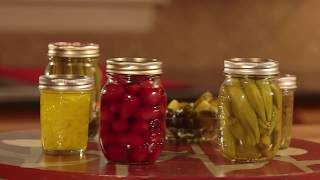
The Food Factor presents the best, research-based information related to food, nutrition, diet, and healthy lifestyles. Our host, Natasha Haynes, is an experienced educator with the Mississippi State University Extension Service who has spent over 15 years sharing tips for healthy living with Mississippians of all ages. She brings food science down to earth and makes it useful for today’s families. Click here to view previously aired shows and be sure to follow The Food Factor on Facebook and Twitter.
- Water Bad for Watermelon Crops
Consumers can find Mississippi-grown watermelons for their summer celebrations at stores and markets across the state, including these at the Byram Farmers Market in Byram, Mississippi, on June 27, 2017. (Photo by MSU Extension Service/Susan Collins-Smith) RAYMOND, Miss. - A balance of timely rain and sunny skies is essential for large, sweet watermelons, but too much rain can wreak havoc on the melons and hit producers in the wallet. Although most of Mississippi's watermelon crop is in good to fair condition, some producers are losing melons because of excess rain. According to the June 25th Mississippi Crop Progress and Condition Report by the U.S. Department of Agriculture, 45 percent of the crop is in good condition, and 36 percent is in fair condition. But some growers in George County are among the 13 percent of growers with crops in poor to very poor condition. “We are in terrible shape right now,” said Heath Steede, agent with the Mississippi State University Extension Service in George County. “I had a guy send 50 truckloads of watermelons to a buyer, and half of them were rejected. He estimates that he will lose about 60 acres.” Steede said many fields are producing watermelons with a lot of water-soaked spots, which is a symptom of too much rain. Melons with these spots have slight blemishes and break open and leak within 24 hours of harvest. “We made a really good crop, but we’re just losing them to the wet weather,” Steede said. “It’s been raining for the better part of four weeks with more in the forecast.” Jeremy Maness, Extension agent in Smith County, said growers there have been more fortunate so far. “We haven’t run into any problems yet,” he said. “We’re getting them out of the field as fast as we can pull them.” Maness said Smith County has had about as much rain as George County, but a difference in field conditions may account for growers not losing melons. “If there is not a lot of foliage, you don’t have a lot of shade on the melons, and that allows the soil to dry out a little more when we have had periods of sun.” However, Maness is concerned about the second crop of watermelons that matures around July 10-20. “We haven’t had any heat yet this summer, and if it doesn’t start warming up and drying out, we could start seeing melons rotting in the fields,” he said. Casey Barickman, an Extension vegetable specialist and researcher with the Mississippi Agricultural and Forestry Experiment Station, said most growers have not experienced major disease problems, despite the wet summer, because of diligent fungicide application. “In any given summer, insects and disease are a challenge,” Barickman said. “Plant diseases, such as phytophthora blight, fruit rot, powdery mildew, gummy stem blight and anthracnose, have a tendency to take hold in watermelon fields as a result of heavy moisture.” Even in favorable weather conditions, growers should always implement a routine scouting schedule. “Insects, such as spotted and striped cucumber beetles, beet armyworm and thrips, are also pests that farmers need to scout for in their field,” Barickman said. “A good scouting program for insects and disease is critical to stay on top of preventative measures that control these plant pests.” According to USDA estimates, watermelons are grown on about 4,000 acres in the state. But Barickman said that estimate is probably a little low. “There are more acres that go unaccounted for in local markets, especially for smaller growers around the state,” he said.
- Walmart Foundation Donates $125,000 to Mississippi Food Network
JACKSON, Miss. - Mississippi Food Network recently received a $125,000 grant from the Walmart Foundation’s State Giving Program to assist with its Feed Our Neighbors Program. The grant will be used to provide 320,000 pounds of food to the organization’s 430 member agencies serving children, seniors, individuals and families across Mississippi. “Mississippi Food Network is extremely pleased to be a partner with Walmart in the fight against hunger,” said Marilyn Blackledge, director of external affairs for Mississippi Food Network. “These funds are critical to our organization and help us address the challenge of relieving poverty-related hunger in our service area.” The grant was presented to Charles Beady, chief executive officer of Mississippi Food Network, during a check presentation ceremony held today at the Mississippi Food Network. During the ceremony, Beady accepted the $125,000 donation from representatives of Walmart and the Walmart Foundation. “At the Walmart Foundation, we understand that organizations like Mississippi Food Network are essential to building stronger communities. They share our values and are committed to helping all Mississippians live better,” said Steve Burks, Store Manager at Madison Walmart. The Walmart Foundation’s State Giving Program supports organizations that create opportunities aimed at helping people can live better through awarding grants that have a long-lasting, positive impact on communities across the U.S. As part of Walmart’s $2 billion commitment to fight hunger through 2017, Walmart stores in Mississippi donated 6,356,420 pounds of food, in fiscal year 2017, or the equivalent of 5,297,017 meals. In fact, Walmart reached more than $141 million in cash and $1 billion in in-kind donations nationwide, delivering on its commitment one year early. Additionally, just in the last fiscal year, Walmart and the Walmart Foundation gave $13.5 million to Mississippi nonprofits. For more information on Walmart’s fight against hunger, visit foundation.walmart.com/our-focus/hunger. To be considered for support, perspective grantee organizations must submit applications through the Walmart Foundation State Giving Program’s online grant application. Applicants must have a current 501(c)(3) tax-exempt status in order to meet the program’s minimum eligibility criteria. Additional information about the program’s funding guidelines and application process are available online at www.walmartfoundation.org/stategiving. About Mississippi Food Network Mississippi Food Network is a food bank headquartered in Jackson. We are a Feeding America affiliated food bank and serve 56 counties in the central part of Mississippi. We accumulate, store and distribute food and household items to more than 430 member agencies in our service area. Member agencies are either churches or 501c3 nonprofit agencies and are Emergency Food Pantries, Day Care Centers, Emergency Shelters, Group Homes, Soup Kitchens, Teen Centers, Alcohol and Drug Rehabs, Afterschool Programs, Homeless Shelters, and Senior Citizen Programs. We serve more than 150,000 people each month through our member agencies and distributed more than 18 million pounds of food in 2016. To learn more about Mississippi Food Network, visit our website at www.msfoodnet.org, find us on Facebook at www.facebook.com/MSFoodNetwork, or follow us on Twitter @MSFoodNet. About Philanthropy at Walmart By using our strengths to help others, Walmart and the Walmart Foundation create opportunities for people to live better every day. We have stores in 28 countries, employing more than 2.2 million associates and doing business with thousands of suppliers who, in turn, employ millions of people. We are helping people live better by accelerating upward job mobility and economic development for the retail workforce; addressing hunger and making healthier, more sustainably-grown food a reality; and building strong communities where we operate and inspiring our associates to give back. Whether it is helping to lead the fight against hunger in the United States with $2 billion in cash and in-kind donations or supporting Women’s Economic Empowerment through a series of grants totaling $10 million to the Women in Factories training program in Bangladesh, China, India, and Central America, Walmart and the Walmart Foundation are not only working to tackle key social issues, we are also collaborating with others to inspire solutions for long-lasting systemic change. To learn more about Walmart’s giving, visit www.foundation.walmart.com.
- Celebrate the Great American Holiday with a Great American Burger
The calendar says summer and its accompanying heat wave is officially here. But, there’s just something about the Fourth of July that demands an outdoor cookout. At some point during this weekend and next week’s official holiday, millions of Americans will pull out their grills, tongs, and every large platter in the cabinet and move their kitchens outdoors. Grilled steaks, ribs, and chicken are part of our culinary heritage, but juicy burgers reign supreme on this most important holiday of the summer. If you took all the hamburgers Mississippians will consume this weekend and until midnight on July 4 and laid them end to end, they'd circle the globe a couple of times. Steaks, ribs, and hot dogs are popular items for the grill, but burgers account for a huge portion of the millions of pounds of meat that’ll be thrown on the grill this weekend through next Tuesday. In fact, Nielsen reports that Americans spend over $442 million on beef for Fourth of July cookouts. Other popular foods ringing up million dollar sales include hot dogs, sausages, potato chips, ice cream, watermelon, baked beans, and apple pie. Besides enjoying a delicious burger with all of the trimmings, keeping family and friends safe and healthy is a major goal of anyone hosting a backyard cookout. Here are a few tips from the National Cattlemen’s Beef Association: Trim, if Necessary. Prevent fire flare-ups and excess smoke formation while grilling by trimming any excess fat from meat and poultry. Savor the Flavor. Marinades add flavor to meat and poultry and can tenderize less tender cuts of meat. Marinades with little or no sugar may help protect meat from charring and have been shown to reduce HCA formation. Before cooking, remove meat from marinade and pat dry to promote even browning and prevent steaming. Sugary sauces and glazes can burn easily and cause charring. If using these types of products, baste during the last few minutes of grilling. The Heat is On… Medium! Use medium heat while cooking to ensure delicious, flavorful meat. High heat can overcook or char the outside of meat while the interior remains underdone. Determine Doneness. Cook burgers to medium (160°F) doneness, until no longer pink in the center and juices show no pink color. Insert an instant-read thermometer horizontally into the side of burgers to check doneness. Place the thermometer in the thickest part or center of the burger. Don’t Play With the Meat. Turn beef occasionally for even cooking and browning. Use a spatula to turn burgers. Do not press, flatten or pierce the meat — flavorful juices will be lost. Go Lean. There are 29 beef cuts that meet government guidelines for “lean” with less than 10 grams of total fat, 4.5 grams or less of saturated fat and per 3-1/2-ounce serving. Instead of trying one of the fancier burger versions featured in every magazine and website this week, I’m going to stick with The Great American Hamburger from Steve Raichlen's The Barbecue! Bible. Raichlen, best known for his beer can chicken, perfected burger cooking in the same way he cook plain chicken to a new level. So, fire up the grill, throw The Great American Hamburger on the grill and have a great Fourth of July! The Great American Hamburger For the Burgers: 2-1/4 pounds ground round, chuck, or sirloin 6 slices (1/2-inch thick) Vidalia or other sweet onion (optional) 2 tablespoons unsalted butter, melted, or 2 tablespoons extra-virgin olive oil Salt and freshly ground black pepper 6 hamburger buns For the Toppings--Any or All: Iceberg lettuce leaves Sliced ripe tomatoes Sliced dill pickles or sweet pickles Cooked bacon (2 slices per burger) Ketchup, Mustard, and Mayonnaise Step 1: Divide the meat into six equal portions. Lightly wet your hands with cold water, then form each portion of meat into a round patty, 4 inches across and of an even thickness. Step 2: Set up the grill for direct cooking and preheat to high. Step 3: When ready to cook, brush and oil the grill grate. Step 4: If using onion slices, brush them on both sides with melted butter and season with salt and pepper. Place the onion on the hot grate and grill until nicely browned, about 4 minutes per side, then transfer to a plate. Step 5: Brush one side of the meat patties lightly with melted butter and season with salt and pepper. Arrange the burgers, buttered side down, on the hot grate and grill until the bottoms are nicely browned, 4 to 5 minutes. Brush the tops lightly with some of the melted butter and season them with salt and pepper. Using a spatula, turn the burgers and grill until they are browned and cooked to taste, 4 to 5 minutes longer for medium. Meanwhile, brush the cut sides of the buns with the remaining melted butter and toast them, cut sides down, on the grill during the last 2 minutes the burgers cook. Step 6: Set out the toppings. Put the burgers and onion slices on buns and serve. Recipe from Steven Raichlen's The Barbecue! Bible
- Mississippi to Be Featured in Season 2 of 'State Plate' with Taylor Hicks
INDIAN LAND, S.C. – Family-entertainment network INSP recently announced that the 2nd season of their popular and critically-acclaimed original series, State Plate will premiere on Friday, August 11th at 7:00PM ET, as part of the “Destination Fridays” programming block. The announcement was made by Doug Butts, SVP of Programming at INSP. “Our goal is to cover ALL fifty states,” said Butts. “And we are well on our way. Season two of State Plate will feature even more of the foods we’ve come to know and love as part of America’s cultural history. Thankfully, there is no shortage of stories to tell.” By the end of the second season of State Plate, the show will have featured more than 180 iconic foods; everything from crab cakes in Maryland and peaches in Georgia; to chili in Texas and potatoes in Idaho. As he makes his way from coast to coast, Taylor visits farms, ranches, markets, festivals, and other diverse and unusual locales. In the process, viewers share in the journey as he uncovers the rich details behind each state’s unique food traditions. It’s a heaping helping of America’s most beloved cuisine, rich in history, folklore, and flavor. Mississippi will be featured in Season 2. Visit insp.com for air date and time. State Plate is produced for INSP by RIVR Media. What the critics have said about State Plate “It’s been 10 years since [Taylor] Hicks took home the microphone trophy, and now he’s using his Southern charm and entertaining know-how to launch a new reality show. Instead of vying for votes he’s filling his plate as host of the new food and travel series State Plate.” –Parade.com “State Plate, an INSP original series, takes viewers on a tour of the country with host Taylor Hicks, the “American Idol” winner, platinum selling artist and restaurateur, for a look at the culinary culture of some of America’s “most intriguing cuisine.” –Denver Life Magazine “State Plate looks at different states’ iconic dishes and the connection between a state’s agriculture and cuisine.” –Columbus Telegram
- Make Your Summer Barbecues Sizzle
(StatePoint) With family and friends gathering to celebrate all summer long, try a new and healthy twist on some backyard barbecue essentials. Dishing on Sides Meats may be the star of the show, but no backyard barbecue is complete without side dishes. From slaws and salads to fresh fruits and veggies, making your own side dishes from scratch allows for creativity and control of what goes onto your plate. Switch up your coleslaw by shredding crisp, tart apples such as Granny Smith in your blender and toss with grated carrots, poppy seeds, white vinegar and raisins. For a tasty alternative to traditional potato salad, try blending boiled new potatoes with smoky bacon, Dijon mustard and mayonnaise. The grill isn’t just for meat -- fruits and veggies take on an entirely new flavor profile when lightly grilled. Prepare a vegetable platter with an array of homemade dressings for dipping, or top with a Parmesan balsamic vinaigrette. For a sweet treat without the guilt, grill fruits -- such as pineapple, peaches, plums and nectarines -- for a caramelized crust and add a scoop of ice cream to make a decadent dessert. Spice it Up! While everyone loves a classic hot dog or a juicy hamburger, the preservatives and calories found in these seasonal staples, and their condiment companions, don’t properly fuel you for an active summer gathering. Instead, consider healthier alternatives like grilled chicken or a lean cut of meat. These choices will be anything but boring when paired with fresh, homemade marinades, dry rubs or salsas. Create dressings, spice blends and other toppers to season your favorite grilled goodies. New high-tech blenders, such as the Vitamix A2500 Ascent Series Blender, can makes this more convenient. Its 8-ounce Self-Detect containers are the right size for creating and storing small batches. For an unexpected fruity flavor paired with your main course, try a light, tropical avocado salsa, which is delicious with grilled chicken. For more of that classic barbecue flavor, use an apricot-ancho barbecue glaze on your seafood and baby back rib skewers. Summertime Sipping The creativity shouldn’t end with your food. Spice up your drink menu by experimenting with craft cocktails. Make your own simple syrups with fresh herbs, fruits, spices or veggie infusions, taking your cocktails to the next level. Blending a combination of summer berries or tropical fruits creates an all-natural syrup for a refreshing cocktail mixer. Muddling or grilling fruits can enhance their flavors -- try blending grilled peaches, straining the mixture and adding it to a drink. Unique drink options can extend beyond fresh fruits. Vegetables can make for an unexpected option. While the sweetness of a beet shines when paired with the depth of a bourbon, fresh cucumber pairs great with a minty mojito. Let your creative juices flow and wow your guests with the best backyard barbecue of the summer!
- UM Family Remembers Jeanette Phillips for Service to Nutrition Programs
Jeanette Phillips was presented the centennial award during the 100th anniversary celebration of the Department of Nutrition and Hospitality Management, in Oxford, Miss. on Thursday, October 24, 2013. Photo courtesy of The Oxford Eagle. OXFORD, Miss. – Fearless. Gracious. Principled. Kind. A pioneer. Charming, with “a backbone of forged steel.” There is no shortage of flattering terms used when people remember Jeanette Phillips, former professor and chair of the University of Mississippi’s Department of Nutrition and Hospitality Management. Phillips, 85, died June 13. A native of Kewanee, just east of Meridian, Phillips earned a bachelor’s degree from Blue Mountain College in 1953, a master’s degree in home economics from UM in 1954 and a doctorate in 1973. She spent decades teaching at Ole Miss and served as department chair, but was also one of the most respected child nutritionists in the country and successfully brought the National Food Service Management Institute (now the Institute of Child Nutrition) to the university in the early 1990s. She mentored thousands of students and many faculty members during her time on campus. Kathy Knight, associate professor of nutrition and hospitality management who joined the faculty in 1985, is one of those who learned so much from Phillips. “She really helped me as a young faculty member,” Knight said. “When I got here, I was green as grass and didn’t know anything. She showed me how to be a professional young woman when, back then, there weren’t very many role models for us.” With her calming influence, Phillips served as a mentor, adviser and confidant to both teachers and students, Knight said. “I just don’t know anyone who went into her office and didn’t come out feeling better,” Knight said. Phillips caring nature and calm demeanor didn’t ever prevent her from taking a stand for what she thought was right. Home economics programs faced elimination in the 1980s, but Phillips, who was then chair, made students aware the program was in peril. They began protests that ultimately saved it. She went to Jackson to advocate on behalf of keeping home economics at Ole Miss and never wavered in her conviction that it was important. “She had a backbone of forged steel,” Knight said. “She saved our department.” Phillips began her teaching career in 1954 at Hurricane High School in Pontotoc County and went from there to University High School in Oxford. After three years, she became a member of the home economics faculty at Ole Miss, teaching family life, nutrition and marriage-focused courses. Her life’s work was teaching and upgrading nutrition programs throughout the state and nation. Phillips won many awards, including the university’s Outstanding Teacher Award, the School of Education’s Outstanding Teacher Award, Magnolia Award, Mississippi Dietetics Award for Outstanding Contribution to the Profession of Nutrition and the Leston L. Love Award for Outstanding Service in the Area of Students and Mortar Board, among others. She was a member of Omicron Delta Kappa, an honorary fraternity that honors excellence in scholarship, leadership and service at the university. Jim Payne, dean of the School of Education in the 1980s, was among Phillips’ friends and colleagues. At that time, home economics was part of the school, and Phillips was chair. “She was so impressive in person and kind and soft-spoken, but you didn’t have to be around her long to know she was principled,” Payne said. “I saw her as a real pioneer, and she was always exploring uncharted waters.” Payne, who had never been a dean before coming to Ole Miss, remembers there not being enough money in the budget for phones; all the lines were cut off except one at the secretary’s desk that the entire department had to use. Buildings weren’t being heating and cooled. There were hiring freezes. The roof leaked and there was no money to fix it. The department even ran out of paper. Phillips knew of creative ways to get resources for her program when the state budget situation was dire, he said. The program not only continued, but flourished under her leadership. “She made me look better,” Payne said. Payne, who had been in the restaurant business before getting into higher education, noticed the cafeteria that home economics operated had no walk-in cooler, which is essential for any restaurant. He and Phillips decided to have a telethon to raise the money for a cooler, which cost around $50,000. When it came, Phillips knew exactly how to celebrate its arrival. “Jeanette had me come over there, and me and (the home economics faculty) got in the cooler,” Payne said. “It was about the size of a large closet, and we walked in and all had champagne. “We just celebrated in that cooler. I will never forget that moment.” Upon learning the U.S. Department of Agriculture was hoping to establish an institute for child nutrition professionals, Phillips led the charge to have it established at UM. Her efforts, along with the help of others on campus, led to the National Food Service Management Institute being located here. At first, the center had no building, but after getting it located here, she secured funds for the building and other needs. The street that passes in front of it is named for Phillips. Charlotte Oakley, who helped Phillips with efforts to land the center, also served as its director later. Phillips taught Oakley and served on her graduate committee. They became friends and colleagues, and Phillips was her professional mentor for more than 50 years. Oakley said part of what made her so adept at being an administrator is that she made everyone around her feel like they mattered. “She always magically seemed to have time for everyone,” Oakley said. “She never looked at her watch when you were with her. She just had the ability to draw you in and make you feel important to her. “She had a real gift for engaging other people and getting you interested in something that is bigger and better than just the day-to-day things.” Besides her storied academic career, Phillips was the first woman to serve on the board of directors for the Oxford-Lafayette Chamber of Commerce in 1974-77. She and her husband, Jesse Phillips, also owned and operated Jeannie’s Hallmark Shoppe and Rebel Press Office Supply Co. for decades. She was an active member of First Baptist Church of Oxford from 1954 until her death. “I don’t think there is any question Dr. Phillips was a gracious Southern lady of faith,” Oakley said. “She had the most amazing ability to balance life. “She had family. She always put God first, her family second and her job third. I could talk about her all day. She is just greatly missed.” Her survivors include two sons, Andy Phillips and Tim Phillips and his wife, Terri, both of Oxford, six grandchildren and two great grandchildren. Her husband of 60 years, Jessie P. Phillips, and a son, Dan Phillips, preceded her in death. In lieu of flowers, the family requests that donations be made to the Daniel M. Phillips Memorial Scholarship at University of Mississippi Foundation, 406 University Avenue, Oxford, MS 38655.
- 5 Tried and True Indoor Steak Grilling Tips
There’s nothing like a major holiday with its accompanying menu suggestions to revive one’s interest in food that’s been on the back burner. Take steaks, for instance. A couple of weeks ago in advance of Father’s Day, hundreds of suggestions on how to prepare and grill manly cuts of meat to delight dads on their special day came from every possible source. I couldn’t help but be intrigued by the recipes for mouth-watering dishes ranging from delicately sliced flank steak to robust ribeyes. A few that ended up in the must-try file include Tuscan rib-eyes with grilled vegetable skewers, vegetables and cream cheese stuffed pinwheel steaks with herb roasted potatoes, peppercorn steaks with crispy steak frites, garlic steak with sesame noodles, pan-seared steak with blue cheese potatoes, and the most interesting, rib-eye steak with cowboy butter. Ree Drummond, better known as The Pioneer Woman of Food Network fame, adds a touch of her Oklahoma roots to grilled steaks by pan searing them in the savory, buttery concoction known as cowboy butter. As if that's not enough savory goodness, she tops crispy steaks with another melting scoop for good measure. To make Drummond’s cowboy butter, place two sticks of softened salted butter in the bowl of a mixer fitted with a paddle attachment. Whip the butter until it's fluffy. Add 1/3 cup finely minced fresh parsley, plus more if needed, 1/4 teaspoon red pepper flakes, a pinch of coarsely ground black pepper, plus more if needed, one clove garlic, finely minced, juice of half of a lemon and lemon zest, and a dash of salt, optional. Mix it until it's totally combined, scraping the sides as needed. Add more parsley, more lemon juice, more pepper, or salt if you'd like. Lay out a long piece of plastic wrap and scoop the butter mixture in a long strip down the middle of it. Carefully pull one side of the plastic wrap over the butter, squeezing it gently to form it into a log. Continue to roll the log of butter into a roll. When it's all rolled up, twist the ends (like a piece of candy) until they become very taut (this means the butter is pressing together inside the plastic to form a cohesive roll). Place the roll of butter into the fridge so it will harden or into the freezer if you need to speed along the process. Drummond then melts the butter in a heavy ovenproof skillet over medium-high heat. When it's melted and golden brown, she sears ribeyes for about 45 seconds per side, then moves the skillet to the oven to finish, about 3 minutes. For the crowning touch, she places a thick slice of cowboy butter on top of each steak to melt. If your cardiologist approves, it’s a steak to sample, especially as the weather heats up and outdoor grilling becomes a bit more challenging. Here are a true tried-and-true indoor steak grilling tips: Use an ovenproof pan, preferably cast iron, with a heavy bottom that holds heat well and low curved sides that won't trap moisture. To prevent sticking, heat the pan thoroughly, then lightly coat the bottom with oil of your choice to prevent sticking. When it comes to selecting the steak, look for USDA Prime steaks. Cuts labeled Choice are also a good choice. My favorite marinade, a recipe given to me by a former Jitney Jungle deli manager, is an overnight soak in the refrigerator in a bowl of low-sodium soy sauce. A topping of a little butter, salt and pepper is all that’s needed before grilling to perfection. However, soy sauce, even the low-sodium version, contains a hefty amount of salt. If this interferes with your dietary needs, try Allegro, a recommendation from a health-conscious friend. He combines the marinade with Italian dressing and a dash or two of Mrs. Dash. Once steaks are over a flame, leave them alone. Don’t continually flip them, but instead, let them sear undisturbed for 3-5 minutes, depending on their size and how well done you want them to be, before cooking the other side. If you’re still tentative about cooking large slabs of meat, try an easier version with little preparation time and no flipping or checking. The result is a hearty steak dinner without the heat, but with all of the flavor. Foolproof Pepper Steak and Rice in Foil 1 cup instant rice 4 (18x12 inch) sheets of heavy-duty foil, lightly sprayed with nonstick cooking spray 1 pound beef sirloin steak, cut into thin strips 1/4 cup teriyaki sauce (or sauce of your choice) 1 tablespoon, plus 1 teaspoon ketchup 1 clove garlic, minced, or ½ teaspoon minced garlic 1/2 cup canned beef broth (can use low-sodium version) 8 ice cubes 1 cup onion, cut into short strips 1 large green or red bell pepper, cut into short strips Preheat oven to 450 degrees. Place 1/4 cup rice in center of a sheet of foil. Place beef strips in medium bowl. Combine teriyaki sauce, ketchup, and garlic in small bowl; mix well. Pour over beef and mix until beef is coated with sauce. Divide beef into four portions. Arrange four beef strips on foil to enclose rice. Pour two tablespoons of broth over rice. Top with two ice cubes. Arrange remainder of one portion of beef on ice cubes and rice. Top with a quarter of onion and bell pepper. Double fold sides and ends of foil to seal packet, leaving head space for heart circulation. Repeat with remaining rice, beef, broth, ice cubes and vegetables to make three more packets. Place packets on baking sheet. Place packets on baking sheet and bake for 14-16 minutes, until rice and meat are thoroughly cooked. Remove from oven and let stand 5 minutes before serving.
- Zinfandel Emerging Into Fuller Bodied Wine
Zinfandel has taken a strange and often twisted course in its evolution. Even more so than pinot noir, zinfandel's route has enough ups and downs to make a sober person tipsy. Once the pride of Italian immigrants who found California's hot regions had ideal growing conditions, zinfandel struggled to gain footing in a market that idolized noble French varieties like cabernet sauvignon and pinot noir. It's struggle has been worsened internationally by its near exclusivity to U.S. soil. With a few exceptions, zinfandel is not planted anywhere else, although it is thought to be a relative of Italy's primitivo grape and has its origins in Croatia. It's certainly not the only grape variety confined to one growing region, but outside of the United States zinfandel just isn't in the game. Gaining recognition has been hobbled by episodic diversions, too, most notably the white zinfandel craze that associated the variety with sweet, cheap plonk. Although white zinfandel sales are quickly declining, it nearly doubles red zinfandel in sales. But there was once a zenith when zinfandel was a cult wine made by dedicated craftsmen in appellations such as Dry Creek Valley. We fondly remember the days when small producers like Rafanelli, Grgich Hills, Edmeades, Ridge, Hendry, and others were competing for attention. In the right hands and in the right regions, zinfandel can earn special recognition. Gary Sitton, left, is taking over winemaking for Ravenswood founder, Joel Peterson. We were musing zinfandel's odyssey the other day while talking to Gary Sitton, director of winemaking for Ravenswood. Sitton knows the grape's track record all too well. He is slowly transitioning into the pilot seat as Ravenswood's founder, Joel Peterson, moves into semi-retirement. Peterson is known as the "godfather of wine" for elevating the brand to iconic status decades ago. At one time, Sitton said Ravenswood accounted for one out of every four bottles of zinfandel sold. Peterson sold the facility to Constellation Brands in 2001 and, like all conglomerates, Constellation sought to increase profits by exploiting its most popular wine. Ravenswood's iconic Vintner's Blend became a supermarket staple and annual production was increased to 500,000 cases. It's a deal at about $10 a bottle, but it's a shadow of Peterson's original version. However, Ravenswood's chances of putting the genie back in the bottle rests in its single-vineyard zinfandels. We've been tasting these wines for more than a decade and they remain impressive – still the handcrafted wines we remember. "We are at the crossroads as Ravenswood started out as a high-end, cult status brand," Sitton said. "We've grown the appellation tier of our zinfandel and out of necessity we started growing the Vintner's Blend. When you start that, you are wildly successful. But at the same time you try to remain relevant." He said there has been some erosion of the brand's presence in restaurants because owners just won't put a brand on the wine list that can be found in supermarkets. Instead, he said the tasting room and club sales have picked up some of the slack. Ravenswood's appellation series and single-vineyard series are seeing growth. Another interesting twist in zinfandel's lifespan has been its increased presence in California blends, an emerging market for consumers. A prolific, high-yielding grape variety that can be planted in places like Lodi where land is relatively cheap, zinfandel is an inexpensive foundation grape for a lot of upstart brands. Sitton doesn't see this as a threat, though. "I don't fear zinfandel becoming a generic blending grape," he said. "It's a beverage wine like white zinfandel and Yellowtail. Yes, you do have a lower price point but this is a positive emergence into a fuller bodied wine....it's an opportunistic category." Sitton feels that the best zinfandel is not over-extracted but full bodied and balance, not overripe or over-oaked. He said the single-vineyard zins – just a few in a portfolio of 30 wines of many grape varieties – showcase the stellar vineyards that has been in the Ravenswood family for years. These single-vineyard zins have the best chance to buff the patina from this storied brand: Ravenswood Teldeschi Zinfandel 2013 ($39). Wow, what a mouthful of Dry Creek Valley bliss. Full bodied, dense, tannic and loaded with blueberry and blackberry flavors with healthy doses of licorice and chocolate. Petite sirah accounts for 19 percent of the wine and its color. This is a wine to serve with serious barbecue. Ravenswood Old Hill Zinfandel 2014 ($39). We like the floral and anise aromas in this smooth but deceiving single-vineyard wine. It has the classic varietal flavors of blackberries with a dash of pepper. CHARDONNAY PICKS Sonoma-Loeb Envoy Chardonnay 2015 ($38). Chappellet acquired this property in 2011 and has been applying its magic to some pretty good grape sources. We're betting good things will come to this chardonnay and pinot noir house. The Envoy, made in small quantities, hits all the right notes for those who like their chardonnay rich and lush: tropical fruit flavors with lemon and peach notes and a healthly dose of vanillin oak. Stonestreet Estate Chardonnay 2015 ($40). Rich texture with noticeable oak and ample peach/lemon curd flavors. Vanillin oak with some citrus notes. La Crema Sonoma Coast Chardonnay 2015 ($23). A good value, this chardonnay is round and medium-bodied with lemon aromas and melon, peach flavors. Soft on the palate with a hint of spice and lemon. Miner Family Winery Wild Yeast Chardonnay 2012 ($50). This heady and rich, full-bodied chardonnay has the guts to stand up to the most complicated seafood dishes yet is delicious to enjoy by itself. Luxurious in texture, it has ripe pear and melon notes with a dominant dose of butterscotch.
- MSU Dining Takes the Cake in International Competition
This carnival-themed cake, designed by State Fountain Bakery Lead Decorator Angel Jennings, recently won Aramark’s Employee Appreciation Day cake competition. (Submitted photo) STARKVILLE, Miss. — A cake designed and created by MSU Dining staff has won an international Aramark competition. The carnival-themed cake, designed by State Fountain Bakery Lead Decorator Angel Jennings, recently won Aramark’s Employee Appreciation Day Cake Competition, beating Aramark teams from around the world. “This is no small feat as Aramark Employee Appreciation Day includes national, as well as global, accounts within all lines of business,” said MSU Dining Marketing Coordinator Keri Lum. “We at MSU Dining are very proud of our team’s efforts in creating this award-winning cake and for all that it does for our students and campus community on a daily basis. While our employees are shown appreciation every day, we’re very excited that on this special day, their skills and creativity were recognized on a global scale.” The six-layer cake invokes a carnival atmosphere, complete with tickets, popcorn and a top hat at the cake’s peak. The competition’s judges called it the “ringmaster of all cakes.” With 23 campus restaurants on campus, MSU Dining provides meals and catering for MSU students, faculty, staff and the community. For more information about meal plans, menus, hours of operation, catering and more, visit msstatedining.campusdish.com.