Search this site
1736 results found with an empty search
- When Grown in the Right Locations, Pinot Noir is a Tasty Wine
by The Wine Guys, Tom Marquardt and Patrick Dar Pinot noir is often called the “heartbreak grape” because its thin skin often breaks and is susceptible to disease, thus breaking the hearts of growers who dare to plant it. But now being grown in the right locations, pinot noir is breaking fewer hearts today. In California, the right location is usually near the Pacific Ocean where coastal fogs and breezes cool the grapes and lengthen their hang time to extract more acidity and fruit flavors. In Oregon, it’s the cooler regions of the Willamette Valley that produce the best pinot noir. In a recent virtual conference, three West Coast winemakers touted their growing conditions but expressed concern for the impact of climate change. Michael Accurso, winemaker with EnRoute in the Russian River Valley, said “We once struggled with ripening the fruit, but with climate change we have to watch over ripening.” Darrin Low of Domaine Anderson in Mendocino County said climate change has been gradual in California, unlike in Burgundy where winter frost, summer heat and hail have led to a significant crop loss. But. despite the obstacles, the winemakers said nothing compares to making pinot noir, a wine that not only expresses the soil but also the craft of the winemaker. Each winemaker uses different tools to make their best pinot noirs. For Kate Ayres of Penner-Ash in the Willamette Valley it is broadening the profile of her pinot noir by sourcing grapes from 18 vineyards in six sub appellations. Her delicious 2018 Penner-Ash Pinot Noir ($45) is layered and expressive with strawberry jam and violet aromas, cherry and plum flavors, dusty tannins and a savory note that begs for a second glass. Accurso likes to use different clones to achieve an expressive pinot noir. He said the soils are pretty consistent, but a clone can give a perception of sweetness while another gives structure. He sources grapes from Green Valley and the Middle Reach regions of the Russian River Valley. His 2018 EnRoute “Les Pommiers” Pinot Noir ($60) has ripe raspberry and blackberry flavors, velvet mouthfeel and a streak of forest floor to keep it interesting. EnRoute was founded in 2007 by the partners of Far Niente. Low likes the diurnal shifts of the Anderson Valley where temperatures can range from the 80s during the day and 50s at night. He said it is the “perfect place” for pinot noir, a rating the champagne house of Louis Roederer saw when they located in this remote location in 1981. Anderson Valley has only 2,500 acres of vineyards as compared to the massive 15,000 acres in Russian River Valley. Low said the unique weather patterns of Anderson Valley produce more approachable pinot noirs. His 2017 Domaine Anderson Estate Pinot Noir ($45) has an expressive floral nose and black cherry flavors with fine tannins and balanced acidity. The regions represented by these three winemakers are hardly the only ones that produce special pinot noir. Burgundy has had an historic hold on the most prestigious pinot noir, but recent weather patterns there in 2018 created a blemished vintage. Santa Barbara County’s warmer climate creates a riper pinot noir while the fog-cooled Carneros region of Napa Valley is known for its lighter, tighter pinot noirs. New Zeland’s Central Otago region has bright, ready-to-drink pinot noirs. Alas, Burgundy no longer has a hold on expensive wines. Oregon and California pinot noirs often soar over $100. The pinot noirs from Kosta Browne sell for $165. Here are some other pinot noirs we recently tasted: Rodney Strong Russian River Pinot Noir 2017 ($25). One of the most reasonably priced pinot noirs, this easy-to-drink gem has a silky texture with dark fruit flavors and good acidity. Sea Smoke “Southing” Pinot Noir 2018 ($80). From Santa Rita Hills, this expressive pinot noir had a lot of loving attention in the winery: punch downs twice a day, 14 to 18 days of maceration, only free run juice lightly pressed before being racked to barrels. The result is a soft texture with effusive plum aromas and flavors. Goldeneye Anderson Valley Pinot Noir 2017 ($58). The entry level wine in a series of single-vineyard gems, the Anderson Valley pinot noir is a blend of three estate vineyards. Aromas of strawberries and tobacco with red berry flavors and soft tannins. Sea Slopes Sonoma Coast Pinot Noir 2018 ($35). Reasonably priced in this expensive category, this pinot noir made under the direction of talented winemaker Jeff Pisoni gains from the cooling maritime breezes that slows the ripening process and delivers bright and expressive cherry, plum fruit. Cono Sur Ocio Chile Pinot Noir 2016 ($100). Chile’s pinot noirs from Casablanca are becoming more recognized. This version is serious with intense aromas and concentrated red fruit flavors. Migration Sta. Rita Hills Drum Canyon Vineyard Pinot Noir 2018 ($70). Velvet texture, rich plum and blueberry flavors with hints of sage and vanilla. Migration’s 2018 Sonoma Coast pinot noir is a great value at $42. Inman OGV Estate Pinot Noir 2017 ($73). We’ve been a big fan of Kathy Inman’s pinot noirs from the Russian River Valley. This flagship pinot noir from the Olivet Grange Vineyard has generous aromas and raspberry, cola flavors. Gary Farrell Russian River Selection Pinot Noir 2018 ($45). Layers of ripe red fruit flavors and tantalizing hints of clove and herbs. Calera Mt. Harland Mills Vineyard Pinot Noir 2017 ($75). Drawing grapes from a vineyard at an elevation of 2,200 feet, Calera has a dense and concentrated pinot noir with layer fragrance and supple raspberry and pomegranate flavors with a shot of earthy mushrooms and black pepper. Wine picks Escudo Rojo Reserva Cabernet Sauvignon 2018 ($18). Ripe plum and blackberry notes with easy tannins. Fortress North Coast Cabernet Sauvignon 2018 ($23). Fruit forward in style with sweet black fruit flavors, moderate tannins and a hint of mocha. Beronia Crianza 2017 ($15). Tempranillo, garnacha and mazuelo come together in this simple, medium-bodied quaffer from Rioja. It also comes in a smaller 375 milliliter bottle. Herbal aromas and red berry flavors.
- One of Nation's Best State Parks (and Great Steaks) Is As Close As McComb
by Kara Kimbrough After hearing from readers last week that a visit to the petrified forest was imminent, I realized there are many Mississippi treasures yet to be experienced. For starters, nearly 10 of our state parks have made the top 100 best parks ranking from among 4,000 similar parks nationwide. Scenic Percy Quin State Park in McComb is on the list of the best state parks in the nation. Pairing it with a visit to a nearby restaurant, The Caboose, is the perfect day or weekend trip. For history buffs, it’s interesting to note that Percy Quin is one of the original state parks cleared and constructed by the Civilian Conservation Corps in the 1930s. Today, beautiful flowers and magnolia trees, Loblolly pines and Lake Tangipahoa are surrounded by scenic rolling hills. Sounding like the brochure for an all-inclusive resort, Percy Quin offers an 18-hole golf course, picnic pavilions, pool, tennis courts, game room, laundry, conference center and fishing and boating. After a long day of activities, it’s convenient to grill burgers or steaks at the park or better yet, take the short drive in to McComb and let someone else cook. There’s no better place to enjoy a relaxing dinner than at The Caboose, located in an historic building in the downtown depot district. One thing to remember: if you visit for dinner, you’ll need to change out of casual clothes before you go. After dark, the lights are dimmed and white tablecloths set the stage for a beautiful dining room. The Caboose offers a fine dining experience offering cuisine rivaling almost anything found in larger cities. The Caboose is known for its steaks, so I’ll start with one of the main reasons the restaurant has gained a loyal following from locals and visitors. First up are hand-cut and grilled eight and 12-ounce ribeyes. Cooked to your specifications, it’s a steak worthy of a trip from the park or almost anywhere. Other popular cuts include the 16-ounce New York strip, 10-ounce melt-in-your-mouth filet mignon, and the true steak-lover’s 28-ounce bone-in ribeye. Choose from among side dishes like au gratin potatoes, asparagus hollandaise, onion rings, twice-baked potato and creamed spinach to create a memorable meal you won’t soon forget. Or begin your meal with creative appetizers such as New Orleans style barbecued shrimp with garlic bread, crab cakes with remoulade sauce, char-grilled oysters or flash-fried shrimp or catfish and sauteed mushrooms. One I can’t wait to try is house-made potato chips drizzled with caramelized onions and bleu cheese. If that doesn’t sound appetizing, I’m not sure what does. The Caboose is also known for its creative pasta dishes and fresh seafood. Specialty dishes include Creole seafood pasta, seared sesame seed and black pepper crusted Ahi tuna steak, cedar plank roasted wild salmon with horseradish crust, shrimp, crawfish and crabmeat over fresh fettuccini and char grilled grouper, among others. Even more seafood can be enjoyed courtesy of dishes like flash-fried Mississippi catfish, Maine Lobster, fried oysters and shrimp and seafood platter. Pair your meal with one of The Caboose’s variety of fresh salads or soup or simply enjoy a light meal made from the freshest ingredients. If you visit The Caboose for lunch, the atmosphere is more laid-back and casual. Offerings include many of the same salads and soups, with additions like creative sandwiches and daily specials ranging from red beans and rice with sausage to chicken fried steak with gravy and potatoes. If You Go: Percy Quin State Park Where: 2036 Percy Quin Drive, McComb Contact: 601.684.3938 to make a reservation or check out the website, percyquinstatepark@wfp.ms.gov. Note: Some cabins and RV sites currently do not have grills. For more information, please call the park office. The Caboose Where: 131 N. Front Street, McComb When: Lunch is served Monday through Friday, 11 a.m. to 12:30 p.m.; dinner hours: Tuesday and Wednesday, 4 to 8 p.m.; until 8:30 p.m. Thursday through Saturday. Contact: 601.684.9191
- Try Rosemary and Thyme in Home Gardens, Containers
by Dr. Gary R. Bachman, MSU Extension Service When looking at all the plants growing in landscapes, I’m reminded that each plant has a role in the story of that garden. And most garden stories have plants with sidekicks that you always find side by side. A garden story that I recently enjoyed was the British TV show, “Rosemary & Thyme.” Rosemary Boxer (a university lecturer) and Laura Thyme (a former police officer) were a dynamic duo in the garden. They solved mysteries -- mostly murders -- while working as gardeners in beautiful landscapes all across Europe. And like the TV characters, the plants rosemary and thyme make a great duo in my home herb garden. Rosemary has needle-like leaves that typically are a dark green with silvery undersides. The leaves are very aromatic. When used in a freshly prepared dinner, that sweet aroma warms the entire kitchen. Try adding fresh rosemary to hearty chicken and lamb recipes. Rosemary can be finicky to grow in the garden, especially when given too much attention, such as watering and fertilizing. I’ve found that rosemary is one of those garden plants that thrives on neglect. This means I try not to even look at it as I walk by, but I can’t help touching the plants and releasing their sweet scent. Typically, rosemary has a more upright, spreading growth habit. I love the selection Prostrata, which is perfect for growing in hanging baskets. Rosemary was named a Mississippi Medallion winner in 2016. Thyme is a great culinary herb that smells like summer to me. Thyme has a low and spreading growth habit. The small, fragrant leaves are produced on thin, woody stems. There is a wide selection of aromas and flavors available, like lemon or variegated thyme, but my go-to favorite is the common green variety, English thyme. It’s amazing how the pollinators are attracted to the pinkish flowers when thyme begins to bloom. Be sure to encourage the plants to produce more growth by pruning the plants back by a third after flowering. Thyme adds a savory flavor note to many dishes. For example, I love fresh thyme with my morning eggs. Use thyme to enhance pork, beef and fish dishes. It’s also delicious to add to roasted root vegetables like turnips, rutabagas, and carrots. Both rosemary and thyme thrive in similar growing conditions, beginning with full sun. They can be grown with the best success, in my opinion, in raised beds; even better, in containers. This ensures the proper drainage these plants need. Growing in droughty conditions -- the drier the better -- concentrates the aromatic essential oils. Both rosemary and thyme can be grown from seed, but that requires real patience. For these herbs, I always suggest buying transplants from your favorite independent garden center or nursery. Then you can create your own rosemary and thyme combinations.
- Food Factor: Chicken Alfredo with a Twist
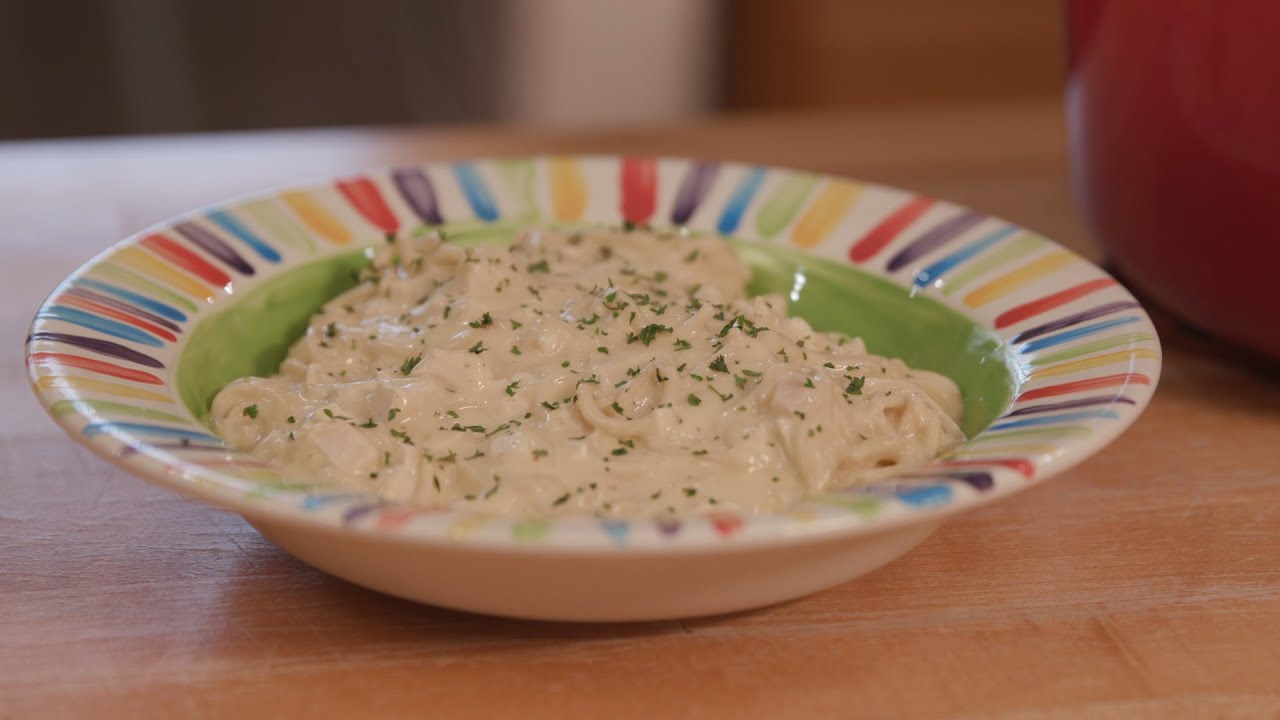
by Ms. Natasha Haynes, MSU Extension Service Alfredo sauce is a favorite comfort food in my circle of friends and family. Loaded with butter, heavy cream, and Parmesan cheese, traditional alfredo sauce packs a lot of calories and unhealthy fats into one dish. So I was excited to find this recipe for Chicken Alfredo with a Twist! It’s a Food Factor Makeover! The bulk of the liquid in this recipe comes from reduced-fat cream of chicken soup instead of butter and cream! Add some fat-free half and half and a smaller quantity of Parmesan cheese and you have all the flavors of traditional alfredo sauce without all the fat! When you serve it over whole-wheat pasta, you make a second healthy choice by adding fiber to the dish. This recipe uses diced, cooked chicken, but you could also use grilled shrimp. To be honest, The Food Factor crew found this recipe too bland. It tasted more like creamy chicken noodle soup than true alfredo. To give it a healthy twist and more flavor, next time I’d add some delicious vegetables! I like to cook diced zucchini with my pasta, which adds color and flavor to my meal without additional pots to clean up. Broccoli, fresh or frozen spinach, or green peas would also work well. Chicken Alfredo with a Twist Ingredients: - 2-1/2 cups dry whole-wheat pasta - 2 cans reduced-fat cream of chicken soup - 1-1/3 cups fat-free half and half - 1/4 teaspoon ground pepper - 1/8 teaspoon garlic powder - 1/3 cup grated Parmesan cheese - 3 cups (12 ounces) diced, cooked chicken Wash your hands with soap and water. In a large pot, bring 2 quarts of water to a boil. Gradually stir in pasta and return to a boil. Cook uncovered for about 8 to 10 minutes or until tender. Do not overcook. Drain well. Mix soup, half and half, pepper, garlic powder, Parmesan cheese, and chicken in a large pot. Cook over medium heat for about 5 minutes, stirring often. Heat to an internal temperature of 165 degrees F or higher. Add cooked pasta to the chicken and sauce mixture. Serve hot. Thanks to our friends at University of Florida IFAS Extension for this printable recipe! For behind-the-scenes photos, crew reviews, and terrific kitchen tips, be sure to follow The Food Factor on Facebook, Instagram, and Twitter! And if you like our recipes and videos, we’d love for you to share them with your friends! It really helps!
- Enjoy the Spring Weather & Outdoor Dining at These Mississippi Restaurants
by Paige McKay As the weather warms up, people will begin to flock to restaurants with patios and decks so they can enjoy happy hour drinks or a bite to eat outside to enjoy the spring air. Here are some of our favorite outdoor dining spots in our state! Babalu - Jackson Known for their tableside guacamole and delicious cocktails, Babalu in Fondren has a great patio that's perfect for happy hour or dinner with friends. Whether you're at a high top table or lounging on one of their couches, Babalu's patio is perfect for spring and summertime dining. 10 South Rooftop Bar & Grill - Vicksburg Popular for their rooftop dining and beautiful views of the Mississippi River, 10 South in Vicksburg is the perfect date night spot in an open air, rooftop environment. Enjoy handcrafted cocktails and delicious food in this Vicksburg hotspot that people travel near and far to visit. The seasoned pretzels they serve as a pre-meal treat are reason enough to visit, but the views and atmosphere elevate it that much more. Boure - Oxford A favorite of Ole Miss students and Oxford residents alike, the Boure balcony is the place to be during the spring and summer months. Enjoy a pickle martini and a cheese board on the patio while taking in beautiful views of the Oxford square. Bin 612 - Starkville As soon as the temperature hits above 70 degrees, Mississippi State students flock to the patio of the Bin in Starkville's Cotton District. Nestled in the center of the District, Bin 612 is a Starkville staple and loved by all who visit, and their patio dining is a favorite pastime of Mississippi State graduates. Whether it's for a midday treat or a filling dinner, the patio at the Bin is sure to full of hungry students enjoying cheese fries, pizza, and, of course, cocktails. The patio is even dog friendly, so you can bring your furry friends, too. Shaggy's - Biloxi Shaggy's has several locations throughout our state, and their Biloxi location is a great spot to enjoy beachfront dining. Their food is great, and the views make it even better. Enjoy oysters, fish tacos, burgers, and all kinds of tasty cocktails on their beachside deck.
- Chardonnay and Pinot Noir Are Bouchaine Staples; Los Vascos Wines
by The Wine Guys, Tom Marquardt and Patrick Darr Over the years, we have heard a lot of interesting explanations of what prompted people to become winemakers. Many came from agricultural backgrounds while others just loved to drink wine. Perhaps the most unique, though, is the story of Chris Kajani. Now the general manager and winemaker at Bouchaine, Kajani (pictured right) was stumped by her father’s eagerness for the teenager to get her driver’s license. It wasn’t long after the Napa native was legally behind the wheel when her father’s motive became clear: he wanted her to be a designated driver as he spent the day in wine tasting rooms. The well-traveled wine route and an occasional foray into her father’s cellar sparked a latent dive into making wine. Although she started in biotech, she worked harvests, enjoyed wine and eventually returned to the University of California at Davis to earn a masters degree in viticulture and enology. She worked at Saintsbury for nine harvests before joining Bouchaine. At Bouchaine Kajani is able to pursue her love of red burgundy, a passion shared by owners Tatiana and Gerret Copeland – as well as legendary wine consultant and Russian émigré Andre Tchelistcheff who told the Copelands they “must plant pinot noir here.” The Copelands founded Bouchaine in 1981, making it one of the oldest, continuously family-owned vilneyard properties in the Carneros AVA. They hired Kajani in 2015 and embarked on a program to replace a ramshackle building -- affectionately called the “slaughterhouse” -- with a beautiful visitor’s center. They expanded their vineyards to 104 acres, initiated sustainable farming and in 2004 Bouchaine became the first in Napa Valley to have a Fish Friendly Certified vineyard. Although Bouchaine makes numerous wines, chardonnay and pinot noir reign here. Located in Napa County at southern end of Carneros, Bouchaine vineyards benefit from cooling breezes and rolling fog off San Pablo Bay. Temperatures can swing from the mid-80s during the day to the 40s at night. Such diurnal swings lengthen the ripening process and provides fresh acidity to the wines. That was evident in the 2018 Bouchaine Estate Chardonnay ($35), one of the best chardonnays we’ve tasted from this vintage at this price point. Wines from this region are more citrus and nectarine focused. It is an elegant, vibrant wine with freshness, balance, just a kiss of oak and a long finish. Kajani said the chardonnay vineyard was planted in 1984 and the roots dive three feet down. “They regulate themselves and bring the same level of crop and character year after year,” she said. Equally elegant is the 2018 Bouchaine Estate Pinot Noir ($35). Although Bouchaine makes clone-designed pinots at nearly twice the price, it’s the estate pinot noir that is easy to find and well worth the price. There are oodles of strawberry, plum and red cherry flavors and a floral, rose petal aroma. When Kajani was hired, Gerret Copeland told her not to “screw up the pinot meunier,” his favorite wine. She didn’t. Grown on a low, three-acre plot that favors this hardy grape variety, the 2018 Bouchaine Estate Pinot Meunier ($68) exudes a savory character, dark fruit and mushroom flavors with a lot of fine tannin and a sturdy body. Los Vascos The Los Vascos label goes back decades for us. When we first got into wine in the late 1970s, this Chilean label represented one of the best values in both red and white wines. That hasn’t changed today, although since 1988 the property has been operated by Domaines Barons de Rothschild (Lafite). The first French viticulturist to invest in Chile, DBR introduced drip irrigation and new vineyard plantings to the property. The wines got even better. In a virtual tasting with Philippe Rolet, general manager of this Colchagua property, we were introduced to two new releases under the Cromas label. Both represent good values in red wine. The Los Vascos Cromas Carmenere Gran Reserva 2019 ($22) is a rich expression of the native carmenere grape variety. Using grapes planted on mountain foothills, it has effusive black fruit notes and soft tannins. The Cromas Cabernet Sauvignon Gran Reserva 2018 ($22) is equally substantial in ripe fruit character but more akin to red fruit, such as strawberries, with hints of dried herbs and tobacco. Syrah and carmenere are blended with 85 percent cabernet sauvignon. Although these wines have aging potential, their ripeness and medium body make them enjoyable now. Another good value is the Los Vascos Chardonnay ($14). Wine picks Roaming Dog Cabernet Sauvignon 2018 ($15). From Washington’s Columbia Valley, this tasty wine has ripe black fruit flavors, easy tannins and a medium body to complement light fare. Silverado Napa Valley Cabernet Sauvignon 2017 ($58). This estate-grown cabernet sauvignon, blended with 14 percent merlot and one percent cabernet franc, has the power and concentration that we have grown to expect from this venerable producer. Using grapes from three historic estate vineyards, Silverado has a full-bodied wine with herbal aromas and sweet raspberry and blackberry flavors, a hint of tobacco and vanilla. True Myth Paso Robles Cabernet Sauvignon 2018 ($24). While prices have skyrocketed for Napa Valley cabernet sauvignon blends, Paso Robles offers good value as winemakers here have made great strides with this grape variety. Blended with 22 percent syrah from Edna Valley, the blend shows off a soft and delicious profile with cherry cola, blackberry and currant flavors with a hint of oak-inspired mocha and vanilla.
- Explore Mississippi's Natural Wonders, Then Grab an Amazing Burger
by Kara Kimbrough After suffering through the pandemic for over a year, our state is slowly returning to normal. Instead of jumping ship to other states, get on the road and explore our state’s treasures, natural beauty and nearby places to eat. Over the next few weeks, I’ll feature some of best places to explore, including our beautiful state parks, along with a restaurant to top off the visit. A place that’s been on my mind recently is Mississippi Petrified Forest in Flora. I toured it as a child during a church camp outing and was mystified by the archaic trees and stones. Seeing it again as an adult was equally memorable. The petrified forest is aptly named. It was formed 36 million years ago after massive logs floated down a nearby river channel to the current site, then became petrified. Fast forward to 1965 and the area earned National Natural Landmark status. The State of Mississippi even claimed its fossilized wood as our state stone. There is a lot to see, but a favorite stop along the shaded nature trail is the Caveman’s Bench, a popular place to take the perfect selfie. There’s also a park for picnicking or relaxing. At the end of the trail is an earth science museum filled with petrified wood samples from the other 49 states. Fossils and minerals from around the world, along with dinosaur footprints, whale bones and other interesting artifacts are on display. After working up an appetite from the invigorating hike, stop by The Blue Rooster in Flora for a burger at one of the area’s most popular restaurants. There are many questions to answer before placing an order at Blue Rooster. First, will you choose the Rooster Burger – the house burger ($10) that can be made in any size, topped with any sauce and encased in a regular or Jalapeno cheese bun? Some customers get so confused at this point that they have to ask for a “burger building sheet.” Or maybe the Old Fashioned ($12) is what you need. It’s an eight-ounce patty topped with homemade chili, shredded cheese, onions and mustard in a bun. The Ryan OH! ($16, pictured right) is a giant 16-ounce patty with lettuce, tomato, pepper jack and American cheese and sauce in a regular bun. Despite its intimidating name, The Big Nasty ($16) is loved by young and old. It’s composed of not one, but two eight-ounce patties with sauteed onions, bacon, lettuce, tomato, pickle, and pepper jack cheese on a Jalapeno cheddar bun. The adventurous at heart choose The Flame Thrower ($14), an eight-ounce patty topped with sirloin steak, sauteed onions, jalapeno peppers and cheeses on a Jalapeno cheddar bun. And don’t forget the sauce! The Blue Rooster’s famous Hollerback Sauce, their version of familiar Comeback dressing, is the perfect accompaniment to any burger. In addition to the burgers, appetizers, salads, sandwiches and wings are available for those looking for a little something different. Appetizers ($5-$6) include cheese sticks, fried mushrooms, egg rolls, cheese fries and pickle spears with sauce. Wings ($6) are served with a variety of sauces. Those looking for lighter fare can try the chicken, Philly steak, burger and house salads served with a choice of Hollerback or other dressings. Salads are listed in the $3-$10 range. Chicken tenders ($8) are on the menu, served up with a choice of side and tossed in diners’ favorite wing sauce. Signature sandwiches include the Rooster club, kickin’ chicken (pictured right), and Philly steak, among others. Sandwiches range from $9 to $11. If You Go: What: Mississippi Petrified Forest Where: 124 Forest Park Road, Flora Cost: Privately-owned, but open to visitors. Admission is $7 for adults, $6 for seniors, students grades 1-2 ($6). Groups of 15 or more $5. Summer hours: 9 a.m. to 6 p.m., seven days a week. Contact: 601.879.8189; mspetrifiedforest.com. What: The Blue Rooster Where: 344 First Street, Flora Hours: Closed on Sunday, Tuesday and Wednesday. Open Monday, Thursday and Friday from 11 a.m. to 2 p.m., 4 to 8:30 p.m.; Saturday 11 a.m. to 2 p.m. Contact: 601.879.3289
- Let's Do Lunch!
by Ms. Qula Madkin, MSU Extension Service Growing up, I was always told that breakfast is the most important meal of the day, and it is essential. But all our meals count. So, be sure to eat a nutrient-filled lunch. Here are a few ways I like to up my lunch game. Salad. I like to make sure my salad has a capital ‘S.’ That ‘S’ stands for satisfying. I don’t want to eat a salad and still be hungry. Up your salad game by layering your leafy greens with veggies, such as peppers, onions, cucumbers, and tomatoes. To make it more filling, add a protein, such as beans, nuts, seeds, or lean meat. Try chicken, turkey, canned salmon, or tuna. You also can add whole grains like cooked quinoa or brown rice to increase the fiber. Try using spices and herbs to help decrease the amount of salad dressing you use. Pasta. Pasta is like a blank canvas and you can mix and match your favorite vegetables, healthy fats, protein, and beans. Try adding a boiled egg, marinara sauce, a simple vinaigrette, or roasted leftover veggies, such as broccoli and sweet potatoes. Add all of these for a complete nutritious meal. Grains bowls, protein bowls, veggie bowls. Breakfast, lunch, and dinner bowls have become very popular. Increase protein by using lean ground beef, turkey, or chicken. For more nutrition information and easy recipes, visit extension.msstate.edu and join the MSU Extension Nutrition and Wellness Facebook Group.
- Chef David Raines' Wild Game Recipes
Within the last four years, The Flora Butcher has been a true hit in terms of fresh, quality meats for Mississippians. Even with the pandemic taking a hard hit on most stores, restaurants and other businesses, this small town butcher has persevered and made a name for itself both far and wide. Now, Chef David Raines has expanded the store's "Specialty Meats" to offer more wild game, including elk burgers. Here are just a couple of Chef Raines' newest recipes using wild game meat found in store at The Flora Butcher. For more recipes and information about The Flora Butcher and Chef Raines, be sure to check out his exclusive recipe spread in the June/July issue of eat.drink.MISSISSIPPI. Rabbit Ragu While living in Florence, Italy, I used to make a variation of this recipe at least once a week. It was so simple but so tasty. Once I moved back to the States, I adapted it for wild rabbit and my friends have been bringing me their rabbits ever since. For the meat: -2 Wild Rabbits -2 Tablespoons Olive Oil -2 Sprigs Rosemary -4 Cloves Garlic (Mashed) -Salt and Pepper to coat For the vegetables: -2 Tablespoons Olive Oil -4 Garlic Cloves (Minced) -1 Red Onion (small dice) -3 stalks celery (small dice) -2 Carrots (small dice) -1 Bay Leaf -1 Sprig Rosemary 1. Start by coating the rabbits in olive oil and seasoning with salt and pepper. 2. Place in a 350 degree oven until the meat is just cooked through. Usually about 30-40 minutes. 3. Remove the meat from the bones and cut into small cubes. 4. Take the bones (once cooled) and simmer in 2 quarts of wild game stock for about 2 hours Save any meat that you can from the bones when you strain it. 1. In the olive oil, sweat the vegetables for about 5 minutes until they soften. 2. Add the bay leaf, the rabbit meat and the “rabbit fortified” wild game stock. Simmer until it reduces by half and adjust the seasoning. 3. Add the rosemary and remove from the heat to allow it to steep. 4. Finish with grated Pecorino Romano or Parmesan. Note: I love this sauce with pappardelle but you can use any type of pasta. 12 Hour Duck Petite Bouchee This was a hunting camp staple like no other. I kept the preparation a secret as best as I could but my friends eventually figured out how I got the duck so tender. This, served with a variety of dipping sauces was a reason in itself to go to the camp. -6 Duck Breasts -2 quarts Wild Game Stock -All Purpose Flour for coating -Equal parts Onion Powder, Garlic Powder, Cayenne and Paprika -Salt and Pepper to taste -3 eggs (beaten) -Oil for frying 1. In a Crockpot, cook the boneless duck in wild game stock overnight or about 10-11 hours. Allow to cool and then cut them into 4-6 equal size pieces (depending on the size of the duck breasts). 2. Mix the flour with the seasoning blend and taste it periodically to see how strong you would like it. Adjust the salt and pepper 3. Dredge the duck in the flour and then dip it in the egg. Move it back into the flour and make sure that it is well coated. 4. Fry at 350-375 degrees until golden brown.
- Switzerland Sports a Lively and World-Class Wine Industry
by The Wine Guys, Tom Maruqardt and Patrick Darr Images of Switzerland conjure up craggy, snow-capped mountains, bustling high-tech cities, and inaccessible alpine meadows dotted with grazing cows. Notions of Swiss wine don’t cross our minds. So, recently we were surprised to learn that, contrary to popular opinion, Switzerland sports a lively and world-class wine industry. The bad news is that almost none of their exquisite -- albeit small wine production -- escapes its borders. Only about one percent of Swiss wines are currently exported. However, efforts by some Swiss wine producers have resulted in Swiss wines in some markets outside of Switzerland. A recent meeting with Tom Cox of importer and wholesaler Siema Wines provided an introduction to a pair of Swiss wine producers and a sample tasting of their products. Wine has been produced in Switzerland since Roman times. Most Swiss wine production takes place its southern and western borders abutting wine producing regions in France and Italy, with the majority of wines produced from pinot noir and the native white grape chasselas. A plethora of other grape varieties are established as well, with gamay and merlot ranking third and fourth in acreage. Two of the main regions housing producers of export quality wine are Ticino in Italian-speaking southeast Switzerland and Neuchatel in eastern Switzerland. In Tecino, merlot is king and thrives due to its location on the south side of the Alps, an area that benefits from a Mediterranean-influenced climate and moderate temperatures. On a virtual program with David Delea, we tasted three iterations of his Ticino merlot: a sparkling white wine, a white merlot and a somewhat Beaujolais-like red merlot, all of which we thoroughly enjoyed. The Delea Charme Spumonte ($23) is a non-vintage sparkling wine made from a blend of merlot, pinot noir and chardonnay. The nose is reminiscent of a fine champagne while the flavor profile is more like a complex prosecco. White merlot is primarily known in the U.S. as an inexpensive, slightly sweet competitor to white zinfandel. In Ticino, it is gaining popularity as a dry, light and refreshing quaffer. The 2018 Delea Chair Di Luna White Merlot ($20) presents beautiful peach and citrus fruit elements in an unoaked, uncomplicated style. It would be great for spring and summer sipping. The 2018 Delea Marengo Merlot ($21) is another unoaked version of this versatile grape and offers bright cherry fruit. It would be great with appetizers featuring cured meats and cheeses. Delea has used corks made from sugarcane for the last five years. He said they are more consistent than cork seals, do not suffer from TCA contamination, produce fresher wine and are cheaper than cork. We also met virtually with Henri Grosjean from Chateau D’Auvernier by Lake Neuchatel in the Neuchatel wine growing region of western Switzerland. Here, pinot noir and chasselas dominate the wine scene with pinot noir playing the starring role. The French Burgundy wine growing region is only about 130 miles due west and the similarities of some of the Neuchatel pinot noirs are striking. In fact, Grosjean told us that Neuchatel is referred to as “small Burgundy” and commented that their wines emphasize “soil and grapes, not vinification” -- a refrain often heard in Burgundy as well. Grosjean is also an advocate of corks made from sugarcane. The 2019 Chateau D’Auvernier Neuchatel Blanc Non-Filtered ($24) is entirely chasselas (also called fendant and neuchatel) and presents a viscous, round, and mineral-driven white wine with ripe peach notes. This unoaked wine will accompany the less heavy style of food in the spring and summer. We enjoyed the 2018 Chateau Auvernier Pinot Noir Neuchatel ($30), an unoaked, complex red wine with bright cherry fruit, a whiff of violets and faint echoes of the freshness and styling of beaujolais. Give this very nice wine a slight chill for ideal service. The 2018 Chateau Auvernier Pinot Noir Eleve En Barrique Neuchatel ($40) is a dead ringer for a very good red burgundy. Aged in oak, this offering curiously comes in a Bordeaux-style bottle to differentiate it from other Neuchatel pinot noirs. It has deep, ripe and wild cherry notes with a hint of gaminess, in a very complex presentation that already is drinking beautifully. Try some now and age a few bottles for five-plus years. We also discovered a pair of Swiss wines made from indigenous grapes that we want to pass along. Chateau Constellation produces wines in the Valais region of Switzerland, which hugs the mountainous region north of Lake Geneva. We were impressed with two of their wines. The 2019 Chateau Constellation Fendant Valais ($22) is a pleasant easy drinking wine that features peach and pineapple notes in a lower acid package. It would be perfect for spring and summer sipping with or without food. We had never heard or experienced the humagne red grape, grown on only about 300 acres in Switzerland. The 2019 Chateau Constellation Humagne Rouge Valais ($30) presents a very smooth expression of meaty plums and cherries in a very appealing package. Try this with bolder meat driven casual foods. Wine picks Castello Nipozzano Vecchie Viti 2015 ($20). Generous blackberry aromas waft from this sangiovese-based Tuscan wine. Rich and ripe blackberry flavors and soft tannins. Very quaffable wine for your next Italian dinner and a good value. Alma de Cattleya Sauvignon Blanc 2020 ($22). Last year winemaker Bibiana Gonzalez Rave was spared the fires that devasted her Sonoma vineyards in 2017. This tasty sauvignon blanc from the 2020 vintage from exhibits more ripe fruit – melon and grapefruit – than many we have tasted from this region. Good texture and finish. Be Human Columbia Valley Cabernet Sauvignon 2018 ($17). A reasonable value from Washington state, this blend of cabernet sauvignon, malbec and petit verdot is medium bodied with dark fruit flavors and a hint of coffee. Corvo Nero d’Avola 2018 ($10). Always one of the best values from Sicily, this delicious wine – blended with a little merlot – has a ruby-red color and copious ripe fruit flavors of cherries and plums.
- Cathead Distillery Releases Ready-to-Drink Cocktails Just in Time for Summer
JACKSON, Miss. - Cathead Distillery is excited to announce Cathead Sparkling, an all-new line of ready-to-drink sparkling vodka sodas in four light, fruity flavors: Cranberry, Limeade, Satsuma Mandarin and Strawberry Lemonade. The Cathead Sparkling line is the first of its kind from Mississippi-based craft distillery and is made with the brand’s flagship spirit: Cathead Vodka. As of April 7, Cathead Sparkling variety 8-packs are available for pre-order via Cathead Distillery’s online store, and will also be available in stores in nine states (Alabama, Arkansas, Georgia, Kentucky, Louisiana, Mississippi, Oklahoma, Tennessee and South Carolina) this month. Founded in 2010 by friends and blues fans Austin Evans and Richard Patrick, Cathead Distillery is the first and oldest legal distillery in the state of Mississippi. Known for their standout portfolio of six small batch spirits, including the market’s only Honeysuckle flavored vodka and Chicory Liqueur, the Cathead team is excited to introduce their very first canned cocktails. “Made with original Cathead Vodka, our new line of Cathead Sparkling ready-to-drink cocktails are easy-drinking and taste great—plus with four flavors, you’ll never get flavor fatigue” said Richard Patrick, Co-Founder of Cathead Distillery. “We wanted to create something that was convenient to grab and take out on the boat, to the beach, you name it.” A CLOSER LOOK: CATHEAD SPARKLING Served in 12-ounce slim cans, Cathead Sparkling is made from all-natural ingredients with no added sugars or artificial sweeteners. Featuring four refreshing flavors—including Cranberry, Limeade, Satsuma Mandarin, and Strawberry Lemonade—the ready-to-drink cocktails have just 100 calories, 5 percent ABV and are lightly effervescent. After months of tasting and testing, each flavor was hand-selected by Richard and Austin, and are made from a simple list of three ingredients: Cathead Vodka, sparkling water, and natural flavors. Unlike many of the hard seltzers on the market, Cathead Sparkling is made from real Cathead Vodka—not malt liquor—resulting in a clean, refreshing taste that’s authentic and not overly sweet. Each 8-pack variety case features two of each flavor and is available for a suggested retail price of $17.99 at select retailers in Alabama, Arkansas, Georgia, Kentucky, Louisiana, Mississippi, Oklahoma, Tennessee and South Carolina. To learn more about Cathead Distillery and its award-winning spirits, please visit CatheadDistillery.com.
- Tips For Grilling
by Ms. Mary Michaela Parker, MSU Extension Service Warm weather is here, and it’s finally time to fire up the grill! Barbecues are fun and result in delicious food. Some of my fondest memories growing up were spent grilling with my family. Food safety is important to keep in mind when grilling. Always wash your hands before and after handling raw meat or poultry. Cross-contamination can happen if you don’t pay close attention to which plate or utensil you’re grabbing. Set out new plates and utensils so you don’t accidently use a contaminated plate. Keep a food thermometer handy to check the level of doneness. Partially cooked meat can encourage bacteria to grow, so it’s best to cook meat to the recommended temperatures. Hamburgers - 160 degrees F Poultry - 165 degrees F Pork - 145 degrees F Fish - 145 degrees F Beef steak - 145 degrees F for medium-rare, 160 degrees F for medium, 170 degrees F for well-done. For additional food safety information, check out Extension Publication 3046, “Food Safety at Barbecues and Picnics.” Reid Nevins, Lowndes County Extension Agent, offers a few extra grilling tips he’s found helpful over the years as a frequent griller. Before placing any meat on your grill, turn the heat on and let it sit for about 10-15 minutes to burn off any bacteria and extra build-up on the grates. Just like you preheat an oven, preheating a grill ensures it reaches the proper temperature for cooking. Cleaning the grill after use is important to keep it in good shape. Clean off any build-up on the grates before and after grilling. Reid uses both aluminum foil and steel brushes to get the job done. Speaking of steel brushes, it’s important to keep an eye on them as you use them. After a few uses, you’ll notice the bristles start to rust and get loose. Inspect the brush before using. If you notice it is worn down, it’s best to throw it away. The last thing you want is to accidently consume a bristle in your food! Avoid food-borne illness by protecting yourself while grilling. Keep a box of clear plastic gloves on hand to use when handling raw meat and poultry. Most grilling areas don’t have a sink or water faucet nearby to wash your hands, so gloves are the next best option. To prevent burning your hand while dealing with flare-ups, consider wearing heavy-duty heat-resistant gloves, such as welding gloves or those specifically designed for grilling. Be sure to never leave your grill unattended! To make sure your barbecue is as safe as possible, visit the Center for Disease and Control's website for guidance. I love grilling vegetables alongside my meat. Check out these Food Factor posts on how to grill corn, sweet potatoes, and kabobs. If you’re looking for a new marinade to try out, the sweet and tangy chicken marinade is a must! Happy grilling!
- Food Factor: Veggie Quiche Muffins
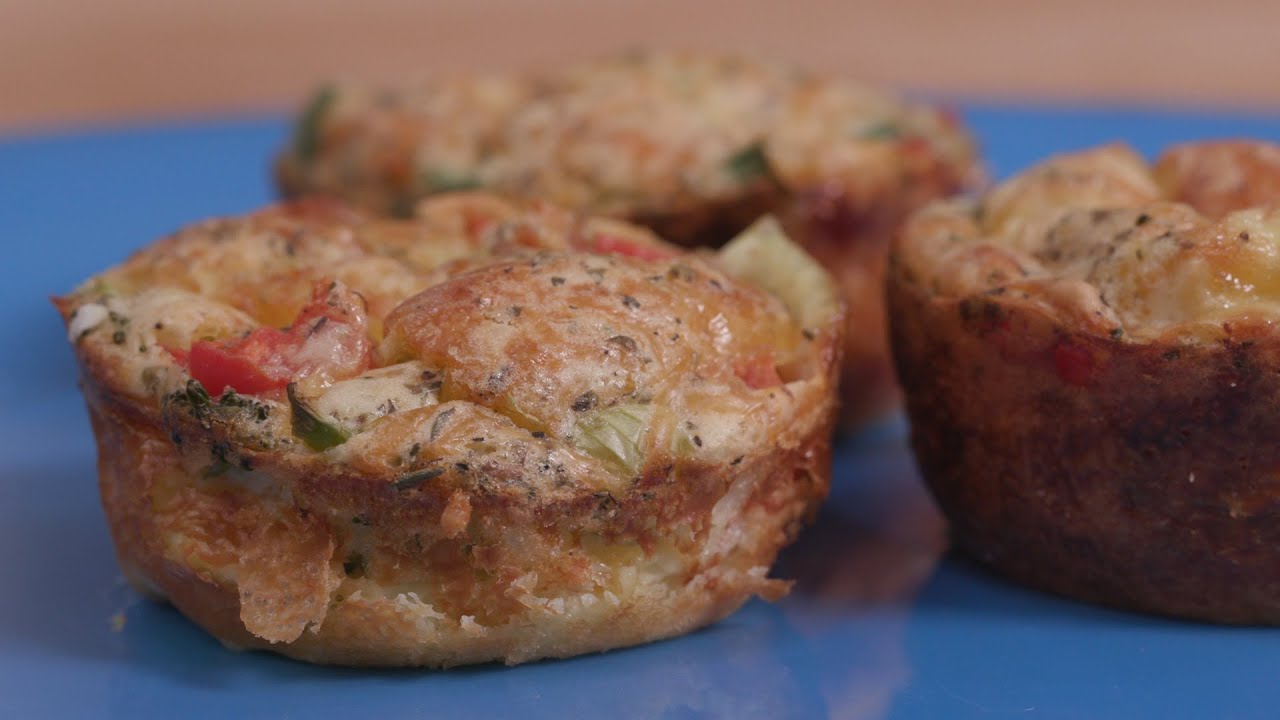
by Ms. Natasha Haynes, MSU Extension Service For people who need something quick for breakfast, these Veggie Quiche Muffins are both healthy and convenient. You can use 3 cups of your favorite veggies if you prefer something different from what is in the original recipe. Chopped zucchini and mushrooms are great options! You can also use your favorite cheese, but note that changing from a low-fat cheddar will alter the calories. Note: You may have problems with the muffins sticking, so be sure to spray the muffin tin well or use a silicone pan. Allow the muffins to cool slightly so they are firmly set, and the steam will help loosen the muffins from the pan. You may also want to carefully run a plastic knife around the edges to loosen the muffins before attempting to remove them from the pan. Veggie Quiche Muffins Ingredients: - 3/4 cup low-fat cheddar cheese, shredded - 1 cup green onion or 1 medium onion, chopped - 1 cup broccoli, chopped - 1 cup tomatoes, diced - 2 cups nonfat or 1% milk - 4 eggs - 1 cup baking mix (for biscuits or pancakes) - 1 teaspoon Italian seasoning (or dried leaf basil and oregano) - 1/2 teaspoon salt - 1/2 teaspoon pepper Heat oven to 375 degrees F. Lightly spray or oil 12 muffin cups. Sprinkle cheese, onions, broccoli, and tomatoes in muffin cups. Place remaining ingredients in a bowl and beat until smooth. Pour egg mixture over other ingredients in muffin cups. Bake until golden brown or until knife inserted in center comes out clean, 35 to 40 minutes. Cool 5 minutes. Refrigerate leftovers within 2 hours. Thanks to our friends at Oregon State University Extension’s Food Hero program for this printable version of their recipe. For behind-the-scenes photos, crew reviews, and terrific kitchen tips, be sure to follow The Food Factor on Facebook, Instagram, and Twitter! And if you like our recipes and videos, we’d love for you to share them with your friends! It really helps!
- Join Delta Meat Market and Cotton House Hotel for Picnics and Live Music During Crosstie
CLEVELAND, Miss – With Crosstie looking a little different this year, Delta Meat Market and Cotton House Hotel brings unique offerings to locals. On Saturday, April 17, Mary Culpepper with MRWC Jewelry will host a pop-up in the lobby of Cotton House Hotel with spring/summer handmade earrings, bracelets and more! Musician Libby Switzer will also be performing in the lobby from 4 to 6 pm. Chef Cole Ellis will be offering to-go picnic baskets from April 16 through June 11. This package is for two people and will include two pimento cheese sandwiches, two bags of chips and a bottle of rosé or selection of craft beer for $45. About Delta Meat Market James Beard Award nominated Chef Cole Ellis brings Delta Meat Market to the Cotton House Hotel: both a premium grocer of specialty meat, cheese and artisan goods; and a casual, full-service restaurant serving up internationally influenced dishes deeply rooted in the Southern culinary traditions of the Mississippi Delta. Chef Ellis opened Delta Meat Market in the heart of Cleveland, Mississippi in 2013 as a butcher shop and boutique grocer of fine Southern foods. As Delta Meat Market gained both community fandom and national acclaim, the humble grocery grew into a lunch counter with a daily rotating menu of oyster poboys, muffalettas, smoked catfish, house made pimento cheese and beef jerky, cheese and charcuterie, and the signature DMM burger with Thousand Island - all served with a heaping side of hospitality. Building on its laddered success, Delta Meat Market marks its continued growth with a new home in Cotton House Hotel, serving counter-style breakfast and lunch, and full-service dinner seven days a week in addition to an on-site food stall offering grab-and-go soups, salads and sandwiches alongside a selection of grocery items such as house made charcuterie, jerky and pimento cheese. For more information please visit www.deltameatmarket.com and www.cottonhousecleveland.com.
- Pisoni Wines Are Sustainable and Delicious; Bertrand Wines Embrace Biodynamic Farming
by The Wine Guys, Tom Marquardt and Patrick Darr Mark and Jeff Pisoni grew up in an agricultural family. Their grandfather farmed fruit in the Salinas Valley in 1952, but their father was determined to grow vineyards and bought a ranch in the rugged Santa Lucia Highlands. Today, he has turned over much of the operation to Mark, the vineyard manger, and Jeff, the winemaker for Pisoni Family Vineyards. Although you would think that sibling rivalry would lead to disagreements between the grape grower and the winemaker, the brothers say the relationship is as harmonious as their wines. Mark is happiest walking the vineyards and eagerly hands off the winemaking to his brother. “If you look at my shoes, I’m a real farmer,” Mark (pictured right) said. “We’re very authentic – it is what you get with us.” Real indeed. In a business that is often driven by rich retirees from big tech or celebrities who lend only their name to a wine, it is refreshing to still see a multi-generational family making wine from vineyard to bottle. The Pisoni family has embraced sustainability, which has earned them the 2020 Green Medal award for Sustainable Winegrowing Leadership. A two-acre insectary of beneficial insects is located in the middle of the vineyard to enhance biodiversity. That’s pretty cool. Jeff said the wines showed a remarkable change after sustainability was introduced. “The wine has more energy, a vibrant natural acidity. The soils are more alive than they ever have been. That’s how I identify that I’m doing the right thing,” he said. The Pisonis are focused on pinot noir, chardonnay and syrah. The 2020 Lucy Rosé of Pinot Noir ($19) is an exceptional bottle of sunshine – watermelon and nectarine aromas followed by peach and strawberry flavors with good acidity. We liked the texture of this special wine, which Jeff attributes to the use of neutral oak barrels. Once a wine made as a lark, the rosé is now a serious endeavor for them. A dollar of every bottle sold is donated to breast cancer aid and research. We liked the 2019 Lucia Chardonnay ($45), another nicely textured wine with bright apple, pear and citrus notes with a kiss of oak flavors. Pinot noir is the bell-ringer in the family’s portfolio. The 2019 Lucia Pinot Noir ($45) out-delivers the cost, which, in today’s market, is very reasonable in this category. Black cherries and spice dominate this expressive wine. Bertrand Gerard Bertrand is eager to spread the word that Languedoc-Roussillon, despite being the largest wine producing region in the world, is often the most forgotten. He also is a fervent supporter of biodynamic farming, a practice he embodies in an extraordinary effort to create unusual blends that burst with flavor. Bertrand’s enthusiasm and experience are steeped in history. He started his education alongside his father in 1975 in the vineyards of the Villenmajou Estate in Corbieres. When his father died in an accident in 1987, he assumed management of the estate. His father emphasized an attention to detail, a lesson Gerard has adopted in practicing biodynamic farming. It was a farming practice he said changed his life. “Biodynamic farming is holistic medicine on a plant.” He said when he started to make wine he saw so much chemical being added. “I decided then it was important to change,” he said. He introduced biodynamic practices to two acres and kept expanding it to his entire estate of 2,000 acres. “I saw changes in two years,” he said. He cited more acidity, freshness, minerality and aging potential as the positive changes. Bertrand is using the same classic grape varieties, but each property gives the wine its own range of terroir-inspired flavors. His 2017 Clos D’Ora -- a blend of syrah, grenache, mourvedre and carignan – is a world-class wine with great complexity but at $250 a bottle, not everyone can afford it. On the other hand, there is an extensive selection of inexpensive wines that over deliver in quality. Bertrand’s 2020 Change Sauvignon Blanc ($15) demonstrates the freshness that comes from organic farming. Citrus and grapefruit notes abound in the nose and mouth. The 2020 Naturae Chardonnay ($18) tastes like a $50 chardonnay. Organic, sulfite free, certified vegan and packed with citrus and tropical fruit flavors. It has good acidity but is still lush in mouth-filling texture. The Naturae Cabernet Sauvignon ($18) also over delivers. Certified vegan, it has fresh and bright blackberry flavors. Bertrand makes a series of rosés that rival anything coming from Provence. The 2020 Source of Joy Rosé, new to the lineup, is a blend of grenache, syrah and cinsault. “Joy” indeed: expressive red fruit aromas with strawberry and cherry flavors, good acidity and a hint of licorice. Also new is Bertrand’s Orange Gold, a modern version of Georgia’s famous orange wines. It is an intriguing blend of chardonnay, muscat, viognier, chenin, grenache blanc, mauzac and roussanne. It has exquisite apricot and white peach flavors with a hint of nuts. Wine picks Thelema Cabernet Sauvignon Estate Thelema Mountain Vineyards Stellenbosch South Africa 2015 ($35). A beautifully crafted cabernet sauvignon that presents ripe cassis and blackberry fruit and a hint of elegant oak from 18 months in French barrels (45 percent new). Try now or age easily for at least 5 years. Rabble Red Blend Paso Robles 2019 ($16). Crafted from a blend of merlot, cabernet sauvignon and petite sirah, this well-priced blend offers agreeable ripe berry notes as well as a pleasant cranberry-like tartness that enlightens the palate. As Sortes Rafael Palacios Valdeorras Spain 2017 ($60). Okay, this wine is expensive but wait until you taste it. One of the best white wines we have tasted this year. It is a 100-percent godello from a frost damaged vintage that lowered yields. Bright peach and citrus notes proceed to a lovely creamy mouth feel and finish. Amazingly good.
- PJ's Coffee Poised for Continued Franchise Growth in Mississippi, Alabama, Florida and Georgia
NEW ORLEANS, March 24, 2021 /PRNewswire/ -- PJ's Coffee of New Orleans – a gourmet coffee company renowned for its fresh beans and superior-roasting techniques – announced the next phase of its franchise growth on Wednesday, which entails a reinforced presence in the ripe development states of Alabama, Florida, Georgia and Mississippi. Currently, the quick-service restaurant (QSR) brand with a comforting coffeehouse experience that's just as memorable as the beverages themselves has established locations in Mississippi, Alabama and Georgia. When assessing the active and future development pipeline, PJ's Coffee already has commitments from franchisees to introduce a total of 28 additional coffeehouses across the four states in the next two-to-three years. One of the more prominent factors driving interest in PJ's Coffee's franchise opportunity is the heightened attraction to the QSR industry, specifically the coffee category. Its strength, stability and resilience has been on full display over the past 12 months, and PJ's Coffee is in prime position to maintain its growth momentum as the economy and entrepreneurial interest picks up. "We are just scratching the surface regarding development within these states and therefore, there is a great opportunity to continue our expansion into this region," said Ryan Stansbury, vice president of franchise development for PJ's Coffee. "Expansion into these four states will not only improve market share and brand awareness but also contribute to the success of each franchised location through improved supply chain and cooperative marketing strategies." This announcement comes on the heels of the International Franchise Association's (IFA) annual franchising economic outlook, which takes a quantitative look at the health and sustainability of the franchise industry. The 2021 report echoes Stansbury's thoughts and aligns with PJ's Coffee's immediate expansion efforts. The IFA reports two of the top six states expected to sustain the highest franchise business growth this year are Florida and Georgia. Additionally, the report estimates franchise businesses will create nearly 800,000 jobs in 2021, bringing the industry total to 8.3 million employed. This includes the 12 to 15 news jobs each PJ's Coffee restaurant accounts for. Looking ahead over the next three years, PJ's Coffee estimates it will add 60-75 new jobs in Alabama, 108-135 in Florida, 48-60 in Georgia and 120-150 in Mississippi. A prospective franchisee can expect a total investment range between $190,775 to $391,000 for non-traditional franchise units and $200,775 to $582,000 for traditional units. The operating model and menu are adaptable to any environment with different options including kiosks and free-standing locations with a drive-thru, ranging from a few hundred square feet up to 1800 square feet. PJ's Coffee offers a proven franchise structure with strategic corporate support. For more information about PJ's Coffee franchise opportunities and to request your free franchise information booklet, please visit www.pjsfranchise.com. ABOUT PJ'S COFFEE PJ's Coffee of New Orleans was founded in 1978 by Phyllis Jordan, a pioneer in the coffee industry. The coffeehouse was acquired by Ballard Brands in 2008 which was spearheaded by brothers Paul, Scott and Steve Ballard. The New Orleans-based coffeehouse demonstrates that better beans, superior roasting techniques, and pure passion for the art of coffee-making matter. The brand serves a wide variety of hot, iced and frozen coffee beverages using only the top one percent of Arabica beans, as well as organic tea and fresh breakfast pastries, sandwiches and a New Orleans inspired beignet. With 42 years as an established brand, it continues to remain an authentic coffeehouse with a New Orleans spirit. PJ's Coffee has over 125 locations open and operating nationally and internationally.
- Don't Let the Name Fool You - Keg & Barrel Serves Great Food
by Kara Kimbrough Food-related misnomers abound, ranging from Brussels sprouts to gravy train. Others include the term white chocolate, which isn’t true chocolate due to a lack of cocoa butter found in dark and milk versions. Another misconception is the term Danish. It's a name for pastries thought to originate in Denmark, but that were actually created by Austrian bakers. And don’t get me started on French toast. This dish goes back to Medieval times, so it should probably be called Spanish toast. A modern-day misnomer is Keg and Barrel, with two Hattiesburg locations and a new one in Ocean Springs. Surprisingly, delicious food is the standout along with, but not superseded by, spirits as the name suggests. Like any college town, Hattiesburg has its fair share of watering holes that serve decent food. I’d heard about Keg and Barrel’s lively music and bar scene, but was unaware of the interesting food menu filled with creative dishes. That changed when I met Gulf Coast animal rescuers there a few years ago to adopt a dog – yes, the restaurant is pet friendly. I found out Keg and Barrel serves delicious food ranging from creative appetizers to burgers and pizzas to seafood and chicken dishes. After meeting at the original Hardy Street location (Keg and Barrel West opened in 2018), we ordered appetizers outside on the wraparound porch at the bustling Victorian style restaurant. Never one to overlook fries, I sampled crispy homemade ones topped with an assortment of melted cheeses and fried bacon ($9.50). My new rescue friends tried the debris fries ($12) smothered in slow cooked roast beef, cheeses and onions and served with horseradish sauce. To say we weren’t disappointed is an understatement. Other appetizers include the house nachos ($13.50) topped with almost everything imaginable and choice of chicken and beef, wings served in a variety of sauces ($10) and chips and queso ($7.50). One of Keg and Barrel’s most popular appetizers, Greek dip duo, was temporarily removed from the menu during the pandemic. Homemade hummus and feta dip served with warm pita, fresh vegetables and homemade chips was a favorite of the masses. I’m happy to report the dip duo will soon be back due to popular demand. Burgers made of beef locally sourced from a Perkinston cattle farm are plentiful on the menu. Favorites in the $14 range include the Keg stand topped with bacon, steak sauce and vegetables and served on a jalapeno cheddar bun; dirty Diana, a cheese and bacon-centric version on a brioche bun and black and bleu topped with bleu cheese and caramelized onions. For the vegans in the house, Woodstock is a homemade vegan patty topped with cheeses and garlic mayonnaise. The Hattiesburg locations serve a number of pizzas topped with delicacies like hickory-smoked bacon, Cajun sausage, grilled chicken and ground beef, accompanied by a plethora of grilled vegetables, specialty cheeses and tangy dressings. Thick and hearty sandwiches like the K&B Reuben, Creole or chicken club, sweet and smoky turkey and chicken tenders with dipping sauce ($11 to $14 range) are called “pub grub,” but are unlike regular bar food offerings. Salads topped with buffalo chicken, tuna, turkey and ham ($12 to $15) are also offered up as healthy options. Each one is an excellent choice, but overlooking the entrees section would mean missing out on creatively prepared dishes resembling those served on white tablecloths. Keg and Barrel is perhaps best known for its Hattiesburg hot chicken ($12.50, pictured). Fried chicken is tossed in the restaurant’s signature hot sauce and served over sourdough bread with pickles and bacon ranch potato salad. Another crowd favorite is chicken and waffles, which can be tricky to execute due to the propensity of the latter ingredient to become soggy from the weight of moist chicken and syrup. Keg and Barrel’s chefs avoid this error, presenting crispy fried chicken on an equally crispy waffle drizzled with maple syrup ($12.50). Other offerings include Thai lettuce wraps ($10.50), pan-grilled redfish ($14), fish tacos ($13.50-$16.50) and another specialty dish, shrimp and grits ($16). The classic dish ($16) is given a Bayou twist, courtesy of large shrimp and Cajun sausage in a garlic cream sauce. Served over delicious Grit Girl stone-ground grits, it’s a feast for the gods. One last notable fact about Keg and Barrel. After the success of the west Hattiesburg location, plans were made to introduce Keg and Barrel to the Gulf Coast. Despite the pandemic and hardships that caused many restaurants to close their doors, owner John Neal soldiered on and opened the new location a few months ago. With a few menu variances, it’s now offering Coast residents and tourists with the same amazing fare that has delighted Hattiesburg residents, college students and others for many years. Visit kegandbarrel.com for more information. Where: Hattiesburg (2 locations): 1315 Hardy Street and 6 Marketplace Drive West Ocean Springs: 2501 Bienville Boulevard When: Hattiesburg: Monday through Thursday, 3 p.m. to 12 a.m.; Friday through Saturday, 11 a.m. to 1 a.m. and until 12 a.m. on Sunday. Ocean Springs: Closed on Monday, open Tuesday through Thursday and Sunday, 11 a.m. to 10 p.m., until 11 p.m. Friday and Saturday. Contact: Hattiesburg (Hardy Street) 601-582-7147; (West) 601-402-7320 Ocean Springs: 228-215-3242.
- Gardening Myth Busters
From the MSU Extension Service Photo from Wix Don’t believe everything you hear. That piece of advice can be applied to gardening as well. We’ve all done something because a friend said that it works. Or maybe you do something because that’s the way you’ve always been told to do it. While those techniques may not be completely wrong, they often don’t have the scientific evidence to back them up. Here at Extension, we believe in using research-based information to help us garden. We’ve compiled a few gardening myths you’ve probably heard, and we’ll sort out what the truth is. Add gravel to the bottom of containers to help with water drainage. We’ve all purchased beautiful containers and later realized there is not a drainage hole at the bottom. You’ve probably heard that all you have to do is place a layer of gravel at the bottom of the container to help with drainage. (I’m guilty of this one!) The truth is, the gravel will only hinder water movement within the container, so it’s not recommended to try this. Instead, drill several small holes in the bottom of the container and be sure to use good soil. Your plants will thank you! Newly planted trees need to be staked. It is usually not necessary to stake a new tree. Any tree that has a sturdy root ball does not need the extra support to help it stand up. However, staking may be helpful if the tree cannot stand up by itself or if it’s planted in a windy area. Information Sheet 0965, “Transplanting Trees & Shrubs in the Landscape,” is a helpful resource for learning how to properly stake a tree if needed. Epsom salt will help prevent blossom end rot on your tomatoes. Many people claim that Epsom salt is beneficial to your tomatoes and can keep them from developing blossom end rot. This is not true. Blossom end rot is caused by a calcium deficiency and inconsistent watering, and Epsom salt does not contain calcium. It may actually promote blossom end rot more than prevent it! Extension publication 2975, “Tomato Troubles: Common Problems with Tomatoes,” can help you identify other physiological problems that often occur in tomatoes. Apply pruning paint or wound dressing when pruning trees. There is no need to paint over cuts. Trees have the natural ability to heal (compartmentalize), so applying paint does not provide any added benefits. The best thing you can do is make clean cuts with properly sharpened tools. Our friends at Oregon State Extension and Penn State Extension have great resources that address other common gardening myths. Gardening myths are easily spread around the Internet and social media. If you have questions about any of the “hacks” you see, feel free to reach out to your local Extension agent to see if there is any reliable research behind it.
- Looking For a Bargain Wine? Looks for Wines From France's Cotes-du-Rhone
by The Wine Guys, Tom Marquardt and Patrick Darr Some of the best values in France are from the Cotes-du-Rhone, a vast wine region that accounts for nearly half of the wine production in the Rhone Valley. Anyone looking for a good bargain in red wine would be a fool to ignore this region. More than 20 grape varieties are allowed in Cotes-du-Rhone wines. Grenache, syrah and cinsault dominate the red blends but it’s not unusual to find viognier or carignane in the mix. Roussanne, marsanne, clairette are popular varieties in white blends. We enjoy the red blends with barbecue fare, such as ribs, hamburgers and sausages. There is good acidity, soft tannins and generous berry fruit to balance these dishes, especially if a red sauce is involved. Most of the simple Cotes-du-Rhones sell for under $20. If you step up to a cru, prices can escalate to $25 or more – still a bargain when compared to higher-priced Chateauneuf-du-Papes. Here are several we recently discovered: Louis Bernard Cotes-du-Rhone Villages 2017 ($16). This blend of grenache and syrah has good body for the price with generous plum and ripe dark berry flavors with a dose of anise. Stephane Ogier Le Temps est Venu Cotes-du-Rhone 2017 ($18). Mostly grenache with some syrah and mourvedre, this delightful wine has ripe and expansive red fruit character in a garrigue envelope. Domaine de la Janasse Reserve Cotes-du-Rhone 2019 ($15). Medium body with loads of plump red berry fruit and silky tannins. It is a blend of mourvedre, syrah, cinsault and carignane. Domaine de la Janasse Terres d’Argile Cotes-du-Rhone 2018 ($22). For a few bucks more, you get greater complexity in this blend of grenache, syrah and cinsault from Coudoulet. Black raspberry and earthy notes with hints of licorice. J.L. Chave Selection Mon Coeur Cotes-du-Rhone 2018 ($25). A blend of grapes from four distinct terroirs, this negociant wine is a near split of syrah and grenache. Violet aromas give way to beautiful dark berry fruit with supple tannins, a dash of black pepper and good texture. Chateau La Nerthe Les Cassagnes de la Nerthe Cotes-du-Rhone Village 2018 ($15). We have fond memories of this chateau after a visit with the wonderful family who makes these wines. One of the oldest producers known for its Chateauneuf du Pape, its simple Cotes du Rhone is often forgotten. Using grenache, syrah and mourvedre grapes from old vines, La Nerthe offers an intensely aromatic wine. Blackberry and cassis notes with a soft mouthfeel. Alma Rosa Given the struggles of the small businessman, it’s more important now than ever to buy wines locally. And we do. But on occasion there is a special wine made in small quantities that can be purchased only on line. These are often wine whose productions are less than 1,000 cases – too small to distribute nationally to stores and too small for many distributors to carry. Many are ultra-luxury wines that cost more than $200 a bottle, but once in a while we come across one that is reasonably priced. Such is the case with Alma Rosa Winery, a boutique producer located in the Sta. Rita Hills appellation of Santa Barbara County. Alma Rosa was founded in 2005 by Richard Sanford, the first to plant pinot noir in the Central Coast. The property was purchased by Bob and Barb Zorich in 2014. The current winemaker is Samra Morris who interned at the University of Sarajevo and spent time at St. Supery and Michael Mondavi Family Estate before joining the Alma Rosa team. These are the native Bosnian’s first wines. Two rosés were particularly noteworthy. The 2020 estate Vin Gris of Pinot Noir Rosé ($35) is loaded with fresh strawberry aromas and grapefruit, apricot flavors with a hint of spice and salt. The 2020 Alma Rosa Grenache Rosé ($30) has floral aromas and tropical fruit flavors with a dash of mineral. We were particularly impressed with the 2019 Alma Rosa La Encantada Pinot Blanc ($35), an expressive wine with fresh acidity and tropical fruit notes. Similarly, the Alma Rosa La Encantada Pinot Gris ($32) is surprisingly full bodied yet round in the mouth and long in the finish. Ripe white peach and melon notes. Tenuta Luce Twenty-five years ago, Robert Mondavi formed a partnership with Vittorio Frescobaldi to make a super-Tuscan wine in Montalcino that merged merlot with the region’s native sangiovese. You could say both the friendship and the blend were marriages made in heaven. Tenuta Luce has a lot to celebrate for its silver anniversary. The property is now managed by Lamberto Frescobaldi. Winemaker Alessandro Marini, who worked in Bordeaux before joining Luce in 2018, said, “I’m proud of what we have accomplished.” Indeed. The 2018 La Vite Lucente ($30), an even blend of merlot and sangiovese, is a great value and meant for current drinking. Fermented in stainless steel, it has fresh black fruit notes, soft tannins and a long finish. The pride of the portfolio is the 2017 Luce ($110), also a blend of merlot and sangiovese, that is fermented in cement containers and aged for 24 months in French oak barrels – 80 percent of which is new oak. The result is a richer and more full-bodied wine with big yet fine tannins. It’s an elegant but complex wine that will improve with a decade of cellaring. Both wines are special anniversary limited editions. Wine picks Kosta Brown Keefer Ranch Russian River Valley Pinot Noir 2018 ($165). There are few pinot noir producers who have been awarded the reverence of Kosta Brown. Its reputation was built over two decades of refinement in both the vineyards and at the winery. Today it uses only the best sources and a combination of fermentation vessels to achieve a complexity and luxurious elegance few others have been able to achieve in this cool portion of the Russian River Valley. Three types of fermentation vessels were used in the Keefer Ranch pinot noir made up of seven different clones. Red berry flavors, effusive aromas, layers of red berry and spice flavors with soft tannins and balanced acidity. Badia a Coltibuono “Cultus Boni” RS Chianti Classico DOCG 2018 ($25). Eight other varieties comprise 20 percent of this largely sangiovese blend. Bright red berry fruit with medium body and long finish.
- Don't Be a 'Martha' This Easter
by Kara Kimbrough Easter is this weekend, and while the thought of finally gathering with family and friends after a year in exile is exciting, cooking for days in preparation for a feast is less joyful. Thankfully, there are several shortcuts to cut cooking time in half. That way, like Mary in the Bible story of the two sisters entertaining Jesus at their home, you can enjoy time with those that matter instead of being a "Martha" in the kitchen. One dish that consumes more than its fair share of time is potato salad. While I love the old-fashioned version filled with mayonnaise, chopped homemade pickles (and pickle juice) and a boiled egg or two, who has time to peel, boil and chop all those huge potatoes? Instead, I usually turn to a shortcut version that's almost as good and to some, even better. Yes, a little boiling is required, but because you use small red or new potatoes, boiling time is cut in half. And here's the best part: the skin is left on, after a thorough scrubbing, of course. Last, I tried a recipe for two-step pound cake last week after finding it online. My curiosity got the best of me when I learned there's no combining or creaming of butter and sugar. And, making sure dry and wet ingredients are incorporated separately are not necessary. Basically, everything comes together in less than 10 minutes, not counting baking time. As luck would have it, stand mixer died just after ingredients were loaded, requiring me to beat several pounds of heavy ingredients with a hand mixer. However, the cake turned out "almost" perfect. I attribute a couple of soggy places to the fact that my small hand mixer didn't have enough power to adequately mix everything. Covered with whipped cream and the first Louisiana strawberries of the season, it was a more than adequate substitute to my regular and more time-consuming five-flavor pound cake. Almost as good as the cake is the fact that I was able to justify ordering a new stand mixer, this one with a larger mixing bowl and more bells and whistles than my old one. Happy Easter, everyone! Easiest Potato Salad Ever Ingredients: - 10 pounds new potatoes, cut into 1-inch pieces - 1 cup mayonnaise - 1 large bottle bacon ranch salad dressing - 1/4 cup red wine vinegar - Dill weed, to taste - Celery seed, to taste - Jar of Bacos - 1/2 cup thinly sliced green onions - Black cracked pepper Leave the peel on the red potatoes and cut them into 1-inch cubes. Put the potato cubes in a large pot and cover with about one inch of water. Bring to a boil over high heat and add salt. Once boiling, reduce the heat to medium low and cook uncovered for 8-15 minutes or until potatoes are tender. Drain the potatoes and run under cold water. Let stand to dry completely before adding dressing. Dressing: Combine everything except potatoes. Place the completely cooled potatoes in a large bowl. Pour the dressing over everything and gently toss to combined. Add cracked pepper to taste. Chill, covered, in the refrigerator for at least 30 minutes (preferably 1 hour) before serving. Ten Minute Pound Cake (you will need a stand mixer to adequately blend this heavy cake mix) Ingredients: - 3 cups granulated sugar - 2 cups butter, softened - 6 eggs - 2 teaspoons vanilla - 4 cups all-purpose flour - 3/4 cup whole milk - Powdered sugar for dusting Preheat oven to 325 degrees F. Liberally grease bottom, side and tube of 10-inch angel food cake pan with baking spray or shortening; lightly flour. In large bowl, beat sugar, butter, eggs and vanilla with electric stand mixer on low speed 30 seconds, scraping bowl constantly. Beat on high speed five minutes, scraping bowl occasionally. On low speed, gradually beat in flour alternately with milk. Pour batter into pan. Bake 90 minutes or until toothpick inserted in center comes out clean. Cool 15 minutes; remove from pan to cooling rack. Sprinkle with powdered sugar.
- Food Factor: Strawberry-Banana Cheesecake Wraps
by Ms. Natasha Haynes, MSU Extension Service Whether you want a healthier dessert option for yourself or for the little ones who like to help you in the kitchen, these strawberry-banana cheesecake wraps are perfect! The fruit and whole-wheat tortillas are loaded with fiber and will keep everyone feeling satisfied far longer than a store-bought cookie. And the cream cheese mixture will make you feel like you’re indulging in cheesecake, without all the calories. Best of all, they are easy for kids to make themselves. You can try other fruit combinations, too, like blueberry-banana. You could also add some peanut butter to the cream cheese mixture and add apple slices for the fruit. I love versatile recipes! Strawberry-Banana Cheesecake Wraps Ingredients: - 4-ounce package reduced-fat cream cheese - 2 teaspoons sugar, optional - 1/4 teaspoon vanilla - 3 (8-inch) whole-wheat tortillas - 2 cups strawberries, washed, thinly sliced - 2 bananas, washed, thinly sliced Wash hands with soap and water. In a small bowl, mix together cream cheese, sugar (if desired), and vanilla extract. Spread cream cheese mixture all the way to the edges of each tortilla. Lay the strawberries in a single layer on top of the cream cheese. Top with banana slices. Roll up tortilla, being careful to keep the filling inside the wrap. Set seam-side down. Store in the refrigerator until ready to serve. Cut in half to serve. Thanks to the University of Nebraska-Lincoln Extension for this recipe! For behind-the-scenes photos, crew reviews, and terrific kitchen tips, be sure to follow The Food Factor on Facebook, Instagram, and Twitter! And if you like our recipes and videos, we’d love for you to share them with your friends! It really helps!
- New Flavors This Spring at Cultivation Food Hall
Check out what's new this spring at Cultivation Food Hall in this week's Sipp Jackson blog post!
- A Brunch Spread Fit for Spring
From Family Features From tasty small bites to a filling feast and even dessert for breakfast, brunch options are nearly endless. Take your spring brunch to the next level with recipes that appease appetites of all kinds. First, start with portioned pastry cups perfect for appetizers. Bring out the protein-packed breakfast burritos for the main course then, for a final touch of sweet deliciousness, offer up lemony doughnuts to cap off the feast. Find more brunch recipes at Culinary.net. Bite-Sized Breakfast Appetizer-sized portions and small bites of all sorts are ideal for breakfast spreads, and these Pastry Brunch Cups are perfect for starting a morning meal with loved ones. Or, if a busy schedule looms, try baking a batch and separating into appropriate serving sizes for a simple way to meal prep heading into a new week. Find more breakfast recipes at Culinary.net. Pastry Brunch Cups Servings: 18 2 tablespoons butter 2 tablespoons flour 1 1/2 cups milk 1 cup shredded Swiss cheese 2 sheets puff pastry 18 eggs 2 cups diced ham chopped fresh green onions Heat oven to 375 Fahrenheit. In a small saucepan, melt butter. Whisk flour with butter. Gradually pour in milk, whisking each time. Bring to a simmer, whisking until mixture starts to thicken. Remove from heat; stir in Swiss cheese. Set aside. Use rolling pin to thin out puff pastries. Cut each into nine squares. Line pastry squares in muffin cups, pressing bottoms down firmly and moving pastries up sides for edges to come up just over muffin tins. Fill each cup with 1 teaspoon cheese sauce. Crack one egg into each cup and sprinkle each with diced ham. Bake 10-15 minutes until eggs are set. Sprinkle with chopped green onions and serve. Power Brunch with a Protein-Packed Burrito A well-rounded brunch calls for a multitude of dishes and beverages, but it wouldn't be complete without a protein-packed recipe to get the day started. This delicious Breakfast Burrito is loaded with colorful veggies and Silver Fern Farms 100% grass-fed strip steak. Hailing from New Zealand, home to some of the world's most natural tasting beef and lamb, this premium cut of beef is aged 21 days and minimally processed with no added growth hormones or antibiotics. The animals are grass-fed year-round and allowed to roam and graze freely, so the beef offers a lean, flavorful texture that tastes just as nature intended. Visit silverfernfarms.com to find more at-home brunch inspiration. Breakfast Burrito 1 Silver Fern Farms New Zealand 100% Grass-Fed New York Strip Steak (10 oz.) oil salt, to taste pepper, to taste 1/2 onion, finely chopped 1 red bell pepper, sliced lengthwise 4 large mushrooms, sliced 1 teaspoon cumin 1 teaspoon paprika 1/2-1 teaspoon chili powder 1 tomato, finely chopped 8 eggs 1/2 cup milk 4 large tortillas 1 cup spinach 1 1/2 ounces feta cheese, crumbled 1/4 cup cilantro 1 avocado lime wedges and hot sauce for garnish, both optional Remove steak from packaging and set aside 10 minutes. Once steak reaches room temperature, heat pan over medium-high heat. Rub steak with oil and season with salt and pepper, to taste. Cook until medium-rare, approximately 3-4 minutes each side. Remove from pan and cover loosely with tinfoil to rest 5 minutes. Reduce heat to medium and add splash of oil. Add onion; cook 1 minute. Add red bell pepper and mushrooms; cook 1 minute. Add cumin, paprika and chili powder; stir through. When veggies are tender (about 2 minutes), add tomato and cook until soft. Season with salt and pepper, to taste. In a large bowl, whisk eggs, milk and salt and pepper, to taste. Heat pan to medium heat and add splash of oil. Pour egg mixture into pan and cook, lifting and folding eggs until thickened and no visible liquid egg remains. Do not stir constantly. Lay tortillas on flat surface or plate. In center of tortilla, add cooked veggies and top with thinly sliced beef. Add handfuls of spinach, eggs, feta, cilantro and avocado. Fold bottom of tortilla and roll. Serve with lime wedges and hot sauce, if desired. Dine on Deliciously Sweet Doughnuts Brunch is never complete without something sweet to cap off the morning feast, and doughnuts are often the perfect complement to an array of main courses. These Lemon Ricotta Doughnuts pair the bite-sized morsels with lemon curd (if that suits your style) for a sweet-tart combination. They're made using Domino Golden Sugar, which is made from pure cane sugar and is less processed than white granulated sugar, as one you can always trust in your favorite recipes. It works cup-for-cup just like white sugar but with a golden color and distinct hint of molasses flavor. Visit dominosugar.com to find recipes perfect for entertaining and celebrating through the year. Lemon Ricotta Doughnuts Prep time: 20 minutes Cook time: 7 minutes Doughnuts: Vegetable oil, for frying 2 cups all-purpose flour 1 3/4 cups Domino Golden Sugar, divided 2 tablespoons baking powder 1/4 teaspoon salt 2 tablespoons lemon zest 5 large eggs 1 3/4 cups ricotta cheese 1 tablespoon pure vanilla extract Lemon curd (optional): 1 stick unsalted butter, softened 1 1/2 cups Domino Golden Sugar 2 large eggs 2 egg yolks 4 lemons, zest and juice only 1/8 teaspoon salt To make doughnuts: In large saucepan, preheat oil to 350 F. Prepare cookie sheet with paper towel to drain doughnuts once out of hot oil. In bowl, mix flour, 3/4 cup sugar, baking powder and salt. Add lemon zest, eggs, ricotta cheese and vanilla extract; mix until well combined. Use ice cream scoop to scoop small amounts of dough into the hot oil, 4-5 pieces at a time. Fry each batch until golden brown, about 7 minutes. Keep oil at or near 350 F; if oil is too hot, doughnuts will turn golden brown but centers may still be raw. Remove from oil and drain on paper towel-covered cookie sheet. Repeat with remaining dough. While still hot, toss doughnuts with remaining sugar. To make lemon curd, if desired: In large bowl of stand mixer, cream butter and sugar until light and fluffy. Add eggs and egg yolks, one at a time. Add lemon zest, lemon juice and salt. Transfer mixture to saucepan and cook at low-medium heat until thick and creamy, stirring constantly. Remove from heat and let cool before serving with doughnuts.
- National Spinach Day: Recipes You'll Love
March 26 is National Spinach Day. While this may not sound too exciting, here are a few of our favorite spinach recipes that are sure to help you celebrate with friends this weekend. Grilled Shrimp Salad With Hot Bacon Dressing Roasted Tomatillo Tortellini Sauce Apricot Spinach Quinoa Crustless Quiche Recipe Spinach Artichoke Stuffed Mushrooms Spanakopita
- Jackson Family Wines Are Mountain-Grown
by The Wine Guys, Tom Marquardt and Patrick Darr Chris Carpenter may have the best day job in the world. Through the windshield of his truck, he watches the fog roll over mountain vineyards that are synonymous with long-lived premium wines. The rugged-looking, former defensive lineman for the University of Illinois agrees his daily travels are a religious experience. “What often gets lost is the spiritual connection to wine,” he said. “You come off busy Route 29 on a holiday weekend and head into the mountains where there is nobody but you and a few hawks. You are in a beautiful place.” Carpenter’s beautiful place is on the slopes of Napa Valley’s most famous peaks -- Mt. Veeder, Spring Mountain, Diamond Mountain and Howell Mountain -- where he oversees vineyards for Jackson Family Wines’ portfolio of sublime, luxurious wines: Lokoya, Caladan, La Jota, Cardinale and Mt. Brave. It is at these heights that cabernet sauvignon soars, but now the mountain man has learned that merlot, malbec and cabernet franc do well too. “With mountain grapes, you’re growing grapes in an area with a diurnal shift. Air masses move in early in the night and cool down the grapes. As cold air drops, the effect kicks things off early in the morning. The combination with the sunlight really increases intensity and phenolics and stops the development of acid and tannin.” Vines struggled to dig through the rocky terrain in search of little water. While water is scarce, sun is not. While fog cools the valley below, mountain vineyards bask in the sun above the fog banks. Growing season often extends into November. While some mountain-wine producers hold on to all tannin to lengthen longevity, Carpenter concentrates on managing tannins so they don’t outlive a wine’s fruit. “A lot of my is thinking about tannin and how to present it so that the wine is enjoyable and still allows to age,” he recently said in a phone interview. Because much of his wine is available only in restaurants, Carpenter said he is conscious of not overpowering a chef’s creations. “Valley fruit has flash. But mountain-fruit wines age forever,” he said. “If you balance that wine correctly, you can carry that fruit for a very long time.” Is a mountain a mountain? Hardly. Carpenter said geology, geography, micro-climates and direction of the sun strike unique character to the red varietals grown on mountain slopes. “Diamond Mountain is like walking on moon dust. Spring Mountain is sedimentary rock. Hall Mountain is laden with iron and clay,” he said. Mountain-grown wines have intensity, depth and character that isn’t always found in wines made with valley-grown fruit. The challenge, as Carpenter said, is to tame the tannins to make them more approachable on release. The absolute killer wine of the bunch is the 2018 Mt. Brave Mt. Veeder Malbec ($85), perhaps the best domestic malbec we’ve tasted yet. Rich, boysenberry flavors, soft tannins and a luxurious mouthfeel with exotic spices, intense aromas and an inky color. Delicious yet powerful. The 2017 Mt. Brave Cabernet Franc is a wine with incredible concentration and fresh blueberry and plum notes with hints of lilacs and herbs de Provence on the nose. It isn’t your daddy’s cabernet franc with this structure. Equally concentrated are the 2017 Mt. Brave Cabernet Sauvignon and the firm but succulent 2017 La Jota Merlot, a wine that finally gives credit to an often-maligned grape variety. Jackson Family Wines has a “Spire Collection” that allows members to subscribe to a sampling of these special but pricey wines. Here are some other mountain wines: Blackbird Vineyards Contrarian 2016 ($135). Veteran winemaker Aaron Pott has been working with this producer since 2007 and his handiwork shows on this blend of cabernet sauvignon, cabernet franc and merlot. Using grapes from vineyards on Spring Mountain, Carneros and Vaca Mountain, the blend sows off Napa Valley’s classic character. Dark fruit and truffle aromas with ripe plum and blackberry flavors with a hint of mocha and anise. Louis M. Martini Cypress Ranch Vineyard Cabernet Sauvignon 2016 ($100). A first for this venerable producer, the Cypress Ranch Vineyard cabernet comes from the slopes of the Vaca Mountains in northeastern Napa Valley. Lush cherry and cassis noses with dusty tannins and a lot of complexity. Acumen Mountainside Cabernet Sauvignon 2018 ($65). Acumen makes some extraordinary cabernet sauvignons under its luxurious PEAK portfolio, but the Mountainside series of wines are intended to be more approachable for early consumption. The difference in pricing shows it too – the 2016 PEAK Edcora Vineyard is $165. From vineyards on Atlas Peak, this cabernet is tamed with cabernet franc and petit verdot. It is a very complex yet elegant wine with dark fruit notes and hints of chocolate, tobacco and spice. Ladera Howell Mountain Reserve Cabernet Sauvignon 2016 ($115). Opulent blackberry aromas with a hint of mint and ripe plum and blackberry flavors with a touch of oak. Wine picks Domaine Bousquet Gaia Cabernet Franc 2018 ($20). From the foothills of the Andes in Argentina, this lush and full-body cabernet franc is a treat. Deep violet color with a pleasant mix of blackberries, blueberries and raspberries with hints of black pepper and mineral. Veramonte Colchagua Valley Carmenere 2018 ($12). Bright plum and blackberry flavors make this a good match to pork and beef. Wine Society “Tempt” Canned Wine 500ml N/V ($12). Canned wines are definitely trending in many markets especially in areas where boaters live. Portable and convenient this red wine is also very pleasing. Crafted from a mélange of red grapes but it is primarily syrah and petite sirah. This wine exhibits elegant smooth cherry and plum flavors with a hint of herbs. A bit of a chill works well with this wine. Carmel Road Cabernet Sauvignon California 2018 ($15). A terrific value that doesn’t skimp on quality. Classic cherry, and berry notes with a hint of cedar and bit of oak make a great package. Photos from Jackson Family Wines