Search this site
1736 results found with an empty search
- Mother’s Day Brunch Recipes That Will Make Mom Proud
By Lisa LaFontaine Bynum Is your mom always the one in the kitchen? You’ll usually find her cooking up a storm for family dinners, holiday gatherings and everything in between. This Mother’s Day, give mom a break by surprising her with a homemade brunch menu fit for a queen. Strawberry and Ginger Champagne Spritzers 1 pound fresh or thawed frozen strawberries, roughly chopped 1 cup granulated sugar 2-inch piece of peeled fresh ginger 1 cup water 1/4 cup fresh lemon juice 1 bottle (750ml) semi-dry champagne, sparkling wine, or 24 fluid ounces of ginger ale In a medium saucepan, combine the strawberries, sugar, ginger and water. Bring to a boil over medium-high heat. Lower the heat to medium-low and simmer, stirring occasionally, until the strawberries are broken down and softened, approximately 15 to 20 minutes. Remove and discard the ginger. Pour the mixture through a fine-mesh sieve or strainer, pressing on the solids to extract as much juice as you can. Add the lemon juice and allow the mixture to come to room temperature before placing it in the refrigerator to chill. Just before serving, add about 1 ounce each of the strawberry syrup to six champagne flutes. Slowly fill each glass partially with the champagne. Once the champagne has stopped fizzing, continue to fill each glass to the top. Tater Tot Ham and Cheese Breakfast Casserole 1 1/2 teaspoons oil 1 large red bell pepper, diced 3 green onions, chopped 1 pound (16 ounces) country ham, diced 8 large eggs 1/2 cup milk 1/2 teaspoon salt 1/4 teaspoon pepper 1 (8-ounce) package of shredded cheddar cheese, divided 1 (32-ounce) package of frozen tater tots Preheat the oven to 350 degrees F. Heat oil over medium heat. Add the bell peppers and green onions and sauté for 5 minutes or until tender. Add the diced ham and cook until the ham is light pink, about 2 minutes more. Remove the pan from the heat and set aside to cool slightly. In a large mixing bowl, whisk eggs, milk, salt and pepper together. Add 1 cup of shredded cheese and the entire ham mixture. Stir to combine. Arrange the tater tots in a single layer on the bottom of a greased 9 x 13 x 2-inch casserole dish. Pour the egg mixture over the top. Bake for 45 minutes until the eggs are set. Southern Tomato Pie For the buttermilk biscuit crust: 2 cups all-purpose flour 1 tablespoon sugar 1/4 teaspoon baking soda 2 teaspoons baking powder 1 teaspoon salt 1/2 cup cold unsalted butter, grated 3/4 cup cold buttermilk, more if needed For the tomato pie: 2-3 small to medium ripe tomatoes sliced ¼-inch thick 2/3 cup shredded Swiss cheese 1/3 cup mayonnaise 1/3 cup finely chopped herbs such as basil, parsley, and oregano 1/8 teaspoon ground black pepper To make the crust: Preheat the oven to 450 degrees. Position the rack in the middle of the oven. In a large bowl, combine flour, sugar, baking soda, baking powder and salt. Add the butter and stir until pieces of butter are mixed evenly throughout the flour mixture. Add ¾ cup of buttermilk and stir until dough comes together and begins to leave the side of the bowl, adding additional milk if necessary. Turn dough out onto a floured surface. Lightly knead 10 times. Form the dough into a 5-inch round. Then, using a flour rolling pin, roll the dough out into a round measuring at least 13-inches wide and about ½-inch thick. Fit the dough into a 9-inch pie plate or quiche pan. Using the tines of a fork, prick about a dozen holes into the bottom of the crust. This will prevent any bubbles from forming in the crust as it’s baking. Bake for about 8-10 minutes, until the crust is just starting to turn brown. For the tomato pie: Arrange the tomato slices on a layer of paper towels. Pat the tops dry with another paper towel to remove any excess moisture. Combine the cheese, mayonnaise, herbs and 1/8 teaspoon pepper in a small bowl. Spread the herb cheese mixture over the top of the biscuit crust. Arrange the tomato slices over the cheese. Return the pie to the oven and bake for an additional 10-15 minutes until the tomatoes are heated through and the cheese is melted. Allow the pie to cool for 15 minutes before serving. Cut into slices and serve warm.
- Jackson Chef Shares His Local Favorites
Check out Chef Nick Wallace's favorite restaurants in Jackson on the most recent Visit Jackson blog post!
- Does Honey Go Bad?
From Mississippi State Extension Service Have you ever looked at a bottle of honey that’s been sitting in your cabinets for a while and thought, “this can’t still be good?” We’ve all probably been there. The honey in the bottle is dark and has a crystallized texture to it. I know I have a bottle of honey in my pantry that’s been there for several years! The most common myth surrounding honey is that it eventually expires like most foods. People look at the change of color and crystallization and assume it has gone bad. However, honey is safe to eat indefinitely as long as it’s stored and handled properly. Proper storage of honey is crucial to its appearance and taste. Store honey in a cool, dry area in an air-tight container. Avoid storing it in direct sunlight or near heat-producing appliances, like the oven. Always use clean utensils when dipping into the container. This helps keep bacteria, yeasts, and molds from being introduced into the honey and growing. Honey can go bad under certain circumstances. If your honey foams or smells like alcohol, it’s best to throw it out. Over time, honey can eventually darken and crystallize. If your honey looks cloudy, that means it’s starting to crystallize. If you store honey in the refrigerator, you will likely see it crystallize faster. So, what do you do if your honey has crystallized? Simply place the bottle in warm water and stir until the crystals dissolve. If you notice a sell by date on honey, the manufacturer is saying the store must sell the product by this date. This date is used as a timeline for the store to sell the product. It is not an expiration date. If stored and handled properly, the honey can be used for decades to come! If you’re interested in beekeeping and having your own source of honey, check out this blog post on how to start beekeeping!
- Sanderson Farms Feed Mill Named Integrator Feed Facility of the Year
LAUREL, Miss., - Sanderson Farms' feed mill in Collins, Miss., has been recognized as the 2021 Integrator Feed Facility of the Year by the American Feed Industry Association in partnership with Feedstuffs and the U.S. Poultry & Egg Association. The award, which recognizes the highest achievement in feed manufacturing facilities, was presented during the U.S. Poultry & Egg Association's annual Feed Mill Management Seminar. "Sanderson Farms' Collins facility demonstrates excellence in all of the Feed Facility of the Year scoring areas — safety, quality control and food safety, government compliance, housekeeping and facility appearance, productivity and efficiency, sustainability, employee development, and community and customer relations," said Gary Huddleston, director of feed manufacturing and regulatory affairs for the American Feed Industry Association. "Their facility is also designed to incorporate future expansion and meet changing demands and needs." Whether it is the formula for an innovative poultry feed or the formula for successful operation, Sanderson Farms' Collins feed mill has identified a unique formula for success at their facility that consists of safety, quality, regulatory compliance and employee development. The national feed manufacturing recognition marks the second time the company's Collins feed facility has been recognized by the American Feed Industry Association as the facility was first awarded the association's Feed Facility of the Year award in 2017. "Achieving this type of national recognition for feed manufacturing not once, but twice is exceptional and demonstrates the employees' dedication to quality, efficiency, safety and regulatory compliance at this facility," said Mike Tamimi, director of production for Sanderson Farms. "I am extremely proud of the efforts of the team at our Collins feed mill and look forward to all that they are able to accomplish in the future." The American Feed Industry Association has been recognizing excellent feed manufacturing facilities through the Feed Facility of the Year program since 1985, with 2021 marking the first year that the association began issuing top industry awards to facilities in four categories: commercial dry, liquid feed, premix and ingredient, and integrator. According to feedback from program organizers, the award-winning Sanderson Farms feed facility prioritizes employee engagement and morale by including employees in daily conversations about safety while empowering supervisors to assist employees by providing personal attention through the company's training program. Each year, the Collins feed mill produces more than 400,000 tons of custom formulated poultry feed to help nourish and grow the over 660 million chickens the company raises annually. The award-winning feed facility is part of a network of eight other feed mills spread across the company's operations in Mississippi, Texas, Georgia and North Carolina that manufacture a total of more than 5 million tons of poultry feed annually. Metrics from Sanderson Farms' feed facilities are reviewed daily, weekly, quarterly and annually in an effort to maximize efficiency while maintaining and increasing performance. Those metrics include inbound ingredient specifications, ingredient moisture, mixer analysis on specified ingredients, weekly tons of feed produced, labor costs, feed conversion rates, utility usage and performance, as well as delivery cost. "I am proud of the work ethic and dedication to excellence that the employees at this facility exhibit each day they come to work," said Bill Bray, feed mill manager for Sanderson Farms' Collins feed facility. "Thank you to the American Feed Industry Association and its industry partners for recognizing the efforts of this deserving team." The Collins feed mill alone processes 2,275 acres worth of corn and over 3.6 million pounds of soybeans weekly. The facility also serves as the grain delivery point for the company's Laurel, Mississippi feed mill, which accounts for nearly a third of the total grain delivered to the nearby Collins feed facility. The nation's third largest poultry producer is committed to providing quality feed and nutrition for their birds. In fact, over 41 percent of Sanderson Farms' cost of sales is invested in purchasing and milling feed ingredients necessary to ensure a balanced diet for birds. The company's innovative feed formula consists of energy sources, proteins, fats, amino acids, vitamins and minerals necessary to grow healthy poultry. "By operating our own feed mills, Sanderson Farms ensures that everything that goes into our chicken products is approved by specially trained nutritionists like myself and our expert veterinary team," said Dr. Amy Batal, corporate nutritionist for Sanderson Farms. "Thanks to skilled feed manufacturing teams like our team in Collins, we are able to promote optimal bird health through proper diet and nutrition."
- Malolactic Fermentation: What Is It?
By The Wine Guys, Tom Marquardt and Patrick Darr There is a passage in Rex Pickett’s fabulous book “Sideways” (St. Martin’s Press) when Jack is surprised that his drinking pal Miles likes chardonnay. We know he didn’t like merlot, but Miles is equally disgusted with most California chardonnays. Although the movie is fictional, it is intriguing how close to the truth Miles gets. Miles accurately says that California chardonnay, unlike French chardonnay, suffers from too much malolactic fermentation, which introduces unnatural flavors such as caramel, banana and spice. Compare a chardonnay that has 100 percent MLF, as the process is commonly known, with one that undergoes, say, 50 percent MLF and you’ll experience a difference in texture. Understanding the difference will help guide you in finding the right wine for dinner. What is malolactic fermentation? Simply, it is a process that converts malic acid (think apples) into lactic (think milk) by adding bacteria after or during fermentation. Consider most sauvignon blancs – tart, citrusy and acidic because there is usually no ML. Now, consider chardonnay – buttery and smooth if they have ample MLF. Burgundy and Bordeaux rarely exercise malolatic fermentation, preferring instead to show off the acidity and purity of fruit. California, on the other hand, uses MLF liberally – sometimes too liberally. If you like buttery, smooth chardonnays, look for those that have undergone ML fermentation entirely or in part. Sometimes this is stated on the label but most of the time a consumer has to look at the technical sheets found on a producer’s website. Alas, we don’t find these wines very good matches to most food unless there is a creamy component to the sauce. If you like your chardonnay with acidity to marry better with seafood, look for versions with no or little MLF. A Macon-Villages from Burgundy, which is very reasonably priced, is a good place to start. These wines see little – if any – oak as well. David Ramey of Ramey Wine Cellars, for instance focuses unabashedly on chardonnay with full ML fermentation. We love the wines for their richness, but we’re careful with the foods to pair them with. J. Lohr and Rombauer, one of the most popular chardonnays, are also buttery because of ML fermentation. If you prefer acidity over smoothness, look for unoaked wines that are usually labeled as such. Look for chardonnays from France’s Maconnais and Chablis regions, New Zealand and Chile. Kendall-Jackson also makes a great unoaked chardonnay called Avant. Here are some reasonably priced French chardonnays that avoid excessive malolatic fermentation. Chateau Fuisse Pouilly-Fuisse “Les Brules” 2019 ($45). Buttery with ripe apple and vanilla aromas, stone fruit flavors with hints of toasted oak and coconut. Good acidity and long in the finish. Arnaud Baillot Montagny Premier Cru 2019 ($35). Unfiltered and unfined, this bottle from the Chalonnaise exhibits a bit of cloudiness that for us portends good things to come. Loads of pure, vibrant tropical fruit and apple character. For the price, it’s hard to beat as long as you can handle some suspended particles. Henri Perrusset Macon-Villages 2019 ($18). Using native yeasts and vineyards grown in limestone, this gem has zest with crisp acidity and fresh fruit built on a mineral base. The wines from the Maconnais represent great values in French chardonnay. Louis Jadot Macon-Villages Chardonnay 2020 ($15). This historical producer, whose wines are ubiqutuous in this country, deviates from others by using “chardonnay” on the label for those who don’t know it’s the white grape of Burgundy. Simple and medium bodied, it has apple and citrus notes, nice minerality. Good value. Les Tourelles de la Cree Montagny 2018 ($25). This premier cru from the Cotes Chalonnaise far exceeds its price in quality. Chateau de la Cree was purchased in 2015 by Ken and Grace Evanstad, founders of Domaine Serene in Oregon. Although Ken recently died, Grace continues to lead a team of winemakers to produce only top-quality wine. This chardonnay exhibits apple and citrus notes with a dash of melon. Domaine Alain Chavy Bourgogne Chardonnay 2019 ($28). Drawing grapes from young vines planted in Puligny, Alain Chavy delivers a great value. Fresh apple and citrus flavors, distinct minerality and balanced oak. Jean-Jacques Girard Sauvigny-les-Beaune 2018 ($54). About 85 percent of the wine from this region is red, but once in a while we come across a white that represents the same value in quality French burgundy. Apple and spice aromas with rich apple flavors and good minerality. Wine picks Alma de Cattleya Chardonnay Sonoma County 2020 ($26). We like this chardonnay year-after-year because of its consistent palate appeal. Laser-sharp aromas of apple and spice with soft apple and pear flavors. Balanced acidity. Arano Ribera del Duero Moradillo de Roa 2018 ($27). We’re vowing to drink more Spanish tempranillo this year just to find gems like this reasonably priced monster from the Ribera del Duero region. An offspring of CVNE wines, this relatively new wine sources grapes from the estate’s Moradillo de Roa vineyards. Intense blackberry and floral aromas with black cherry flavors and hints of spice and oak notes. Silky tannins, full body.
- The Crosstie Festival: An Annual Tradition in the Mississippi Delta
By Brandi Perry Cleveland, Mississippi, uses the slogan “Small Town, Big Vibe” to describe their Delta town. Accolades from Southern Living and Smithsonian Magazine prove this as well as many other mentions from various magazines nationwide. There is no doubt that Cleveland is one of the hippest towns in the state, but much of that acclaim is thanks to a 50-year-old spring tradition. Named for the infamous rail lines that have run through small Mississippi towns throughout the state for more than 100 years, the rails can also symbolize the blues musicians who crisscrossed the state, laying the roots for the blues, country, gospel and jazz music around the world. With Delta State University having one of the best music programs in the country and surrounded by legendary locations like Dockery Farms and Po Monkeys, it is easy to see why the Crosstie Festival Arts and Jazz Festival is not only one of the longest-lived festivals in the state, but one of the most famous in the nation. A creative and motivated group of individuals came together more than 50 years ago and decided their vibrant and growing community needed a festival to celebrate its rich history in arts and culture. Keep in mind there were no marketing firms, internet or billboards to post all over the state to draw a crowd. Instead, the hardworking volunteers hit the ground running and focused on word of mouth and building a reputation for their festival. Now, every year more volunteers follow the footprints of those from the past with the spirit to make each year’s event better than the year before. This fun and determined spirit are the essence of the Crosstie Festival and are also a product of the volunteer spirit found in so many small towns around the state that work hard for the betterment of their entire community. This is Cleveland. Another fun fact about the festival concerns the nationally recognized Crosstie Festival logo. The golden yellow that adorns the center of the logo was not done on purpose to draw eyes to the logo. In the 1970s, this yellow just happened to be the cheapest and brightest material at the fabric store. As years have passed and the notoriety of the festival has spread, someone could have easily changed the color to something fresher than the lightning bolt of gold, but again, the work done to start this festival deserves to be remembered, and the logo remains a testament to the hard work and dedication that got the festival off the ground and still running today. Starting in 1970, the Crosstie Festival has been held under the oak trees of the Bolivar County Courthouse in downtown Cleveland, not too far from the railroad track that winds its way through Bolivar County and into the city center and where the first festival was held. The 2021 festival was abbreviated due to the spread of the coronavirus statewide, but planners and participants did everything they could to make it the most normal and enjoyable event ever. Now, the 2022 festival will be an all-day event again, and they are ready to make up for everything they missed out on last year. This year’s event will occur on April 23, 2022, in downtown Cleveland. The festival will host a juried fine art show that features hundreds of exhibitors from around the country. These exhibitors will display everything from paintings, sculptures, pottery, fabric and paper designs, hand-made furniture and jewelry. Additionally, handcrafts will be sold in a marketplace area, and food vendors and trucks will offer a variety of regional meals, desserts and drinks that make certain no one leaves hungry. All the fun for the day kicks off with a 5k road race that is safe and fun for all ages with both serious and fun competitors. If you are interested in displaying your work as an artist, please go to the Crosstie Festival website, fill out the artist application and email three photos or slides of your work. There is a $35 fee that reserves a 10x12 space and allows competition pieces in any combination of the categories listed on the site. Keep in mind reservations are on a first-come, first-serve basis, so sign up today. Being a member or sponsor of the Crosstie Festival has its benefits but none better than ensuring that this festival's longevity continues. Becoming a member allows you to get an in-depth look at all the workings and contests that go on before and during the festival. Being involved financially ensures that scholarships can be given to deserving students, assist with the Junior Auxiliary’s Children’s Art and Writing Contest and supports art education in local schools. Corporate sponsors and membership levels range from $2,500 to $50, and each donation is equally important to make sure the mission of the Crosstie Festival remains intact for many more years to come. Attending the Crosstie Festival may be a highlight of your spring. From arts and crafts to music and great food, there is no better way to spend time in the Delta. Visit the Crosstie Festival website at crosstiefestival.com and sign up with your email address to receive exclusive information on the festival news and updates. The committee in charge of the festival makes it very easy for you to get in touch with them. You can email them at crosstiefestival@gmail.com or follow them on Facebook or Instagram. Their social media pages may update more often with information about the festival than the website so make sure you subscribe and follow! The Crosstie Festival is ready to show visitors they are ready to bounce back from the near shutdown created by the coronavirus and are back and better than ever. If you are looking for a good time, you need to be in Cleveland on April 23, 2022.
- A Savory Meal for Spring Celebrations
From Family Features From picnics and family reunions to al fresco meals on the patio, flavor and freshness can make springtime dishes truly mouthwatering. As you plan your spring menu for time with loved ones, think outside the box with recipes that can feed a crowd. One easy way to elevate your warm weather entertaining is with a lean, delicate protein like grass-fed lamb available at Whole Foods Market from Atkins Ranch, a leader in environmental stewardship and one of the first members of Land to Market, which advocates for regenerative agriculture - a type of outcomes-based land management that seeks to heal landscapes instead of degrading them. In fact, many of the lamb ranchers set aside areas for conservation purposes to focus on regenerating land and water to keep the environment as pristine as possible. The lambs are raised just as nature intended: 100% grass-fed and free to roam on pastures in fresh air and sunshine, culminating in a result that's better for you, the animals and the planet. As the first lamb producer in the world to achieve Non-GMO Project verification, Atkins Ranch is also the first to achieve Global Animal Partnership Step-4 certification for farm animal welfare. If you're unfamiliar with lamb, consider these cooking tips and pairing options for a deliciously divine spread at your next springtime soiree. How to Cook Lamb For cuts like legs, shanks, shoulder roasts and stew meat, slow cooking is the answer. This Herb Crusted Bone-In Leg of Lamb, for example, is roasted for about 3 hours to reach a juicy tenderness complemented by fresh herbs and a mint sauce. Turn to the grill or stovetop for a quicker cooking method with cuts such as chops, rack and ground lamb. Cooking over an open fire allows the smokiness to meld with lamb's naturally rich flavor. What to Pair with Lamb With its rich, meaty flavor, lamb is a perfect main course for spring meals. Try balancing it out with these sides: Salad - Like many proteins, lamb is complemented well by fresh greens. Toss baby spinach with a light vinaigrette and fresh fruit, like strawberries, for a true springtime salad. Sweet Potatoes - The subtlety of a sweet potato dish is nearly a must to pair with lamb. Sweeten the meal even further by mashing with orange juice and zest for a lightly tangy side. Asparagus - A classic side for many spring meals, roasted asparagus is easy to prepare whether in the oven or on the grill. Find more grass-fed lamb cooking tips and recipes at AtkinsRanch.com. Herb Crusted Bone-In Leg of Lamb Prep time: 3 hours Cook time: about 3 hours (depending on size and doneness) Servings: 15 1 Atkins Ranch bone-in leg of lamb (about 8 pounds) 1/4 cup olive oil 8 cloves garlic, finely minced 2 tablespoons Dijon mustard 2 tablespoons kosher salt 1/4 cup white wine Herb Crust: 2 large egg whites 2 tablespoons minced rosemary leaves 2 tablespoons minced thyme leaves 2 tablespoons ground peppercorns 1 tablespoon kosher salt fresh mint sauce, for serving About 2 hours before preparing, remove leg of lamb from fridge to ensure even cooking. Remove gland to prevent gaminess during cooking. Preheat oven to 325 F on convection setting. Score skin of both sides of leg of lamb. In bowl, whisk olive oil, garlic, Dijon mustard, salt and white wine. Brush onto both sides of lamb, pressing into scored crevices. Place leg in roasting pan on roasting rack. Insert cooking probe into thickest part of meat, not touching bone. Cook about 1 hour and 20 minutes, or until internal temperature reaches 95 F. Reduce oven temperature to 300 F and cook to desired doneness. For medium-rare doneness, remove lamb once probe reaches 125 F. To make herb curst: In bowl, whisk egg whites until evenly foamy with tiny bubbles. Brush onto both sides of lamb. In separate small bowl, mix rosemary, thyme, peppercorns and salt. Press herb crust mixture onto areas brushed with egg whites. Place back in pan and cook about 5-7 minutes until crust is formed and browned. Remove from oven and rest 30 minutes. Carve lamb, arrange on platter and serve with fresh mint sauce. SOURCE: Atkins Ranch
- The Farmstead on Woodson Ridge
By Susan Marquez Inside a rustic barn, nestled in a field of flowers and overlooking a beautiful lake, the bustle of women chopping, mixing and setting oven timers is accented with laughter and a few squeals of delight. The instructor gets everyone’s attention as she explains the next step in the recipe. Tracy Morgan is the instructor of the dinner experience at The Farmstead on Woodson Ridge, located a short ten-minute drive from The Square in Oxford. The elegant-yet-rustic charm of the original working barn is the perfect location for a group to gather and cook. The barn has been completely renovated and features a state-of-the-art catering kitchen. Sandy and Anne Sharpe own the 128-acre property. Their daughter, Kathryn, farms the flowers on the property that are sold in various locations around Oxford, as well as used for floral arrangements and bouquets for the many weddings held on the property. The Sharpes acquired the property in 2005, and in 2011 they opened The Farmstead. There are 15 cottages on the property with the potential for 30 to 35. The innovative cottages offer lockout floorplans to accommodate almost any type of overnight stay. It is ideal for groups, families and corporate retreats. Susan Tullos is the hospitality director at The Farmstead. “I customize retreats for families, girls’ retreats or corporations. I can organize cooking classes, art retreats or anything your heart desires (within reason) for those gatherings,” Tullos says. Cooking experiences are the most popular events at The Farmstead, and Tracy enjoys working with groups to find the perfect dishes to teach. She recently had a group of women from Texas, and Tracy provided an Italian cooking experience for them. “It was a girl’s trip,” she says. “They go somewhere different every year. One of the women had a daughter at Ole Miss, so they came to Oxford.” The women made their own pasta by hand and learned how to make different sauces. “We made fettuccine, two different sauces, meatballs, salad and individual tiramisus for dessert.” Tracy has been teaching cooking classes to friends in her home “forever.” Her dad owned a restaurant in Laurel when she was growing up, and she learned her way around a kitchen by watching him. “I grew up chopping, stirring and cooking,” she says. She cooked professionally for many years for a friend who owned a local catering service. Cooking and teaching in the Farmstead kitchen is a dream for Tracy. “It is a true gourmet kitchen, with three cooking stations and a huge island. It is ideal for teaching. I try to do very interactive and fun classes. Making a meal together is a great bonding experience and so much fun. Folks come in all dressed up and not sure what they’re going to be doing. I put one of my grandmother’s vintage aprons on each person and let them know they are in for an enjoyable time!” The options for the cooking experiences Tracy can provide at the Farmstead are endless. “I do a grilling class, and there is a pizza oven, so I can teach people how to make their own wood-fired pizzas. I am Lebanese and grew up making Lebanese food. In May, I’ll be teaching a Lebanese cooking class for a wedding party. I’m really looking forward to that.” Tracy says she also loves teaching Spanish cooking, including paella and tapas, as well as baking classes. For more information on The Farmstead at Woodson Ridge and Tracy Morgan’s cooking classes, visit the Farmstead website at www.farmsteadwr.com.
- Healthy Childhood Development Requires Good Nutrition, Structure
Ms. Bonnie A. Coblentz, MSU Extension Service STARKVILLE, Miss. -- Dependable, good nutrition is key to children’s successful development, a fact that brings hundreds of organizations and individuals into action when a disruption threatens lifelong impacts. Such a disruption came in March 2020 when the pandemic lockdown made school virtual. Thousands of Mississippi children who relied on school cafeterias for breakfast and lunch were suddenly without a huge percentage of their daily nutrition. Many school districts leaped into action, using existing bus routes to deliver meals to students a few times a week. David Buys, Mississippi State University Extension Service state health specialist, said such services were vitally important, especially to parents who worked hourly jobs that were shut down. “People who are out of work are unable to buy the food they normally would to feed their family,” Buys said. “Many children rely on meals they get in public school to meet their nutritional needs. Public education is really in service to a healthy, well-equipped work force that can pour back into society.” Qula Madkin, Extension instructor and registered dietitian at the Central Mississippi Research and Extension Center in Raymond, said good nutrition is especially important to support the rapid development that takes place during the school years. “Children and teens need good nutrition for learning, developing and growing,” Madkin said. “It is especially important during major growth spurts that commonly occur during preteen and teen years. Consistent nutrition is important for their bodies and brains. Food is the fuel for them to reach their full physical potential.” School meals are designed to provide balanced nutrition without including too many empty calories. Meals at home are not always as carefully planned out. “Americans, including children, are not consuming the recommended vegetables and fruits, and most are consuming more sugar than is ideal,” Madkin said. “I encourage parents and guardians to keep their refrigerator, cabinets or freezer stocked with as many healthy options as they can and make these readily available to kids.” Some healthy snacks include hard boiled eggs; whole grain cereal and crackers; vegetables ready for dipping; fresh or canned fruit in 100% juice; canned tuna, sardines or chicken; nuts, seeds and nut butters; and yogurt, cheese, and low-fat milk or soy milk. “Make sure your family sees these items,” she said. “A beautiful bowl of fruit on the table or cut fruit and vegetables in the refrigerator is often hard to resist. If these healthy snacks are visible, family members are more likely to eat them. That’s the goal: encouraging children to eat more nourishing foods.” Lori Staton, an associate professor of human development and family science, said meals are among the first things disrupted when there are life changes. For children, the disruption itself can have developmental implications. “We all like to know what is going to come next, and this can be particularly important for children,” Staton said. “Through established, stable routines, children can gain a sense of control and safety.” Rocking that sense of order can lead to stress and anxiety, she said. These problems affect young people’s physical and mental health, as well as their academic success. “To have healthy, successful communities, we need healthy individuals and families,” Staton said. “It is important for adults to remember that the uncertainties caused by the pandemic are not just impacting us as adults, but also our children. “Children look to us for answers and to see how they should behave and respond to challenges. If we want a community that is healthy and successful, we must model behaviors that show children that there are trusting, loving adults who can help them or their families navigate difficult times,” she said. The MSU Television Center created a four-part video series that explores the issue of food insecurity in Mississippi. “The Hungriest State” can be found at https://films.msstate.edu. “Meals on the Bus” highlighted the example of the Starkville Oktibbeha School District.
- What You Should Know About Starting a Cottage Food Business
By Susan M. Collins-Smith, MSU Extension Service Are you thinking of selling food items from your home kitchen? This kind of business venture is popular because if you like cooking, it’s a fun way to earn some extra cash. Just be sure you know the rules for this kind of food business. Mississippi’s Cottage Food Law allows certain food items to be prepared and sold from home kitchens without getting a permit from the Mississippi Department of Health. Here’s what to know: What food products can be made and sold under this law? Foods that don’t require time and temperature controls, and foods the health department considers low-risk items when it comes to the potential for causing food-borne illness. Those items include baked goods without cream, custard, or meat fillings, such as breads, biscuits, cookies, pastries, and tortillas; candy; chocolate-covered nonperishable foods, such as pretzels, nuts, and fruit (except for melons); dried fruit (except for melons); dried pasta; dried spices; dry baking mixes; granola, cereal, and trail mixes; dry rubs; fruit pies; jams, jellies; and many other items. What food products cannot be made and sold under this law? These items include meat, fish, poultry, eggs, dairy products, cooked vegetables, cooked potatoes, garlic and other fresh herbs in oil, sliced fruit, rice, nut butters, low-acid canned foods, and other items. For questions about whether a food item is allowable, contact the Mississippi Department of Health. Where can cottage food items be sold? In Mississippi, cottage food items can be sold directly to the consumer from your home or at venues, such as farmers markets and roadside stands. You cannot sell these items over the internet, through the mail, or in a wholesale or retail establishment. You may sell items only in Mississippi. What permits, licenses, or food safety training do I need? As long as you are preparing and selling foods allowed under Mississippi’s Cottage Food Law, you don’t need a license, permit or any type of food safety training from the health department. However, you should check with your city or county to see if you need a business license or permit. You should also consider taxes, zoning, and insurance. Although not required, the health department does strongly encourage producers to participate in food safety training, especially when providing acidified and pickled food products. Among cottage foods, these products are most often linked to food-borne illness and can cause botulism when improperly prepared. Our upcoming webinar provides training on preparing acidified and pickled food products. Cottage Foods Webinar: April 5, 2022 The Acidified Canned Foods Training for Farmers’ Market Vendors and the Cottage Food Industries is a workshop designed to teach the basics of food safety and regulations for processing acidified foods in Mississippi. Get more information and a link to sign up on our website. How much product can I sell? Yearly sales cannot exceed $35,000. Do I have to label my products? Yes. In Mississippi, products must be labeled with several pieces of information, including the name and address of the cottage food operation, name of the product and ingredients in descending order by predominance of weight, net weight or volume of the product, allergen information, appropriate nutritional information if applicable, and a declaration that the product is made in a cottage food operation. For more detailed information about labeling requirements under Mississippi law, consult MSU Extension Publication 3327, “Cottage Food Laws in Mississippi: Key Guidelines and Policy Implications.” How do I store my products? These products must be stored in a domestic residence under the guidelines of the Retail Food Code to prevent contamination. Is there a regulatory agency? The Mississippi Department of Health oversees the cottage food industry and has the authority to investigate if a complaint is made about unsafe food or violation of Mississippi’s Cottage Food Law. For more information about Mississippi’s Cottage Food Law, consult the following Extension Publications: Extension Publication 3327, “Cottage Food Laws in Mississippi: Key Guidelines and Policy Implications.” Extension Publication 3545, “Labeling Mississippi Cottage Food Products” Extension Publication 3286, “Mississippi Cottage Food Operations: Regulations and Guidance” The Mississippi Health Department also offers a frequently asked questions section on their website.
- Sicilian Winemakers Test New Methods to Improve Wine Quality
By The Wine Guys, Tom Marquardt and Parick Darr Sicily has struggled to get attention in the wine market. Known mostly for its marsala – a wine often relegated to a chicken recipe – Sicily hasn’t been focused on making world-renown wines. But that has changed as new generations of winemakers are becoming involved in an effort to hold on to some traditions but introduce new methods to improve wine quality. French grape varieties, new vineyard management, sustainable farming, oak barrels and more have given young winemakers more opportunity to create balanced wines. We recognized this in a recent tasting of several Sicilian wines made from indigenous grape varieties. Sponsored by the Consortium of Sicilia DOC,the tasting included grillo, frappato and nero d’avola. These wines represent some of the best values on the market. Sicilians have been making wine on the island since 4000 BC and today it is the largest wine-growing region in Italy with 98,000 hectares under vine. It benefits from rising slopes, lots of sun, average rainfall and coastal breezes from the Mediterranean. Nearly 78 percent of the 504 wineries are managed by a family member. One of five has gone through or will go through a generational shift before 2023. The transition to new generations is apparent at Alessandro di Camporeale where Benedetto Alessandro works with his cousins as the winery’s fourth generation. As marketing manager, he said the new generations need to learn from their predecessors but build the product with better marketing and making wines with more personality. Celcilia Planeta of Planeta wines said that it’s easier to sell lesser -known wines than it is to change the minds of consumers who have dismissed more well-known wines because of a lack in quality. The red frappatos we tasted were simple and vibrant, much like beaujolais. The white grillo wines, among our favorite alternatives to pinot grigio and chardonnay, are delicious and a versatile complement to seafood dishes. Grillo has mineral, elderflower, peach and tropical fruit notes. Frapatos are savory with red fruit character and easy tannins. Another key component in these wines is their low alcohol. Here are some interesting wines for you to try: DiGiovanna Vurria Grillo 2020 ($22). The 30-year-old vineyards for this wine are up 1,600 feet. In the family for five generations, it has a lot of history. The wine has generous aromatics, a clean finish and citrus, tropical fruit and limestone notes. Stemmari Dalila Bianco Riserva 2020 ($13). The viognier blended in this wine gives it more expressive aromas and texture. Very floral nose with soft mouthfeel and pear notes. Caruso & Minini “Naturalmente Bio” Grillo 2020 ($18). Nectarine and lime aromas are chased by generous peach and tropical fruit flavors. Fermented in oak and acacia tonneaux, it has surprising complexity and body. The maritime influence on the vineyard gives the wine a distinct salt aroma. Alessandro di Camporeale Grillo Vigna di Mandranova 2018 ($22). Fresh and vibrant grapefruit and mango aromas hand off to bright peach and mineral flavors. Donnafugata Bell’Assai Frappato 2019 ($29). This is a very interesting red wine that you need to try just for something different. Very floral nose with hints of violet. Strawberry flavors, a dash of pepper and soft tannins. Valle Dell’Acate II Moro Nero d’Avola 2017 ($23). We loved this wine for its boldness. Made entirely from nero d’avola grapes, it has juicy blackberry and black cherry notes, a hint of anise and moderate tannins to make it a good match for meat. It’s a nice balance between power and elegance. Cantine Ermes Epicentro Nero D’Avola Riserva Sicily DOC 2019 ($15). Plenty of plum and cherry fruit with a hint of chocolate. Big and rich and an outstanding value. Italian Wines La Valentina “Spelt” Montepulciano d’Abruzzo Riserva DOC 2017 ($23). Staying true to traditional grape varieties from this region, the producer has made a rich and dense wine from entirely montepulciano grapes. We have tasted this wine over several vintages and remain impressed by the complexity in a wine at this price. Li Veli Askos Susumaniello Salento IGT 2019 ($21). For something unique in red wine, try this gem made entirely of the ancient grape susumaniello. From the Pulgia region, it has brawny tannins, intense aromas and rich dark fruit flavors with hints of spice and licorice. Tenuta Sant’Antonio “Monti Garbi” Valpolicella Ripasso Superiore DOC 2018 ($22). Another wine we’ve tasted over the years. This valpolicella made from corvina grapes is vinified in the traditional ripasso way: secondary fermentation with pressed dried grape skins that were initially used to make amarone. The result is more complexity and texture. Coffee, herbs and licorice on the nose with red and dark berry fruit flavors. Wine picks Les Cadrans de Lassegue Saint Emilion Grand Cru 2016 ($30). Second wines of highly ranked wines from Bordeaux can provide great value to discerning consumers. The 2016 Les Cadrans de Lassegue, second wine of the Saint Emilion Grand Cru Chateau Lassegue, is no exception. A skillful blend of 90 percent merlot and 10 percent cabernet franc this very complex complete wine is an amazing value. The Les Cadrans presents a perfumed nose of mushrooms and violets with plum and clove notes in the mouth, creating a very complex and pleasing package. We also tasted the 2017 Les Cadrans which tilted more to cherry and leather and was not as expressive and generous as the 2016, which is to be expected. Time will tell about the 2017s. In the meantime, try to secure the 2016 if you favor red Bordeaux. Dry Creek Heritage Vines Zinfandel Sonoma County 2019 ($26). This perennial offering from Dry Creek has become a favorite of ours. Classic very well-made California zinfandel featuring bright berry elements with raspberry leading the way. Give this a slight chill for summertime enjoyment.
- Food Factor: Microwave Breakfast Cake
By Ms. Natasha Haynes, MSU Extension Service Foods like eggs, oatmeal, and sausage usually come to mind when I think about breakfast. But if you prefer a sweet breakfast instead of a savory one, you’ll love this Microwave Breakfast Cake. Mashed banana replaces the sugar and oil, so you have a nutritious, naturally sweetened treat that is packed with fiber. Plus, it takes less than 10 minutes to make, so you can get out the door in a hurry Microwave Breakfast Cake Ingredients: - 2 Tablespoons oat flour - 1 Tablespoon rolled oats - 1 egg - 1 egg white - 1 ripe banana, mashed with a fork - 1/2 teaspoon vanilla - 1/2 teaspoon cinnamon Place all ingredients in a bowl and mix ingredients well until combined. Place mixture in a microwavable safe mug or ramekin. Cook in microwave for 2 ½ to 3 minutes. (Cake will begin to rise in the microwave.) Allow the breakfast cake to cool and remove from dish. Top with your favorite nut butter, dried fruit, or Greek yogurt. Thanks to Texas A&M University Extension for this recipe! For more great recipes and terrific kitchen tips, be sure to follow The Food Factor on Facebook, Instagram, and Twitter! And if you like our recipes and videos, we’d love for you to share them with your friends! It really helps!
- Celebrate National Peanut Month
March is National Peanut Month! Here are some great peanuty recipes to celebrate with. Peanut Butter Blondies Boiled Peanuts Thai Peanut Noodles Peanut Butter Saltine Brittle
- Fresh, Healthy Family Meals
Recipes to help boost iron levels, aid plasma donation recovery From Family Features Chef Nate Appleman knows how important it is to serve healthy meals to your family - ones they actually want to eat. Before having his first child, he transformed his eating and exercise habits and lost 85 pounds to get on a healthier path. Now, he's cooking meals for his family, including 14-year-old Oliver who was diagnosed with Kawasaki Disease as a toddler - an inflammation of the blood vessels that can cause damage to coronary arteries - as a healthy lifestyle is important to help manage the disease. Since Oliver's diagnosis, Appleman made it his personal mission to create awareness of Kawasaki Disease and for the critical need for plasma donations that many people with the disease rely on for treatment, which is why he partnered with Abbott to bring attention to the need for plasma donations. Plasma is a powerful part of your blood that supports essential bodily functions. It's a lifeline for thousands of people who are immune-compromised and live with a variety of chronic and complex diseases. In fact, more than 125,000 Americans rely on medication made from plasma every day, according to the Plasma Protein Therapeutics Association (PPTA). The COVID-19 pandemic led to a serious shortage of plasma donors - average donations per center in the United States were down approximately 11% during the first few months of 2021 compared to the previous year, further deepening the nearly 20% decline in donations in 2020 compared to 2019, according to the PPTA. Donating plasma is a safe and relatively easy process. Since plasma is replaced in the body within about 24 hours, it can be donated up to twice per week. With a donation that typically takes between 1-3 hours, you can make a lasting impact by providing lifesaving medicine for patients like Oliver. It's a good idea to fuel up with iron-rich foods before and after donating, so Appleman created these fresh, nutritious recipes he loves to serve his family: Marinated Skirt Steak, Lemon Chicken with Roasted Red Onions and Potatoes, and Cheesy Frittata with Veggies. Learn where you can donate at bethe1donor.abbott. Marinated Skirt Steak Recipe courtesy of chef Nate Appleman on behalf of Abbott Vinaigrette: 1/4 cup oil 1/4 cup fish sauce 1/4 cup rice wine vinegar 1/4 cup water 2 tablespoons raw sugar 1 cup chopped fresh cilantro 1 lime, juice only 1 clove garlic, minced 1 small Thai bird chili or serrano chili, chopped 1/4 head finely shaved green cabbage 1/4 head finely shaved purple cabbage 2 carrots, thinly julienned Skirt steak: 1 1/2 pounds trimmed skirt steak 1/2 cup coconut milk 3 cloves garlic, minced 2 tablespoons lime juice 1/4 cup chopped fresh cilantro 2 tablespoons sriracha salt, to taste 3 cups cooked brown rice 1/2 cup crushed peanuts 1 lime, quartered, for garnish To make vinaigrette: In large bowl, mix oil, fish sauce, rice wine vinegar, water, sugar, cilantro, lime juice, garlic and chili. Toss cabbage and carrots in vinaigrette; refrigerate until ready to serve. To make skirt steak: Marinate steak in coconut milk, garlic, lime juice, cilantro, sriracha and salt, to taste, at least 1 hour, or up to 24 hours. Heat grill to high. Grill 3-4 minutes each side until medium rare. Let rest 3 minutes. Thinly slice steaks against grain and serve with vinaigrette, rice and crushed peanuts; garnish with lime wedges. Lemon Chicken with Roasted Red Onions and Potatoes Recipe courtesy of chef Nate Appleman on behalf of Abbott Lemon chicken: 1 whole chicken, cut into eight pieces 1 ounce minced garlic 1/4 teaspoon granulated garlic 1/4 teaspoon paprika 1/4 teaspoon smoked paprika 1/4 teaspoon ground fennel seed 1/4 teaspoon dried oregano 1/4 teaspoon ground coriander 1 tablespoon kosher salt Potatoes: 2 1/2 pounds Yukon gold potatoes salted water oil Cauliflower: 1 head cauliflower salted water ice 2 tablespoons mayonnaise 1 teaspoon tamari or soy sauce 1 tablespoon chopped parsley Roasted onions: 1 red onion salt oil For serving: 3 ounces pitted Castelvetrano or green olives, cut into quarters 5 ounces wild arugula 1 lemon, quartered To make lemon chicken: Marinate chicken in mixture of minced garlic, granulated garlic, paprika, smoked paprika, fennel pollen, dried oregano, coriander and salt; let sit overnight. To make potatoes: Boil potatoes in heavily salted water until tender. Cool, peel and cut into 1 1/2-inch chunks. Toss with oil to coat; reserve. To make cauliflower: Cut cauliflower into florets and blanch in salted water 1 minute; shock in ice bath. Remove from ice and dry. Toss with mayonnaise, tamari and parsley; reserve. To make roasted onions: Preheat oven to 450 F. Peel onion and slice into 1-inch rings. Toss with salt and oil; roast until slightly caramelized with texture. Chill and reserve. Preheat oven to 450 F. Bake chicken on sheet pan approximately 15 minutes. Add potatoes and cauliflower. Bake approximately 15 minutes then switch oven to broil approximately 10 minutes. Squeeze lemon over reserved onion. When chicken is crispy and reaches internal temperature of 165 F, remove from oven and add onions and olives. Plate chicken, potatoes, onions, olives and cauliflower on top of arugula and garnish with lemon. Cheesy Frittata with Veggies Recipe courtesy of chef Nate Appleman on behalf of Abbott Roasted Garlic: 2 heads garlic olive oil salt Frittata: oil 2 medium leeks, sliced 8 ounces blanched, chopped broccoli salt, to taste 9 eggs 2 tablespoons chopped fresh parsley 2 ounces grated Parmigiano Reggiano 2 tablespoons heavy cream To make roasted garlic: Preheat oven to 400 F. Slice 1/4 inch off entire heads of garlic and place cut sides down in 1-liter casserole dish. Drizzle with olive oil and sprinkle with salt; cover with lid. Bake 35-45 minutes until heads of garlic are soft and light brown. Let cool then use back of knife to squeeze garlic from pods. To make frittata: Lower oven to 375 F. In sauté pan, heat oil over medium-high heat. Cook leeks until soft; add broccoli then season with salt, to taste, and remove from heat. In mixing bowl, mix roasted garlic, sautéed leeks and broccoli, eggs, parsley, Parmigiano Reggiano and cream; place in 9-inch pie dish and bake approximately 20 minutes until top of frittata is brown. Remove from oven and let cool slightly before cutting and serving. SOURCE: Abbot
- Daily Food Choices: Keep Moving in 2022
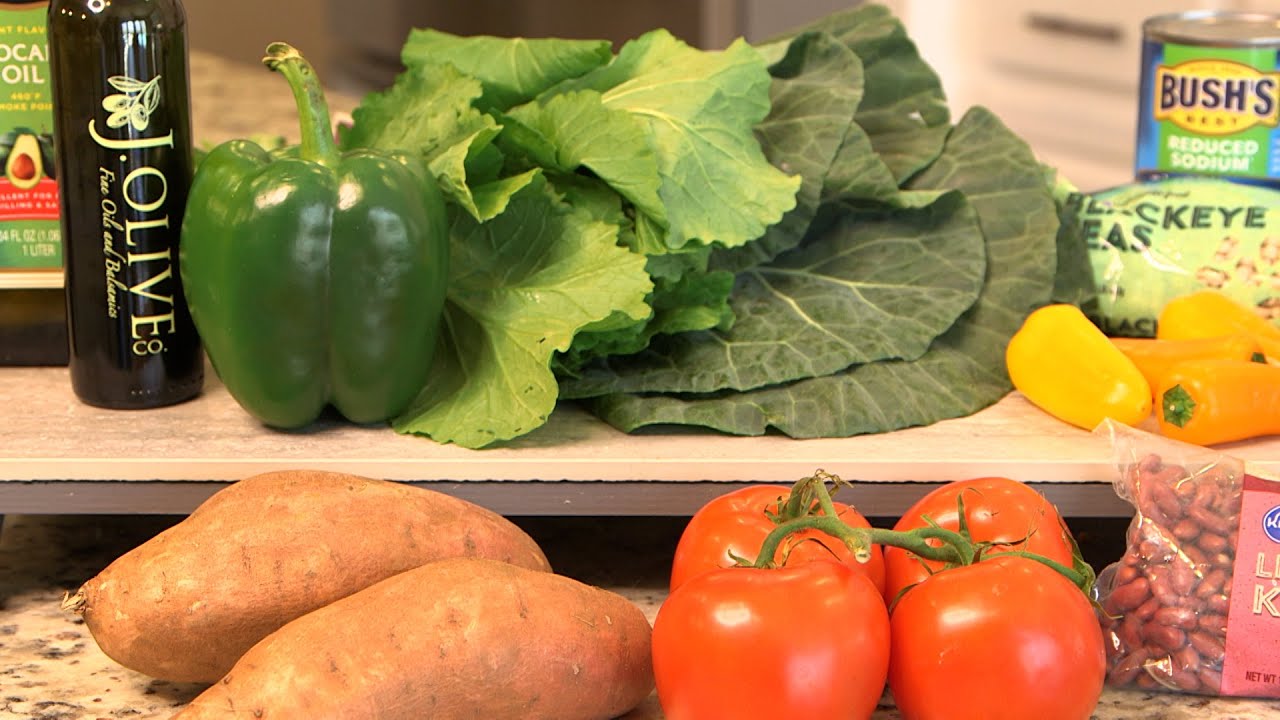
By Mrs. Qula Madkin, MSU Extension Service Still looking for ways to improve your health in 2022? Well, adding more of the right kinds of food to your daily diet is one way to keep moving forward. If you prefer to follow a plan, there are a few eating plans experts agree can help us live longer, healthier lives by helping prevent and manage common chronic health conditions like diabetes and heart disease. For the fifth consecutive year, the Mediterranean diet ranked first for the best overall diet for health and longevity. This eating plan emphasizes fruits, vegetables, whole grains, beans, peas, nuts and seeds, fish and seafood, and olive oil. If diet is a four-letter word to you, hold on. This “diet” is not restrictive in the traditional sense. Think of it as a customizable eating plan that focus on adding nutrient-rich foods instead of subtracting foods. Rankings were selected by a panel of 25 experts who specialize in nutrition, obesity, diabetes, and heart disease. The panel was assembled by U.S. News & World Report, which releases a ranking of the best diets each year. Diets are ranked based on how safe and nutritionally sound the eating plan is, its ability to prevent and manage conditions like diabetes and heart disease, its effectiveness for weight management, and how easy the plan is to follow. The DASH diet and Flexitarian diet tied for second place. So, how can we enjoy the benefits of the Mediterranean eating plan while incorporating our southern food and flavor? Let’s start with some basics: Eat beans and peas. Red beans, black-eyed peas, and one of my favorites, field peas are always available in the South. While different than some of the beans traditionally eaten in the Mediterranean eating plan, these beans and peas provide just as many health benefits and are budget friendly. Eat more vegetables. Tomatoes, bell peppers, and leafy greens like collards and mustards are excellent options. And don’t forget about one of Mississippi’s most well-known vegetables, the sweet potato. Vegetables like these are bursting with flavor and nutrition. Use spices in new ways. Add spices to salads and drizzle flavorful oils, like avocado or pumpkin seed oil, onto food to boost the flavor instead of using salt. Remember, living healthier involves more than just your diet. It’s a lifestyle shift that includes proper sleep, plenty of movement, and much more. For more helpful tips about balanced eating plans and all things nutrition and wellness, visit extension.msstate.edu and join our MSU Nutrition and Wellness Facebook group. Did You Know? We tend to think of countries like Italy and France when we think of the Mediterranean diet, but other countries follow the Mediterranean diet principles also. Northern Africa has many countries along the Mediterranean Sea, including Algeria, Morocco, Tunisia, Egypt, and Libya. The same goes for the Middle Eastern countries of Turkey, Israel, Syria, and Lebanon. They all follow the Mediterranean-style diet plan, but specific foods vary based on several factors, including culture, economy, and agricultural production. For more nutrition and wellness tips, join our MSU Nutrition and Wellness Facebook Group and visit the MSU Extension website.
- Gems in Jackson: Outdoor Dining
It's that time of year - patio dining is back! Here are some of our favorite places to grab a drink or a bit to eat outside in Jackson.
- Flowers Vineyards and Winery
By The Wine Guys, Tom Marquardt and Patrick Darr Chantal Forthun, winemaker at Flowers Vineyard and Winery, was standing alongside a row of vines and over a six-foot hole when she had what she called a “light-bulb moment.” Standing with a pick axe in the pit was Pedro Parra, a revered dirt doctor who consults with winemakers around the world. A Chilean by birth, Parra believes that you cannot make good wine without knowing what lies deep beneath a vineyard’s surface. Terroir is regarded as a major influencer in a wine’s profile whether it be the limestone in Champagne or the gravel in the Left Bank. Sandy soils can leave wine with less acidity and tannin. Clay soils, on the other hand, yield wines with more body, tannin and fruit extraction. As Parra thumped the side of the hole with his pick axe he would ask Forthun to describe the wines. Having been there a decade, she could rattle off the characteristics with ease. He could tell what in the soil gave the wine it’s flavor profile. Sometimes the revelation wasn’t what Forthun expected. The two dozen pits dug on the property was a new effort to understand the two remote vineyards that is best described as “extreme viticulture” at Flowers. Camp Meeting Ridge, planted in 1991, sits above a fog line along a flat top about 1,200 in elevation and is composed of mostly fractured sandstone. Insulated below by a wall of forest, it has its own special micro-climate. It is only two miles from the Pacific. Even closer to the water is Sea View Ridge, a 43-acre vineyard planted in 1998, that has broken red rock soil and basalt. These windswept vineyards have unique soils that demands more than a superficial inspection to fully comprehend its influences on wine. Pinot noir is grown here. “For years we were told this is a special place for special people. But we didn’t know how special it was beyond the beautiful surroundings. We needed to understand how beauty translates into wine,” Forthun said. That feeling is echoed by Rodrigo Soto, estate vineyard manager, who is equally mesmerized by Perra’s analysis. “We gained a tremendous amount of accuracy,” he said. “We identified blocks and isolated them. We now monitor them with a very difference lens.” Forthun said her “light-bulb moment” came when Perra dug a hole in a Sea View Ridge block. “We picked the grapes the same time each year but we couldn’t get the chemistry right. When he opened the soil, we knew immediately what was wrong. It was completely rocky – no soil. Roots, big and thick, made their way around rocks looking deeper for soil and water.” She can’t do much to change the soil, so she concluded that she may not get the ripeness she wanted from the grapes. Forthun and Soto work together to create wines with a desired texture, extraction and aroma – all based on the terroir they have identified. Flowers is a member of the West Sonoma Coast Vintners and in good company with Paul Hobbs, Joseph Phelps, Peay and others. The three wines we tasted were terrific. The 2019 Flowers Almar Camp Meeting Ridge Chardonnay is remarkable for its concentration and mouthfeel. You can the evergreen forest below and the saltiness from the ocean in sight from the property. Citrus and peach notes abound and it has crisp acidity. The two pinots had length and tension because the roots have to work hard to penetrate the red rock. The 2019 Flowers Sea View Ridge Pietra Pinot Noir has earthy aromas and broad dark fruit flavors with hints of herbs and a terroir-driven mineral character. Forthun said the wines are “deeply tortured” to wind a path through the basalt terroir. The 2019 Sea View Ridge Cielo from the highest point in the vineyard enjoys great sun. The soil here is more gravelly at the surface. The wine is very floral and has more plum notes on the palate. We found this pinot noir more elegant than the massive Pietra. Forthun said they have tasted these pinot noirs from the 2008 vintage and they were still alive. We’re not surprised. Flowers has been owned by the Huneeus family since 2009. Wine picks Here are a few syrah and syrah blends that we recently discovered. JONATA Todos 2018 ($50). Matt Dees, winemaker of this Santa Ynez Valley winery, describes this blend as “50 percent syrah, 30 percent cabernet sauvignon and 20 percent chaos.” The chaos is another 8 grape varieties, so we see what he means. The result is an enjoyable, lavishly textured wine with oodles of ripe red berry fruit. This property is owned by billionaire Stan Kroenke, who bought Screaming Eagle in 2006. Faust The Hour 2019 ($90). For the syrah fan in your family, we suggest this incredibly concentrated monster from the rugged Coombsville area of Napa Valley. It is packed with plum, wild blackberry and spice flavors cloaked in firm tannins. Very floral nose with notes of violets, pepper and black cherries. Long and firm in the finish. This is a blockbuster wine that would pair well with beef. Copain Wines Les Voisins Syrah 2017 ($36). This is a beautifully structured wine with generous notes of black olives, blueberries and lavender. Deliciously ripe and fruit forward. Ferraton Pere & Fils Cotes-du-Rhone Samorens Rouge 2019 ($16). We loved this equal blend of grenache and syrah, a nice soft approach to the holiday meal. It’s a great sipper but it is versatile enough to go with just about anything you put on the table for the holiday feast. Ripe and juicy blackberry, raspberry notes with a hint of black licorice and dried rosemary.
- Food Pantries Help Fill Gap When Stores Close
By Ms. Bonnie A. Coblentz, MSU Extension Service STARKVILLE, Miss. -- Rural Mississippians face the same challenge as every other community across the country when a local grocery store closes: Where do lower-income residents find food? Many communities have chosen to act rather than let this setback destroy the way of life they hold dear. The Mississippi State University Extension Service has been involved in many projects to establish food banks or meal services in underserved areas. Kenya Cistrunk, MSU associate professor of social work, said there are numerous instances of community members leading efforts to address issues that have plagued them for years. “It is important to understand the factors or elements of resilience that exist in a food desert and then take those best practices and share them with other people,” Cistrunk said. “If a grocery store leaves, that doesn’t necessarily leave the town high and dry.” Charlie Estess, a retired MSU Extension agent from Coahoma County, helps operate The Care Station, a service that provides an average of 245 hot meals a day five times a week to residents of Clarksdale. “We get food from grocery stores on the day of expiration; we process it, prepare it and try to get it on the menu that day,” Estess said. Everyone at The Care Station is a volunteer, and these community members prep, cook, serve and deliver the food to those in need. “The folks involved in this mission see it with great responsibility that they are counted on to do what they’re supposed to do,” Estess said. The small Delta town of Drew in the heart of Sunflower County created a private, public and academic partnership to fight food insecurity. Through MSU Extension’s AIM for CHangE (Advancing, Inspiring, Motivating for Community Health through Extension) program, which focuses on reducing obesity in the Delta, Extension agent Alexis Hamilton helped launch a ride-share program in 2021 that helps residents get access to fresh food and groceries. Participants can use the Healthy Destination Access ride-share service to get to and from Cleveland -- about 30 minutes from Drew -- where the closest grocery stores are located. “Many residents have to wait or pay someone to take them to the grocery store,” said Hamilton, who works in Sharkey County. “But we want to make the service affordable and convenient for all Drew residents.” Extension also launched a similar ride-share program in Washington County that takes residents from Hollandale and Arcola to Hearty Helpings Food Pantry & Soup Kitchen in Greenville. Both programs transport a group on one designated day of the month. In addition to Extension’s ride-share partnership, other groups address food insecurity by improving food access through new programing. As part of a private-public partnership, the Drew Collaborative launched the Grocery Online Ordering Distribution Service -- or GOODS -- in late 2021. The service helps residents make online grocery orders, picks up the food in Cleveland and then stores it until residents can claim their groceries. Recognizing the hardships of life without easy access to shopping led Mari Alyce Earnest, an Extension agent in Quitman County, to help open a food pantry in Marks. As county coordinator, she oversees that county’s 4-H and family and consumer sciences programs. In this role, she has become acutely aware of her neighbors’ battles for food security. “Quitman County is a food desert, and we have the highest food insecurity rate in the state,” she said. “We do not have a grocery store in the county after the one we had closed more than five years ago.” A dollar store recently opened a small produce section, but the nearest grocery store is more than 20 miles away from any community in Quitman County. When she was approached by a representative of the Mid-South Food Bank in Memphis, Earnest helped form a committee to create a local food pantry. The functioning resource is now operated by volunteers and overseen by a board of directors. Every month, the food pantry serves more than 800 families, or nearly half the county’s population of 6,792. On four distribution days each month, participants receive a box containing canned goods, frozen meat, and dry goods such as pasta and peanut butter. “Our food pantry is an absolute necessity for our community because we have people who would go hungry without it,” Earnest said. For more information on food insecurity or community activism, visit the local Extension office or the MS Food Network, which can provide guidance on how to set up a local food pantry at https://www.msfoodnet.org. The MSU Television Center created a four-part video series that explores the issue of food insecurity in Mississippi. “The Hungriest State” can be found at https://films.msstate.edu. “The Last Supermarket” examined the grocery situation in Clarksdale. Editor’s note: Erica Hensley contributed material to this story.
- From the Bookshelf: “The Skinnytaste Cookbook”
Article by Paige McKay-White At the beginning of every year, everyone makes the promise to themselves to be healthy and eat better. Eating healthier and lighter doesn’t have to be boring, and with the help of The Skinnytaste Cookbook, eating healthy can be fun and delicious. Skinnytaste author Gina Homolka prides herself in her slimmed-down, lower-calorie recipes that are perfect for any lifestyle and have all the flavor of heavier dishes. Several of the recipes are even gluten-free, fat-free, and/or vegetarian, which makes them great for any dietary lifestyle. Skinnytaste opens up with “The Skinny Basics,” which is essentially a guide on how to tackle eating healthier. It offers tips on meal prepping, grocery shopping, kitchen basics to keep on hand and how to portion your meals. After a quick lesson on where to begin with this cookbook, the recipes start with the “Sunny Mornings” section with lots of tasty breakfast options. Find recipes like PB&J Overnight Oats, a Winter Potato, Kale and Sausage Frittata, Chocolate Chip Pancakes, and Cali Avocado Sandwich. After breakfast, dive into “Skinny-licious Soups and Chilis” with options like Cinnamon-Roasted Butternut Squash Soup, Edamame Soup, Unstuffed Cabbage Soup, Chicken Pot Pie Soup, and Slow Cooker Santa Fe Chicken. Following a bowl of soup, there should always be a sandwich involved. Recipes for “Sandwiches on the Lighter Side” include Buffalo Chicken Melts, Greek Salad Pita Pizzas, Grilled Steak Sandwiches, Pear and Brie Grilled Cheese, French Bread Pizza Supreme and Summer Lobster Rolls. These sandwiches and melts have all the savory without the guilt of heavy deli sandwiches. If you’re looking for light appetizers, look for “Skinny Bites” like Caliente Bean and Queso Dip, Loaded “Nacho'' Potato Skins, Baked Zucchini Sticks, Lemony Herb Hummus, Petite Baked Crab Cakes, Skinny Green Goddess Dip, and Garden Pico De Gallo. Any of these would be perfect for any party or gathering. When it comes to salads, they don’t have to be boring plates full of just lettuce and tomatoes. Skinnytaste “Fabulous Main-Dish Salads” include salads like Buffalo Chicken Salad, Curried Chicken Salad, Wild Salmon Salad, Baja Grilled Flank Steak Salad, Roast Beef and Watercress Pasta Salad, and Greek Chickpea Salad. If chicken dishes are more your speed when it comes to a main course, check out the “Perfect Poultry” recipes. Options range from Buttermilk Oven “Fried” Chicken to Cajun Chicken Pasta on the Lighter Side, Skinny Chicken Parmesan, Chicken Pasta Caprese, and Asian Peanut Noodles with Chicken. Or, if you prefer heartier meats, Lean Meat Dishes include Mongolian Beef and Broccoli, Colombian Carne Asada, Teriyaki Grilled Pork Chops, Grilled Lamb Skewers, and Sunday Night Roast Beef and Gravy. Seafood lovers, you have not been overlooked. Choose from “Fabulous Fish” dishes like Sweet ‘n’ Spicy Sriracha Glazed Salmon, Shrimp and Grits, Cilantro Lime Shrimp, Thai Coconut Mussels, Spanish Seafood Stew, and Skinny Shrimp, Chicken, and Sausage Gumbo. Whether you eat fully vegetarian/meatless or you’re just looking to lessen your meat intake, Skinnytaste also includes a “Meatless Mains” section chock full of veggie-filled recipes. Included are dishes like Quinoa Stuffed Peppers, Creamy Carrot Farrotto, Black Bean Burrito Bowls, Skinny Broccoli Mac and Cheese, Chickpea and Potato Curry, and Spicy Black Bean Burgers, Butternut Squash Lasagna Rolls. Along with meatless sides, you can also find “Veggie-licious Sides” like Cheese Cauliflower Mash, Roasted Sesame Green Beans, Lemon-Roasted Asparagus, Maple Roasted Acorn Squash, Quinoa Tabbouleh, Grilled Mexican Corn Salad, and Vegetable Fried Brown Rice. When it comes to dessert, it seems nearly impossible to remain mindful or healthy, but these “Skinny Sweet Tooth” dishes defy the odds. Curve any sweets craving with recipes like Double Chocolate Chunk Walnut Cookies, Silky Chocolate Cream Pie, Warm Apple Pear Crumble, Almost Sinful Maple-Raisin Bread Pudding, Watermelon Lime Granita, and Matcha Milkshake, These Skinnytaste recipes are all so delicious that you won’t even realize that they are lightened up versions of your favorite dishes. Whether you’re looking to eat healthier or are just looking to widen your repertoire of vegetarian, gluten free, or healthier dishes, Skinnytaste is the perfect place to start. You can find the cookbook online at Amazon or any local book retailer. Buttermilk Oven Fried Chicken Serves 4 Chicken: 8 chicken drumsticks 1/2 teaspoon kosher salt 1/2 teaspoon sweet paprika 1/2 teaspoon poultry seasoning 1/4 teaspoon garlic powder 1/8 teaspoon ground black pepper 1 cup buttermilk Juice of half a lemon Cooking spray or oil mister Coating: 2/3 cup panko bread crumbs 1/2 cup crushed cornflake crumbs 2 tablespoons grated Parmesan cheese 1-1/2 teaspoons kosher salt 1 teaspoon dried parsley 1-1/2 teaspoon sweet paprika 1/2 teaspoon onion powder 1/2 teaspoon garlic powder 1/4 teaspoon chili powder In a medium bowl, season the chicken with salt, paprika, poultry seasoning, garlic powder and black pepper. Pour the buttermilk and lemon juice over the chicken and refrigerate for 6 to 8 hours, preferably overnight. Preheat the oven to 40 degrees F. Place a rack on a baking sheet and lightly spray with oil. In a shallow bowl, combine all coating ingredients. Remove the chicken from the buttermilk, dredge each piece in the crumb mixture, and put pieces onto the prepared baking sheet. Spray the tops of the chicken with oil. Bake until golden brown, about 40 to 45 minutes.
- Ice and Vice: Changing the Lives of Foster Children in Mississippi
By Brandi Perry, Photos by Dori Lowe Did you know that Madison is home to one of the most unique ice cream and coffee shops in the entire state? They offer more than 16 varieties of gelato, frozen yogurt and soft-serve ice cream, caffeinated options, as well as low-glycemic index, dairy-free and veganfree options! But still, their story is so much deeper and sweeter. Sarah Dale Harmon and her husband Justin always wished there was somewhere to go late, other than bars. When an Orange Leaf franchise went out, they decided to buy their equipment and take a chance on making their dream come true. Before they opened, they wanted to be different than any other froyo place, and they have accomplished just that. Their unique selection of flavors and products has people driving from all over the state to experience what they are serving. The ice cream (Ice) is their own soft-serve house recipe. The flavors may range from Blue Moon to egg nog and even lavender and Texas Peanut Butter. One of their most popular items is the Dole Whip sorbet that comes in cherry, lemon, lime, mango, orange, pineapple, strawberry and watermelon. Most businesses use one vendor to supply all their ice cream needs, but the Harmons decided on many different sources to meet their needs, and you can taste the difference. They wanted to meet the needs of diabetic people or those watching their caloric intake, and they have done that by offering keto and low sugar options. Do not worry; it does not taste like a diet product. Kids are always happy when they visit Ice and Vice for their unique toppings. At any given time, you may find rose petals, pumpkin seeds, bacon bits, full-sized pop-tarts and even crushed wavy chips! The unique flavors are not by accident, and the Harmons pride themselves on creating the flavors. “My husband and I are huge foodies, and anytime we travel, we spend weeks researching the food scene and finding out where and what we should eat,” explains Sarah Dale. “Our favorite places are always the ones with the most adventurous menus, and we try to mimic those risk-taking flavors and tastes when it comes to our ice cream, cotton candy and energy drinks,” she remarked. “I love researching flavor combinations and recipes. We create a lot of our flavors and recipes in-house. For example, our buttered popcorn gelato and our cookie butter gelato are recipes we created. Other custom-created fan-favorite flavors are our honey gelato and lavender gelato. The lavender gelato has a huge fan following, which surprised me! But people ask for it all the time,” Harmon continued. But this is so much more than your typical ice cream shop. The energy drinks contain something most Mississippians are not aware of yet: allnatural Lotus energy. This ingredient provides plenty of energy minus the sugar. It is like the loaded teas that are so popular now, with far fewer ingredients. If coffee is your Vice, they can help you start your day with that or lattes. You can decide on many flavors for the energy drink. There are several predetermined recipes, or you can make your own by choosing a base, club soda or Red Bull, then the Lotus flavor, and what two other flavors you want. There is no bad combination of flavors. There is a lot more to this incredible business. They offer more than 50 snow cone flavors year-round. They also offer gourmet cones from New York that includes the flavors Pink Vanilla, Orange Cream and Black Charcoal. There are not many places you can find home-spun cotton candy. A special part of their cotton candy is something called a Cloud Cone, and some of the more unique flavors are kiwi, root beer, coffee, champagne and pina colada. Even still, the mission of Ice and Vice shocks some visitors that do not know the story. Foster children play a huge role in the success of the shop, and that was not by accident. The mission of Ice and Vice is built around supporting children in foster care and the young adults who have aged out of foster care. Their employment program gives children in care and those who have aged out an opportunity to gain work experience in a trauma-informed atmosphere. Ice and Vice employs 15 teenagers—60% are great teens from the community while the rest are in foster care, have aged out or were adopted from care. A few live in a group home at Methodist Children’s Home, and the house moms drive them to and from work. The house moms really make huge sacrifices for the children to experience a little bit of normalcy. They offer continuing education opportunities and workshops for employees, along with a transportation program for those that need it. Throughout the year, they raise funds for their biannual transportation scholarship to help the youth in care buy their first vehicle. The reason the Harmons decided to focus their mission on foster children is that they have a great deal of experience with the foster system. It is close to their hearts because all four of their children were adopted out of foster care, and they were therapeutic foster parents for five years with Methodist Children’s Home. “It was one of the most beautiful and brutal experiences of our lives. You know things you wish you did not, and you know things you wish everyone knew. But at the end of the day, we need more foster parents in Mississippi,” Sarah Dale recalled. Madison and the surrounding community have been so wonderful to Sarah Dale, Justin and their business, and they know that Ice and Vice is there to stay. But that does not mean that you won’t see a mobile Ice and Vice in the future that they can take to festivals and other events. Not only would they be able to distribute their incredible product to more people, but also share their special mission across the state. When asked where they hope Ice and Vice will be in five years, Sarah Dale answered, “In five years, I hope I have helped five more foster kids get their first vehicle and continue to be a place for families to create lifelong memories and traditions.” Patrons need to be on the lookout for more crazy, delicious treats that will be coming from the Harmons soon and keep your eyes out for their new adventure coming soon! If you are planning a visit, they are located at 1022 US-51 in Madison, Mississippi. Monday through Thursday, they are open from 12 pm to 9:30 pm, Fridays they are open from 12 pm to 12 am, Saturday from 1 pm to 12 am, and Sunday from 1 pm to 9:30 pm. If you need any more information, please reach out to them at (769) 257-9952 or info@iceandvicems.com.
- Brunch in Coastal Mississippi
Check out some of these great spots to enjoy brunch on the Mississippi Gulf Coast!
- These South African Sauvignon Blans Deserve More Attention
By The Wine Guys, Tom Marquardt and Patrick Darr South African sauvignon blanc is not exactly top of mind for most American wine consumers. South Africa lacks a definitive wine grape identity, although they offer interesting and usually value-oriented varieties such as the white varietal chenin blanc and the red pinotage. More associated with sauvignon blanc is New Zealand, the world’s second largest producer of the varietal. A severe decline in New Zealand production of Marlborough sauvignon blanc, the result of an early flowering and subsequent late frost, has decimated vineyard yields. The approximately 30 percent reduction in production could result in potential shortages and rising prices for this iconic flagship Kiwi product. However, this misfortune for New Zealand is an opportunity for other sauvignon blanc producers to fill the void. The cool climate in South Africa gives them an advantage. We recently tasted several South Africa sauvignon blancs and believe they merit the attention of our readers. They all come from three adjacent wine regions that rim the southwestern coast of the country just off to the west from the Cape of Good Hope, and near the city of Cape Town. We were impressed with their refreshing drinkability, unique style and very reasonable prices. Overall, we experienced elegant citrus fruit notes and a distinctive minerality that created very crisp drinkable wines. These wines are not built to age, so buy the most current vintage. Whale Route Sauvignon Blanc Grand Reserve South Africa 2021 ($10). This bargain entry to our tasting was very impressive. Its lovely peach, mineral elements with a hint of herbs create a very lively and agreeable drink that should please everyone. Rustenberg Sauvignon Blanc W.O. Stellenbosch 2020 ($14). Only stainless steel is used in producing this wine. Lemon citrus with a hint of ripe melon, moderate minerality, and aged on lees 3 months. Lomond Sauvignon Blanc W.O. Cape Aguilhas 2020 ($18). From the cool southernmost tip of South Africa, this wine exhibits strong citrus and mineral notes with just a hint of white pepper that adds complexity. Southern Right Sauvignon Blanc D.O. Walker Bay 2021. ($18). This example of sauvignon blanc from South Africa generated more fruit weight in the mouth with ripe plum and rainier cherry notes and a hint of passion fruit. A nice underlying minerality provided a pleasant contrast to the abundant fruit. Our favorite of the tasting. Davis Bynum Growing grapes in the Russian River Valley, Davis Bynum is primarily known for their delicious cool climate chardonnay and pinot noir but also produces a lovely sauvignon blanc. The sauvignon blanc is sourced from a small 5-acre vineyard called Virginia’s block in honor of Davis Bynum’s second wife. The Davis Bynum Sauvignon Blanc Russian River Valley Virginia’s Block 2020 ($25) is a complex sauvignon blanc balancing ripe peach notes with refreshing grapefruit and herb elements. Aged in a mix of woods and stainless steel this lovely wine with crisp acidity invites the taster to take another sip. Try with any chicken or seafood dishes. We also enjoyed the Davis Bynum Chardonnay Sonoma County Russian River Valley 2018 ($25) which displayed a delicious creamy apple toast profile. Mouth-coating fruit and a long finish create a memorable drinking experience. Davis Bynum was the first to produce a Russian River Valley pinot noir in 1973. Today Davis Bynum fashions the Davis Bynum Pinot Noir Sonoma County Russian River Valley Dutton Ranches 2019 and their lengthy single vineyard winemaking experience shines. A complex mélange of plum, black cherry, and cola and spice notes are on display in a magnificent package. Davis Bynum is part of the family-owned Rodney Strong Vineyards. Alsace sparkling wine Crémant from Alsace may be our favorite French sparkling wines outside of Champagne. Major French wine making regions produce a sparkling wine made from the wine grapes typically grown in the region. They sell for a fraction of the price of champagne and sometimes rival them for quality and popularity. Lucien Albrecht Cremant d’Alsace Rose N/V is one of our perennial favorites. Made from 100 percent pinot noir, this visually appealing sparkler features fresh cherry and strawberry flavors and nose and is delightfully refreshing. We also enjoyed Domaine Joseph Cattin Cremant d’Alsace Brut N/V. The grapes vary somewhat from year to year but generally consist of some combination of pinot gris, pinot blanc and riesling. Apple notes are accented with citrus elements and present a smooth rich bubbly experience in the mouth. Wine picks Mettler Epicenter Old Vine Zinfandel Lodi 2019 ($25). Zinfandel fans will love this vibrant wine with ripe blueberry and black berry notes, hints of vanilla and spice with a long finish. CK Mondavi California Merlot 2018 ($9). The price is not a typo. This may not be your most complex merlot, but it satisfies the palate and the pocketbook. Plum aromas with cherry and blackberry flavors. Very smooth and quaffable. Priest Ranch Cabernet Sauvignon 2019 ($50). This opulent wine is made entirely from estate-grown, Napa Valley cabernet sauvignon. Plum and black cherry notes, fine tannins and long in the finish. Esporao Alentejo Portugal 2018 ($25). Well worth the reasonable price, this Portuguese gem is a blend of aragonez, trincadeire, syrah, touriga nacional, touriga franca, cabernet sauvignon and alicante bouschet. Whew! With lots of American oak aging, it is pack with jammy dark berry fruit flavors but accented by spice and chocolate. Newton Cabernet Sauvignon Napa Valley Unfiltered 2018 ($59). Although expensive, this red wine packs a lot of complexity for the price. A sumptuously deep and rich display of the classic cherry and cassis flavors that you expect from a premium Napa Valley cabernet. Soft approachable tannins make this fine wine a candidate for near-term drinking, but it has the legs for at least a decade of aging.
- Making Sausage at Home
Ever thought about making your own sausage at home? You can explore with different flavors and seasonings and make it totally customizable. Check out how to make your own sausage from the Mississippi State Extension Service.
- How to Spring Clean Your Wellness
From Brandpoint Content With the sun emerging from the clouds and the weather warming up, it's time to take stock of your wellness. Registered Dietitian and Nutritionist Dalina Soto says that springtime calls for a review and refresh of your mind and body. By looking at your holistic wellness and tweaking your habits, you can reduce stress and increase productivity and happiness. To help you jump-start your "spring cleaning," Soto offers tips on how to improve your exercise, sleep and eating habits this season. Get moving During winter, it's easy to go into hibernation mode, making it difficult to find motivation to exercise. As it starts warming up again, strive to incorporate movement throughout your day. You can start by taking a lunch walk with a co-worker so you can enjoy the fresh air and sunlight. Check your local community center to see if there are any pickup volleyball games or other outdoor recreational sports you can participate in once or twice a week. If you want to establish a gym routine, find a buddy to go with for accountability. Prioritize sleep Sleep is an important aspect of your holistic health. When you don't sleep well, your energy depletes, meaning that you're less likely to want to be active, potentially affecting your ability to work. It also can have a considerable impact on your mental health. According to the Division of Sleep Medicine at Harvard Medical School, poor sleep can lead to irritability and stress which may increase the risk of developing anxiety and depression. Soto suggests taking time to examine your sleep hygiene. Do you have a set bedtime, and do you stick to it? Do you frequently wake up throughout the night? Are you staying up on your phone? Ask yourself these questions and see where you can revamp your nighttime routine. Fuel your engine Just like a car, your body needs the right fuel to run properly, which is why it's essential to have a balanced and nutritious diet. Beyond making sure you get enough carbs, protein and greens in your meals, you should ensure you're eating foods with Omega-3 fatty acids. Omega-3s can help maintain your mental health, improve sleep and build and maintain a healthy body, especially after strenuous exercise. You can easily incorporate Omega-3s into your diet by eating Eggland's Best eggs. They contain more than double the Omega-3s and six times more Vitamin D than ordinary eggs, which helps regulate mood and boost overall mental health. The garden frittata recipe below is an excellent example of how a nutritious meal can improve your overall wellness this spring. Garden Frittata Prep time: 5 minutes; Cook time: 15 minutes; Makes 4 servings Ingredients 2 tablespoons butter 1 teaspoon finely chopped fresh garlic 1/2 cup chopped onion 1 cup chopped fresh spinach 4 large Eggland's Best Eggs, beaten 1/4 teaspoon salt 1 tablespoon chopped fresh basil leaves 1/3 cup shredded Parmesan cheese 1/4 cup chopped cherry tomatoes Instructions 1. Melt butter with canola oil in 10-inch skillet until sizzling; add garlic and onions. 2. Cook over medium heat, stirring occasionally, for 4-5 minutes or until onions are translucent. 3. Add spinach and sauté for 2-3 minutes or until spinach is wilted. 4. Whisk eggs and salt together in bowl. 5. Add eggs to vegetable mixture in pan; sprinkle with basil. 6. Cover and continue cooking for 4-6 minutes or until center is almost set. 7. Sprinkle with cheese. Cover and remove from heat. Let stand 2-3 minutes or until cheese melts. 8. Cut into wedges. Garnish with chopped tomatoes. Kick off your holistic spring cleaning right In honor of National Nutrition Month, Eggland's Best has teamed up with celebrity home-organizers, Clea and Joanna of The Home Edit, to launch the EB Better Family Fridge Makeover Sweepstakes. This contest gives fans the chance to win various prizes to help with their organizational needs and supercharge their family's nutrition. Now until April 15, fans can enter online at EBFamilySweeps.com for a chance to win $4,500 toward a brand-new family fridge, a virtual consultation with The Home Edit team and Dalina Soto, a year's supply of Eggland's Best eggs and more!
- Gems in Jackson: Mac and Cheese
If you ever find yourself craving mac and cheese in the capital city, here are some of our favorite spots to grab a cheesy treat. Check them out on the Visit Jackson blog.